

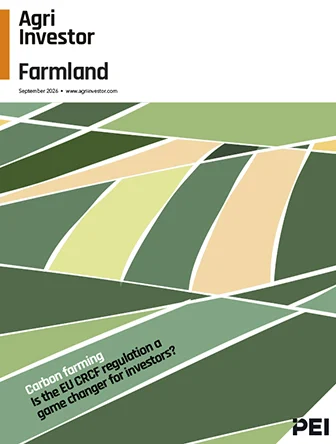
The European Union’s nascent carbon farming regulation is poised to fundamentally reshape agricultural investment, presenting both unprecedented opportunities and significant challenges for those seeking to generate returns from the land. This landmark initiative, aimed at incentivizing sustainable agricultural practices that sequester carbon and reduce greenhouse gas emissions, has the potential to unlock new revenue streams and redefine the risk-reward profile of agri-investments. However, the complexities of implementation, the need for robust verification mechanisms, and the evolving landscape of climate policy demand careful consideration from investors. The regulation seeks to create a structured market for carbon credits generated from agricultural activities, such as cover cropping, reduced tillage, and improved manure management. This move signals a significant shift from voluntary carbon markets, offering a more standardized and potentially larger-scale framework for climate-positive agriculture.
The Genesis of EU Carbon Farming: A Response to Climate Imperatives
The impetus behind the EU’s carbon farming regulation stems from the bloc’s ambitious climate targets. The European Green Deal, launched in 2019, set a goal of making the EU climate-neutral by 2050. Agriculture, a significant contributor to greenhouse gas emissions, particularly methane and nitrous oxide, is a crucial sector for achieving these objectives. For decades, agricultural policy has primarily focused on food production and rural development. However, the growing understanding of the environmental services provided by agriculture, including carbon sequestration and biodiversity enhancement, has led to a policy reorientation.
The regulation is not an isolated development but rather a culmination of years of scientific research, policy discussions, and pilot projects. Early initiatives in carbon farming often operated within voluntary carbon markets, where the methodologies and credit quality could vary significantly. This led to a demand for more robust and transparent frameworks, particularly as institutional investors began to express interest in sustainable agriculture. The EU’s initiative aims to address these shortcomings by establishing clear rules and criteria for carbon removal and emission reduction in agriculture.
Key Pillars of the EU Carbon Farming Regulation
While the specific details of the regulation are still being refined and implemented, several core principles are emerging. Central to the framework is the concept of "carbon farming," which encompasses a range of practices designed to increase carbon stocks in soils and biomass, as well as reduce emissions from livestock and fertilizer use. The regulation aims to:
- Incentivize Carbon Sequestration: Farmers and landowners will be rewarded for adopting practices that draw down atmospheric carbon dioxide and store it in soils, vegetation, and other agricultural sinks. This could include agroforestry, the use of cover crops, and no-till farming.
- Reduce Agricultural Emissions: The regulation will also encourage measures to lower direct greenhouse gas emissions from farming operations, such as improving fertilizer efficiency, managing manure more effectively, and optimizing livestock diets.
- Establish a Verified Carbon Credit System: A crucial element is the development of a robust system for measuring, reporting, and verifying (MRV) the carbon benefits achieved. This is essential for ensuring the integrity of any carbon credits generated and for building investor confidence. The EU is likely to draw on existing standards and methodologies while developing its own specific guidelines for agricultural carbon.
- Create a Market for Carbon Credits: The ultimate goal is to create a functioning market where these verified carbon credits can be traded. This will allow farmers to generate an additional income stream, making sustainable practices economically viable. Investors, in turn, will be able to purchase these credits to offset their own emissions or to invest in climate-positive agricultural assets.
Investor Appetite for Sustainable Agriculture: A Growing Trend
The timing of the EU’s carbon farming regulation coincides with a significant surge in investor interest in the agricultural sector, driven by several factors. Firstly, the increasing awareness of climate change and the need for sustainable food systems has put agriculture under the spotlight. Secondly, the inherent tangibility of agricultural assets – land, crops, and livestock – appeals to investors seeking real assets with long-term value. Thirdly, the growing demand for food, coupled with concerns about supply chain resilience, is prompting investors to look at agriculture as a stable and potentially growing sector.
Data from industry reports indicates a substantial increase in agricultural land acquisitions and investments in agri-tech. For instance, reports have shown a consistent rise in farmland returns in regions like Australia, suggesting a strong underlying asset performance. Astarte Capital Partners, a firm specializing in alternative investments including agriculture, has highlighted the growing institutional interest in the sector. Similarly, Roc Partners, another prominent player in agricultural investment, has been actively involved in deploying capital into sustainable farming operations. These firms, along with many others, are increasingly scrutinizing the environmental, social, and governance (ESG) performance of their investments, making carbon farming a natural fit.
Navigating the Opportunities: What Investors Need to Consider
For agri-investors, the EU’s carbon farming regulation presents a multifaceted landscape of opportunities and challenges:
- Diversified Revenue Streams: The most immediate opportunity lies in the potential to generate revenue from carbon credits. This can supplement traditional income from crop or livestock production, thereby enhancing the overall profitability and resilience of agricultural assets.
- Enhanced Asset Value: Farms and agricultural businesses that demonstrably adopt carbon-friendly practices may see their asset values increase. This could be due to a combination of improved operational efficiency, enhanced market access for sustainably produced goods, and the direct revenue from carbon credits.
- Risk Mitigation and Resilience: Practices promoted under carbon farming, such as improved soil health and diversified cropping systems, can enhance the resilience of agricultural operations to climate shocks like drought. This is particularly relevant in regions facing increasing water scarcity, as highlighted by ongoing discussions on how agri-investors can build resilience to drought.
- Reputational Benefits and Stakeholder Engagement: Investing in carbon farming can significantly enhance an investor’s ESG credentials, attracting a wider pool of capital and improving relationships with stakeholders, including consumers, regulators, and local communities.
However, investors must also be acutely aware of the potential hurdles:
- Complexity of MRV Systems: The success of the carbon farming market hinges on the robustness and reliability of its Measurement, Reporting, and Verification (MRV) systems. Investors will need to understand these methodologies, ensure compliance, and be confident in the integrity of the carbon credits they purchase or generate. The EU’s commitment to developing clear guidelines will be critical here.
- Policy Uncertainty and Evolution: As a relatively new policy area, carbon farming regulations may evolve. Investors need to monitor policy developments closely and adapt their strategies accordingly. This includes understanding how the EU framework might interact with national policies and other international climate initiatives.
- Market Volatility and Price Discovery: The carbon credit market, particularly for agricultural carbon, is still nascent. Prices can be volatile, and establishing a clear price discovery mechanism will be crucial for long-term investment planning. The EU’s efforts to create a structured market are intended to mitigate some of this volatility.
- Additionality and Permanence: Key principles in carbon markets are "additionality" (ensuring the carbon benefit would not have occurred without the incentive) and "permanence" (ensuring the carbon remains sequestered over the long term). Investors will need to ensure their projects meet these criteria.
- Technological and Operational Challenges: Implementing carbon farming practices may require new technologies, improved farm management techniques, and potentially significant upfront investments. Investors will need to assess the feasibility and scalability of these changes.
Expert Perspectives: Insights from the Field
Industry experts are closely watching the development of EU carbon farming. Representatives from organizations like US Agriculture, a sector often at the forefront of agricultural innovation and policy, are likely to be engaged in discussions about how such regulations can be effectively implemented and scaled. Astarte Capital Partners, with its focus on alternative assets and sustainability, would likely view this as a significant development, potentially unlocking new investment strategies. Roc Partners, known for its hands-on approach to agricultural investment, would be assessing the practical implications for farm operations and the potential for value creation.
While direct quotes are not available from the provided snippet, it’s reasonable to infer that these entities would be emphasizing the need for clear, science-based methodologies, supportive policy frameworks, and robust market mechanisms to ensure the success of carbon farming. They would likely stress the importance of collaboration between policymakers, farmers, researchers, and investors.
Broader Impact and Implications
The EU’s carbon farming regulation has implications that extend far beyond the agricultural sector:
- Climate Change Mitigation: If successful, the regulation could contribute significantly to the EU’s climate targets by unlocking a vast, largely untapped carbon sink in agricultural soils and by reducing direct emissions.
- Rural Development and Farmer Livelihoods: By providing new income streams, carbon farming can help to improve the economic viability of farming, particularly for smaller operations, and support rural economies.
- Food System Transformation: The regulation encourages practices that often align with broader goals of sustainable food systems, such as improved soil health, biodiversity, and reduced reliance on synthetic inputs. This could lead to a more resilient and environmentally friendly food supply.
- Global Precedent: The EU’s leadership in establishing a comprehensive carbon farming framework could set a precedent for other regions and countries, potentially driving global adoption of similar policies and markets.
The Road Ahead: Challenges and Opportunities for Investors
The path forward for EU carbon farming is one of careful development and implementation. The European Commission will need to ensure that the MRV systems are practical, affordable, and scientifically sound. Engagement with farmers and agricultural organizations will be crucial to ensure buy-in and facilitate adoption. For investors, the key will be to stay informed, conduct thorough due diligence, and adopt a long-term perspective.
The rise of sophisticated investment firms like Astarte Capital Partners and Roc Partners, alongside the increasing focus on sustainability from established agricultural players, indicates a readiness within the investment community to engage with the opportunities presented by climate-smart agriculture. The EU’s carbon farming regulation is not merely a policy shift; it represents a fundamental recalibration of how agricultural value is understood and generated. For those investors who can navigate its complexities, it promises to be a game changer, unlocking new avenues for both financial return and positive environmental impact. The challenge, and indeed the opportunity, lies in translating this ambitious regulatory framework into tangible, investable solutions that benefit farmers, the environment, and the global community.
