

The volatile geopolitical landscape of the Middle East is experiencing a renewed surge in tensions this October 2026, as the United States has initiated a significant military deployment, moving approximately 2,000 Marines to the region. This strategic reinforcement comes on the heels of a critical incident in the Strait of Hormuz, where a commercial tanker was reportedly struck, further exacerbating an already precarious security situation in one of the world’s most vital maritime choke points. Amidst these escalating developments, Iranian President Masoud Pezeshkian has publicly reiterated Iran’s willingness for dialogue with the United States, even while acknowledging a history of perceived betrayals, stating that Iran "has never avoided" negotiations despite having been "attacked three times during negotiations."
Escalation in the Gulf: US Marine Deployment and Hormuz Incident
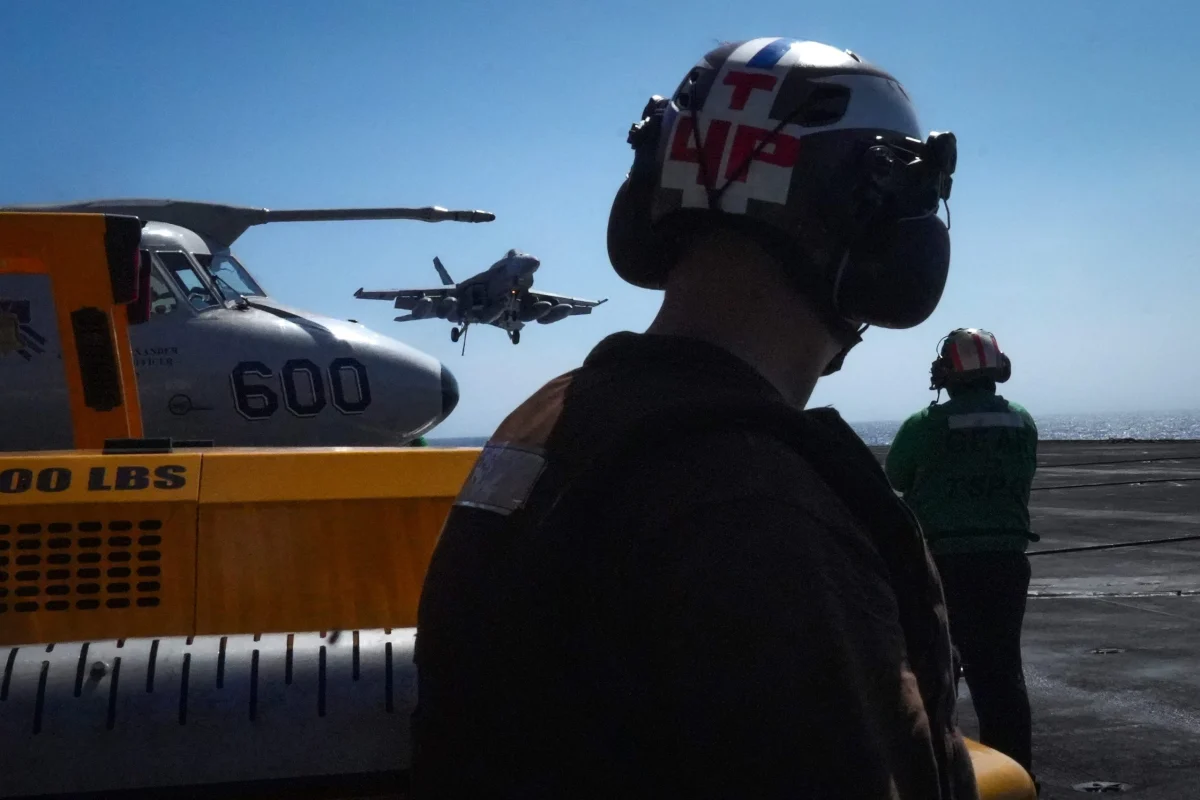
The deployment of 2,000 U.S. Marines, reportedly accompanied by a naval expeditionary unit, marks a substantial increase in American military posture in the Middle East. While specific details regarding their exact destination and mission parameters remain under tight operational security, defense analysts suggest their presence is intended to bolster deterrence against Iranian aggression, safeguard international shipping lanes, and provide rapid response capabilities in a region prone to sudden flare-ups. This move is consistent with previous US strategies of deploying naval and marine assets to project power and reassure allies in the face of perceived threats. The deployment includes elements from a Marine Expeditionary Unit (MEU), typically comprising amphibious assault ships, fighter jets, and various support vessels, offering a versatile range of capabilities from humanitarian aid to combat operations. This force multiplier effect aims to enhance the readiness of US Central Command (CENTCOM) forces already stationed in the region, which include air assets, naval fleets in the Arabian Gulf, and ground personnel at various bases.
Concurrently, the international community is grappling with reports of a commercial tanker being hit in the Strait of Hormuz. Details surrounding the incident are still emerging, but initial reports suggest the vessel sustained damage, though the extent and nature of the attack, as well as the responsible party, have not yet been definitively established. Such incidents routinely trigger global concern, given the Strait’s indispensable role in global energy markets. Past attacks on tankers in this waterway have historically been attributed to various actors, often leading to a blame game between Washington and Tehran, further muddying the waters of diplomacy and increasing the risk of miscalculation. The economic ramifications of such an attack are immediate, with global oil prices showing initial signs of volatility in futures markets as traders react to the heightened risk of supply disruption. Insurance premiums for shipping through the Strait are also expected to climb, adding to the operational costs for companies navigating these critical waters.
A History of Tensions: US-Iran Relations Timeline
The current state of affairs is deeply rooted in a long and complex history of antagonism between the United States and Iran. Relations dramatically deteriorated following the 1979 Iranian Revolution, leading to decades of mistrust and indirect confrontations. A brief chronology highlights key flashpoints:
- 2015: The Joint Comprehensive Plan of Action (JCPOA), widely known as the Iran nuclear deal, is signed between Iran and the P5+1 (China, France, Germany, Russia, the United Kingdom, and the United States), aiming to curb Iran’s nuclear program in exchange for sanctions relief.
- 2018: The Trump administration unilaterally withdraws the US from the JCPOA, re-imposing stringent sanctions on Iran’s economy, particularly its oil sector. Iran subsequently begins to gradually roll back its commitments under the deal.
- 2019: A series of attacks on oil tankers in the Gulf and Saudi oil facilities occur, with the US and its allies blaming Iran. Iran denies involvement. The US deploys additional troops and missile defense systems to the region.
- 2020: Qassem Soleimani, a top Iranian general, is killed in a US drone strike in Baghdad, leading to Iranian retaliatory missile strikes on US bases in Iraq and further escalating regional tensions to unprecedented levels.
- 2021-2025: Persistent efforts by the Biden administration to revive the JCPOA largely falter amidst ongoing disagreements, with Iran continuing to advance its nuclear program and the US maintaining sanctions. Regional proxy conflicts, particularly in Yemen and Iraq, continue to fuel animosity.
- July 2026: President Masoud Pezeshkian is inaugurated, following a contested election, vowing to prioritize the economy and engage with the international community, though his foreign policy stance remains cautious regarding the US.
- October 2026 (Current Events): US deploys 2,000 Marines; tanker hit in Hormuz; President Pezeshkian offers dialogue.
President Pezeshkian’s recent statement, delivered from Tehran, underscores a critical aspect of Iran’s diplomatic calculus. His assertion that Iran has "never avoided" dialogue, despite being "attacked three times during negotiations," points to a deep-seated grievance within the Iranian establishment. While specific instances of these "attacks" during negotiations were not detailed by the President, observers interpret this as a reference to a combination of events: the US withdrawal from the JCPOA in 2018, which Iran viewed as a breach of trust despite ongoing European diplomatic efforts; the assassination of Iranian nuclear scientist Mohsen Fakhrizadeh in 2020, widely attributed to foreign adversaries during periods of indirect diplomatic outreach; and sustained cyberattacks against Iranian infrastructure, often occurring in tandem with diplomatic overtures. These events, from Tehran’s perspective, have repeatedly undermined good-faith efforts at de-escalation and fostered a climate of suspicion, making any new round of talks exceedingly difficult to navigate.
The Strategic Strait of Hormuz: A Global Chokepoint
The Strait of Hormuz is arguably the most strategically important waterway on the planet. This narrow channel, connecting the Persian Gulf with the Arabian Sea and the broader Indian Ocean, is traversed by approximately 20% of the world’s total petroleum liquids consumption and about one-third of the world’s liquefied natural gas (LNG). An estimated 21 million barrels per day (b/d) of crude oil, condensates, and refined petroleum products passed through the Strait in 2025, according to energy data. Any significant disruption to shipping in this strait, which is bordered by Iran to the north and Oman and the United Arab Emirates to the south, has immediate and far-reaching consequences for global energy markets, supply chains, and international trade.
The Strait’s geography makes it particularly vulnerable. At its narrowest point, it is only 21 nautical miles (39 km) wide, with the shipping lane itself just two miles wide in each direction. This confined space, coupled with Iran’s long coastline and naval capabilities, including fast attack craft and anti-ship missiles, gives Tehran significant leverage. Iran has repeatedly threatened to close the Strait in response to sanctions or military aggression, a threat that, if carried out, would send shockwaves through the global economy, potentially triggering an unprecedented energy crisis. The international community, led by naval patrols from various nations, maintains a robust presence to ensure freedom of navigation, but the recent tanker incident highlights the enduring fragility of security in this critical maritime artery.
Official Responses and International Repercussions
Following the US deployment and the Hormuz incident, official reactions have been swift and varied. From Washington, Pentagon officials confirmed the deployment, characterizing it as a "defensive measure" aimed at protecting US interests and personnel, deterring malign actors, and upholding freedom of navigation in international waters. A spokesperson for the State Department reiterated calls for de-escalation from all parties and urged transparency regarding the tanker attack, without directly assigning blame in initial statements. The White House emphasized the US commitment to regional stability and the safety of global commerce.
In Tehran, beyond President Pezeshkian’s remarks, the Iranian Foreign Ministry condemned the increased US military presence as "provocative" and a threat to regional peace. Revolutionary Guard Corps (IRGC) commanders issued statements affirming Iran’s readiness to defend its sovereignty and interests against any aggression. They reiterated their capacity to respond disproportionately to any perceived threat, further fueling the cycle of threat and counter-threat.
Internationally, the United Nations Secretary-General issued a statement expressing deep concern over the escalating tensions and urging all parties to exercise maximum restraint and pursue diplomatic solutions. European Union officials echoed these sentiments, highlighting the urgency of re-engaging in dialogue to prevent a broader conflict that would have devastating consequences for the region and global stability. Key regional allies of the US, such as Saudi Arabia and the UAE, while not making explicit statements on the current incident, have historically supported a robust US military presence as a deterrent against Iranian influence and aggression. Conversely, countries like Russia and China have consistently criticized US military deployments in the region, advocating for regional security solutions without external intervention.
Broader Impact and Implications: A Precarious Balance
The confluence of military escalation, maritime attacks, and guarded diplomatic overtures paints a complex picture for the future of US-Iran relations and broader regional stability.
- Risk of Miscalculation: The increased military presence, while intended to deter, simultaneously heightens the risk of accidental clashes or misinterpretations of intentions. A minor incident could rapidly spiral into a larger conflict, particularly given the historical animosity and lack of direct communication channels between Washington and Tehran.
- Economic Consequences: Beyond immediate oil price fluctuations, prolonged instability in the Gulf would lead to higher shipping costs, increased insurance premiums, and a general chilling effect on investment in the region. Global economic growth, already facing headwinds, would be significantly impacted by a sustained disruption of energy supplies.
- Diplomatic Stalemate: President Pezeshkian’s offer of dialogue, while seemingly conciliatory, is conditioned by past grievances. For any meaningful negotiations to occur, both sides would need to find common ground to rebuild trust, which appears increasingly difficult amidst military maneuvers and accusations. The "three attacks" narrative from Iran indicates a deep-seated distrust that any diplomatic effort would need to overcome.
- Regional Realignments: The escalating tensions could further entrench existing alliances and rivalries in the Middle East. US allies might seek closer security cooperation, while Iran’s regional partners might be emboldened or pressured into more assertive actions, creating a wider web of potential flashpoints.
The current situation represents a precarious balance between deterrence and diplomacy. The US deployment aims to project strength and protect strategic interests, while Iran, through President Pezeshkian, signals a conditional willingness for engagement. The challenge lies in navigating these simultaneous tracks without triggering an unintended confrontation. The international community remains hopeful that restraint and a renewed commitment to dialogue will ultimately prevail, averting a full-scale conflict in a region already scarred by decades of strife. The coming weeks will be critical in determining whether the current escalation leads to a dangerous confrontation or opens an unexpected pathway to de-escalation and a resumption of meaningful diplomatic efforts.
