

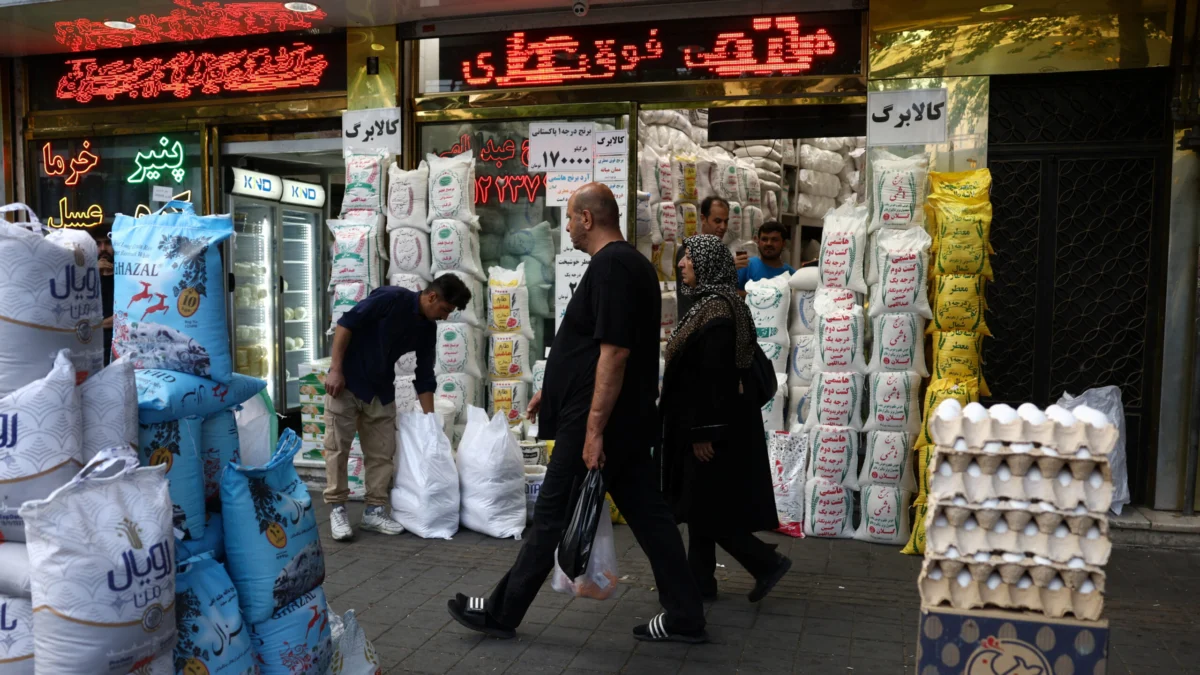
The memorandum of understanding signed between the Islamic Republic of Iran and the United States has successfully navigated its first critical week of implementation, establishing a preliminary roadmap toward a comprehensive resolution of the conflict that has ravaged the region for nearly four months. While the cessation of active hostilities marks a significant shift in the geopolitical landscape, the agreement remains in a precarious state as both nations navigate a complex web of technical, political, and domestic challenges. In Tehran, the atmosphere is one of cautious observation rather than overt celebration, as the civilian population grapples with the lingering economic scars of a war that has fundamentally altered the country’s financial trajectory.
For many Iranians, the shift from active military engagement to diplomatic negotiation represents a reprieve, yet the immediate benefits to the average household remain elusive. The transition from daily aerial bombardments to discussions regarding the importation of American agricultural commodities, such as corn and wheat, highlights the dramatic pivot in bilateral relations. However, as residents in central Tehran have noted, the cessation of fire has not yet translated into a reduction in the cost of living, which continues to deteriorate under the weight of historic inflation and systemic infrastructure damage.
The Mechanics of Economic Relief and Oil Export Licenses
A cornerstone of the current memorandum of understanding is the provision for Iran to access a portion of its foreign-held assets, which had been frozen in international accounts due to long-standing sanctions. These funds are now ostensibly earmarked for the purchase of humanitarian goods. Central Bank of Iran Governor Abdolnaser Hemmati confirmed in a recent address that the government is exploring the acquisition of essential agricultural products from the United States. While the agreement does not mandate such purchases, the possibility marks a symbolic and practical departure from the total decoupling of the two economies.
Compounding this shift is a significant move by the United States Treasury, which has issued a general license authorizing the production, delivery, and sale of Iranian crude oil and petrochemical products. This license, valid through August 21, allows for transactions to be settled in U.S. dollar-denominated funds. For the Iranian state, this represents a vital lifeline. Previously, the country was forced to rely on "ghost fleets," deep-sea ship-to-ship transfers, and significant price discounts to bypass sanctions. The new authorization allows for more transparent sales, reducing the need for the costly and complicated barter routes that characterized the war period.
Data from maritime tracking services indicate that Iran has already begun moving millions of barrels of oil previously stored on supercarriers. The injection of this liquidity into the state coffers is intended to stabilize the national currency, though economists warn that the "trickle-down" effect to the general public will be delayed.
Inflation and the Rial: A Nation in Financial Crisis
Despite the diplomatic progress, the Iranian economy remains in the grip of what experts describe as the highest inflation rates since World War II. The cost of basic necessities, particularly red meat, medicine, and poultry, has surged beyond the reach of many middle-class families. In early May, at the height of the conflict, the Iranian rial plummeted to a record low of approximately 1.9 million against the U.S. dollar. Following the announcement of the MoU, the currency saw a brief rally, strengthening to 1.53 million rials by mid-June.
However, the volatility of the open market remains a concern. By late June, the rate in Tehran’s informal exchange markets had settled around 1.64 million rials. This instability reflects the deep-seated skepticism among traders regarding the longevity of the peace process. For small business owners, particularly those in the Jomhouri business district who rely on imported electronics and personal care items, the war necessitated unsustainable logistics. Many merchants were forced to register orders in the United Arab Emirates and have goods hand-carried by passengers arriving from Oman to circumvent the total blockade of traditional shipping routes. While some maritime trade has resumed through southern ports, the full restoration of the vital UAE-Iran trade corridor remains pending.
Cyber Warfare and the Shadow of Sabotage
The fragility of the peace process was underscored this week by a massive disruption of Iran’s domestic banking system. A wide-scale cyberattack targeted multiple large lenders, disconnecting card-based services and forcing citizens to rely on cash for essential purchases like fuel and groceries. The timing of the attack, coming so soon after the signing of the MoU, has led to widespread speculation within Iran that external actors, specifically Israel, may be attempting to undermine the agreement.
This is not an isolated incident. During a 12-day flare-up in hostilities last year, Iran’s banking infrastructure and its primary cryptocurrency exchange were hit by similar digital strikes. While the Iranian government has yet to officially attribute the most recent outage to a specific state actor, the disruption served as a reminder that the "shadow war" continues even as formal military operations pause. Officials reported that most services were restored within 48 hours, but the event has rattled public confidence in the security of the nation’s digital economy.
Internal Political Friction and the Question of Succession
The most significant hurdle to a lasting peace may be the internal political landscape within Iran. The death of Supreme Leader Ayatollah Ali Khamenei on the first day of the war created a power vacuum that is currently being filled by his son, Mojtaba Khamenei. The transition has emboldened hardline factions within the government and the Islamic Revolutionary Guard Corps (IRGC), many of whom view the MoU as a capitulation to Western interests.
Discontent among the "hardcore" supporters of the Islamic Republic is palpable. These groups have called for direct vengeance for the killing of the elder Khamenei and have criticized the administration for making any concessions to the United States under President Donald Trump. On state-run television, commentators have attacked the Central Bank for even considering the purchase of American food, framing it as an insult to the national dignity.
In the Iranian Parliament, a group of more than 50 lawmakers has emerged as a vocal opposition bloc. They have organized protests against the continued closure of the assembly and have expressed outrage over their inability to impeach ministers during the wartime emergency. An online poll conducted by the state-run website Tabnak indicated that over 80 percent of government supporters viewed the MoU as detrimental to Iran’s long-term interests. The subsequent removal of this poll from the website suggests a growing sensitivity within the leadership regarding the depth of this domestic opposition.
Regional Reactions and the Path Forward
The international community is watching the implementation of the MoU with a mixture of relief and trepidation. At a recent meeting of the Organisation of Islamic Cooperation (OIC) in Baku, Azerbaijan, Iranian Speaker Mohammad Bagher Ghalibaf maintained a defiant tone, framing the negotiations not as a retreat, but as a result of Iran’s "steadfast resistance." Ghalibaf emphasized a policy of "commitment for commitment," signaling that Tehran will only adhere to the terms of the roadmap if the United States continues to provide tangible sanctions relief.
The role of regional intermediaries remains crucial. The UAE and Oman have served as essential conduits for both trade and diplomacy during the four-month conflict. The gradual reopening of southern ports is a positive indicator, but the total reintegration of Iran into the regional economy will require more than just a temporary memorandum. It will require a fundamental shift in the security architecture of the Persian Gulf.
Timeline of Key Events: February – June 2026
- February 2026: Outbreak of hostilities between the US/Israel and Iran. Death of Supreme Leader Ayatollah Ali Khamenei reported on the first day of the conflict.
- March 2026: Iran experiences a total naval blockade; inflation begins to climb at an unprecedented rate.
- April 2026: Escalation of the "shadow war" with cyberattacks on energy infrastructure and banking systems.
- May 2026: The Iranian rial hits an all-time low of 1.9 million to the USD. Preliminary secret talks begin in a third-party location.
- June 10, 2026: Memorandum of Understanding (MoU) is signed, establishing a roadmap for de-escalation.
- June 15, 2026: US Treasury issues a general license for Iranian oil sales through August 21.
- June 22, 2026: Massive cyberattack hits Iran’s banking system, causing nationwide service disruptions.
- June 24, 2026: Iranian officials confirm the first major shipments of humanitarian goods are being negotiated using released funds.
Analytical Outlook: A Fragile Equilibrium
The coming weeks will be a period of intense scrutiny for the MoU. The August 21 deadline for the oil export license serves as a de facto "test period" for the agreement. If Iran can successfully stabilize its currency and provide visible relief to its citizens, the internal pressure from hardliners may subside. Conversely, if the cyberattacks continue or if the U.S. administration pivots back toward "maximum pressure" tactics, the roadmap could collapse before it reaches the stage of a formal treaty.
The current situation is a fragile equilibrium. While the guns have fallen silent, the economic and political warfare remains in full swing. For the people of Iran, the hope for a "normal life" depends on whether the technical discussions ahead can survive the ideological storms brewing in both Tehran and Washington. The road to a permanent resolution is long, and as the events of the past week have shown, it is fraught with obstacles that could derail the peace process at any moment.
