

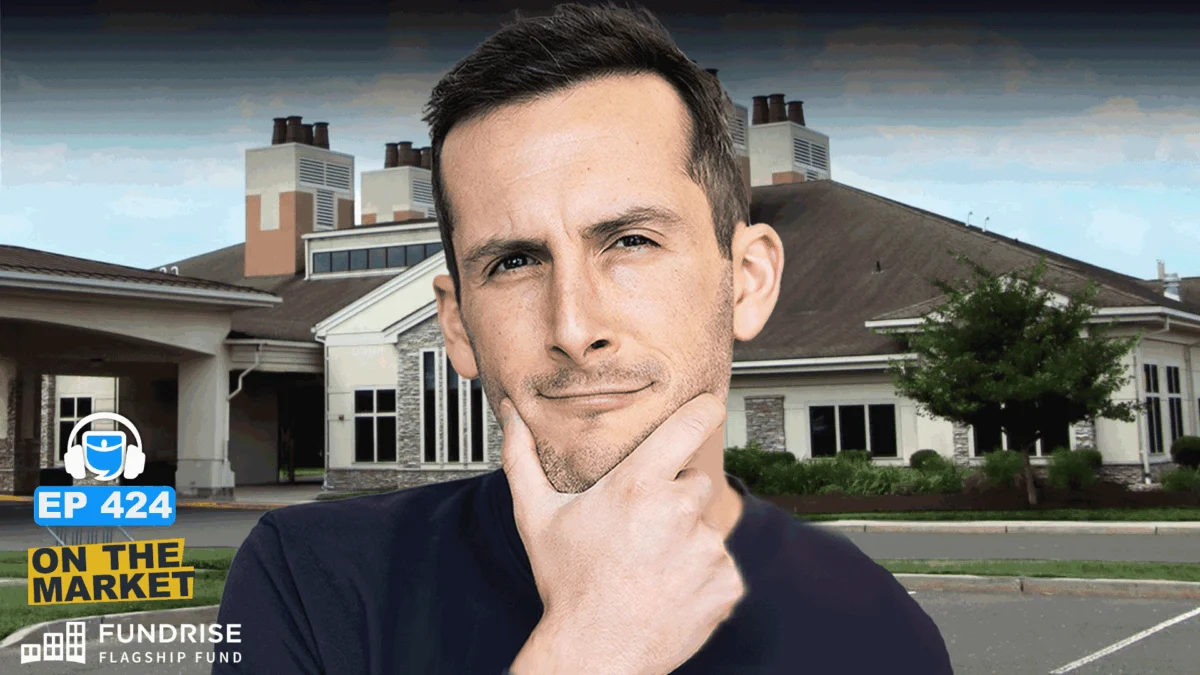
The senior housing market is undergoing a fundamental transformation, shifting from a niche real estate segment into a critical institutional asset class driven by irreversible demographic trends. While often simplified as a "guaranteed" windfall or a prohibitively complex specialty, industry experts suggest the truth lies in the middle: it is a sophisticated operating business requiring precise underwriting and a deep understanding of specialized management. As the United States approaches a historic age cliff, the disparity between the rising demand for senior accommodations and the dwindling supply of new construction is creating a unique, albeit high-stakes, opportunity for real estate investors.
The Demographic Shift: Moving Beyond the Silver Tsunami
For over a decade, the term "Silver Tsunami" has been used to describe the aging of the Baby Boomer generation. However, market analysts and operating experts, including Jerry Vinci, founder of CCR Growth and Nordon, argue that a more accurate metaphor is a "glacier." Unlike a tsunami, which implies a sudden and destructive wave, the aging of the American population is a slow-moving, unstoppable force that has been visible for years but is only now reaching a critical point of impact for the real estate sector.
The demographic data provides a clear timeline for this transition. By 2030, every member of the Baby Boomer generation will be over the age of 65. More significantly for the senior housing sector, the population of individuals aged 85 and older—the primary demographic for assisted living and memory care—is projected to increase by 110% by 2040. Currently, the typical entry age for senior living facilities ranges between 80 and 85. Consequently, the industry is at the precipice of a twenty-year demand cycle that is expected to persist as Millennials eventually follow Boomers into the same age brackets. With approximately 73 million Millennials compared to 71 million Boomers, the infrastructure built today is projected to remain relevant for at least the next four decades.
The Critical Supply Shortage and Market Occupancy
While demand is surging, the supply side of the senior housing equation is facing a severe deficit. To meet the projected needs of the aging population through 2040, the industry must produce between 100,000 and 125,000 units annually. Recent construction data, however, reveals a staggering shortfall. In 2024 and projected into 2025, construction starts have plummeted due to high interest rates and increased capital costs. Reports indicate that in certain quarters, as few as 1,000 to 1,500 units began construction nationwide, with only approximately 20,000 units currently in the active pipeline.
This supply-demand imbalance is already reflecting in national occupancy rates. After 18 consecutive quarters of growth, the national average occupancy for senior housing stood at approximately 89% in late 2024. Projections suggest this figure will exceed 90% by 2026. For investors, this represents a high-occupancy environment with significant pricing power, though the lack of new inventory means that much of the available stock is aging. Approximately 25% to 30% of current inventory is more than 25 years old, necessitating significant capital expenditures for retrofitting and modernization to meet the expectations of modern residents.
Defining the Four Pillars of Senior Housing
Investors looking to enter the space must distinguish between the four primary subcategories of senior housing, each of which carries a different risk profile and operational requirement:
- Independent Living (IL): Often categorized as 55+ housing or "active adult" communities, these facilities focus on lifestyle, downsizing, and socialization. They generally require the least amount of medical oversight.
- Assisted Living (AL): This category provides a higher level of care, assisting residents with daily activities such as bathing, dressing, and medication management. This is a "needs-based" product rather than a "lifestyle-based" one.
- Memory Care: A specialized form of assisted living tailored specifically for residents with Alzheimer’s, dementia, or other cognitive impairments. This requires high staffing ratios and specialized facility design.
- Skilled Nursing Facilities (SNF): These are medical-heavy environments, often referred to as nursing homes. They are heavily regulated and rely significantly on government reimbursements like Medicaid and Medicare.
In addition to these large-scale facilities, a growing "micro-community" model involves residential assisted living (RAL). In this model, investors convert single-family homes into boutique care facilities for five to ten residents. While easier to enter for smaller investors, these boutique operations face the same intense regulatory and staffing challenges as their larger counterparts.
Operational Intensity: The Difference Between Rent and Care
The primary factor that separates senior housing from traditional multifamily real estate is the operational component. In multifamily housing, the real estate itself drives the majority of the value, with management focusing on rent collection and maintenance. In senior housing, the real estate provides the foundation, but the operating business—the care, dining, entertainment, and hospitality—drives the Net Operating Income (NOI).
Industry experts suggest that while multifamily investors are 70% of the way toward understanding senior housing, the remaining 30%—the operations—is where most failures occur. Unlike a 12-month apartment lease, which can often be secured through a digital application, the sales cycle for senior housing is long and emotionally charged. It typically involves multiple tours, family consultations, and a decision-making process that can last six months or longer. Because residents are often moving in during a health crisis, the operator must act as both a salesperson and a compassionate advisor.
Furthermore, the "margin of error" in senior housing is slim. Profitability is tied to the operator’s ability to manage labor costs, which account for a significant portion of expenses, and to maintain high standards of care to avoid regulatory penalties or litigation.
The Marketing Challenge: Navigating Lead Aggregators
A significant risk to the bottom line in senior housing operations is the reliance on third-party lead aggregators. Platforms such as A Place for Mom or Caring.com often dominate search engine results, capturing families at the beginning of their search. These aggregators then distribute that lead to multiple competing facilities simultaneously.
The cost of this convenience is high. When a resident moves in via a third-party aggregator, the facility typically pays a commission equal to the first month’s rent. In portfolios where 80% or more of move-ins are sourced through these aggregators, the impact on annual revenue is substantial. Successful operators are increasingly moving toward "owning their demand infrastructure" by investing in direct-to-consumer marketing and localized outreach, which allows them to capture leads directly and retain a higher percentage of the initial rent.
Strategic Entry Points for Real Estate Investors
For those looking to capitalize on the "Silver Glacier," there are several distinct investment models:
- Triple-Net Leases (NNN): The traditional model where an investor owns the real estate and leases it to an operator for a fixed rent. This insulates the investor from operational volatility but limits their upside.
- Senior Housing Operating Partnerships (SHOP): A more modern structure where the investor and operator share in the profits of the business. This aligns incentives, ensuring the operator is motivated to optimize the building’s performance, but it also exposes the investor to operational risks.
- Real Estate Investment Trusts (REITs): For passive investors, public REITs offer exposure to large-scale, diversified senior housing portfolios without the need for direct management.
- Private Equity and Syndications: These allow for targeted investments in specific developments or acquisitions, often focusing on the "middle market" where affordable senior housing is in shortest supply.
Broader Impact and Implications
The senior housing market is no longer just a real estate play; it is a vital component of the national healthcare infrastructure. As Boomers sell their primary residences to fund their later-year care, the sector will see a massive transfer of wealth from residential equity into the senior living operating space.
However, the "middle market" remains a significant challenge. While luxury independent living facilities are seeing significant investment, there is a profound lack of affordable assisted living options for the "middle-income" senior—those who have too much wealth to qualify for Medicaid but not enough to afford $8,000-per-month private-pay facilities. Experts believe the greatest long-term opportunity lies in developing or retrofitting assets that can serve this demographic efficiently.
The next two decades will likely be defined by a race to build and operate facilities that can handle the sheer volume of the aging population. Investors who prioritize operational excellence and understand the hyper-local nature of the market—where 90% of residents come from a five-to-ten-mile radius—are best positioned to succeed. The senior housing market remains one of the few sectors where the demand is mathematically guaranteed, but the execution remains one of the most difficult challenges in the real estate world.
