

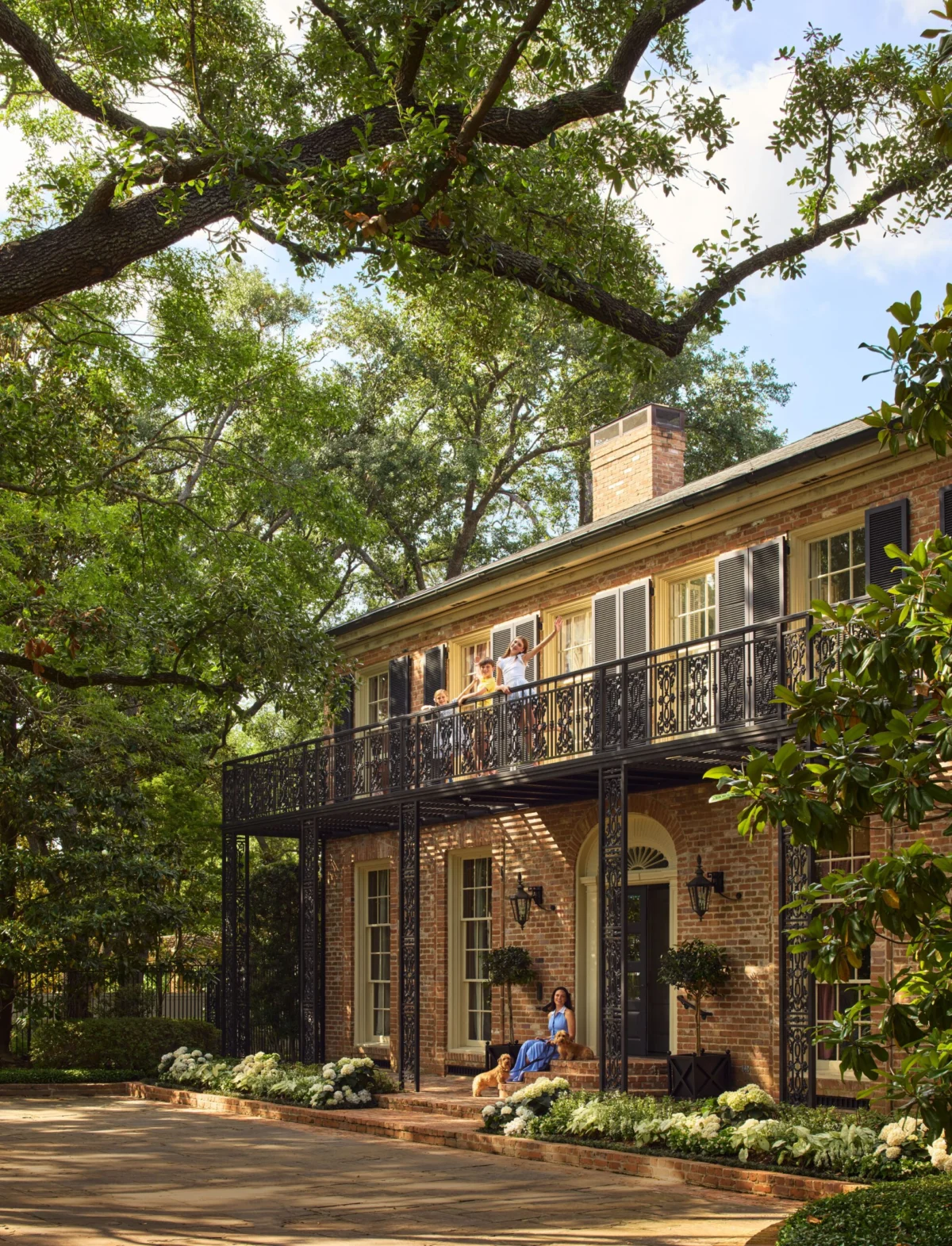
The transformation of a pedigreed late-1930s residence in Houston’s River Oaks neighborhood represents a sophisticated intersection of historical preservation and whimsical modern design. Orchestrated by AD100 designer Virginia Tupker, in collaboration with Houston-based architect Roger M. Cooner and art consultant Illa Gaunt, the project revitalizes a structure designed by the esteemed architect Birdsall P. Briscoe. While the exterior of the home maintains the formal grace characteristic of the Great Depression-era "oil boom" grandeur, the interior has been reimagined as a sanctuary of natural wonder, famously anchored by the homeowners’ affection for squirrels and the lush flora of the Texas Gulf Coast.

Historical Context and Architectural Provenance
To understand the significance of the renovation, one must first look at the architectural legacy of Birdsall P. Briscoe. Practicing during a pivotal era in Houston’s urban development, Briscoe was instrumental in defining the aesthetic of River Oaks, a neighborhood conceived in the 1920s by Will and Mike Hogg. Unlike many American cities that stagnated during the 1930s, Houston experienced a period of "unchecked grandeur" due to the burgeoning oil industry. Briscoe’s work provided the architectural vocabulary for this new wealth, blending European classical influences with the practical requirements of the Southern climate.

The residence in question, completed in the late 1930s, is a prime example of Briscoe’s commitment to traditional proportions and elegant facades. However, such homes often run the risk of feeling "stuffy" or disconnected from contemporary lifestyle needs. Tupker’s challenge was to respect the home’s "gravitas" while infusing it with the "fun and whimsy" requested by the clients. This was achieved not through structural demolition, but through the meticulous application of artisan plasterwork, bespoke furniture, and a curated narrative of flora and fauna.

A Chronology of the Design Process
The renovation journey began with a deep dive into the Briscoe archives. When the clients provided Tupker with a book detailing the architect’s historical designs, she used it as a blueprint for adding appropriate "embellishments." The chronology of the project was defined by several key phases:

- Architectural Refinement: Working with Roger M. Cooner, Tupker identified areas where the original architecture could be enhanced. This included the addition of plaster relief moldings in the octagonal foyer and the study to ensure the new elements felt as though they had "always been there."
- International Sourcing: A significant portion of the design timeline was dedicated to global procurement. Tupker traveled to Paris to meet with Alexia Leleu, the great-granddaughter of the founder of the legendary French design firm Leleu. This led to a year-long development process for custom tapestried sofas and chairs, a style the firm had not produced since the 1950s.
- Artistic Integration: In collaboration with Illa Gaunt, the team integrated a vast collection of antique Audubon prints. These were not merely hung as static art but were arranged in a grid-like "vestibule of surprises," covering both walls and ceilings to create an immersive woodland experience.
- Logistical Execution: The project reached a climax during the installation phase, which included the placement of a pygmy date palm in the living room. The size of the tree required a crane and a team of ten men, illustrating the scale of the "natural wonder" being brought indoors.
The Narrative of Flora and Fauna
The central motif of the home—the squirrel—serves as a playful subversion of the property’s formal pedigree. In the powder-room vestibule, these "fluffy of tail, sprightly of character" creatures appear crawling amidst other woodland animals via the Audubon prints. This theme extends throughout the house, with oak-leaf motifs appearing in the entrance hall’s chandelier and the console tables.

The designer’s intent was to weave nature into the very fabric of the home. This is evident in:

- The Dressing Room: Featuring custom blue-painted doors fitted with Holland & Sherry floral embroidery, designed to mimic vines growing up the cabinetry.
- The Living Room: A diamond-relief plaster wall by Segreto serves as a lattice-like backdrop for the aforementioned pygmy date palm, turning a standard interior space into a glass-less conservatory.
- The Dining Room: Bespoke églomisé scenic mirror panels reflect the green silk pendant shade, blurring the lines between the interior and the "leafy" River Oaks surroundings.
Bespoke Amenities and Theatrical Interiors
Beyond the natural motifs, the home is characterized by a series of "surprise" rooms that cater to the family’s specific lifestyle. These spaces draw inspiration from iconic historical and social landmarks:

The Home Bar: Inspired by the exclusive members-only club 5 Hertford Street in London’s Mayfair, this space is tented in Russian cotton and illuminated by a brass Soane Britain lantern. It offers a sense of European intimacy within the sprawling Texan estate.

The Telephone Closet: In a nod to the "comeback of the landline," Tupker designed a dedicated telephone closet. The aesthetic cues were taken from Diana Vreeland’s legendary "Garden in Hell" living room, featuring vibrant geranium-red fabrics and a custom floral print that evokes the high-fashion maximalism of the mid-20th century.

The Beauty Shop: Modeled after an "old-world" salon in Italy, this on-site facility allows the homeowner to host pre-parties where friends can "get glam" together. This addition reflects a growing trend in ultra-high-end residential design: the inclusion of professional-grade wellness and grooming suites.

Supporting Data and Artisan Collaboration
The success of the renovation relied heavily on a network of specialized artisans and high-end manufacturers. The project’s budget and scale are reflected in the selection of materials and vendors:

- Plasterwork: Segreto and Hyde Park Mouldings provided the fluted walls and bespoke relief ceilings. Artisan plaster is currently seeing a resurgence in luxury design, valued for its durability and the "gravitas" it adds to new or renovated spaces.
- Lighting: Significant pieces were sourced from Soane Britain, including the oak-leaf lanterns and chandeliers. Prices for such bespoke lighting can range from $7,000 to over $18,000, as seen with the Soane Owl Lantern.
- Textiles and Wallcoverings: The home features a "who’s who" of luxury fabric houses, including Holland & Sherry, Le Manach, Matouk, and Marthe Armitage. The use of wood veneer on the walls of the primary bedroom and Vanrenen Hanbury’s wallpaper in the children’s rooms highlights the tactile diversity of the project.
Broader Impact and Design Implications
The "squirrel house," as it might be affectionately termed, represents a broader shift in the interior design industry away from sterile minimalism and toward "maximalist whimsy" rooted in personal narrative. By combining the "serious eye" of historical design with "fun and whimsy," Virginia Tupker has demonstrated that historic preservation does not require the sacrifice of personality.

From a real estate perspective, the renovation adds significant value to the River Oaks property. According to recent market data, homes in this Houston enclave that successfully blend historical provenance with modern, high-spec amenities command a significant premium. The integration of unique features—like the beauty shop and the "Garden in Hell" phone booth—makes the property a "one-of-one" asset.

The homeowner’s final reflection on the project encapsulates the emotional impact of the design: "There’s something that catches your eye at every turn, but there’s nowhere in our house that you can’t sit and put your drink down and your feet up." This balance of theatricality and livability is the hallmark of the AD100 designer’s approach.

Ultimately, the project honors the sentiment of the home’s previous resident, who described the structure as a "magical house." Through the strategic use of flora, fauna, and historical references, Tupker has ensured that the magic is not just a feeling, but a visible, vibrant reality that will endure for the next generation of residents in one of Houston’s most storied neighborhoods.
