


The global energy landscape is currently navigating a period of unprecedented volatility, characterized by fluctuating commodity prices, geopolitical tensions affecting supply chains, and the urgent pressure to transition away from carbon-intensive power sources. Amidst this international turmoil, the province of Quebec has emerged as a resilient hub for renewable energy innovation. Leading this charge is Longueuil-based Innergex Renewable Energy Inc., a company that has recently secured the top position in the prestigious Corporate Knights Best 50 index. This achievement marks a significant milestone for the firm, reflecting a successful strategy of geographic diversification, technological expansion, and a pivot toward long-term private ownership.
This is the second instance in which Innergex—a developer, operator, and owner of renewable energy assets—has been recognized as the number one sustainable corporation in Canada by Corporate Knights. While the company previously held this title in 2023, the 2026 ranking carries additional weight due to a comprehensive overhaul of the index’s scoring methodology. The new criteria place a rigorous emphasis on sustainable revenue and sustainable investment, moving beyond mere policy commitments to measure tangible financial performance derived from green assets. Crucially, the ranking now prioritizes the compound annual growth rate (CAGR) of sustainable revenue, a metric that highlights Innergex’s aggressive and successful expansion over the recent fiscal period.
The Strategic Shift: A $10 Billion Privatization Landmark
The most transformative event in Innergex’s recent history occurred in July 2025, when the company transitioned from a publicly traded entity to a private one. This shift was precipitated by a massive acquisition deal valued at nearly $10 billion, led by the Caisse de dépôt et placement du Québec (CDPQ), the province’s influential pension fund manager. In a strategic move to consolidate Quebec’s leadership in the green economy, CDPQ paid $2 billion to acquire the shares previously held by Hydro-Québec, the provincial utility.
To ensure a robust and diversified capital structure, CDPQ allocated up to 20% of its investment to a consortium of other long-term, institutional investors. This group includes Investissement Québec, which contributed $500 million, alongside Desjardins Global Asset Management and the union-based fund manager Fondaction Asset Management. Furthermore, the deal attracted significant international interest, drawing in 14 Swiss institutional investors. This influx of "patient capital" has fundamentally altered Innergex’s operational philosophy.
According to Innergex CEO Jean Trudel, the transition to private ownership was essential for the company’s capital-intensive business model. Building large-scale energy infrastructure—whether hydroelectric dams, wind farms, or solar arrays—requires decades of planning and execution. The short-term expectations of public equity markets often clash with the long-term horizons of renewable energy projects. By aligning with pension funds and institutional investors who prioritize slow-return, stable growth, Innergex has insulated itself from market shocks and can now focus squarely on its long-term decarbonization objectives.
Chronology of Growth and Diversification
Innergex’s journey from a niche hydroelectric developer to a multi-national renewable powerhouse has been defined by several key phases:
- The Hydroelectric Foundation: For much of its early history, Innergex was synonymous with Quebec’s vast water resources. Its expertise in run-of-river hydro projects provided the cash flow and technical foundation necessary for future expansion.
- Geographic Expansion (2010s–2020s): Recognizing the limitations of a single-market strategy, the company expanded into the United States, France, and Chile. This move was designed to mitigate regulatory risks and tap into different subsidy environments and weather patterns.
- Technological Pivot (2020–2024): Innergex began aggressively adding wind and solar to its portfolio. The integration of these intermittent sources necessitated an early entry into the battery storage market.
- The 2025 Privatization: The $10 billion deal led by CDPQ provided the financial firepower to scale operations and exit the public markets, allowing for a more focused execution of its 12,000-megawatt development pipeline.
- 2026 Corporate Knights Recognition: The company’s top ranking serves as external validation of its restructured business model and its ability to generate high-growth sustainable revenue.
Operational Data and Portfolio Analysis
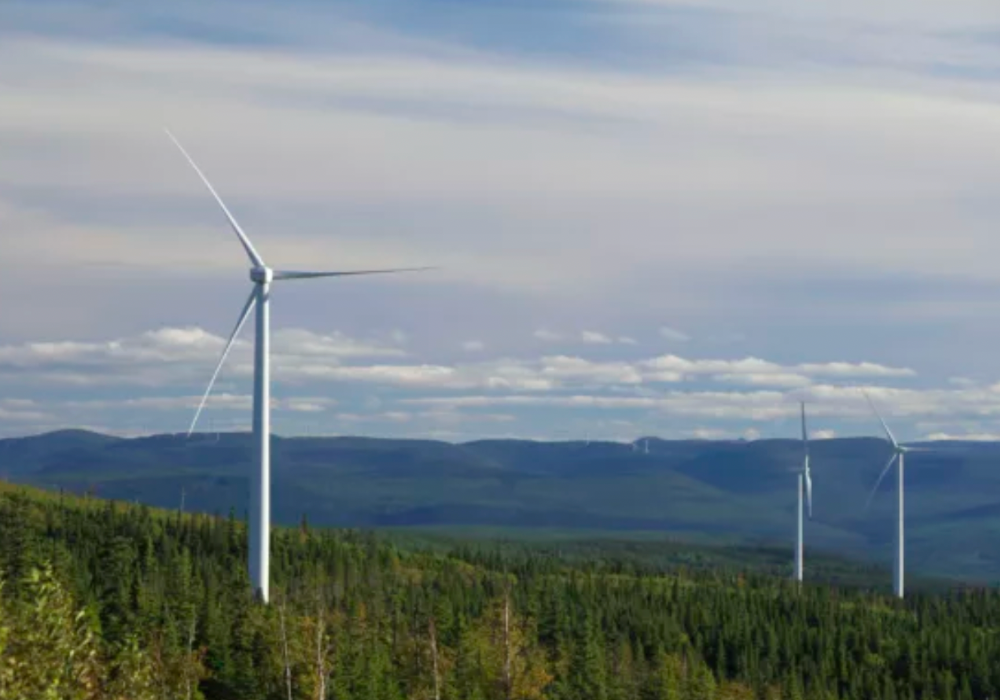
As of early 2026, Innergex’s operational footprint is immense. The company currently produces 4,424 megawatts (MW) of clean energy, enough to power millions of homes across its four primary markets: Canada, the United States, France, and Chile. However, the company’s future growth is even more ambitious. Trudel has confirmed that Innergex has approximately 12,000 MW of projects in the "ready-to-bid" stage, representing a potential tripling of its current capacity.
A significant portion of this growth is expected to come from solar and battery storage. A prime example of this strategy is the Hale Kuawehi project in Hawaii, which became fully operational in 2025. This facility integrates 30 MW of solar photovoltaic capacity with a four-hour battery storage system. Although Innergex has since sold its stake in this specific project, the experience gained has been applied to other markets. In France, the company is collaborating with the Réseau de Transport d’Électricité (RTE) to provide grid-balancing services. This is achieved through the Tonnerre project, a nine megawatt-hour (MWh) battery energy storage system designed to stabilize the national grid during peak demand or supply fluctuations.
In a notable shift in strategy, Innergex has also made the decision to exit the geothermal sector. While geothermal is a reliable source of baseload renewable energy, Trudel explained that its operational requirements are more akin to the mining industry than traditional power generation. The high risks associated with exploratory drilling and the specific technical expertise required for underground resource management led the company to divest these assets and refocus on its core competencies in wind, water, and solar.
International Implications: Decarbonizing the Industrial Sector
Innergex’s expansion into Chile highlights a growing trend in the renewable energy sector: the direct decarbonization of heavy industry. Chile is home to some of the world’s largest mining operations, an industry that is notoriously energy-intensive and traditionally reliant on fossil fuels. Innergex has developed strategic relationships with mining giants such as BHP and Codelco, who are increasingly seeking 100% renewable energy contracts to meet their corporate ESG (Environmental, Social, and Governance) targets.
The ability for a mining company to claim its operations are powered entirely by renewable sources is becoming a significant competitive advantage in global markets, where "green copper" and "green lithium" command premium prices. Innergex’s presence in Chile allows it to provide the stable, large-scale renewable power these industrial giants require, often through a mix of wind and solar combined with storage to ensure 24/7 reliability.
The Domestic Outlook: Solar Expansion in Quebec
While Innergex has found success abroad, its home province of Quebec remains a central pillar of its strategy. Historically, Quebec’s energy grid has been dominated by massive hydroelectric projects managed by the state-owned utility, Hydro-Québec. However, the province is now looking to diversify its own energy mix to meet growing demand and provide flexibility.
In April 2025, Hydro-Québec announced its first major tender call for solar energy generation, targeting 60 different projects across the province. Innergex is well-positioned to capture a significant share of this new domestic market. The company’s deep roots in the province, combined with its international experience in large-scale solar and battery integration, make it a natural partner for the utility’s modernization efforts.
Addressing Market Speculation: The Boralex Question
The privatization of Innergex by CDPQ sparked intense speculation within the Quebec business community regarding a possible merger with Boralex, another Quebec-based renewable energy powerhouse. Both companies share a similar geographic footprint and are significant players in the wind and solar sectors. Furthermore, CDPQ holds substantial interests in both firms, leading analysts to suggest that a "national champion" merger could be on the horizon to create a global behemoth.
However, Jean Trudel has been firm in dismissing these claims. He clarified that there is no anticipation of a merger, noting that CDPQ’s mission is to stimulate the local economy and protect multiple Quebec-based businesses. By supporting two independent leaders in the sector, the pension fund encourages competition and innovation, while ensuring that the province maintains several "seats at the table" in the global energy transition. Trudel emphasized that the Caisse’s support for both Innergex and Boralex is not contradictory but rather a strategic diversification of its own investment portfolio.
Conclusion: A Blueprint for the Sustainable Future
The rise of Innergex to the top of the Corporate Knights Best 50 index is more than just a corporate success story; it is a case study in the evolution of the renewable energy industry. By moving away from the volatility of public markets and embracing "patient capital," Innergex has secured the financial stability required to build the infrastructure of the future.
The company’s success is built on three pillars: technological diversification (integrating battery storage with wind and solar), geographic reach (operating across four continents), and strategic partnerships (collaborating with both state utilities and heavy industry). As the world moves closer to its 2030 and 2050 climate targets, the demand for Innergex’s expertise and capacity is only set to increase.
With a 12,000 MW pipeline and the backing of some of the world’s most stable institutional investors, Innergex is no longer just a Quebec utility company; it is a global leader in the transition to a low-carbon economy. As Trudel noted, the combination of strong demand, a solid market position, and "deep pockets" for long-term investment suggests that Innergex’s bright future is only just beginning. The company stands as a testament to the fact that sustainability and high-growth profitability are not mutually exclusive, but are increasingly the two sides of the same coin in the modern global economy.
