

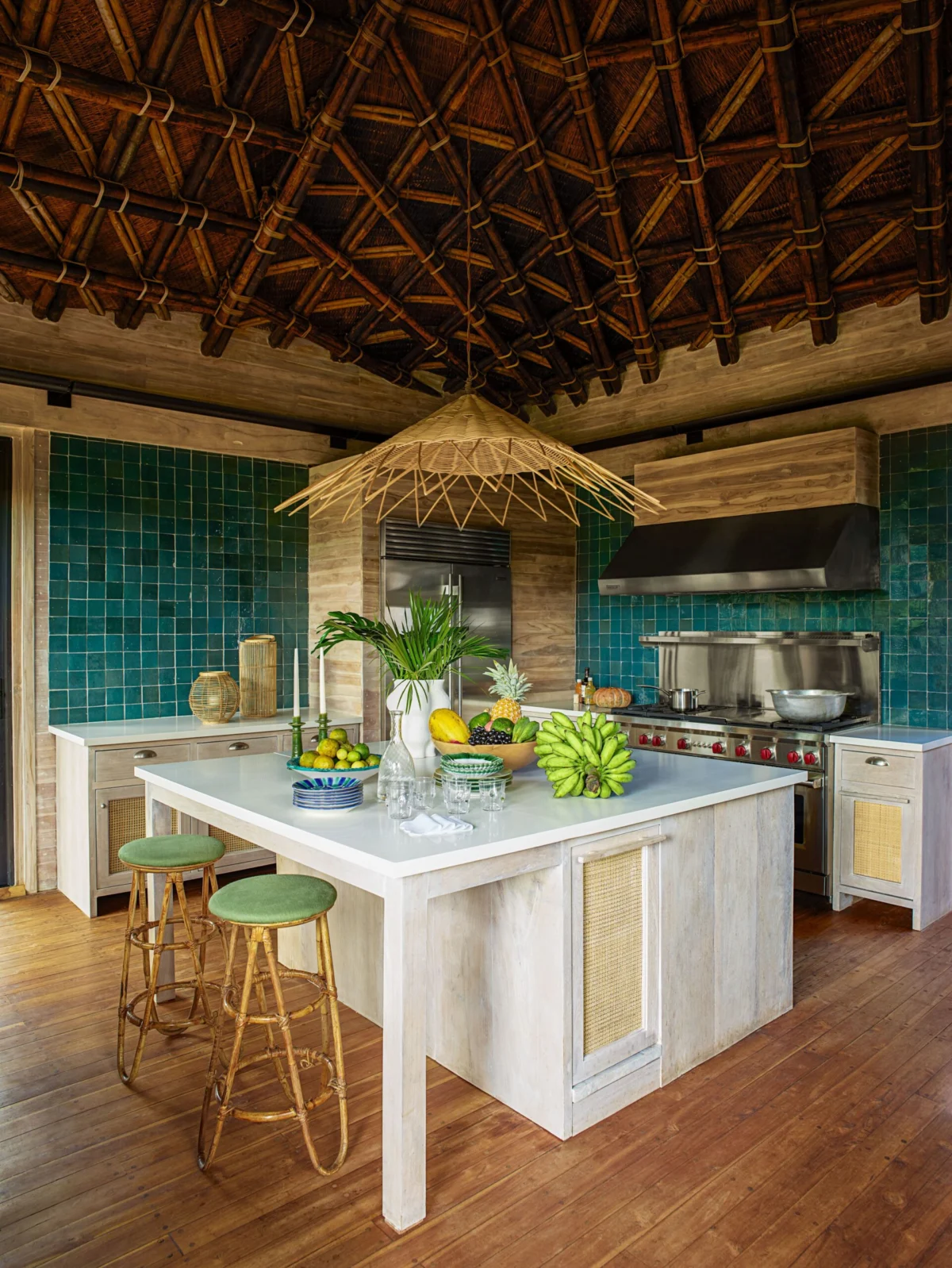
The tradition of outdoor dining has long been a staple of summer social calendars, yet it has historically presented a logistical challenge regarding the safety and durability of table settings. For decades, hosts were forced to choose between the aesthetic appeal of fragile porcelain and the environmental waste of disposable paper products. However, melamine tableware has undergone a significant transformation, shedding its reputation as a flimsy material reserved for nurseries and beach shacks to become a centerpiece of high-end outdoor design. As homeowners increasingly invest in elaborate backyard kitchens and "alfresco" living rooms, the demand for shatterproof dinnerware that mimics the weight and luster of ceramic has catalyzed a design renaissance in the plastics industry.

The Scientific and Regulatory Framework of Melamine Tableware
Melamine is a nitrogen-based organic compound that, when combined with formaldehyde, creates a durable thermosetting plastic resin. This material is prized for its heat resistance, structural integrity, and ability to take on vibrant pigments and complex textures. Despite its utility, the material has faced scrutiny regarding chemical migration. In response to consumer concerns, the U.S. Food and Drug Administration (FDA) has conducted extensive safety assessments on melamine tableware.
The FDA’s findings indicate that melamine does not migrate from tableware into most foods under normal conditions. However, the agency provides specific parameters for safe usage. Risk increases when the material is subjected to extreme heat, such as in a microwave or oven, or when it comes into contact with highly acidic foods over prolonged periods. Specifically, the FDA warns that the chemicals can leach into food if heated to temperatures exceeding 160 degrees Fahrenheit. Consequently, while melamine is approved for serving hot meals, it is strictly categorized as non-microwaveable. For the modern consumer, this trade-off is often deemed acceptable in exchange for a plate that can survive a drop onto a stone patio or a poolside deck.

Historical Context and the Design Renaissance
The trajectory of melamine in the American household began in the post-war era of the 1940s and 50s. Brands like Melmac became synonymous with the "Space Age" aesthetic, offering colorful, lightweight sets that represented the technological optimism of the time. By the late 1970s and 80s, however, the material fell out of favor in high-design circles, relegated to institutional use in hospitals and schools due to its perceived "cheapness."
The current resurgence of melamine is driven by a shift in manufacturing techniques that allow for "ceramic-glaze" finishes and organic, irregular shapes that are virtually indistinguishable from hand-thrown stoneware. Leading interior designers, including Leanne Ford and Molly Mahon, have collaborated with major retailers to bring sophisticated palettes—ranging from minimalist monochromatic schemes to vibrant, textile-inspired patterns—to the outdoor market. This evolution reflects a broader trend in "tablescaping," where the visual presentation of a meal is considered as vital as the cuisine itself.
.jpeg)
Curated Market Analysis of Leading Melamine Collections
As the summer season reaches its peak, several brands have distinguished themselves by blending the resilience of melamine with high-concept artistry. These selections represent the diverse aesthetic movements currently dominating the outdoor living sector.
The Artisanal and Traditional Influence
For consumers seeking a bridge between classical porcelain and modern durability, Lenox has adapted its historic reputation for fine china into the melamine space. The Lenox Blue Bay collection utilizes painterly stripes and artisanal rim details to evoke the feeling of the Italian coastline. Notably, the brand offers a "Replacement Promise," an unusual feature in the plastic dinnerware market that underscores the product’s intended longevity. Similarly, Juliska’s collaboration with Cabana features scalloped edges and sunburst patterns that cater to the "Grandmillennial" aesthetic, proving that shatterproof materials can still possess a sense of whimsy and delicate craftsmanship.
.jpeg)
Coastal and Earthy Aesthetics
Pottery Barn and West Elm have focused on the tactile experience of dinnerware. The Pottery Barn Larkin collection employs a specialized glaze effect that provides depth and sheen, mimicking the reflective quality of traditional ceramics. In contrast, West Elm’s Sandia collection targets the "terra-cotta devotee." By incorporating slight speckling and irregular, "hand-thrown" shapes, these plates provide a relaxed, grounded atmosphere suitable for informal backyard gatherings while maintaining a high level of visual sophistication.
Minimalist and Designer-Led Innovation
The minimalist movement is represented by CB2’s Palacio set, which features sleek, raised sides reminiscent of Michelin-starred restaurant plating. This all-white approach appeals to hosts who prefer the food to be the focal point of the table. On the designer front, Leanne Ford’s "Range" collection for Crate & Barrel brings a signature black-and-white high-contrast look to the outdoors. These pieces are direct translations of her popular ceramic lines, allowing for a seamless transition between indoor and outdoor entertaining without a loss of brand identity.
.jpeg)
Bold Maximalism and Tropical Themes
The partnership between Farm Rio and Anthropologie highlights the "maximalist" trend, utilizing tropical prints, parrots, and palm fronds to create a vacation-like atmosphere. These designs leverage melamine’s ability to hold saturated colors better than many natural materials. Furthermore, the collaboration between Meri Meri and Molly Mahon introduces textile-inspired patterns and subtle scalloped edges, appealing to a younger demographic that values bold, Instagram-ready tablescapes.
The Economic Impact of the Outdoor Living Market
The rise of premium melamine is intrinsically linked to the booming outdoor living industry. According to market research data, the global outdoor furniture and decor market was valued at approximately $17 billion in 2020 and is projected to exceed $22 billion by 2027. This growth was accelerated by the COVID-19 pandemic, which forced a re-evaluation of residential outdoor spaces as primary areas for socialization and leisure.
.jpeg)
As consumers invested in high-end grills, pizza ovens, and weather-resistant sofas, the demand for "elevated essentials"—including high-quality tableware—followed suit. Retailers have reported that melamine sales now represent a significant portion of their seasonal revenue, with many customers purchasing full 18-piece sets, such as the iconic 1970s-inspired Heller Max collection, to accommodate large-scale hosting.
Environmental Considerations and Sustainability
In an era of heightened environmental awareness, the use of melamine presents a complex sustainability profile. On one hand, the material is a plastic derivative, raising concerns about microplastics and the long-term impact of non-biodegradable waste. On the other hand, the durability of high-quality melamine offers a significant advantage over single-use paper and plastic alternatives.
.jpeg)
A single set of melamine plates can last for decades, preventing thousands of disposable plates from entering landfills. Environmental advocates suggest that while melamine is not a "green" material in the traditional sense, its "reusable" nature aligns with the circular economy’s goals of reducing waste through product longevity. However, the industry faces ongoing pressure to develop bio-based resins that offer the same durability without the reliance on formaldehyde-based compounds.
Broader Implications for the Future of Entertaining
The rehabilitation of melamine’s image reflects a broader cultural shift toward "functional luxury." Modern homeowners are increasingly unwilling to sacrifice style for practicality, leading to a market where the boundaries between indoor and outdoor aesthetics are blurred. The success of these stylish, unbreakable options suggests that the future of dining is one of flexibility.
.jpeg)
As we look toward future seasons, we can expect further technological integration in tableware manufacturing, potentially including smarter materials that can better regulate food temperature or incorporate even more sustainable chemical compositions. For now, the defense of melamine rests on its unique ability to weather the elements with ease, allowing the host to focus on the social experience of the meal rather than the fragility of the vessels serving it. Whether through the lens of a Space Age essential or a designer-approved coastal plate, melamine has firmly established itself as a cornerstone of the modern American lifestyle.
