

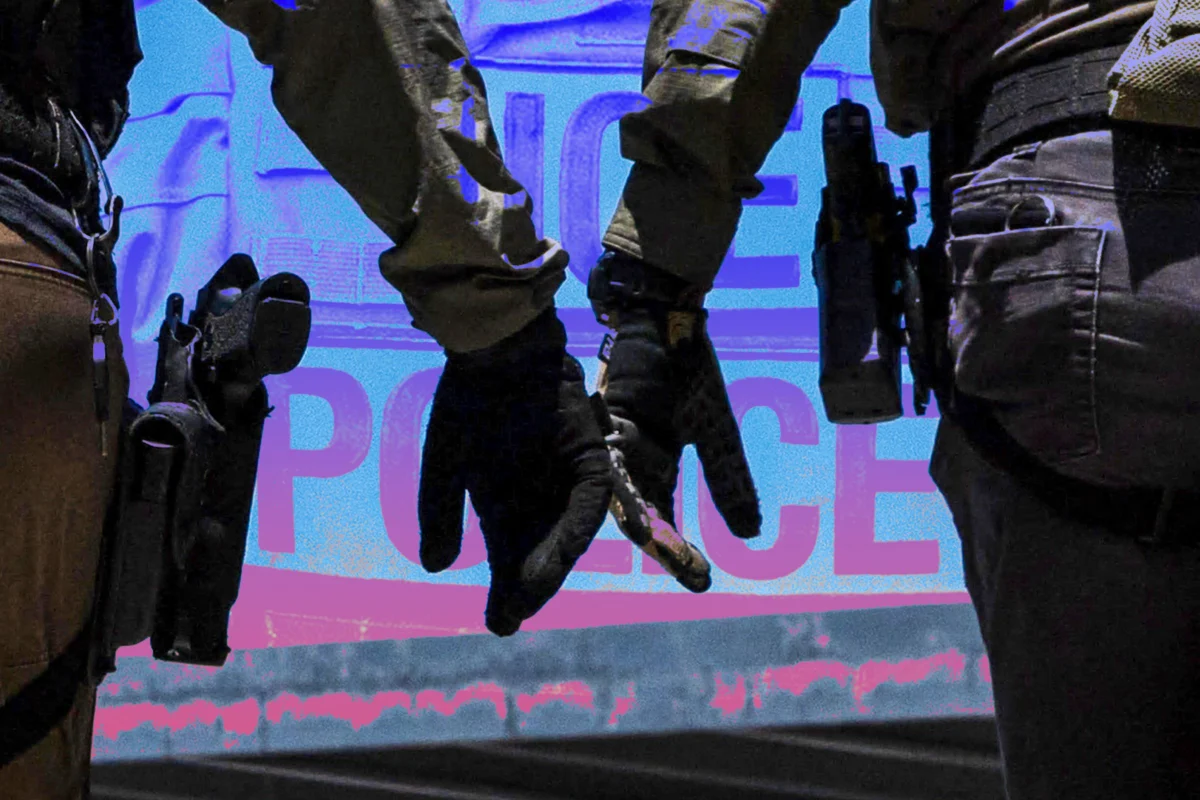
U.S. Immigration and Customs Enforcement (ICE) is poised to significantly expand its arsenal of specialized law enforcement equipment, with recent federal procurement records revealing plans to spend up to $20 million by March on high-tech gloves designed to deliver debilitating electrical shocks. The Department of Homeland Security (DHS) published a notice earlier this week outlining the acquisition of these devices, known formally as the Generated Low Output Voltage Emitter, or "The GLOVE." Manufactured by the Kentucky-based firm Compliant Technologies, the procurement marks a substantial investment in "pain compliance" technology, a move that has sparked immediate debate among civil rights advocates and law enforcement analysts regarding the ethics and safety of such tools in immigration detention and enforcement settings.
The GLOVE is categorized as a Conductive Distraction and De-escalation Device (CD3). Unlike traditional Conducted Energy Weapons (CEWs) like Tasers, which are designed to cause full neuromuscular incapacitation (NMI) by overriding the central nervous system, The GLOVE utilizes a method described by the manufacturer as "neuro-peripheral interference." This technology targets the sensory nerves rather than the motor nerves, creating an intense localized pain response intended to distract the subject and compel compliance without the full-body "lockup" associated with high-voltage probes.
Technical Specifications and Operational Mechanics
The GLOVE functions as a standard pair of tactical patrol gloves until the operator activates the electrical component via a switch located on the wrist. When engaged, conductive pads positioned on the palms and the undersides of the fingers transmit high-frequency electrical pulses directly into the subject upon physical contact. The system is powered by a microprocessor and a rechargeable battery housed within a zippered compartment on the cuff.
According to technical manuals from Compliant Technologies, the device operates within a voltage range that varies by model. The Gen 3 and Gen 4 versions operate between 210 V and 380 V, while the Gen 5 model increases the minimum threshold to 324 V, maintaining the same 380 V maximum. This voltage is significantly lower than the 50,000 volts typically associated with a Taser discharge, yet the manufacturer claims the high-frequency nature of the pulse ensures compliance in under three seconds.
The device is designed to be "operator safe," meaning the electrical current flows only between the pads on the glove and the subject’s skin. This configuration theoretically prevents the officer wearing the glove, or any other officers assisting in the restraint, from feeling the shock. The battery life is substantial, with Gen 3 and 4 models capable of providing up to two hours of stimulation time, while the Gen 5 model offers 90 minutes. The batteries are rated for 2,000 charge cycles and feature a four-stage LED display to monitor power levels in 25 percent increments.
Accountability and Data Tracking Features
One of the more modern aspects of the GLOVE Gen 4 and Gen 5 models is the integration of "activation event" logging. In an era of increased scrutiny over law enforcement’s use of force, these models are equipped to record the specific date, hour, minute, and duration of skin contact for every instance the device is activated.
The Gen 4 model utilizes a removable microSD card for data storage, while the Gen 5 model features internal memory accessible via a USB-C connection. This data is intended to create a digital audit trail for after-action reporting, allowing supervisors to verify that the use of force was consistent with departmental policy. Furthermore, the manufacturer mandates that all users undergo a certification process, with recertification required every two years to ensure proficiency and adherence to safety protocols.
Operational Limitations and Environmental Factors
Despite its high-tech nature, the GLOVE has specific physical limitations. The primary requirement for effectiveness is direct contact with the subject’s bare skin. Compliant Technologies notes that the electrical pulse cannot penetrate dry clothing or thick layers of hair. However, the device remains effective through thin, moisture-laden fabrics, such as wet T-shirts.
Environmental durability is another consideration. While the gloves are rated to operate in temperatures ranging from 14 to 122 degrees Fahrenheit, they are not waterproof. Submerging the gloves in water will likely render the electrical components inoperable, a factor that could limit their utility in certain outdoor or maritime enforcement scenarios often encountered by ICE and Border Patrol agents.
A Chronology of Procurement and Use
The adoption of the GLOVE by ICE is the latest step in a multi-year trend of law enforcement agencies seeking alternatives to lethal force and traditional stun guns.
- Early 2010s: Compliant Technologies begins developing CD3 technology as a "bridge" between verbal commands and higher-level physical force.
- 2017-2019: Small-scale adoption begins in municipal jails and rural sheriff departments across the United States. Proponents argue the gloves reduce injuries to both officers and inmates during cell extractions.
- 2021-2023: Federal agencies begin reviewing the efficacy of wearable conductive devices. DHS starts evaluating tools that allow for "hands-on" control without the risks of probe-based Tasers, which can cause secondary injuries from falls.
- Late 2024: The DHS publishes a notice of intent to spend up to $20 million on GLOVE units for ICE, signaling a massive scale-up in deployment.
- March 2025: The deadline for the initial $20 million expenditure, marking the expected completion of the first major rollout phase.
Human Rights Concerns and Ethical Analysis
The move to equip ICE agents with shock gloves has drawn sharp criticism from international human rights monitors. Michael Crowley, a senior researcher at the Omega Research Foundation, has expressed deep concern over the fundamental design of the GLOVE. The Omega Research Foundation, which specializes in tracking the manufacture and trade of "torture technology," argues that devices relying on pain compliance are inherently prone to abuse.
"CD3 technology inflicts pain as its primary mechanism of control," Crowley stated. "While the company markets it as a de-escalation solution, the reality is that it is a tool designed to influence human behavior through the application of physical agony. We consider it an inherently abusive technology."
Critics argue that because the GLOVE leaves no visible marks, burns, or scars—a point the manufacturer highlights as a benefit—it may lower the threshold for the use of force. Without the physical evidence of a Taser’s probes or the bruising of a baton strike, there are concerns that the device could be used excessively or punitively in the privacy of detention centers without adequate oversight.
Broader Implications for Law Enforcement Policy
The $20 million contract represents more than just a hardware purchase; it reflects a broader shift in the philosophy of immigration enforcement and custodial management. By investing in wearable shock technology, ICE appears to be prioritizing tools that allow for continuous physical contact while maintaining a high level of control over a subject.
From a policy perspective, the implications are twofold:
- Risk Mitigation vs. Escalation: Proponents argue that the GLOVE prevents the need for more injurious force, such as strikes or the use of chemical agents (pepper spray), which can contaminate entire rooms and affect bystanders. They argue that localized pain is a safer alternative for subduing a combative individual in a crowded or confined space.
- The "Low-Profile" Force Dilemma: Because the GLOVE looks like standard equipment, its use is less visually provocative than drawing a firearm or a Taser. While this may prevent the escalation of a crowd’s emotions, it also makes the use of force less visible to observers and cameras, potentially complicating the public’s ability to hold officials accountable.
Conclusion and Future Outlook
As the March deadline for the $20 million expenditure approaches, the deployment of the GLOVE will likely remain a focal point of discussion regarding the militarization of civil enforcement agencies. The balance between officer safety and the humane treatment of detainees remains a delicate one.
The success or failure of this rollout will likely be measured by the data recorded in the "activation event" logs of the Gen 5 models. If the data suggests a reduction in overall injuries during enforcement actions, other federal agencies may follow ICE’s lead. Conversely, if reports of abuse or "pain-compliance" torture surface, the DHS may face significant legal and political pressure to roll back the program.
For now, the GLOVE stands as a symbol of the modern law enforcement paradox: a tool designed to be "non-lethal" and "safe," yet one that functions through the deliberate application of electrical pain. As ICE agents begin training with these devices, the international community and domestic oversight bodies will undoubtedly be watching closely to see how this $20 million investment transforms the landscape of American immigration enforcement.
