

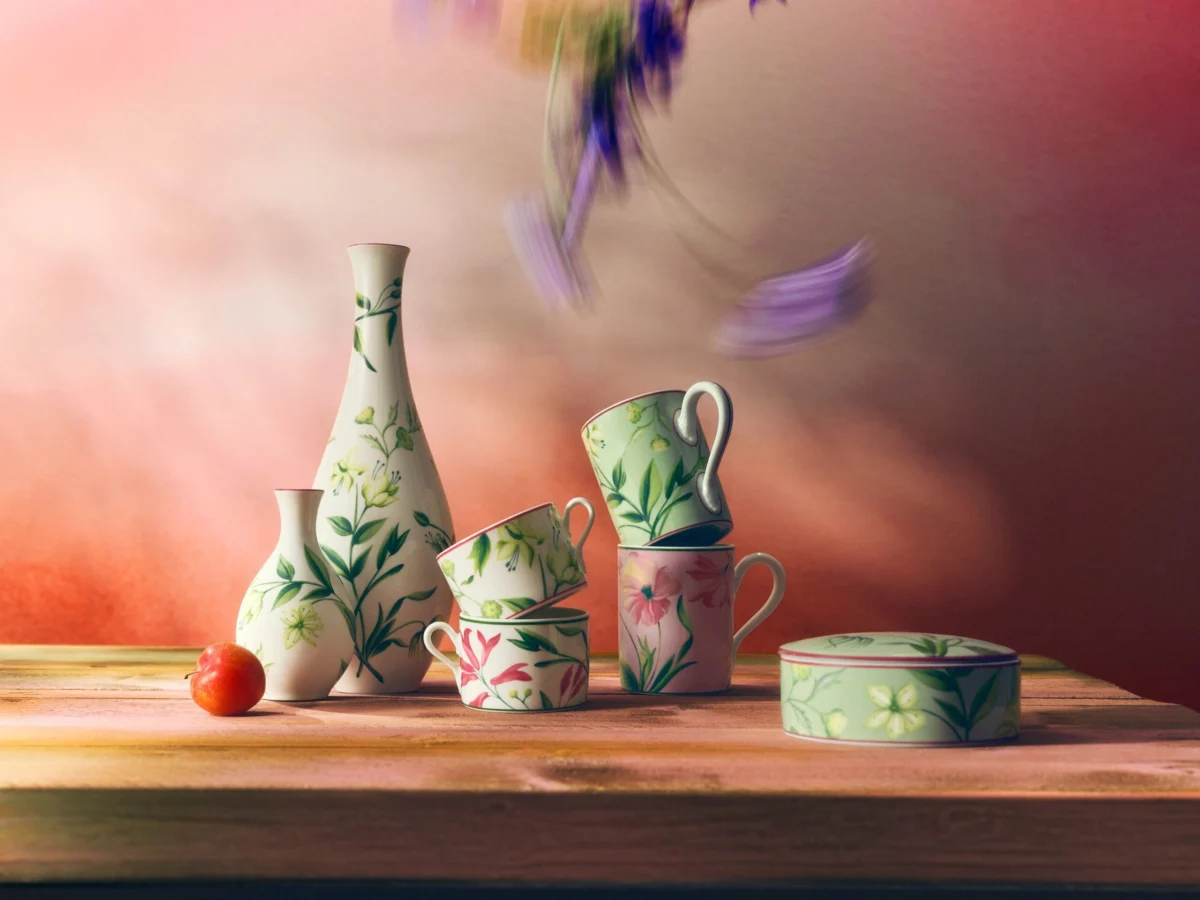
The landscape of luxury homeware has undergone a seismic shift in the digital age, transitioning from a sector defined by stuffy heritage to one fueled by viral aesthetics and social media "clout." At the center of this transformation is Ginori 1735, the Italian porcelain manufactory formerly known as Richard Ginori. Once a brand synonymous with the dusty china cabinets of the European aristocracy, the self-described "Ferrari of tableware" has successfully pivoted to become a ubiquitous status symbol for a younger, digitally native demographic. Whether appearing on TikTok "For You" pages, curated wedding registries, or the tables of high-fashion editorials, the brand’s vibrant, two-tone plates and chinoiserie-inspired motifs have redefined what it means to own "fine china" in the 21st century.
The Strategic Evolution of a Heritage Giant
The resurgence of Ginori 1735 is not a product of chance but the result of a calculated rebranding effort and a series of high-profile corporate maneuvers. Founded in 1735 by Marquis Carlo Andrea Ginori in Doccia, just outside Florence, the manufactory was the first of its kind in Italy. For nearly three centuries, it produced exquisite porcelain that graced the tables of royalty and earned a permanent place in global museums. However, by the early 21st century, the company faced significant financial headwinds.

In 2013, the brand was on the brink of bankruptcy when it was acquired by Gucci, then under the umbrella of the Kering Group, for an estimated 13 million euros. This acquisition marked the beginning of a revitalization project led by former Gucci creative director Alessandro Michele. Michele, known for his maximalist aesthetic and reverence for historical romance, recognized the untapped potential in the Ginori archives. Under his guidance, the brand began to blend its classical Italian craftsmanship with a bold, contemporary color palette. In 2020, the company officially rebranded as Ginori 1735, a move designed to emphasize its long heritage while signaling a fresh, lifestyle-oriented direction.
A Chronology of Reinvention and Design
The history of Ginori 1735 is a timeline of artistic innovation punctuated by strategic leadership changes:
- 1735: Marquis Carlo Andrea Ginori establishes the Doccia Manufactory.
- 1896: The company merges with the industrialist Giulio Richard’s firm, becoming Richard Ginori.
- 1923–1933: Architect and designer Gio Ponti serves as creative director. Ponti is credited with modernizing the brand’s aesthetic, introducing Art Deco influences and classical motifs that remain best-sellers today.
- 2013: Gucci (Kering Group) acquires the company, saving it from liquidation.
- 2015: Alessandro Michele begins integrating Ginori designs into Gucci’s brand ecosystem, sparking a renewed interest in luxury porcelain.
- 2020: The brand officially renames itself Ginori 1735 and expands into home fragrances and decor.
- 2023–2024: The brand expands its global footprint with the opening of "Cafe Ginori" locations, including a high-profile residency at Bergdorf Goodman in New York.
The "Oriente Italiano" Phenomenon and the Power of Archives
The cornerstone of Ginori’s modern success is the "Oriente Italiano" collection. This specific line features the "Antico Doccia" shape—a late 18th-century design characterized by its curved edges—overlaid with a stylized floral motif known as the "Garofano" (carnation). By rendering this traditional pattern in a kaleidoscope of vibrant colors like malachite green, iris purple, and porpora pink, the brand created a product that feels simultaneously ancient and avant-garde.

Mieke ten Have, a New York-based interior designer and author, notes that the brand’s success lies in its ability to avoid "reinventing the wheel." Instead, Ginori 1735 looked inward, reimagining existing motifs for a generation that had previously rejected the formal dining standards of their parents and grandparents. This "Grandmillennial" aesthetic—a trend favoring traditional patterns, needlepoint, and floral prints—found its perfect match in Ginori’s archival prints.
According to Tori Mellott, creative director of Tuckernuck Home, the demand for these pieces is unprecedented. Tuckernuck reports that the Oriente Italiano pattern, particularly in malachite and pink, consistently tops their sales charts. "Because we’ve seen such strong numbers, we continue to broaden our assortment of Ginori 1735 pieces," Mellott stated, noting that the trend shows no signs of waning.
Cultural Cachet Through High-Profile Collaborations
The brand’s ascent to "internet favorite" status has been bolstered by a sophisticated marketing strategy centered on cultural partnerships. Ginori 1735 has moved beyond the kitchen to align itself with the worlds of cinema, fashion, and luxury hospitality.

- Cinema and Celebrity: Director Sofia Coppola, known for her highly aestheticized films like Marie Antoinette, is a confirmed fan and collaborator. Her endorsement has cemented the brand’s association with a specific type of "effortless" luxury. Other celebrities, such as Jake Gyllenhaal, have served as the face of the brand, bringing a masculine and modern edge to a traditionally feminine category.
- Fashion Partnerships: Collaborations with fashion labels like Khaite and artists such as Luke Edward Hall have introduced the brand to a younger, style-conscious audience. Hall’s "Il Viaggio di Nettuno" collection, which features Greco-Roman mythological figures in whimsical, hand-drawn styles, has become a staple in the homes of design influencers.
- Luxury Hospitality: Partnerships with the St. Regis hotel chain and the opening of Cafe Ginori have allowed consumers to experience the brand in a curated environment. The Cafe Ginori at Bergdorf Goodman, for instance, serves food on layered, mixed-and-matched plates, encouraging customers to experiment with their own table settings.
Market Data and the Rise of "Tablescaping"
The "Ginori effect" is part of a larger boom in the luxury homeware market, which has seen significant growth since 2020. Market analysts attribute this to the pandemic-era shift toward home-centric spending. As social lives moved from restaurants to private dining rooms, "tablescaping"—the art of creating elaborate, decorative table settings—became a dominant social media trend.
Data from the luxury retail sector suggests that homeware is no longer viewed as a one-time bridal purchase but as a recurring fashion accessory. Consumers are increasingly likely to buy individual pieces to mix and match rather than investing in a single 50-piece set. This behavior aligns with Ginori’s product strategy, which emphasizes "layers" of color and pattern.
Fashion editor Bella Gerard Fayne, who included Ginori in her own wedding registry, explains the appeal: "It’s rare for something so vibrant, colorful, and whimsical to be elevated and timeless." Fayne’s sentiment reflects a broader consumer shift: the desire for luxury items that are functional enough for daily use but distinctive enough to serve as a conversation piece.

Broader Implications for Heritage Brands
The success of Ginori 1735 provides a blueprint for other heritage brands struggling to remain relevant in a fast-paced market. By leveraging the prestige of the "Made in Italy" label and combining it with the marketing muscle of a luxury conglomerate like Kering, Ginori has avoided the fate of other porcelain manufacturers that have faded into obscurity.
The brand’s expansion into home fragrances, candles, and furniture suggests a move toward becoming a comprehensive "lifestyle" brand. This diversification reduces reliance on the tableware market and allows the brand to occupy more space in the consumer’s home.
Furthermore, Ginori’s resurgence highlights the importance of the "archive" in modern luxury. In an era of fast fashion and disposable goods, the 300-year history of the Doccia manufactory provides a sense of permanence and authenticity that new brands cannot replicate. By treating its history as a living resource rather than a static burden, Ginori 1735 has ensured its place at the table for centuries to come.

Conclusion: The New Standard of Tabletop Luxury
As Ginori 1735 continues to dominate social media feeds and high-end retail spaces, it is clear that the brand has transcended its origins as a porcelain manufacturer. It is now a symbol of a new era of domesticity—one where tradition is celebrated through a lens of irony, color, and personal expression. For the younger generation of devotees, a Ginori plate is more than just a dish; it is a piece of art, a link to Italian history, and a definitive marker of contemporary taste. Whether used as a catch-all for keys or the centerpiece of a formal dinner, Ginori 1735 has proven that with the right branding, even the oldest names can become the newest trends.
