

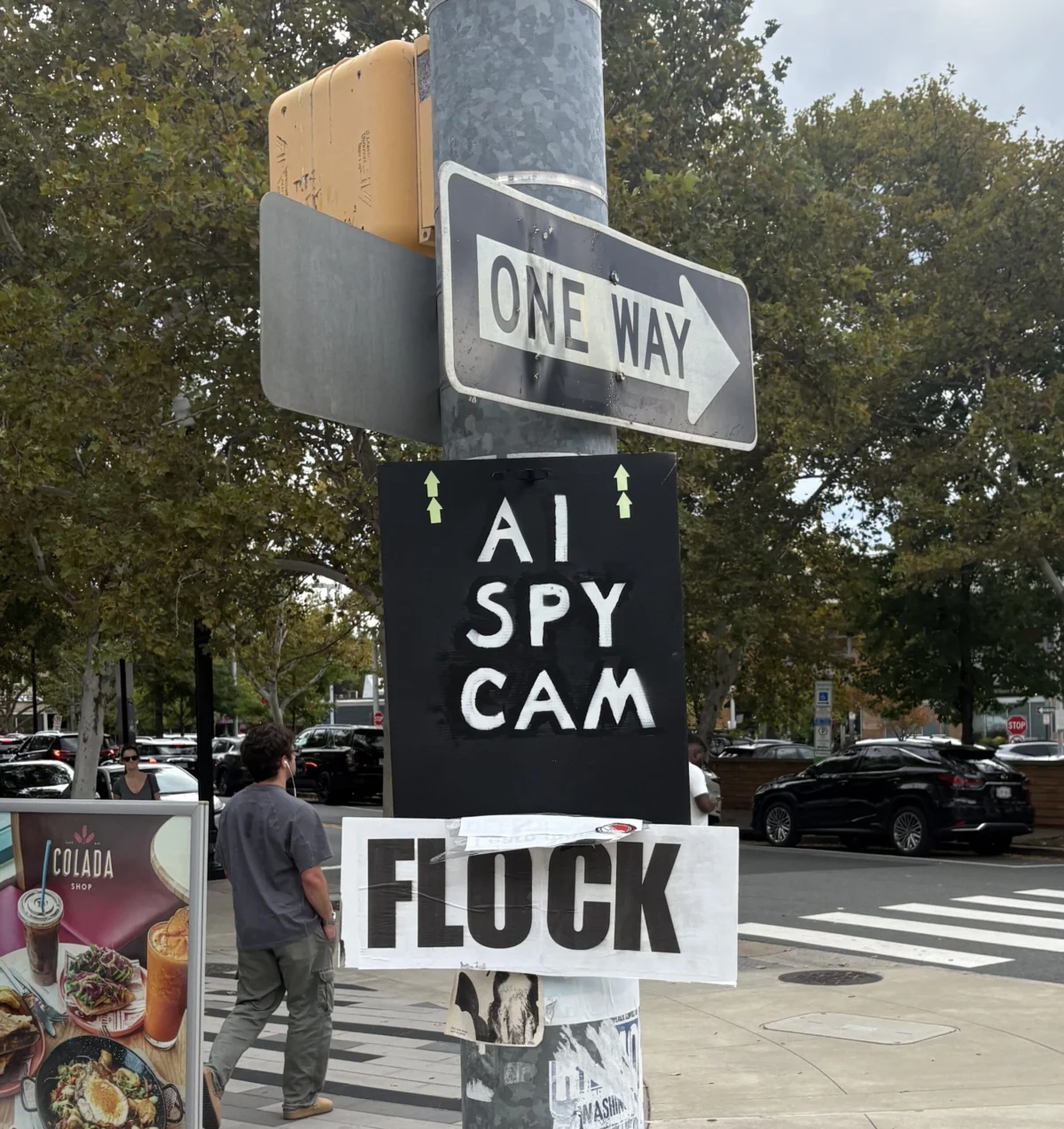
Flock Safety, the prominent and often controversial provider of automated license plate recognition (ALPR) technology, has officially initiated a program offering "generous" voluntary severance packages to its workforce of approximately 1,500 employees. The move, first reported by Wired, comes as the Atlanta-based startup grapples with a perfect storm of public relations crises, reports of systemic technology misuse by law enforcement, and a rapid exodus of municipal and state-level clients. According to internal communications, the company expects a significant portion of its staff to express interest in the buyouts, signaling a strategic attempt to downsize and reset internal morale without resorting to immediate involuntary layoffs.
The internal announcement described the severance packages as the most substantial the company has ever offered, designed to provide a "soft landing" for employees who no longer feel aligned with the company’s mission or are demoralized by the ongoing national debate surrounding mass surveillance. While the specific financial details of the packages have not been made public, the offer is being extended to a majority of the workforce, particularly those in roles that may face redundancy as the company’s growth trajectory flattens in response to shrinking market share and heightened regulatory scrutiny.
The Catalyst: A Summer of Institutional Retraction
The decision to offer buyouts is not an isolated corporate maneuver but the culmination of a disastrous fiscal quarter for the surveillance giant. In August 2026, a landmark investigative report by The Washington Post sent shockwaves through the industry. The investigation identified at least 46 documented cases in which police officers were accused of utilizing Flock’s vast camera network for personal and illicit reasons. These cases included allegations of officers stalking former romantic partners, tracking the movements of estranged spouses, and monitoring individuals without any legitimate law enforcement justification.
The fallout from these revelations was instantaneous. Advocacy groups and privacy watchdogs, who had long warned about the lack of oversight inherent in private surveillance networks, found new momentum. In August alone, an anti-surveillance advocacy group identified 90 cities that terminated their contracts with Flock Safety—a 400% increase compared to the previous month. This mass departure of municipal clients suggests a growing unease among local city councils regarding the legal and ethical liabilities associated with hosting Flock’s hardware on public streets.
The crisis escalated further when state-level officials began to intervene. Florida and Texas, two of the company’s largest markets, recently announced plans to suspend or entirely block the use of Flock cameras on state-controlled roadways, citing significant privacy concerns and the potential for federal civil rights litigation. The loss of these key territories represents a substantial hit to Flock’s recurring revenue model, which relies on annual subscription fees for each camera deployed.
Internal Turmoil and the "Morale" Crisis
Flock Safety CEO Garrett Langley has been candid about the internal toll these external pressures have taken. During a recent appearance on the All-In podcast, Langley admitted that the "biggest damage" caused by the ongoing backlash has been to "internal morale." For a company that has long marketed itself as a tool for "eliminating crime" and "protecting neighborhoods," the shift in public perception—from a safety provider to a privacy threat—has created a rift within the company’s culture.
The voluntary buyout program is viewed by industry analysts as a tactical move to prune "demoralized" staff members who may be struggling with the ethical implications of their work or the company’s current trajectory. By allowing employees to leave voluntarily with a financial cushion, Flock aims to maintain a core group of "true believers" while simultaneously reducing its burn rate. However, Wired’s report suggests that if the voluntary departures do not reach a certain threshold, the company will "almost certainly" be forced to implement involuntary layoffs to keep the business viable amid its shrinking client base.
A Chronology of Flock Safety’s Rise and Friction
To understand the gravity of the current situation, it is necessary to examine the rapid ascent of Flock Safety. Founded in 2017, the company quickly distinguished itself by offering affordable, solar-powered ALPR cameras that could be installed almost anywhere. Unlike traditional high-end surveillance systems that cost tens of thousands of dollars, Flock’s "Falcon" cameras were marketed at a fraction of the price, allowing small homeowners’ associations (HOAs) and local police departments to build expansive monitoring networks.

- 2017–2020: Flock Safety experiences exponential growth, securing venture capital funding and expanding into thousands of neighborhoods across the United States. Its marketing focus remains on solving "non-violent" property crimes.
- 2021–2023: The company begins aggressively partnering with law enforcement agencies, integrating its data with the FBI’s National Crime Information Center (NCIC). Privacy advocates, including the ACLU, begin raising alarms about the "privatization of the police state."
- 2024–2025: Flock introduces new features, including "Raven" audio sensors for detecting gunshots and advanced search capabilities that allow users to track vehicles by specific traits like bumper stickers or roof racks.
- Early 2026: Legal challenges mount in several states regarding the legality of private companies capturing data on public roads without explicit legislative frameworks.
- August 2026: The Washington Post investigation into police stalking cases is published, triggering a wave of contract cancellations.
- September 2026: Florida and Texas announce bans; Flock Safety offers voluntary buyouts to its 1,500-person staff.
Supporting Data and the Cost of Surveillance
The sheer scale of Flock’s network is part of why the current backlash is so significant. At its peak, the company claimed its cameras were capturing data on over 1 billion vehicles per month. This data was not just stored locally but was often shared across a "transparency portal," allowing different law enforcement agencies to track a single vehicle across state lines in real-time.
The financial implications of the current exodus are staggering. With 90 cities dropping the service in a single month and two major states halting operations, the projected revenue loss is estimated to be in the tens of millions of dollars. Furthermore, the cost of hardware removal and the potential for "breach of contract" lawsuits from municipalities could further drain the company’s reserves.
Industry data suggests that the ALPR market, which was once projected to grow at a compound annual growth rate (CAGR) of 10% through 2030, is now facing a period of stagnation. Investors who once flocked to "Safety Tech" are now demanding more rigorous compliance and auditing features, which Flock has struggled to implement quickly enough to stem the tide of cancellations.
Official Responses and Industry Implications
Flock Safety has maintained that its technology is a net positive for society. In various statements, the company has emphasized that its systems are responsible for recovering thousands of stolen vehicles and assisting in the capture of violent offenders. Regarding the misuse by police officers, the company has stated that it provides "audit trails" that allow departments to see who accessed what data and when. However, critics argue that these audit trails are reactive rather than proactive, and they do little to prevent the initial privacy violation.
The broader implications for the surveillance industry are profound. Flock Safety’s current predicament serves as a cautionary tale for other startups in the AI and surveillance space. It highlights a growing "privacy fatigue" among the American public and a demand for legislative guardrails that have not kept pace with technological innovation.
Legal experts suggest that the "Flock effect" may lead to new federal legislation. Currently, there is no federal law governing the use of ALPR technology, leaving a patchwork of state laws that vary wildly. The recent actions in Texas and Florida may embolden other states to pass "Right to Privacy" acts that specifically target the long-term storage of location data captured by private entities on behalf of the government.
Analysis of Future Viability
As Flock Safety attempts to navigate this crisis, its path forward remains uncertain. The voluntary buyout program is a temporary measure to stabilize the ship, but it does not address the fundamental issue: a loss of public and institutional trust. To survive, the company may need to undergo a radical pivot, perhaps moving away from the "mass surveillance" model toward a more targeted, consent-based security framework.
However, the "generous" nature of the severance packages suggests that the company’s leadership is preparing for a significantly smaller footprint. If a large portion of the 1,500 employees takes the buyout, Flock will lose a massive amount of institutional knowledge and technical talent at a time when it needs to innovate its way out of a PR disaster.
For now, the tech industry is watching closely. The rise and potential stumble of Flock Safety represents a pivotal moment in the intersection of technology, law enforcement, and civil liberties. Whether the company can rebrand itself as a responsible steward of data or if it will become a relic of an era of unchecked surveillance growth remains to be seen. What is clear is that the "move fast and break things" ethos of Silicon Valley has met a formidable opponent in the form of constitutional privacy concerns and the very real human consequences of technology misuse.
