

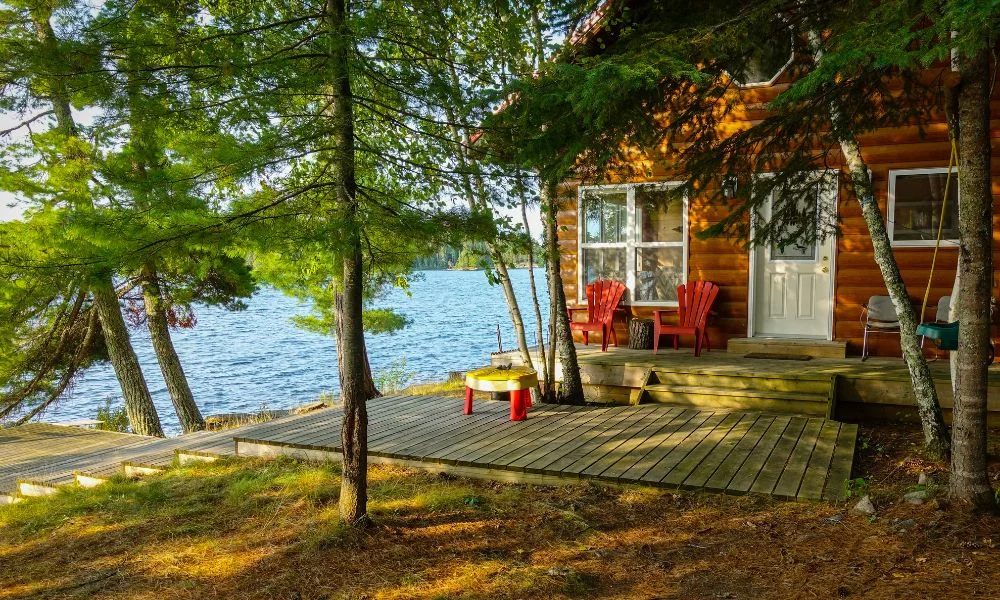
The quintessential Canadian summer retreat, whether known as a cottage, cabin, or camp, is more than just a physical asset; for many families, it represents a repository of cherished memories, a cornerstone of intergenerational connection, and a significant component of their financial legacy. However, this beloved vacation property, a source of immense joy, can simultaneously present a complex challenge for financial planners and families navigating the intricacies of wealth and estate planning. The inherent emotional weight of these properties, often intertwined with deeply held expectations about future family gatherings and inheritance, frequently clashes with the practical financial realities and the divergent visions of different generations. This confluence of sentiment and solvency creates a fertile ground for potential discord, making the family vacation property a potent case study in the art of comprehensive family wealth planning.
The financial considerations surrounding these properties are multifaceted and often demanding. For the current generation of owners, the ongoing costs of maintenance, the escalating burden of property taxes, particularly in desirable vacation locales, and the potential transition of the property into a primary residence post-retirement are all critical factors that require careful evaluation. For the subsequent generation, the prospect of inheritance introduces a significant hurdle: the management of potentially substantial capital gains taxes. Advisors who guide clients owning such properties find themselves at the intersection of emotional management and intricate estate planning, a scenario that demands a delicate and strategic approach.
Laurel Marie Hickey, Senior Wealth Advisor and Senior Portfolio Manager at iii Global Wealth of Wellington-Altus Private Wealth Inc. in Calgary, emphasizes the deeply personal nature of these discussions. "The cottage isn’t a real estate conversation; it’s a family conversation that involves real estate," she states. "People focus on the memories, and their memories shape their vision of the place. But you have to deal with people who might not have the same vision. So we always talk about it in our meetings, because those conversations always end differently than they started." This sentiment underscores the necessity of proactive and open dialogue to bridge generational divides in perception and expectation.
Unpacking the Cottage Conversation: Beyond Bricks and Mortar
Hickey’s approach to addressing the complexities of family vacation properties begins with foundational discussions about insurance, estate plans, and wills. It is within these broader conversations that the cottage inevitably emerges, providing a crucial opening to address the expectations of inheritors. She frequently encounters scenarios where parents make unilateral decisions regarding the property’s future, such as designating one child as the sole recipient without prior consultation, or conversely, expecting all children to share ownership and responsibility when only one possesses the inclination or capacity to do so. Hickey leverages these situations to initiate more in-depth financial planning discussions that specifically incorporate the vacation property into the overall wealth strategy.
These dialogues also serve as a vital platform for advisors to deconstruct underlying financial assumptions that families may hold about their vacation homes. Some clients envision retiring to their cottage, selling their primary residence to offset costs. While this strategy might offer some capital gains tax advantages on the principal residence, any appreciation the vacation property has already experienced will still be subject to taxation upon its eventual disposition. Furthermore, Hickey highlights the significant and often underestimated costs associated with maintaining and renovating remote properties, which can far exceed those of urban or suburban residences. These escalating expenses are contributing to a notable shift in the vacation property market, according to David Little, Senior Wealth Advisor at Blue Oceans Private Wealth of iA Private Wealth in Burlington.
"I’ve got three or four clients right now that are looking to sell. They’re trying to sell their cottage," Little observes. "The problem is that they can’t sell them because there’s so many on the market." This glut of properties for sale suggests a growing trend of owners seeking to divest themselves of their vacation homes, driven by a confluence of economic and lifestyle factors.
A Reckoning and a Reset: The Evolving Landscape of Vacation Properties
Little identifies several key factors contributing to the increasing inclination to sell vacation cottages. Foremost among these are property taxes. While historically lower in rural and remote areas, these taxes have seen substantial increases in many popular cottage destinations, adding a significant carrying cost. Beyond taxes, the sheer cost and labor involved in maintaining a property, especially one that may be unoccupied for extended periods, weigh heavily on owners. The eventual complexities of estate settlement, coupled with concerns about aging in a remote location further from immediate medical facilities, also play a crucial role.
Compounding these practical concerns is a discernible cultural and generational shift away from traditional cottage living. A cohort of potential inheritors may have little to no personal connection to or interest in maintaining the property, especially if they reside in distant urban centers or even different countries. Little notes, "It’s kind of funny that the number of clients I have, the children don’t live anywhere near them anymore. You know, we have clients who have children living in California, they’re living in British Columbia, they’re living in Nova Scotia. They’re living down in the United States. They don’t live in this area. So they don’t really see the cottage as a place to keep as the family homestead, like you would have seen in the 50s and 60s and 70s." This geographic dispersal diminishes the emotional pull of the cottage as a central family hub, making its continued ownership a less compelling proposition for younger generations.
For retired clients who express a desire to spend less time at their cottage, Little often advises them to consider selling. He frames this decision through the lens of opportunity cost, prompting clients to weigh the value of their remaining time and energy. "Would they rather spend time at the cottage or travelling, while they have the time, money, and energy to do so?" This reframing often prompts a pragmatic realization that the optimal use of their retirement years might lie elsewhere, leading to the decision to part with the vacation property.
Navigating the Emotional Currents: Managing Expectations for a Harmonious Future
In instances where families opt to retain the vacation property and require assistance with estate planning, both Little and Hickey acknowledge the deeply emotional nature of the process. Little views managing these emotional decisions as one of the most challenging aspects of an advisor’s role. He suggests that grounding these conversations in the finite realities of time and financial resources can help to depersonalize the decision-making process, leading to more rational outcomes.
Hickey champions a strategy of complete openness and extensive dialogue to ensure all stakeholders in the family have a clear understanding of what to expect regarding the cottage. She believes that the most significant error advisors can make is leaving assumptions unaddressed. When crucial conversations are avoided or postponed, they create fertile ground for interpersonal strife that can gradually erode family bonds.
"There’s the financial impact, but there’s the human impact," Hickey elaborates. "You’re going to have a lot of ups and downs with that, and it might just change the taste that you have for this thing that you love so much, and the memories that you had. Now you have a new memory when you’re looking at the property or whatever it might be at the cabin. And it’s not the enjoyment, it’s the strife that it took you to get there. Having the conversations early on is the fix."
The implications of these evolving dynamics extend beyond individual families. The increasing number of vacation properties on the market, coupled with a potentially shrinking pool of interested buyers, could lead to a recalibration of values in certain recreational real estate markets. Financial institutions and wealth management firms are increasingly recognizing the need for specialized guidance in this area, developing resources and advisory frameworks to help clients navigate these complex emotional and financial landscapes. The future of the family vacation property in Canada will likely be shaped by a growing awareness of the need for proactive, transparent, and emotionally intelligent planning, ensuring that these cherished assets continue to foster joy rather than become sources of lasting family discord.
