

The U.S. House of Representatives on Tuesday overwhelmingly passed a significant affordable housing bill, voting 358-32 in favor of the measure designed to lower housing costs for American families and limit the burgeoning influence of institutional investors in the residential real estate market. The legislation now heads to President Donald Trump’s desk, marking a rare instance of broad bipartisan consensus in an increasingly polarized Congress. The Senate had previously approved the package on Monday night by a commanding 85-5 margin, underscoring the widespread recognition of the nation’s pressing housing affordability crisis.
The "21st Century ROAD to Housing Act": A Comprehensive Approach
Dubbed the "21st Century ROAD to Housing Act" (H.R. 6644), the legislation represents a multifaceted effort to address a complex challenge that has seen homeownership become increasingly out of reach for millions of Americans. At its core, the bill targets two primary drivers of the affordability crisis: an acute shortage of housing supply and the growing presence of large-scale corporate investors in the single-family home market.
One of the bill’s most significant provisions is a cap on the number of single-family homes institutional investors can acquire, setting the limit at 350 properties. This measure directly responds to growing concerns that private equity firms, hedge funds, and other large corporate entities have been aggressively purchasing single-family homes, often outbidding individual homebuyers with all-cash offers. This trend, particularly exacerbated in the wake of the 2008 financial crisis and during periods of low interest rates, has been linked to rapidly escalating home prices, diminished housing stock for traditional buyers, and the conversion of owner-occupied homes into rental properties. Proponents argue that by curbing this speculative buying, the bill aims to level the playing field for first-time homebuyers and families seeking to establish roots in communities, thereby restoring a more equitable market dynamic.
Beyond investor limits, the Act also seeks to alleviate the housing shortage by reducing regulatory burdens that often impede new construction. While the specifics of "red tape" reduction can vary, they typically encompass streamlining cumbersome zoning laws, accelerating permitting processes, and reforming land-use regulations that often add significant time and cost to housing development. These reforms are intended to incentivize builders to increase the pace and volume of housing construction, thereby boosting supply to meet surging demand. The long-term undersupply of housing units in the United States, estimated by some analyses to be in the millions, has been a critical factor in the escalating costs across various metropolitan areas and suburban communities. By making it easier and less expensive to build, the legislation hopes to unlock new development and gradually ease market pressures.
House Speaker Mike Johnson (R-LA) lauded the bill’s passage, emphasizing its potential to restore the "American Dream" of homeownership. "With final passage of the 21st Century ROAD to Housing Act, Congress is paving a path back to homeownership for American families who have been locked out for far too long," Johnson stated after the vote. "This transformational legislation will help address the housing affordability problem, reduce regulations so builders can build, limit institutional investing in the housing market, and bring the American Dream back into reach for millions of young and working families." His remarks underscored the bipartisan belief that the legislation is a vital step toward making housing more accessible and affordable for working-class and middle-income families.
A Journey Through Congress: Bipartisan Triumph in a Divided Era
The journey of the 21st Century ROAD to Housing Act through Congress highlights a rare instance of significant bipartisan collaboration in an era characterized by deep political divisions. The bill’s path was not without its complexities, involving months of debate and multiple iterations that "ping-ponged" between the House and Senate as lawmakers ironed out differences. A final deal on the legislation was struck just last week, paving the way for its swift passage in both chambers.
The robust support for the bill—358 votes in the House and 85 in the Senate—is a testament to the universal recognition of the housing crisis as a national priority. In a political climate where major legislation often struggles to garner even narrow majorities, the broad consensus around this bill signals a shared commitment to addressing a tangible issue affecting constituents across the political spectrum. This cooperative spirit stands in stark contrast to the legislative stalemates and partisan gridlock that frequently define Capitol Hill, offering a glimmer of hope for future collaborative efforts on other critical issues.
For Democrats, the bill aligns with their long-standing commitment to economic equity and addressing the challenges faced by working families. For Republicans, it taps into core principles of reducing regulatory burdens and fostering an environment where individual economic aspirations, such as homeownership, can be realized. The bipartisan nature of the bill is also a strategic win for both parties, allowing them to demonstrate effective governance and responsiveness to voter concerns ahead of upcoming elections.
The Political Calculus: 2026 Midterms and Voter Concerns
The timing and bipartisan enthusiasm for the housing bill are inextricably linked to the political landscape, particularly with the 2026 midterm elections looming. Housing affordability has emerged as a top-tier concern for voters across the nation, alongside inflation and the economy. The relentless rise in housing costs, coupled with high interest rates, has squeezed household budgets, making it increasingly difficult for individuals and families to save for down payments or afford monthly mortgage payments. This economic pressure transcends partisan lines, affecting constituents in every state and district.
Both Democrats and Republicans are acutely aware of the political capital to be gained from addressing such a salient issue. Republicans, currently holding narrow majorities in both the House and Senate, are keen to protect their positions, and demonstrating legislative success on a bread-and-butter issue like housing affordability is a key strategy. Similarly, Democrats can point to their willingness to work across the aisle to deliver tangible results for American families. The legislation provides both parties with a compelling talking point on the campaign trail, allowing them to highlight their efforts to alleviate financial burdens and "bring the American Dream back into reach."
The emphasis on housing also reflects a broader understanding of its impact on generational wealth and economic mobility. For many Americans, homeownership is the primary vehicle for building equity and securing financial stability. When this pathway is obstructed, it can have far-reaching societal consequences, contributing to wealth disparities and hindering economic growth. By passing this bill, Congress aims to send a clear message to voters that their concerns about housing are being heard and acted upon.
The Dissenting Voices: Conservative Opposition and the SAVE America Act
Despite the overwhelming bipartisan support, the housing legislation did encounter resistance from a faction of conservative hardliners within the House Republican caucus. A total of 32 Republicans ultimately voted against the bill, largely due to its failure to include a controversial election integrity measure known as the SAVE America Act.
The SAVE America Act is a proposed federal election bill that would mandate voter identification at the ballot box and require proof of citizenship to register for elections. This legislation is a priority for former President Donald Trump, who has consistently urged Congress to approve it, often citing concerns about election security. However, the bill has faced significant opposition from Democrats and even some Republicans, who argue that such measures could disenfranchise eligible voters, particularly minorities and those with limited access to identification. Crucially, the SAVE America Act, despite advancing out of the House in February, lacks sufficient votes to clear the Senate, making its inclusion in any broader legislative package a non-starter for many.
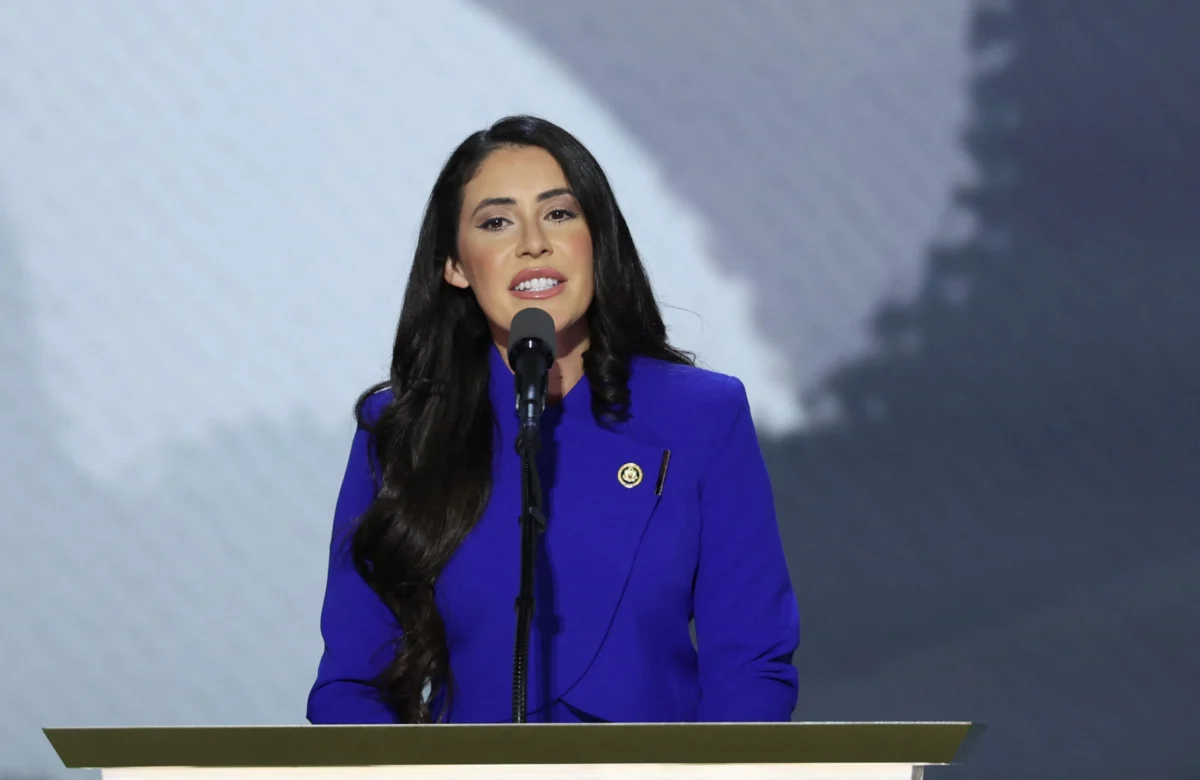
Representative Anna Paulina Luna (R-FL) emerged as a vocal critic of the housing bill’s advancement without the election measure. On Tuesday, Luna took to X (formerly Twitter) to express her frustration, threatening to "jam up the House floor" if GOP leaders proceeded with a plan to fast-track the housing bill using a procedure known as "suspension." This procedure allows for expedited consideration of a measure but requires a two-thirds majority for passage, making broad bipartisan support essential. Luna’s posts highlighted the internal tensions within the Republican Party, where some members prioritize specific conservative agenda items even at the expense of broader legislative consensus.
"The House GOP is attempting to move a Senate Bill with NO VOTER ID and NO SAVE AMERICA ACT. I will have to be a NO on rules for this week (and maybe even longer) if they don’t stop the games. I am not the only one. Other House Members are frustrated at the games being played. This is a problem," Luna posted. Her opposition, and that of the 31 other Republicans, underscored a deeper philosophical divide within the party, where a segment of conservatives views legislative victories as secondary to the advancement of specific cultural or electoral reforms, even if those reforms lack the necessary support to become law. This dynamic frequently complicates legislative strategy for House leadership, who must navigate the demands of various factions within their caucus.
Presidential Action and Future Outlook
President Trump is scheduled to sign the 21st Century ROAD to Housing Act into law at the Capitol on Wednesday, ahead of a planned meeting with Senate Republicans. This ceremonial signing will cap a successful legislative push and allow the administration to take credit for addressing a critical national issue.
While the bill’s passage is a significant step, its ultimate impact on the housing crisis will depend on several factors, including the effectiveness of its implementation and the broader economic environment. Housing economists and policy analysts generally view the legislation as a positive development, a "step in the right direction," but caution that it is unlikely to be a "silver bullet" for a problem as complex and deeply rooted as housing affordability.
The 350-home cap on institutional investors, for instance, will need careful monitoring. While it aims to curb the largest players, institutional investors may adapt their strategies, potentially finding loopholes or shifting focus to other segments of the market. Furthermore, the impact of reducing regulatory burdens on construction will vary by locality, as many of the most restrictive zoning and permitting laws are enacted at the state and municipal levels. The federal government’s role in incentivizing local reforms will be crucial.
Moreover, the housing market remains subject to macroeconomic forces, including interest rates, inflation, and overall economic growth. While the bill addresses supply and demand imbalances and investor influence, it cannot entirely insulate the market from these broader trends. Sustained efforts to increase housing supply, combined with stable economic conditions, will be necessary to achieve long-term affordability.
The legislation’s passage represents a rare moment of unity and decisive action on a pressing domestic issue. Its success or failure in alleviating the housing crisis will be closely watched by millions of American families and will undoubtedly play a role in shaping the political narratives leading into the 2026 midterm elections.
