

In a rare display of bipartisanship, the U.S. House of Representatives on Tuesday overwhelmingly approved a comprehensive affordable housing bill, sending the critical legislation to President Donald Trump’s desk for signature. The measure, officially titled the "21st Century ROAD to Housing Act" (H.R. 6644), passed with a commanding vote of 358-32, signaling a broad consensus on the urgent need to address the nation’s escalating housing affordability crisis and curb the growing influence of institutional investors in the residential market. This legislative victory follows months of intricate negotiations and represents a significant step forward for millions of American families struggling to achieve the dream of homeownership amidst record-high prices and limited inventory.
A Legislative Journey Culminating in Bipartisan Success
The passage of the 21st Century ROAD to Housing Act marks the culmination of an arduous legislative journey characterized by extensive debate and compromise across the deeply divided chambers of Congress. The bill’s path began with various iterations circulating between the House and Senate, each undergoing rigorous scrutiny and amendment. The final version emerged last week after a crucial breakthrough in negotiations, demonstrating a shared commitment from both Republican and Democratic leadership to deliver tangible relief to their constituents.
The Senate had already given its resounding approval to the package on Monday night, passing it by an equally impressive margin of 85-5. This near-unanimous support in both chambers underscores the gravity of the housing crisis and the widespread recognition among lawmakers that inaction was no longer an option. The bill’s success stands as a testament to the potential for cross-party cooperation on issues of national importance, even in an era often defined by partisan gridlock. President Trump is scheduled to formalize the legislation into law during a signing ceremony at the Capitol on Wednesday, ahead of a planned meeting with Senate Republicans, as confirmed by House Speaker Mike Johnson’s office.
Key Provisions of the 21st Century ROAD to Housing Act
The 21st Century ROAD to Housing Act is designed to tackle the multifaceted challenges contributing to the housing affordability crisis through a combination of regulatory reform and market intervention. At its core, the legislation aims to:
-
Reduce Regulatory Burdens for Builders: A significant component of the bill focuses on streamlining bureaucratic processes and reducing "red tape" that often inflates construction costs and delays housing projects. Local and federal regulations, including zoning restrictions, permitting delays, and environmental reviews, have long been cited by developers as major impediments to increasing housing supply. By addressing these regulatory hurdles, the Act seeks to incentivize and accelerate the construction of new homes, thereby boosting inventory and alleviating supply-side pressures on prices. This could include provisions encouraging more standardized building codes, faster permit approvals, and incentives for municipalities to relax restrictive zoning ordinances that limit density.
-
Limit Institutional Investing in Single-Family Homes: Perhaps one of the most impactful and politically resonant provisions of the Act is its attempt to rein in the burgeoning presence of institutional investors in the single-family housing market. The legislation proposes capping the number of single-family homes that institutional investors can purchase at 350. This cap is a direct response to concerns that large corporations and private equity firms have been outbidding individual homebuyers, particularly first-time buyers and those in lower to middle-income brackets, driving up prices and converting owner-occupied homes into rental properties.
The rise of institutional investors in the housing market accelerated significantly after the 2008 financial crisis, as they acquired distressed properties in bulk. More recently, a surge in investor purchases, often paying in cash above asking price, has exacerbated inventory shortages and affordability issues in many regions. While the exact mechanics of enforcing the 350-home cap (e.g., whether it’s an aggregate limit, an annual acquisition limit, or applies to specific types of investors) will be crucial, the intent is clear: to level the playing field for individual families seeking to buy a home. Proponents argue this measure will help restore market balance and ensure that single-family homes remain accessible for owner-occupancy.
-
Promote Homeownership and Affordability: Beyond specific caps and regulatory changes, the overarching goal of the Act is to pave a path back to homeownership for American families. Speaker Mike Johnson articulated this vision in a statement after the vote: "With final passage of the 21st Century ROAD to Housing Act, Congress is paving a path back to homeownership for American families who have been locked out for far too long. This transformational legislation will help address the housing affordability problem, reduce regulations so builders can build, limit institutional investing in the housing market, and bring the American Dream back into reach for millions of young and working families." This sentiment resonates deeply with voters, for whom housing affordability has become a top economic concern.
The Persistent Housing Affordability Crisis: A Deeper Look
The urgency behind the 21st Century ROAD to Housing Act stems from a national housing crisis that has reached critical levels. Over the past several years, a confluence of factors has pushed home prices to unprecedented highs, making homeownership increasingly unattainable for a significant portion of the population.
- Soaring Home Prices: According to data from the National Association of Realtors, the median existing-home price across the U.S. has seen double-digit percentage increases year-over-year in many markets, significantly outpacing wage growth. As of early 2026, the national median existing-home price hovers around record levels, making down payments and monthly mortgage payments a formidable barrier for many prospective buyers.
- High Mortgage Rates: While fluctuating, interest rates have generally trended upwards in recent years, further eroding purchasing power. Even a modest increase in mortgage rates can add hundreds of dollars to a monthly payment, effectively pricing out a substantial segment of the market.
- Limited Inventory: A chronic shortage of available homes for sale has been a persistent issue, exacerbated by years of underbuilding following the 2008 financial crisis. Construction starts have struggled to keep pace with demand, creating an imbalance that drives up prices. The pandemic-era boom in remote work further fueled demand in many areas, intensifying the supply crunch.
- Impact of Institutional Investors: As noted, institutional investors, including real estate investment trusts (REITs) and private equity funds, have become major players in the single-family market. While they represent a relatively small percentage of total sales, their concentrated buying power in certain desirable markets, often with cash offers, has been linked to price acceleration and reduced opportunities for individual buyers. Estimates suggest that institutional investors accounted for a significant share of home purchases in specific metropolitan areas, particularly in the lower to middle price tiers, converting many starter homes into rental properties and making it harder for families to compete.
- Rising Rental Costs: The spillover effect of a tight housing market is also felt in the rental sector, where rents have similarly surged, putting immense pressure on household budgets and making it harder for renters to save for a down payment.
These factors combine to create an economic environment where the American Dream of homeownership feels increasingly distant for young families, first-time buyers, and working-class individuals, fueling widespread public frustration and demanding legislative action.
Political Motivations and the Road to the 2026 Midterms
The bipartisan nature of the 21st Century ROAD to Housing Act is not merely a testament to cooperation but also a reflection of acute political awareness. With the 2026 midterm elections on the horizon, both Democrats and Republicans are keenly aware that housing affordability is a top concern for voters across the political spectrum. Protecting narrow majorities in both the House and Senate is paramount for Republicans, while Democrats are eager to demonstrate their capacity to deliver on critical economic issues.
By passing this legislation, both parties can claim a victory in addressing a pressing kitchen-table issue. Republicans can tout their efforts to reduce government regulation and foster economic opportunity, while Democrats can highlight their commitment to protecting consumers and making housing accessible. This shared electoral incentive provided a powerful impetus for lawmakers to set aside their differences and forge a consensus on a bill that could genuinely resonate with voters. The messaging around the Act will undoubtedly feature prominently in campaign speeches and advertisements as candidates seek to connect with an electorate burdened by rising living costs.
Dissent and the Shadow of the SAVE America Act
Despite the overwhelming support, the housing legislation did face headwinds from a contingent of conservative hardliners within the House Republican caucus. Their opposition, however, was not directed at the housing provisions themselves but rather stemmed from the bill’s omission of the "SAVE America Act," a controversial election reform measure.
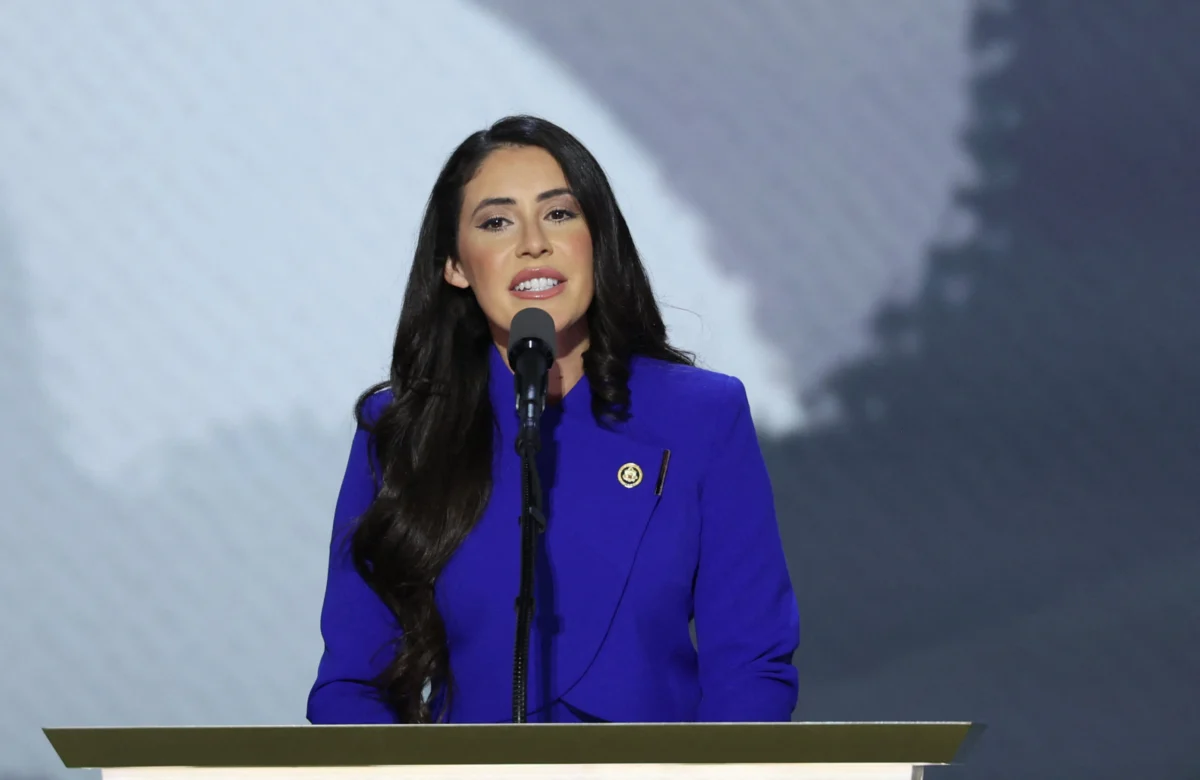
Rep. Anna Paulina Luna (R-Fla.) emerged as a vocal critic of the House leadership’s decision to advance the housing package without including the SAVE America Act. In several posts on X (formerly Twitter) on Tuesday, Luna threatened to obstruct House proceedings if GOP leaders proceeded with a plan to fast-track the housing bill using a "suspension" procedure, which requires two-thirds support for expedited consideration.
Luna’s contention was clear: "The House GOP is attempting to move a Senate Bill with NO VOTER ID and NO SAVE AMERICA ACT. I will have to be a NO on rules for this week (and maybe even longer) if they don’t stop the games. I am not the only one. Other House Members are frustrated at the games being played. This is a problem," she posted.
The SAVE America Act, which requires photo identification at the ballot box and proof of citizenship to register for elections, advanced out of the House in February. However, it lacks sufficient votes to clear the Senate, making its inclusion in the bipartisan housing bill a non-starter for many. President Trump has consistently urged Congress to approve the voter-ID bill, framing it as essential for election integrity. For Rep. Luna and other conservatives, the housing bill represented a missed opportunity to attach their priority legislation to a popular measure. Ultimately, Luna was one of just 32 Republicans who voted against the housing measure on the floor, signaling that while their concerns were voiced, they did not derail the bill’s broad bipartisan support. This episode highlights the persistent tension within the Republican caucus between moderate and conservative factions, even on otherwise popular legislation.
Statements and Reactions from Stakeholders
The widespread support for the 21st Century ROAD to Housing Act is reflected in anticipated reactions from various stakeholders:
- House Speaker Mike Johnson (R-LA): As quoted, Speaker Johnson lauded the bill as "transformational legislation" that will "bring the American Dream back into reach for millions of young and working families." His emphasis on reducing regulations and limiting institutional investors aligns with core Republican principles while addressing a pressing public concern.
- Democratic Leadership: While specific statements from Democratic leaders were not detailed in the original report, their overwhelming support (evidenced by the vote count) indicates strong agreement with the bill’s goals. Democrats likely view the investor caps as a crucial step towards consumer protection and equitable access to housing, aligning with their focus on economic fairness and support for working families. They would likely emphasize the bill’s role in easing financial burdens and promoting stability for average Americans.
- Real Estate and Construction Industry: Groups like the National Association of Home Builders (NAHB) are likely to welcome the provisions aimed at regulatory relief. Reduced red tape, streamlined permitting processes, and potentially lower development costs could incentivize new construction and help address the supply shortage. However, their reaction to the institutional investor cap might be mixed, as some larger builders and developers have partnerships with such investors. Nevertheless, the overall emphasis on increasing housing supply would be seen as a positive development for the industry.
- Housing Advocacy Groups: Organizations dedicated to affordable housing and homeownership advocacy would likely praise the investor cap as a critical measure to protect individual buyers and prevent the further financialization of housing. They might also advocate for additional measures, recognizing that while significant, this bill is one step in a larger effort to ensure housing equity.
- Institutional Investors: The cap on single-family home purchases will undoubtedly impact the strategies of institutional investors. They may need to pivot towards other asset classes, focus on multi-family housing, or re-evaluate their long-term investment models in the residential market. This could lead to a cooling of investor activity in the single-family sector, potentially freeing up inventory for individual buyers.
Broader Implications and Future Outlook
The 21st Century ROAD to Housing Act carries significant implications across economic, social, and political landscapes.
- Economic Impact: If successful in boosting housing supply and moderating price growth, the bill could have a stabilizing effect on the broader economy. Lower housing costs could free up household income for other consumption, potentially stimulating economic activity. A more balanced housing market could also contribute to lower inflation. For builders, reduced regulatory burdens could translate into more efficient project delivery and potentially higher profit margins, encouraging further investment in construction.
- Social Impact: The most profound impact could be on social mobility and the well-being of families. Making homeownership more accessible can lead to greater wealth accumulation, improved educational outcomes for children, and stronger community ties. By addressing a fundamental need, the legislation aims to alleviate a major source of stress for millions of Americans.
- Political Precedent: The bipartisan passage of such significant legislation on a critical economic issue could set a precedent for future cooperation, demonstrating that Congress can, when motivated, overcome partisan divides to address pressing national challenges. It also provides a clear talking point for both parties heading into the 2026 midterms, showcasing legislative achievements.
- Limitations and Ongoing Challenges: While a significant step, the 21st Century ROAD to Housing Act is unlikely to be a silver bullet for the housing crisis. The sheer scale of the housing shortage, coupled with ongoing inflationary pressures on construction materials and labor, means that a full recovery will take time and likely require further policy interventions. Issues like high property taxes, local NIMBYism (Not In My Backyard) attitudes hindering development, and the complexities of mortgage financing remain significant hurdles. Moreover, the effectiveness of the institutional investor cap will depend on its enforcement and whether investors find new ways to circumvent the regulations.
In conclusion, the passage of the 21st Century ROAD to Housing Act represents a pivotal moment in the nation’s efforts to confront its housing affordability crisis. By combining regulatory relief for builders with targeted measures to curb institutional investor influence, Congress has delivered a comprehensive package with widespread bipartisan support. As President Trump prepares to sign this landmark legislation, the focus will now shift to its implementation and its tangible impact on the lives of American families striving to achieve the enduring dream of homeownership.
