

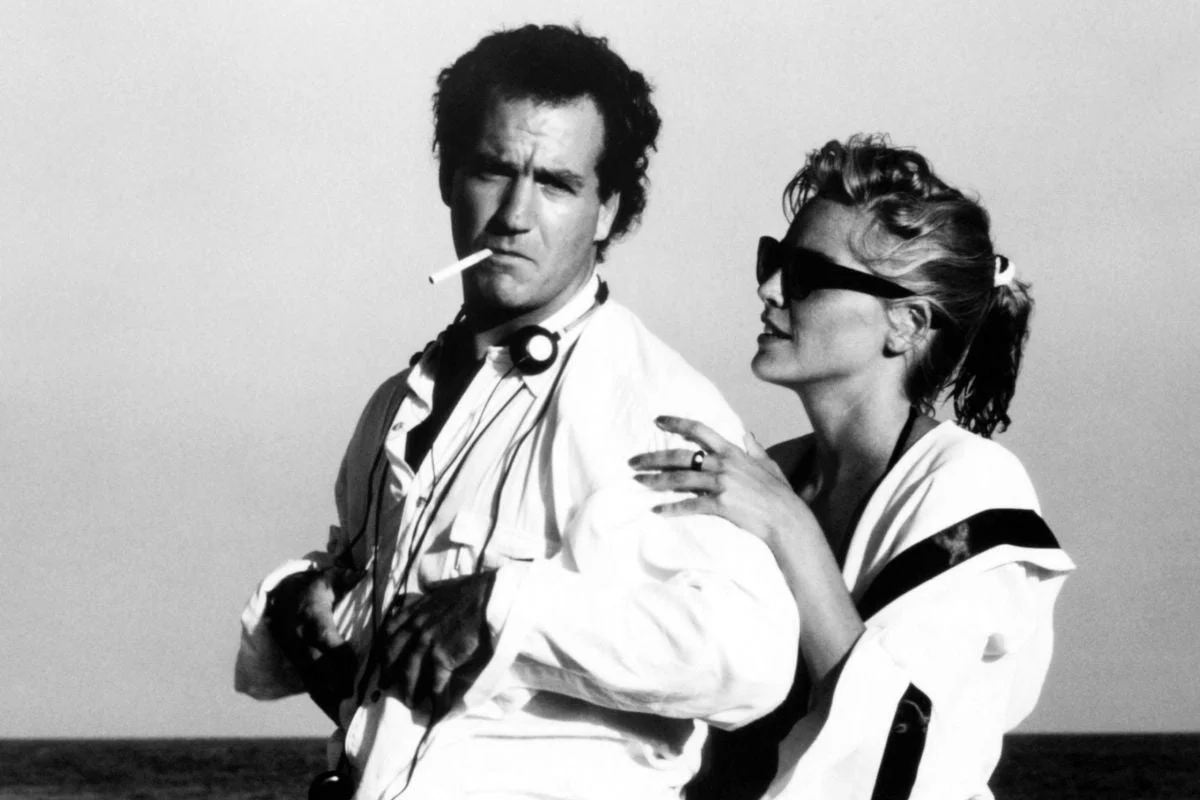
The Mayfair district of London, a long-established hub for luxury retail and high finance, has recently welcomed a new establishment, Bar Finch, founded by Charles Finch. Located at the prestigious junction of Clifford Street and Cork Street, this venture marks Finch’s latest foray into the hospitality sector, situated within a neighborhood synonymous with bespoke tailoring and exclusive businesses. The opening of Bar Finch, just as the latest issue of Spear’s Magazine reached its readership, has drawn attention to Finch’s multifaceted career and his unique approach to brand building.
A Strategic Location in Mayfair
Bar Finch’s positioning in Mayfair places it within an area characterized by a high concentration of wealth and discerning clientele. This "urban quadrilateral," as described by the article, spans an area less than half the size of Wembley Stadium, yet it is densely populated with establishments catering to Ultra-High-Net-Worth Individuals (UHNWIs). The vicinity, bounded by Savile Row and Old Bond Street to the east and west, and Clifford Street and the Royal Academy to the north and south, is a testament to Finch’s understanding of exclusive real estate and the social ecosystems that thrive within it. This strategic placement suggests a deliberate effort to tap into the existing affluent demographic that frequents the area for shopping, dining, and business.
Bar Finch: A Nostalgic Ambiance and Focused Offer
Charles Finch, described as a "chronic romantic," has imbued Bar Finch with an atmosphere that evokes a mid-20th-century Upper East Side ideal, with an "Anglicised" sensibility. The interior design, featuring blonde walls adorned with 20th-century art, velvet barstools, and tartan carpeting, is intended to transport patrons to an era of refined conversation and celebrity gossip, reminiscent of literary figures like Truman Capote and Babe Paley. This design choice speaks to a curated experience, aiming to offer more than just a place to dine, but a destination that cultivates a specific mood and historical resonance.
The menu at Bar Finch is intentionally concise, comprising approximately 12 core dishes with a few seasonal additions each week. This focused approach, while potentially limiting in scope, allows for meticulous execution and quality control. To complement the culinary offering, the establishment presents patrons with four distinct menus: à la carte, bar, cocktail, and wine. This multi-menu strategy underscores a commitment to providing a comprehensive and tailored experience for every guest, acknowledging the diverse preferences and expectations of a high-end clientele.
Finch’s Diverse Professional Landscape
Charles Finch’s career trajectory is a testament to his entrepreneurial spirit and his ability to bridge disparate industries. Beyond his recent venture into hospitality, Finch is deeply involved in film production, brand consultancy, and publishing. His production of a film based on Edith Wharton’s "The Custom of the Country" highlights his engagement with literary adaptations and the world of cinema. This cinematic interest is rooted in his family background; his father, Peter Finch, was a celebrated actor who won a posthumous Academy Award in 1977 for his role in "Network."
Charles Finch has carved his own path, moving beyond the shadow of his father’s legacy. His brand consultancy firm, Finch & Partners, established approximately 25 years ago in London, has been instrumental in forging innovative partnerships between brands and actors. Unlike traditional celebrity endorsements, Finch & Partners has focused on more imaginative and integrated collaborations, creating campaigns that resonate with authenticity and artistic merit. A notable achievement cited is the commissioning and production of a short play, "The Interrogation of Leo and Lisa," starring Kevin Spacey and Thandiwe Newton. This play, performed at the Geneva watch fair in 2007 to celebrate IWC Schaffhausen’s Da Vinci launch, exemplifies Finch’s ability to orchestrate high-profile cultural events that align brands with sophisticated artistic endeavors. The successful execution of this project, particularly in persuading a watch brand known for robust sports watches to engage with highbrow theatre at a trade fair, is described as an "act of genius."
Finch also publishes "A Rabbit’s Foot," a "chic cinema magazine," further cementing his presence in the media landscape. His past involvement as editor of "Finch’s Quarterly Review" from 2008 to 2013 provides further insight into his literary and intellectual pursuits.
The "Renaissance Man" Persona and Event Management Prowess
Finch is frequently characterized as a "Renaissance man," a descriptor that encapsulates his wide-ranging interests and abilities. This persona is further amplified by his reputation as a prodigious event organizer. His Chanel-sponsored pre-Bafta dinners are described as events that almost overshadow the awards ceremony itself, rendering the latter "bathetic" by comparison. Similarly, his Cannes dinners on the Côte d’Azur, this year sponsored by Montblanc, are legendary. The article notes that his Oscar dinner in Los Angeles rivals the "Vanity Fair" party in significance, with a veteran of both events reportedly stating, "You go to the Vanity Fair party because of the magazine, but you go to Charles’s party because of Charles." This observation underscores Finch’s personal magnetism and his ability to draw people through his own charisma and the meticulously curated experiences he creates.

This talent for event management is not merely about social gatherings; it reflects a sophisticated understanding of networking, brand activation, and creating memorable experiences that generate significant publicity and goodwill. The "megaton charm" that is identified as his "superpower" enables him to navigate the complex social and business landscapes of the elite.
Supporting Data and Broader Context
The article implicitly highlights the economic significance of the Mayfair district. While specific data on the revenue generated by the area’s luxury businesses is not provided, its reputation as a global hub for wealth management, high-end retail, and exclusive services suggests a substantial economic footprint. The presence of financial institutions, private banks, and luxury brands within this small geographical area indicates a concentrated economic activity driven by affluent individuals and international investment.
The mention of Cannes Film Festival and the Academy Awards points to the interconnectedness of the film industry, luxury brands, and high-profile social events. These events serve as crucial platforms for brand visibility, deal-making, and talent acquisition. Finch’s involvement in producing films and organizing high-profile parties at these festivals positions him at the nexus of these influential spheres.

The "deckshoe brand with what I believe is professionally known as ‘strong ocean-to-open-road lifestyle positioning’" alluded to in the article likely refers to a lifestyle brand that Finch has been associated with, emphasizing adventure and premium quality. This aligns with the broader trend of luxury brands expanding into various lifestyle categories to capture consumer interest and market share.
Analysis of Implications
Charles Finch’s multifaceted career and the opening of Bar Finch offer several insights into current trends in the luxury market:
- The Blurring of Industries: Finch exemplifies the modern entrepreneur who operates across multiple sectors. The lines between hospitality, film, publishing, and brand consultancy are increasingly blurred, with successful individuals leveraging their expertise and networks to build diversified empires.
- Curated Experiences: The success of Bar Finch, and by extension Finch’s parties, hinges on the creation of unique and memorable experiences. In an era of abundance, consumers, particularly the affluent, are seeking more than just products; they desire curated moments and aspirational lifestyles.
- The Power of Personal Brand: Finch’s own persona is a significant asset. His "megaton charm" and reputation as a host allow him to attract attention and build relationships, which are crucial for his businesses. The article’s comparison of his parties to the Vanity Fair event underscores the power of an individual’s influence in the social and business circuits.
- Strategic Location and Demographic Targeting: The choice of Mayfair for Bar Finch is a clear indication of strategic demographic targeting. The concentration of UHNWIs in this area provides a ready market for high-end hospitality services.
- Nostalgia as a Luxury Commodity: The design and ambiance of Bar Finch suggest that nostalgia, when executed with sophistication, can be a powerful draw for luxury consumers. It taps into a desire for authenticity and a connection to a perceived more elegant past.
Conclusion
Charles Finch represents a contemporary archetype of success in the high-net-worth sphere – a figure adept at navigating and influencing multiple industries through a combination of entrepreneurial acumen, artistic sensibility, and formidable personal charm. His latest venture, Bar Finch, is not just a new restaurant but a carefully curated extension of his established brand, reinforcing his position as a pivotal figure in the worlds of luxury, entertainment, and strategic brand development. His ability to orchestrate grand events and cultivate intimate social circles speaks to a deeper understanding of human connection and the aspirational desires that drive the luxury market. As he continues to expand his influence, Finch’s career serves as a compelling case study in the art of building and maintaining a successful, multi-hyphenate professional identity in the 21st century.
