

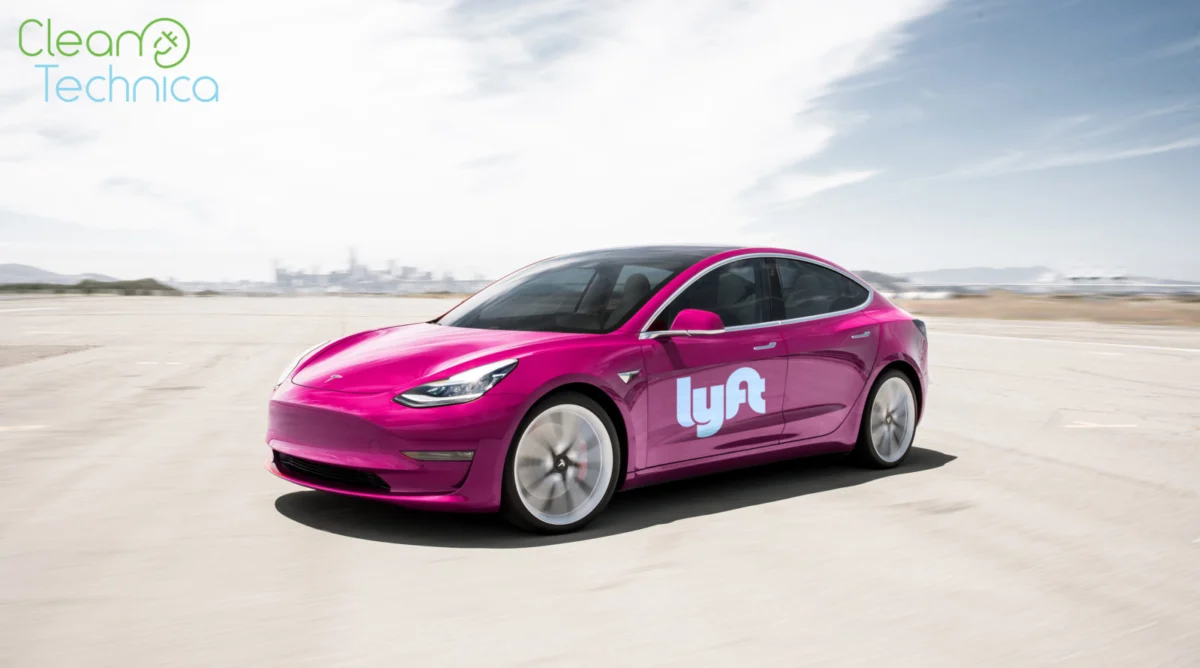
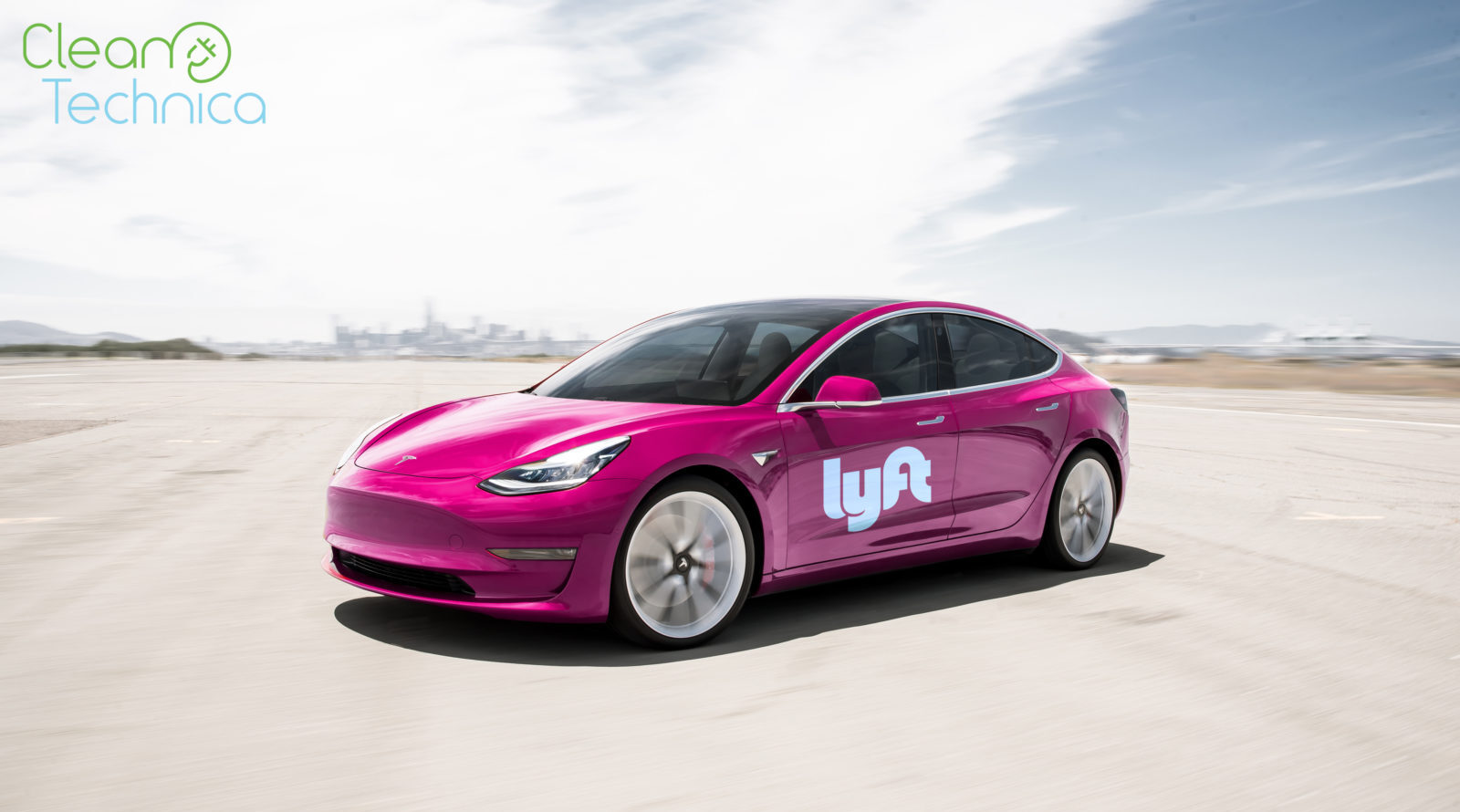
The California Public Utilities Commission (CPUC) has officially launched the Drivers Assistance Program, also known as Rideshare Incentives for Driving Electric (RIDE), a significant financial initiative designed to accelerate the electrification of the state’s ride-hailing industry. This program marks a strategic shift in California’s environmental policy, moving beyond general consumer rebates to target high-mileage commercial drivers who contribute disproportionately to urban emissions. Under the new guidelines, eligible drivers working for transportation network companies (TNCs) such as Uber, Lyft, and HopSkipDrive can receive up to $20,300 toward the purchase or lease of a new zero-emission vehicle (ZEV) and up to $14,200 for a used ZEV.
The RIDE program is specifically structured to address the financial barriers that have historically prevented gig-economy workers from transitioning to electric mobility. By offering substantial upfront capital and ongoing operational support, the state aims to convert the most active vehicles on its roads into clean-energy alternatives. In addition to the purchase incentives, the program includes a provision for up to $1,170 annually to help drivers offset the costs of vehicle charging. This multifaceted approach recognizes that for professional drivers, the total cost of ownership—including fuel and maintenance—is a primary factor in vehicle selection.
Historical Context and the Clean Miles Standard
The inception of the RIDE program is rooted in California’s long-standing commitment to decarbonizing its transportation sector, which accounts for approximately 40 percent of the state’s greenhouse gas emissions. The specific focus on ride-hailing began in earnest with the passage of Senate Bill 1014, the California Clean Miles Standard and Incentive Program Act of 2018. This legislation tasked the California Air Resources Board (CARB) and the CPUC with developing a framework to reduce emissions from TNCs.
In 2021, the Clean Miles Standard established a mandate requiring that 90 percent of ride-hailing vehicle miles traveled be in electric vehicles by 2030. However, regulators recognized that the burden of this transition would fall largely on individual drivers, many of whom operate on thin profit margins. The RIDE program serves as the "carrot" to the regulatory "stick," providing the necessary financial bridge to ensure that the 2030 targets are met without displacing low-income workers from the industry.
Technical Specifications and Financial Breakdown
The RIDE program is notable for its tiered incentive structure, which prioritizes both new and used vehicle markets to maximize accessibility. The maximum incentive of $20,300 for a new ZEV represents one of the most aggressive subsidies in the United States, particularly when combined with federal tax credits under the Inflation Reduction Act (IRA).
For used vehicles, the $14,200 incentive is designed to stimulate the secondary EV market. As first-generation EVs reach the used market, these subsidies allow moderate-income drivers to acquire reliable transportation at a fraction of the cost of a gasoline-powered equivalent. The inclusion of used vehicles is a critical component of the program’s equity goals, ensuring that the benefits of electrification are not restricted to those who can afford luxury or brand-new models.
The annual $1,170 charging offset addresses a secondary hurdle: infrastructure costs. Many ride-hail drivers live in multi-unit dwellings where home charging is unavailable, forcing them to rely on more expensive public DC fast-charging networks. This annual stipend is intended to equalize the operational costs between gasoline and electricity, making the EV option financially superior over the long term.
Targeted Demographics and Socioeconomic Objectives
Unlike earlier iterations of EV rebates that were often criticized for benefiting high-income early adopters, the RIDE program is strictly means-tested. It is designed for low- and moderate-income drivers who meet specific ride-volume thresholds. By focusing on "high-volume" drivers—those who spend the most hours on the road and cover the most mileage—the state ensures that every dollar of incentive results in the maximum possible reduction in tailpipe emissions.
According to data from the CPUC, ride-hailing drivers typically drive significantly more miles per year than the average Californian motorist. While a private vehicle might travel 12,000 miles annually, a full-time TNC driver can easily exceed 40,000 to 50,000 miles. Consequently, replacing one internal combustion engine (ICE) vehicle used for ride-hailing with an EV has the same environmental impact as replacing three or four private commuter vehicles.
This policy also addresses the economic precarity of the gig economy. Drivers are traditionally responsible for all vehicle-related expenses, including rising fuel prices and frequent mechanical maintenance required by high-mileage use. EVs, which have fewer moving parts and lower fuel costs per mile, offer a path toward higher net earnings for drivers once the initial purchase barrier is overcome.
Official Responses and Industry Perspectives
CPUC President John Reynolds emphasized the strategic importance of the program during its announcement, stating that California’s transition to cleaner transportation depends on making EVs accessible to those who spend the most time on the road. "These incentives will help reduce the cost of switching to zero-emission vehicles for rideshare drivers that perform the highest volume of rides, thereby reducing pollution and helping California meet its climate goals," Reynolds noted.
The Center for Sustainable Energy (CSE), which has been selected to administer the program, has expressed a commitment to streamlining the application process. The goal is to ensure that funds are disbursed efficiently to the drivers who need them most. Industry analysts suggest that the success of RIDE will depend heavily on outreach and education within the driver community, many of whom may be unaware of the scale of the available support.
While Uber and Lyft have generally supported electrification efforts—both companies have pledged to transition to 100 percent EVs globally by 2030 and 2040, respectively—they have often pointed to vehicle affordability as the primary obstacle. The RIDE program effectively shifts some of this financial burden from the private sector and individual workers to the state’s climate funds, aligning public policy with corporate sustainability goals.

Broader Implications for the Used EV Market and Infrastructure
The RIDE program is expected to have a "multiplier effect" on California’s broader EV ecosystem. By incentivizing the purchase of thousands of new and used EVs for commercial use, the state is effectively guaranteeing demand for the used vehicle market and public charging infrastructure.
- Market Stabilization: The high demand for used EVs created by the $14,200 incentive will likely stabilize resale values for electric vehicles, encouraging more private citizens to buy new EVs knowing there is a robust secondary market.
- Infrastructure Expansion: As more ride-hail drivers transition to electric, the demand for fast-charging hubs in urban centers and near airports will surge. This predictable demand provides a business case for charging network operators like EVgo, Electrify America, and Tesla to expand their footprints in underserved areas.
- Public Health Benefits: Ride-hailing is concentrated in densely populated urban areas, where vehicle exhaust contributes to localized air pollution and higher rates of respiratory illness. The RIDE program’s focus on these areas means that the health benefits of reduced NOx and particulate matter emissions will be felt most acutely in the communities that suffer the most from traffic-related pollution.
Implementation Timeline and Future Outlook
The RIDE program is currently transitioning into its active phase, with the Center for Sustainable Energy preparing to accept applications. Drivers interested in the program must provide proof of their income status and their driving history with a recognized TNC to qualify for the maximum incentive tiers.
This initiative arrives at a critical juncture for California. The state has mandated that all new passenger cars and trucks sold in California be zero-emission by 2035. To reach this goal, the state must navigate the "middle-market" transition, moving from luxury-segment adoption to mass-market utility. The RIDE program serves as a pilot for how targeted, high-value incentives can move the needle for essential workers and high-mileage fleets.
As other states and nations look to California as a regulatory laboratory, the success of the RIDE program will likely influence global strategies for decarbonizing the gig economy. If California can successfully prove that large-scale subsidies for professional drivers result in significant emission reductions and improved economic stability for workers, it may provide a blueprint for urban centers worldwide.
The program also highlights a shift in nomenclature and perception. As the article’s original context noted, the move toward "ride-hailing" as a professional service rather than "ridesharing" as a casual hobby reflects the professionalization of the industry. By treating these drivers as a critical segment of the state’s transportation infrastructure, California is acknowledging their role in the future of sustainable urban mobility. For the thousands of drivers navigating the streets of Los Angeles, San Francisco, and San Diego, the RIDE program represents not just an environmental mandate, but a significant financial opportunity to participate in the green economy.
