

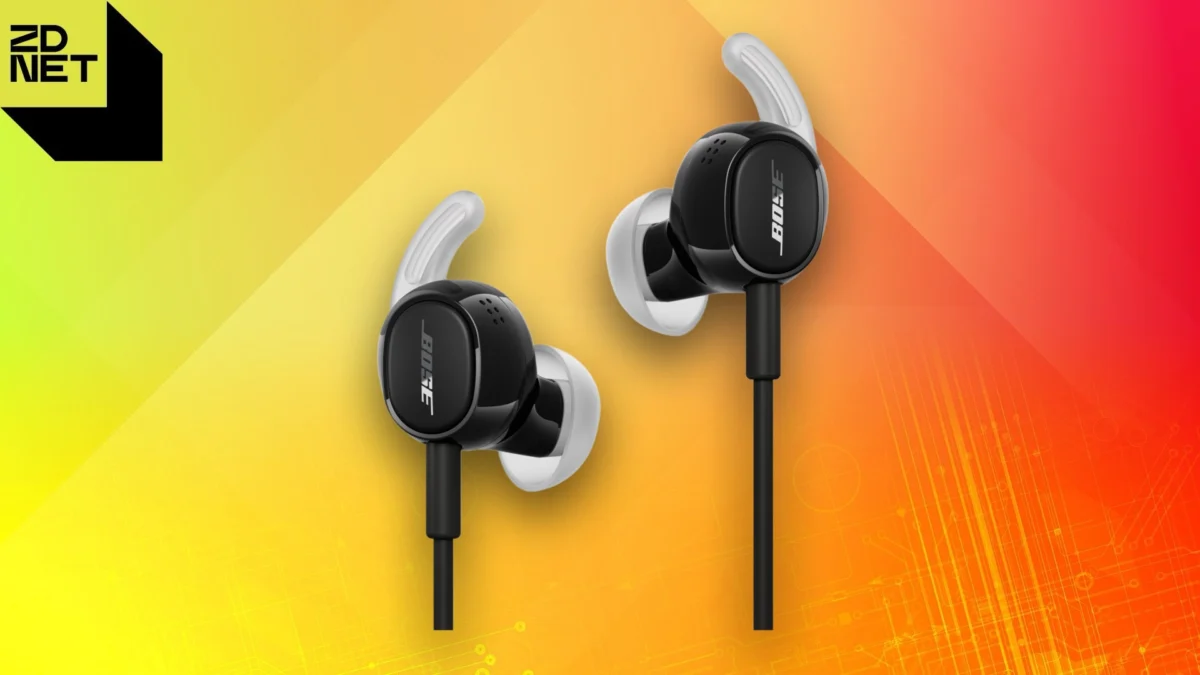
Bose has officially announced a strategic expansion of its personal audio portfolio with the introduction of the Bose Noise Canceling Earbuds, a wired USB-C solution designed to bridge the gap between high-fidelity digital audio and the reliable convenience of a physical connection. This launch follows closely on the heels of the company’s recent venture into the open-ear category with the Ultra Open Earbuds, signaling a dual-pronged approach that caters to both cutting-edge wireless trends and the resurgent demand for high-quality wired peripherals. By integrating its industry-leading Active Noise Cancellation (ANC) technology into a USB-C form factor, Bose is targeting a specific demographic of users: those who prioritize low-latency performance, consistent audio quality, and the elimination of battery-related anxieties.
The Return to Wired: Technical Specifications and Performance
The Bose Noise Canceling Earbuds represent a significant departure from the current industry obsession with purely wireless Bluetooth solutions. Priced at an accessible $99, these earbuds utilize the USB Audio Class 2 protocol. This technical choice is critical, as it allows the earbuds to interface seamlessly with modern smartphones, tablets, and laptops that have largely abandoned the 3.5mm headphone jack. The USB Audio Class 2 protocol ensures that the earbuds can receive audio data at various sample and bit rates, though the internal Digital-to-Analog Converter (DAC) and Digital Signal Processor (DSP) fix the output at 24-bit/48kHz. This ensures a high-resolution listening experience that surpasses standard wireless codecs, which often suffer from data compression and signal loss.
The inclusion of Bose’s proprietary Sound Design DSP allows these earbuds to maintain the signature "Bose sound"—characterized by balanced EQ and deep, controlled bass—regardless of the source device’s internal audio hardware. Because the earbuds draw power directly from the connected device via the USB-C port, users can enjoy full ANC functionality without the need for an internal battery that requires separate charging. This "plug-and-play" ANC capability is a major selling point for frequent travelers and professionals who cannot afford to have their headphones die during long flights or extended conference calls.
Advanced Noise Cancellation and Microphonics
At the core of this new product is Bose’s legendary noise-canceling technology. The earbuds are equipped with a sophisticated array of four microphones dedicated specifically to environmental noise capture. These microphones monitor external sounds and generate an opposing signal to neutralize distractions, providing three distinct modes: Quiet, Aware, and ANC-Off.
- Quiet Mode: This utilizes maximum noise cancellation, intended for deep focus or travel in loud environments like airplanes or commuter trains.
- Aware Mode: This transparency feature allows users to hear their surroundings clearly without removing the earbuds, utilizing the microphones to pass through ambient speech and safety signals.
- ANC-Off: This mode provides a traditional passive listening experience, which can also help conserve the battery life of the source device.
For voice communication, Bose has decoupled the telephony microphones from the ANC array. A dedicated microphone is situated on the back of the in-line remote, positioned closer to the user’s mouth to ensure clear voice pickup during calls or gaming sessions. This separation helps prevent the "muffled" voice quality often associated with earbuds that try to use the same microphones for both noise cancellation and voice transmission.
Design, Ergonomics, and Durability
The aesthetic of the Bose Noise Canceling Earbuds blends contemporary minimalism with functional "old-school" elements. Unlike many modern wireless earbuds that rely on finicky touch controls on the earbud housing, Bose has opted for a robust in-line remote. This remote features physical buttons for volume adjustment, track skipping, and toggling between ANC modes. The tactile feedback of physical buttons remains a preferred choice for many users, particularly those who use their earbuds while exercising or wearing gloves.
Durability has also been prioritized, with the earbuds carrying an IPX4 water resistance rating. This rating confirms that the device can withstand splashes of water and sweat, making them suitable for workouts or use in light rain. This matches the durability standards set by Bose’s flagship wireless products, such as the QuietComfort Ultra Earbuds.
To ensure a universal fit, Bose includes three sizes of silicone eartips (small, medium, and large). The design of the tips is intended to create a secure acoustic seal, which is the first line of defense against external noise. In terms of visual style, Bose is offering three distinct colorways at launch:

- Black: Featuring subtle blue accents on the in-line remote.
- White Smoke: Featuring lime green accents for a more modern, energetic look.
- Dewdrop Mint: A limited-edition color available exclusively during the initial launch phase.
Market Context: Why Wired is Making a Comeback
The release of a premium wired earbud in 2024 might seem counterintuitive given the dominance of the Apple AirPods and Bose’s own QuietComfort wireless line. However, several market factors suggest a growing niche for this product.
First, the "wired aesthetic" has seen a resurgence among younger demographics, particularly Gen Z, who view wired earbuds as a deliberate stylistic choice and a way to signal "do not disturb" more effectively than discrete wireless buds. Second, the gaming community remains a stronghold for wired audio. Even the best Bluetooth codecs introduce a slight delay (latency) between the action on screen and the sound in the ears. For competitive gaming on mobile devices or the Nintendo Switch, a wired USB-C connection offers the zero-latency performance required for split-second reactions.
Furthermore, the universal adoption of USB-C—accelerated by the European Union’s common charger mandate and Apple’s subsequent switch to USB-C for the iPhone 15 and 16—has simplified the wired landscape. Users no longer need to carry "dongles" or adapters; a single pair of USB-C earbuds can now work across an iPad, a MacBook, an Android phone, and a Windows PC.
Chronology of Recent Bose Innovations
The announcement of the Noise Canceling Earbuds is part of a broader revitalisation of the Bose product line under current leadership.
- Late 2023: Bose launched the QuietComfort Ultra series, replacing the QC45 and Earbuds II, introducing "Immersive Audio" (spatial audio) technology.
- Early 2024: The company introduced the Ultra Open Earbuds, a clip-on style device designed for users who want to remain fully aware of their environment at all times.
- Late 2024: The current announcement of the USB-C Noise Canceling Earbuds, alongside software updates for existing Bluetooth models to improve multipoint connectivity and switching.
This timeline shows Bose moving away from being a "one-trick pony" focused solely on over-ear ANC headphones, and instead becoming a versatile audio brand that occupies every possible niche in the consumer market.
Impact and Implications for the Audio Industry
Bose’s decision to price these at $99 is a strategic move to undercut high-end wired competitors while providing a significant upgrade over the $19 "basic" USB-C buds sold by phone manufacturers. By including ANC—a feature rarely found in wired earbuds at this price point—Bose is creating a new sub-category of "Premium Wired Workhorse" gear.
From an environmental standpoint, wired earbuds offer a longer lifespan than their wireless counterparts. TWS (True Wireless Stereo) earbuds are notorious for their non-replaceable lithium-ion batteries, which inevitably degrade after two to three years, rendering the entire product e-waste. The Bose Noise Canceling Earbuds, lacking an internal battery, could theoretically last a decade or more, provided the cable is well-maintained. This sustainability angle is becoming increasingly important to eco-conscious consumers.
Availability and Official Response
While Bose has not released a lengthy "mission statement" regarding the return to wired, the company’s press materials emphasize "simplicity and performance." A spokesperson for the company noted that the goal was to provide "the legendary Bose experience to those who find the ritual of charging and pairing to be a barrier to their enjoyment of music."
Preorders for the Bose Noise Canceling Earbuds are currently open for "My Bose" members through the official website. The general public will be able to purchase the device starting October 15. With its combination of a sub-$100 price point, no-charge ANC, and the universal compatibility of USB-C, Bose is well-positioned to capture a market that many competitors have prematurely abandoned. Whether this sparks a broader industry trend toward high-end wired peripherals remains to be seen, but for now, Bose has ensured that the "analog" experience has a very digital, very capable future.
