

The United States House of Representatives on Tuesday overwhelmingly approved the "21st Century ROAD to Housing Act," a landmark bipartisan affordable housing bill designed to alleviate escalating costs for prospective homebuyers and curb the market influence of institutional investors. The legislation, which passed with a decisive vote of 358-32, now heads to President Donald Trump’s desk for signature, marking a rare moment of legislative consensus in an increasingly polarized Congress. The President is slated to sign the bill into law at the Capitol on Wednesday, preceding a scheduled meeting with Senate Republicans, according to an announcement from House Speaker Mike Johnson’s office.
Addressing the National Housing Affordability Crisis
The passage of the 21st Century ROAD to Housing Act, an acronym for "Removing Obstacles to American Development," comes at a critical juncture for the nation’s housing market. For years, the U.S. has grappled with a severe housing affordability crisis, characterized by soaring home prices, rising mortgage rates, and a chronic shortage of available housing units. This confluence of factors has pushed homeownership out of reach for millions of Americans, particularly young families and first-time buyers, exacerbating economic inequality and hindering wealth accumulation.
In recent years, median home prices across the country have surged by double-digit percentages annually, reaching historic highs. According to data from various real estate analytics firms, the national median home price has increased by over 30% since the onset of the pandemic in early 2020, with some regional markets experiencing even more dramatic spikes. Simultaneously, mortgage rates, influenced by the Federal Reserve’s efforts to combat inflation, have climbed significantly, further eroding purchasing power. A prospective buyer today faces monthly mortgage payments that are substantially higher than just a few years ago for the same priced home, even with similar down payments.
Adding to the challenge is a persistent deficit in housing supply. Economists estimate that the U.S. needs to build millions of new homes to meet demand, yet construction has lagged due to a myriad of factors. These include labor shortages, high material costs, and, crucially, restrictive zoning laws and complex permitting processes at local and state levels that often delay or outright prevent new development. The National Association of Home Builders has consistently highlighted the burden of regulations, which they estimate can add tens of thousands of dollars to the cost of a new home.
A significant contributor to the affordability crunch, and a specific target of this new legislation, has been the growing presence of institutional investors in the single-family housing market. These large investment firms, often backed by private equity, began aggressively acquiring single-family homes in the wake of the 2008 financial crisis, converting them into rental properties. While their initial activity helped stabilize some distressed markets, their continued presence, particularly in affordable starter home segments, has been criticized for driving up prices and reducing inventory for individual buyers. In some competitive markets, institutional investors have accounted for over 25% of home purchases, often outbidding individual buyers with all-cash offers. This trend has not only made homeownership more difficult but has also shifted a significant portion of the housing stock from owner-occupied to corporate-owned rentals, altering community dynamics.
Key Provisions of the 21st Century ROAD to Housing Act
The 21st Century ROAD to Housing Act aims to tackle these multifaceted challenges through a two-pronged approach: regulatory reform to boost supply and direct intervention to level the playing field for individual homebuyers.
Firstly, the legislation seeks to streamline bureaucratic hurdles that impede new construction. While much of the regulatory authority over zoning and permitting rests with local governments, the federal bill encourages states and localities to adopt more efficient processes. It provides incentives for jurisdictions to reduce "red tape," accelerate permitting timelines, and review outdated zoning ordinances that restrict density and limit housing types. The intent is to lower development costs and speed up the delivery of new homes to the market, thereby increasing supply over time. Proponents argue that by fostering a more conducive environment for builders, the act can gradually chip away at the national housing deficit.
Secondly, and perhaps most notably, the bill addresses the role of institutional investors. It imposes a cap on the number of single-family homes that institutional investors can purchase, setting the limit at 350 properties per entity. This provision is a direct response to concerns that large corporations are unfairly competing with individual families for starter homes and driving up prices. By restricting their acquisition capacity, lawmakers hope to reintroduce more inventory into the traditional homebuying market, giving individuals a better chance to compete. The legislation also includes measures aimed at increasing transparency regarding institutional ownership of residential properties.
A Challenging Legislative Journey to Bipartisan Success
The journey of the 21st Century ROAD to Housing Act through Congress was protracted and marked by extensive debate, reflecting the complexity of the housing issue and the political landscape. The concept for such legislation began to coalesce months ago, with different versions of proposals circulating between the House and Senate. Early iterations often faced partisan resistance over the scope of regulatory reforms and the specifics of investor limitations.
Key congressional committees, including the House Financial Services Committee and the Senate Banking, Housing, and Urban Affairs Committee, played pivotal roles in drafting, debating, and refining the bill. Negotiations involved numerous stakeholders, from homebuilder associations and real estate industry groups to consumer advocacy organizations and housing rights activists. The "ping-pong" between the two chambers involved amendments, counter-proposals, and ultimately, a series of compromises designed to garner sufficient support from both sides of the aisle.
A final deal on the legislation was struck just last week, paving the way for its rapid consideration. The Senate moved first, approving the measure by a resounding 85-5 vote on Monday night, signaling strong bipartisan backing. The House followed suit on Tuesday, solidifying the bill’s path to the President’s desk. This timeline underscores the urgency lawmakers felt in addressing the housing crisis ahead of the upcoming 2026 midterm elections, where housing affordability is expected to be a top concern for voters.
Political Imperative and Official Reactions
The broad bipartisan support for the 21st Century ROAD to Housing Act stands in stark contrast to the frequent legislative gridlock that characterizes contemporary American politics. Both Democrats and Republicans are eager to campaign on this legislative achievement, recognizing the profound impact of housing costs on their constituents.
House Speaker Mike Johnson, a Republican, lauded the bill’s passage, emphasizing its potential to restore the American Dream. In a statement released shortly after the vote, Johnson declared, "With final passage of the 21st Century ROAD to Housing Act, Congress is paving a path back to homeownership for American families who have been locked out for far too long. This transformational legislation will help address the housing affordability problem, reduce regulations so builders can build, limit institutional investing in the housing market, and bring the American Dream back into reach for millions of young and working families." His remarks underscored the GOP’s focus on regulatory relief and market intervention to boost supply and protect individual buyers.
Democrats, while often advocating for different approaches to housing policy, also embraced the bill. While no specific Democratic leader’s quote was provided in the original context, leading Democrats are expected to highlight the bill’s commitment to leveling the economic playing field, ensuring fair access to housing, and supporting working families struggling with exorbitant costs. They would likely frame it as a necessary step to curb corporate power and prioritize people over profits, even if some may argue it doesn’t go far enough. Housing advocacy groups, while welcoming the measure, are also likely to call for continued action, emphasizing that federal legislation alone cannot solve a crisis deeply rooted in local land-use policies and broader economic forces.
Conservative Hardliner Opposition and the SAVE America Act Controversy
Despite the overwhelming bipartisan support, the bill did face headwinds from a faction of conservative hardliners within the House Republican caucus. These members expressed opposition, not necessarily to the housing provisions themselves, but due to the exclusion of a separate, controversial election bill known as the SAVE America Act.
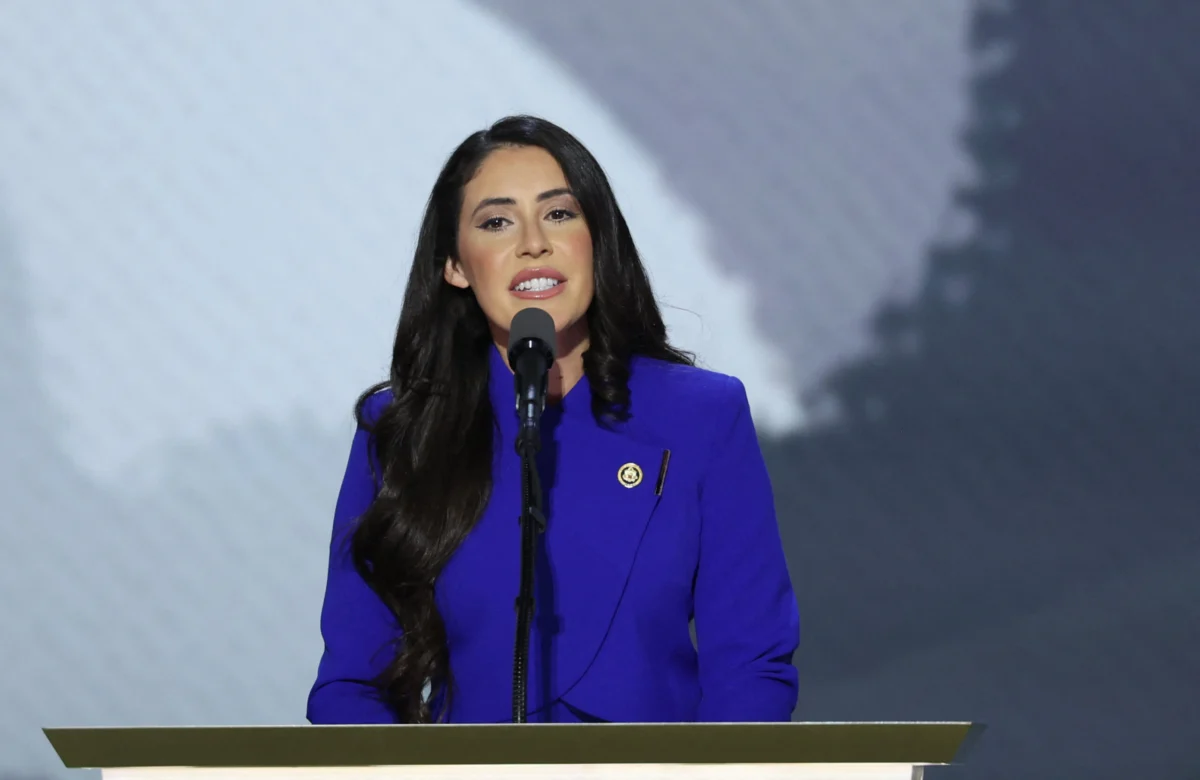
Representative Anna Paulina Luna (R-FL) emerged as a vocal critic, threatening to obstruct House proceedings if GOP leadership moved forward with the housing bill without incorporating the SAVE America Act. In a series of posts on X (formerly Twitter) on Tuesday, Rep. Luna stated, "The House GOP is attempting to move a Senate Bill with NO VOTER ID and NO SAVE AMERICA ACT. I will have to be a NO on rules for this week (and maybe even longer) if they don’t stop the games. I am not the only one. Other House Members are frustrated at the games being played. This is a problem." She was particularly incensed that the housing package was brought up under a "suspension of the rules" procedure, which allows for expedited consideration but requires a two-thirds majority, making bipartisan support essential and giving a small bloc of dissenters significant leverage if they chose to actively block it.
The SAVE America Act, a priority for many conservatives and explicitly endorsed by former President Trump, would mandate voter identification at the ballot box and require proof of citizenship for voter registration. While the bill successfully passed the House in February, it lacks sufficient votes to clear the Senate, making its inclusion in the housing package a non-starter for bipartisan agreement. Trump has consistently urged Congress to approve the voter-ID bill, framing it as essential for election integrity, despite the legislative hurdles.
Ultimately, Rep. Luna was one of only 32 Republicans who voted against the housing measure on the House floor, demonstrating that while her concerns were shared by a minority, they did not derail the bill’s overall passage. This episode highlights the persistent ideological divides within the Republican party and the challenges leadership faces in uniting their caucus, even on popular legislation. It also underscores how unrelated policy priorities can become entangled in the legislative process, sometimes threatening otherwise broadly supported initiatives.
Broader Implications and Future Outlook
The 21st Century ROAD to Housing Act represents a significant federal effort to address the nation’s housing crisis, but its long-term impact will depend on effective implementation and ongoing evaluation.
For prospective homebuyers, particularly those priced out of the market, the bill offers a glimmer of hope. The cap on institutional investors, if effective, could reduce competition in certain segments, potentially stabilizing or even slightly lowering prices for starter homes. However, the scale of the crisis suggests that this single measure may not be a silver bullet. The impact will likely vary by market, with more competitive areas potentially seeing a more noticeable shift.
Builders and developers will likely welcome the regulatory relief components, which could reduce project timelines and costs. If these incentives translate into increased housing starts, it could gradually alleviate the supply shortage. However, many of the most restrictive zoning and permitting rules are enacted at the local level, meaning sustained progress will require continued engagement and reform efforts at the municipal and state levels, beyond the direct purview of this federal legislation.
Institutional investors, forced to adapt to the 350-home cap, may shift their strategies. This could involve focusing on larger multi-family developments, exploring alternative real estate asset classes, or concentrating their single-family home purchases in fewer, larger communities where they can still achieve economies of scale within the cap. Some economists predict that these firms may also seek to influence local zoning changes to allow for more build-to-rent communities, which would not be subject to the same cap.
Politically, the passage of this bill provides both parties with a tangible legislative victory to tout ahead of the 2026 midterm elections. It allows Republicans to demonstrate their commitment to economic opportunity and reducing regulation, while Democrats can point to efforts to address affordability and rein in corporate power. The bipartisan nature of the bill might also serve as a template for future cooperation on issues of broad public concern, though the immediate aftermath of the vote, with the conservative hardliner dissent, suggests that such cooperation remains fragile.
Ultimately, the 21st Century ROAD to Housing Act is a crucial first step in a long and complex journey to resolve the housing affordability crisis. Its success will be measured not just by its passage, but by its tangible effects on the lives of American families seeking to achieve the enduring dream of homeownership. Monitoring its implementation, alongside continued dialogue and potential future legislative action, will be essential to ensure its intended benefits are fully realized.
