

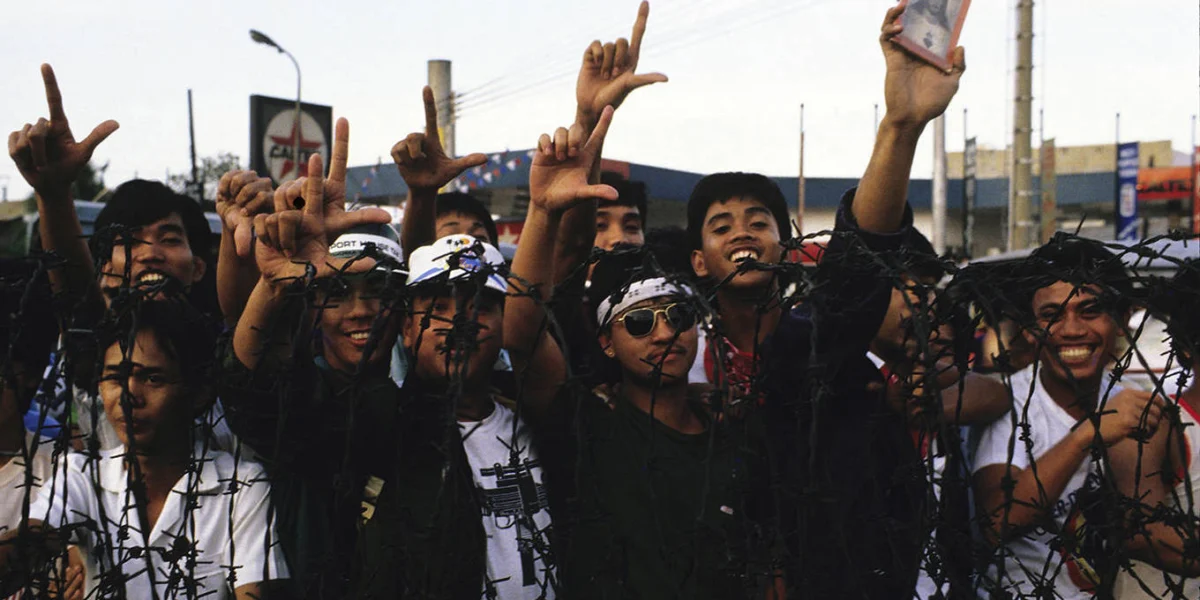
Sixty years ago, harsh autocratic rule dominated a region at the eastern edge of a continent. Quixotic quests for political change seemed to have little chance of succeeding—until they did. By the end of the 20th century, competitive elections had become the norm, and former political prisoners were leading governments. Despite recent setbacks, voters in one of these countries just reversed years of authoritarian drift, joining forces to oust a would-be dictator.
Jeffrey N. Wasserstrom
August 20, 2026
The narrative of democratic struggle and triumph has long been predominantly framed through the lens of Eastern and Central Europe. The fall of the Berlin Wall, the Velvet Revolution, and the Solidarity movement in Poland are often cited as archetypal examples of popular uprisings against authoritarian regimes. However, this Eurocentric focus often overshadows the equally compelling, and in some cases more recent, democratic breakthroughs and ongoing resistance efforts across Asia. While the continent’s vibrant democracies and hard-won freedoms may not always capture global headlines with the same dramatic flair as their European counterparts, their recent experiences offer profound and often overlooked lessons for those battling the global resurgence of authoritarianism.
In a significant political development that echoes historical shifts in Eastern Europe, voters in a strategically important Asian nation recently delivered a resounding mandate against authoritarian tendencies, unseating a leader whose tenure was increasingly characterized by democratic backsliding. This electoral victory, occurring in late 2025, saw a broad coalition of opposition parties coalesce around a platform of restoring democratic norms, strengthening civil liberties, and curbing executive overreach. The outcome marks a crucial pivot for a country that had, in the preceding decade, witnessed a gradual erosion of its democratic institutions, including restrictions on press freedom, the jailing of political opponents, and the manipulation of electoral processes.
The Asian Context: A Tapestry of Democratic Evolution
Asia’s democratic journey is a complex and multifaceted story, far removed from a monolithic narrative. From the established democracies of Japan and South Korea to the fledgling democratic experiments in countries like Myanmar and the Philippines, the continent presents a diverse spectrum of political systems and challenges. While the late 20th century saw significant democratic transitions in Taiwan, South Korea, and the Philippines, often spurred by popular protests and international pressure, the early 21st century has presented new obstacles. The rise of economic populism, the influence of state-controlled media, and the sophisticated use of digital technologies for surveillance and disinformation have created fertile ground for authoritarian resurgence in various parts of the world, including Asia.
The nation in question, whose recent election has drawn parallels to the democratic transitions of the late 20th century, has a history marked by periods of military rule and authoritarian governance, interspersed with brief but vibrant democratic interludes. Following a period of economic liberalization in the late 20th century, the country gradually opened up politically, culminating in a relatively free and fair election in the early 2000s that brought a reformist government to power. However, this period of democratic optimism began to wane over the past decade. Allegations of electoral fraud, suppression of dissent, and a growing concentration of power within the executive branch fueled public discontent.
A Timeline of Democratic Striving and Setbacks
Late 20th Century: Following decades of autocratic rule, a wave of pro-democracy movements sweeps across parts of Asia, leading to significant political reforms in countries like South Korea, Taiwan, and the Philippines. These transitions often involved large-scale street protests, student activism, and the emergence of charismatic opposition leaders.
Early 2000s: The country in focus experiences a period of relative democratic opening, with competitive elections becoming a regular feature of its political landscape. International observers note an improvement in human rights and political freedoms.
Mid-2010s: A shift in political dynamics begins. The ruling party, under a new leader, consolidates power through a series of constitutional amendments and legislative actions that critics argue weaken checks and balances. Independent media outlets face increasing pressure, and civil society organizations report heightened surveillance.
Late 2010s – Early 2020s: Democratic space continues to contract. Opposition leaders and activists are frequently detained, and freedom of assembly is curtailed. The government intensifies its control over state-run media, promoting a narrative of stability and national unity that often marginalizes dissenting voices. Internet censorship becomes more sophisticated, and the use of social media for political mobilization is met with increased scrutiny and crackdowns.
2023-2024: A growing sense of disillusionment among the populace, fueled by economic stagnation and the perceived authoritarian drift, begins to galvanize opposition forces. A broad coalition of disparate political groups, trade unions, and civil society organizations unites under a common banner, advocating for a return to democratic principles and constitutional rule.
Late 2025: General elections are held. Despite government attempts to influence the outcome through various means, including allegations of voter intimidation and the manipulation of election commission procedures, an unprecedented turnout of voters delivers a decisive victory to the opposition coalition. International election monitoring bodies report that while some irregularities occurred, the overall process reflected the genuine will of the people.
Supporting Data: The Erosion of Democratic Metrics
Before the recent election, several key indicators pointed to a worrying decline in democratic health. According to the 2024 Democracy Index compiled by The Economist Intelligence Unit, the country had been categorized as a "hybrid regime," a significant downgrade from its earlier status as a "flawed democracy." The index cited declining scores in electoral process and pluralism, civil liberties, and government functioning.
- Freedom of the Press: Reporters Without Borders’ World Press Freedom Index showed a steep decline in the country’s ranking over the past five years. In 2020, the country ranked 130th; by 2024, it had fallen to 155th, indicating severe restrictions on media operations and a high level of risk for journalists.
- Civil Liberties: Data from Freedom House’s "Freedom in the World" report indicated a consistent downward trend in the country’s scores for political rights and civil liberties. Reports documented an increase in arbitrary arrests, restrictions on freedom of association, and the use of surveillance technologies to monitor citizens.
- Electoral Integrity: While official election results were always announced, independent analyses and reports from local observer groups frequently raised concerns about campaign finance irregularities, unequal access to media for opposition candidates, and instances of vote buying in previous elections. The 2025 election, however, saw a more robust engagement from domestic observer groups who were able to monitor proceedings more effectively, contributing to the transparency of the outcome.
Reactions and Analysis: A Beacon of Hope Amidst Global Trends
The election result was met with a mixture of cautious optimism and relief from various quarters. Pro-democracy advocates in neighboring countries, who have often looked to international examples for inspiration, hailed the outcome as a testament to the enduring power of popular will.
Domestic Opposition Leaders: In their victory speeches, leaders of the newly formed coalition emphasized their commitment to reconciliation and national unity. They pledged to prioritize electoral reforms, strengthen the independence of the judiciary, and ensure accountability for any past abuses of power. "This is not a victory for one party, but a victory for the people," stated the leading candidate of the winning coalition. "We will work tirelessly to restore the trust that has been broken and to build a more just and democratic society for all."
Civil Society Organizations: Local human rights groups, often operating under severe constraints, expressed hope that the new government would create a more enabling environment for their work. "We have endured years of repression and fear," said the director of a prominent human rights NGO. "We look forward to a future where we can freely advocate for the rights of all citizens without the threat of reprisal."
International Community: Several democratic governments, including the United States and key European Union member states, issued statements welcoming the election results and pledging support for the country’s democratic transition. The United Nations Secretary-General called for a peaceful and inclusive transfer of power and urged all parties to uphold democratic principles.
Authoritarian Regimes: Conversely, some regional authoritarian leaders remained conspicuously silent or issued measured statements that avoided direct endorsement of the democratic shift. Their muted reactions underscore the broader ideological struggle occurring globally between democratic and authoritarian models.
Broader Impact and Implications: Lessons for the Global Fight Against Authoritarianism
The democratic resurgence in this Asian nation offers several critical lessons for the global struggle against authoritarianism:
- The Power of Unity: The success of the opposition coalition underscores the importance of strategic alliances. By transcending ideological differences and focusing on the common goal of restoring democracy, disparate groups were able to present a united front that proved formidable against an entrenched regime. This model of broad-based coalition-building is particularly relevant in countries where democratic forces are fragmented.
- Resilience of Civil Society: Despite years of pressure, civil society organizations and independent media, however constrained, played a crucial role in documenting abuses, raising public awareness, and maintaining a discourse of resistance. Their persistent efforts laid the groundwork for the eventual electoral victory.
- The Digital Divide: While authoritarian regimes have become adept at using digital tools for control, the recent election also highlighted the potential for these same tools to be used for citizen mobilization and information dissemination, albeit often in the face of sophisticated censorship and surveillance. The ongoing challenge lies in developing strategies to counter digital authoritarianism effectively.
- The Long Game: Democratic transitions are rarely linear. The experience of this Asian nation, much like the historical trajectory of Eastern Europe, demonstrates that setbacks are often part of the process. Sustained effort, unwavering commitment to democratic ideals, and the courage of ordinary citizens are essential for overcoming periods of authoritarian drift.
- Global Solidarity: The international community’s role, while often debated, remains significant. Consistent diplomatic pressure, support for independent media and civil society, and the imposition of targeted sanctions against human rights abusers can create an environment more conducive to democratic change.
The recent electoral outcome in this Asian country serves as a powerful reminder that the fight for democracy is a global endeavor, with victories and challenges unfolding in diverse contexts. While the path ahead for the nation will undoubtedly be complex, its people’s determined stand against authoritarianism offers a valuable beacon of hope, proving that even in the face of formidable challenges, the pursuit of democratic ideals can ultimately prevail. The lessons learned from this struggle, echoing the experiences of those who fought for freedom in Eastern Europe decades ago, are vital for informing and inspiring ongoing efforts to defend and expand democratic space worldwide.
