

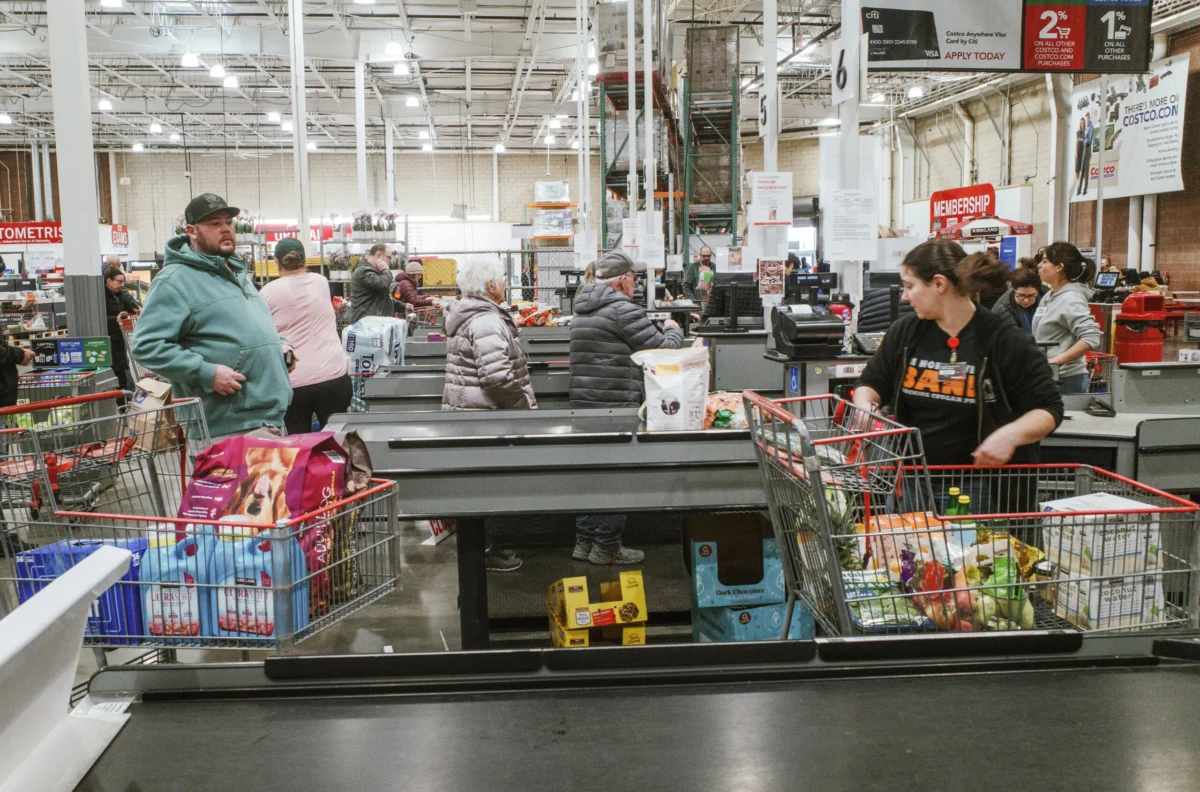
Federal Reserve Chairman Kevin Warsh, known for his direct communication style, underscored a critical economic reality during his inaugural news conference as chairman on June 17, 2026. "Persistently high prices are a burden for the American people," Warsh stated plainly, addressing the pervasive issue of nationwide inflation. While his remarks highlighted a universal challenge, they also inadvertently drew attention to a significant nuance: the burden of inflation is not evenly distributed across the United States. In some states, the cost of living provides a remarkable reprieve, offering a stark contrast to the more expensive regions.
This geographic disparity in affordability is a pivotal factor for both individuals and businesses. For companies, a lower cost of living can be a powerful magnet, aiding in the attraction and retention of skilled workers. It also translates to potential savings on wage costs, enhancing competitiveness. Recognizing its profound impact on economic viability, CNBC’s "America’s Top States for Business" study, now in its milestone 20th year, dedicates a significant category to the Cost of Living. Under the 2026 methodology, this category accounts for 2% of each state’s total score, a reflection of its growing importance in the national economic landscape. The assessment leverages an index of prices for a broad spectrum of goods and services, meticulously calculated by the Council for Community and Economic Research (C2ER). Furthermore, it comprehensively evaluates housing affordability for both homeowners and renters and, critically, measures the cost to insure a median-priced home, a metric increasingly relevant amidst a nationwide insurance crisis.
The Economic Backdrop: Inflation and the Fed’s Stance in 2026
Chairman Warsh’s direct acknowledgment of "persistently high prices" in mid-2026 reflects a prolonged period of inflationary pressures that have characterized the early part of the decade. Following a complex interplay of post-pandemic supply chain disruptions, robust consumer demand, and geopolitical instability—notably, the impact of the Iran war on energy markets in the first quarter of 2026—inflation has remained a central concern for the Federal Reserve. The Fed’s dual mandate of achieving maximum employment and price stability has driven a series of monetary policy adjustments in the preceding years, likely including multiple interest rate hikes and measures to reduce the money supply, all aimed at cooling an overheating economy and bringing inflation back towards its long-term target.
Despite these efforts, the May 2026 Consumer Price Index (CPI) figures continued to show elevated year-over-year increases across most regions: +5% in the Midwest, +3.9% in the South, and +3.5% in the West. These figures, while potentially showing signs of moderation compared to peak inflation, still represent a tangible erosion of purchasing power for many American households. For businesses, the challenge translates into higher operational costs, from raw materials to labor, necessitating strategic decisions about location and compensation. The regional variations in CPI and, more broadly, the cost of living, become crucial differentiators in this environment, offering certain states a competitive edge.
Methodology in Focus: Understanding the Cost of Living Metrics
CNBC’s comprehensive approach to evaluating the Cost of Living category is designed to capture the multifaceted nature of expenses. The core of the assessment relies on the C2ER Cost of Living Index, a widely respected tool that compares prices across various categories:
- Groceries: Everyday food items, a direct measure of household budget impact.
- Housing: Median home prices and average rental rates, alongside housing affordability as a percentage of median income.
- Utilities: Monthly energy bills and other essential services.
- Transportation: Fuel costs, public transit, and vehicle maintenance.
- Healthcare: General medical expenses, though often highly variable.
- Miscellaneous Goods and Services: A broad category covering everything from apparel to entertainment.
Beyond the C2ER index, the study’s emphasis on housing affordability is particularly significant. It considers both the financial burden on homeowners (mortgage payments, property taxes) and renters (monthly rent as a percentage of income). The inclusion of insurance costs, specifically homeowners’ premiums, underscores a critical and evolving challenge. The "insurance crisis" refers to a nationwide trend of escalating premiums and, in some cases, reduced availability of coverage, driven by an increase in severe weather events linked to climate change, rising repair costs, and shifts in underwriting practices. For states frequently impacted by tornadoes, hurricanes, wildfires, or other natural disasters, this component can substantially impact overall affordability.
America’s Most Affordable States in 2026: A Deep Dive
The following states have distinguished themselves by offering the lowest costs of living in 2026, providing a beacon of affordability for both residents and businesses.
10. Missouri
- 2026 Cost of Living score: 34 out of 50 points (Top States grade: B+)
- Consumer Price Index (May, Midwest Region, year-over-year): +5%
- Average rent (3-bedroom home): $1,582
- Average home price (Springfield): $478,702
- Monthly energy bill: $149.83
- Dozen eggs (Q1 2026): $3.22
- Loaf of bread (Q1 2026): $3.39
The "Show-Me State" lives up to its moniker when it comes to affordable living, particularly in its rental market. With an average rent for a three-bedroom home at just $1,582 annually, Missouri boasts the fifth-lowest rental burden as a percentage of median income nationwide, roughly half the cost seen in New Jersey. This affordability extends to everyday necessities; a head of lettuce in Joplin, for instance, costs 12% less than in New York City. Missouri’s economy, traditionally bolstered by manufacturing, agriculture, and logistics, benefits from its central location and robust transportation infrastructure, contributing to lower operational costs for businesses. However, the state faces a significant challenge with rising insurance premiums. Severe weather events, including a devastating tornado in and around St. Louis last year that claimed at least four lives and caused an estimated $1.6 billion in damage, have driven up costs. Insurify projects a further 7% increase in premiums this year, adding to what are already the 13th-highest rates in the country. This trend underscores the increasing financial vulnerability to climate-related events, even in otherwise affordable regions.
9. Ohio
- 2026 Cost of Living score: 35 out of 50 points (Top States grade: A–)
- Consumer Price Index (May, Midwest Region): +5%
- Average rent (3-bedroom home): $1,565
- Average home price (Cleveland): $388,116
- Monthly energy bill: $188.39
- Dozen eggs: $4.29
- Loaf of bread: $3.72
Ohio, the "Buckeye State," stands out not only for its low living costs but also as America’s overall Top State for Business in 2026, a testament to its compelling economic environment. The state’s affordability is a cornerstone of its appeal, particularly in housing. Cleveland offers remarkably affordable home prices, averaging just over one-third of what one would expect to pay in Boston. Statewide, the average rent ranks as the fourth-lowest in the country when measured as a percentage of median income, making it an attractive destination for families and young professionals. Ohio’s diversified economy, with strong roots in manufacturing (as exemplified by Ford’s assembly plant in Sheffield Lake), research, and healthcare, benefits immensely from this cost advantage, enabling businesses to attract talent and operate efficiently. While the Midwest region sees a 5% CPI increase, Ohio’s intrinsic affordability provides a buffer against broader inflationary pressures.
8. Kansas
- 2026 Cost of Living score: 36 out of 50 points (Top States grade: A–)
- Consumer Price Index (May, Midwest Region): +5%
- Average rent (3-bedroom home): $1,538
- Average home price (Salina): $348,000
- Monthly energy bill: $223.04
- Dozen eggs: $3.87
- Loaf of bread: $3.63
In the "Sunflower State," residents find their money stretches considerably further. Housing costs are the third-lowest nationwide, a significant advantage for both prospective homeowners and renters. Everyday expenses also reflect this affordability; a 64-ounce bottle of cooking oil in Salina is approximately 10% cheaper than in Chicago. Kansas’s economy is deeply rooted in agriculture, particularly wheat production, and also includes significant aviation and manufacturing sectors. However, like many of its Midwestern neighbors, Kansas is grappling with the escalating cost of homeowners’ insurance. The state experiences a range of severe weather, from powerful tornadoes and hailstorms in spring to intense summer heatwaves and harsh winter cold snaps. These climatic events contributed to homeowners’ premiums being the 10th-highest nationally last year, with a further 4% increase projected for 2026, indicating a growing strain on household budgets despite otherwise low living costs.
7. Iowa
- 2026 Cost of Living score: 36 out of 50 points (Top States grade: A–)
- Consumer Price Index (May, Midwest Region): +5%
- Average rent (3-bedroom home): $1,580
- Average home price (Burlington): $331,200
- Monthly energy bill: $205.61
- Dozen eggs: $3.63
- Loaf of bread: $3.63
Iowa, the "Hawkeye State," offers exceptional affordability, particularly in its housing market. Rents as a percentage of median income are the second-lowest in the country, trailing only Michigan. For those considering homeownership, Iowa’s housing is among the most affordable in the nation, making it an attractive option for building equity. The state’s robust agricultural sector and growing advanced manufacturing and bioscience industries provide stable economic foundations. Despite these advantages, Iowa is deeply affected by the ongoing insurance crisis. Six years after a devastating derecho caused over $11 billion in damages across the Midwest, with Eastern Iowa bearing the brunt, the long-term impact on insurance premiums remains a significant concern. This historical event serves as a stark reminder of the financial consequences of extreme weather, even in states with inherently low living costs.
6. Indiana
- 2026 Cost of Living score: 36 out of 50 points (Top States grade: A–)
- Consumer Price Index (May, Midwest Region): +5%
- Average rent (3-bedroom home): $1,711
- Average home price (Kokomo): $293,267
- Monthly energy bill: $197.80
- Dozen eggs: $3.92
- Loaf of bread: $3.53
Known as the "Crossroads of America," Indiana offers substantial savings, particularly in transportation costs. Even amidst the global implications of the Iran war in the first quarter of 2026, gasoline in Richmond, Indiana, was remarkably affordable at $2.82 a gallon. Vehicle maintenance also presents significant savings; getting a set of tires balanced in Kokomo costs approximately half of what it would in Conway, Arkansas. The state’s strategic location and extensive highway network contribute to its status as a logistics and manufacturing hub, supporting a competitive economic environment. Housing remains highly accessible, with an average home price in Kokomo well below the national median. While the Midwest region experiences a 5% CPI increase, Indiana’s core affordability in essential services like fuel and auto care provides a considerable advantage for its residents.
5. Wyoming
- 2026 Cost of Living score: 37 out of 50 points (Top States grade: A–)
- Consumer Price Index (May, West Region): +3.5%
- Average rent (3-bedroom home): $1,791
- Average home price (Laramie): $449,444
- Monthly energy bill: $208.17
- Dozen eggs: $3.28
- Loaf of bread: $4.29
The "Cowboy State" has commendably managed to contain the nationwide insurance crisis, at least for now. Homeowners’ premiums in Wyoming are among the lowest in the country at $1,929 per year (16th-lowest), and critically, they are not projected to increase at all in 2026. This stability is a significant boon for residents, especially when compared to the dramatic increases seen elsewhere. Wyoming’s economy is largely driven by its energy sector (oil, natural gas, coal), tourism, and agriculture, supporting a relatively low population density which may contribute to lower insurance risks. While some inflation is noted in food prices, other aspects remain highly affordable. Renting an apartment in Laramie, for example, costs roughly one-third of what it would in Arlington, Virginia, offering substantial savings for those seeking wide-open spaces and a relaxed pace of life. The West Region’s lower CPI of +3.5% also provides a more favorable inflationary environment.
4. South Dakota
- 2026 Cost of Living score: 38 out of 50 points (Top States grade: A)
- Consumer Price Index (May, Midwest Region): +5%
- Average rent (3-bedroom home): $1,785
- Average home price (Pierre): $474,200
- Monthly energy bill: $175.72
- Dozen eggs: $3.28
- Loaf of bread: $3.82
In the "Mount Rushmore State," monumental savings are a reality, particularly in housing. South Dakota homeowners enjoy the fourth-lowest monthly housing payments in the nation, according to ATTOM Data Solutions and U.S. Census figures. Buying a home in Pierre costs approximately 25% less than a comparable property in Miami. For those who prefer to rent, rental costs are among the bottom 10 nationwide. South Dakota’s economy is heavily influenced by agriculture, tourism, and financial services, providing a stable, if not booming, environment. Crucially, Insurify projects only a modest 1% rise in homeowners’ insurance premiums this year, a rate significantly lower than many other states, further solidifying its affordability. With one of the lowest monthly energy bills in the country, South Dakota offers a comprehensive package of low living expenses.
3. Alabama
- 2026 Cost of Living score: 38 out of 50 points (Top States grade: A)
- Consumer Price Index (May, South Region): +3.9%
- Average rent (3-bedroom home): $1,542
- Average home price (Anniston): $284,340
- Monthly energy bill: $239.21
- Dozen eggs: $4.72
- Loaf of bread: $3.80
Alabama, the "Yellowhammer State," offers sweet home affordability across various categories. Groceries, for instance, are notably inexpensive; a pound of bananas in Decatur costs 20% less than in Orange County, California. Both homeownership and renting present reasonable price points, with rents ranking as the 10th-lowest nationwide as a percentage of median income. The average home price in Anniston is roughly half that of Phoenix, making homeownership an attainable dream for many. Alabama’s economy, traditionally based on manufacturing (especially automotive and aerospace), agriculture, and timber, provides a foundation for its lower cost structure. While the monthly energy bill is higher than some other affordable states, the overall cost savings in housing and groceries significantly offset this. The South Region’s CPI of +3.9% is also relatively moderate, contributing to Alabama’s strong showing in affordability.
2. North Dakota
- 2026 Cost of Living score: 41 out of 50 points (Top States grade: A+)
- Consumer Price Index (May, Midwest Region): +5%
- Average rent (3-bedroom home): $1,908
- Average home price (Bismarck): $378,598
- Monthly energy bill: $157.22
- Dozen eggs: $3.27
- Loaf of bread: $3.83
The "Peace Garden State" lives up to its name by offering a peaceful existence for one’s wallet. North Dakota boasts some of the most affordable housing in the nation. A newly constructed, four-bedroom home in Bismarck, complete with ample space for a garden, costs less than half of what a comparable property would fetch in Bozeman, Montana. This represents a substantial saving for families and individuals seeking spacious living without the hefty price tag. Beyond housing, even apparel offers a bargain; a pair of casual slacks costs nearly one-third less than in Asheville, North Carolina. North Dakota’s economy is primarily driven by its robust energy sector (oil and gas) and agriculture, which contribute to a unique economic profile that helps maintain lower living costs. With one of the lowest monthly energy bills among the ranked states, North Dakota effectively counters the Midwest’s 5% CPI with deep discounts in essential categories.
America’s Cheapest State in 2026: West Virginia
- 2026 Cost of Living score: 43 out of 50 points (Top States grade: A+)
- Consumer Price Index (May, South Region): +3.9%
- Average rent (3-bedroom home): $1,726
- Average home price (Charleston): $274,429
- Monthly energy bill: $190.36
- Dozen eggs: $3.98
- Loaf of bread: $3.68
West Virginia, the "Mountain State," proudly claims the title of America’s cheapest state in 2026, offering living costs that are, quite literally, "almost heaven." A remarkable 81% of residents in West Virginia spend less than one-third of their monthly income on housing, the best figure of any state nationwide. This unparalleled housing affordability means that a significant portion of income remains available for other expenses or savings. Buying a home in Charleston, the state capital, costs approximately one-fifth as much as a comparable property in Seattle, making homeownership exceptionally accessible.
Beyond housing, West Virginia also shines in other critical areas. Insurance premiums are among the lowest in the country, providing further financial relief. Grocery bills are equally favorable; a bag of frozen sweet peas costs about 30% less than in Arlington, Virginia. Even filling a gas tank for the drive to the grocery store is significantly cheaper, costing about half of what it would in Los Angeles. West Virginia’s economy, historically rooted in coal mining, has been diversifying into tourism, advanced manufacturing, and renewable energy. This economic transition, coupled with a lower population density and strategic location within the Appalachian region, contributes to its profound affordability. The relatively moderate CPI of +3.9% for the South Region further enhances the state’s value proposition. For individuals and businesses seeking maximum purchasing power and minimal financial strain, West Virginia stands as an undeniable economic haven.
Broader Impact and Implications
The significant disparities in the cost of living across American states have profound implications for internal migration patterns, economic development, and policy-making. The sustained pressure of inflation, as highlighted by Federal Reserve Chairman Warsh, is likely to accelerate the trend of individuals and families relocating from high-cost urban centers and coastal regions to more affordable states, particularly those in the Midwest and South. This "affordability migration" can revitalize communities in these cheaper states, bringing new talent, consumer spending, and entrepreneurial spirit.
For businesses, the data reinforces the strategic advantage of operating in states with lower costs of living. Access to an affordable labor pool, coupled with lower operational expenses for real estate and utilities, can significantly boost a company’s bottom line and foster expansion. States like Ohio, which leverage their affordability to rank high in overall business competitiveness, serve as prime examples.
However, these affordable states also face challenges. Managing growth while preserving affordability is a delicate balance. The pervasive insurance crisis, driven by increasingly frequent and severe weather events, poses a long-term threat to affordability even in states currently boasting low premiums. State governments will need to consider innovative policies, from housing regulations to infrastructure investments and climate resilience strategies, to maintain their competitive edge and protect their residents from rising costs. The ongoing monitoring by studies like CNBC’s "America’s Top States for Business" will remain crucial in navigating these complex economic currents, offering valuable insights into where life remains a bargain in an inflationary world.
