

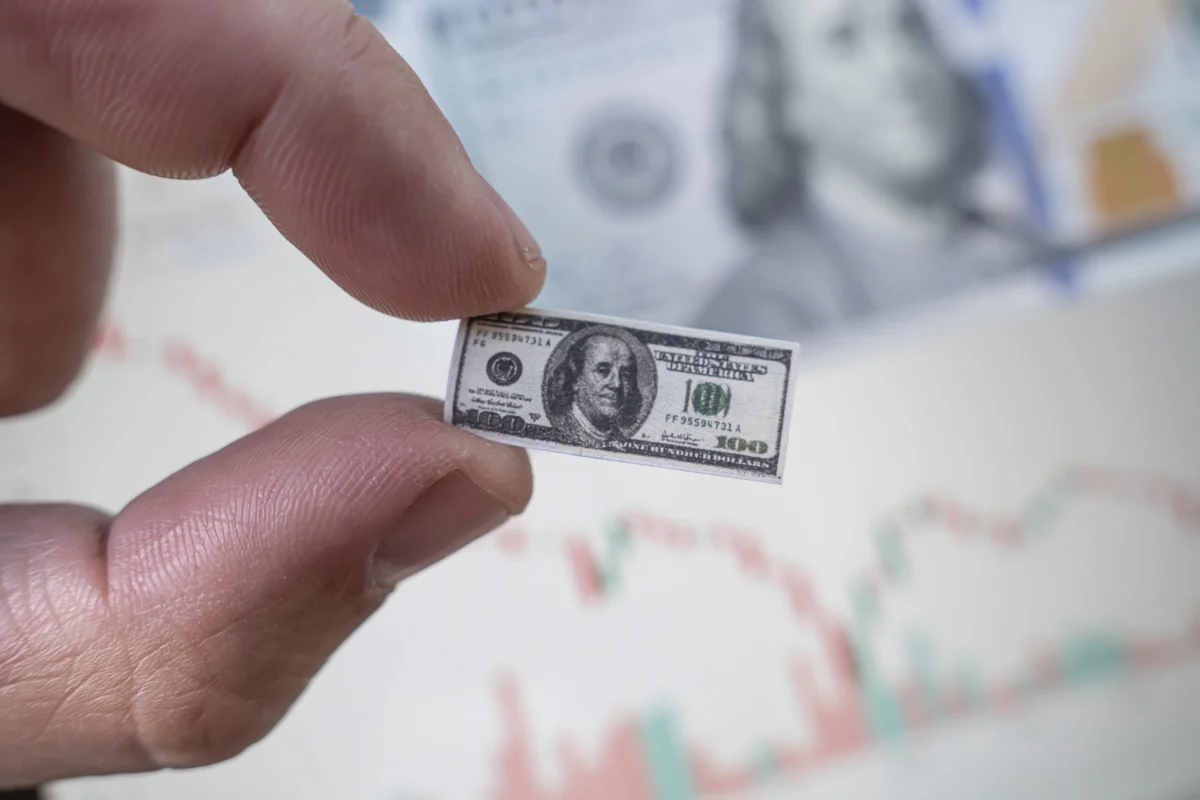
Americans are facing a significant economic challenge as inflation once again surpasses wage growth, leading to a renewed squeeze on household budgets and a decline in purchasing power. Recent data from the U.S. Bureau of Labor Statistics (BLS) reveals a widening gap between the cost of living and workers’ earnings, a trend that economists predict could persist, impacting consumer spending and the broader economy for an extended period.
The latest BLS figures paint a clear picture of this economic pressure. In August, consumer prices rose by 3.4% compared to the previous year. This marks a continued elevated inflation rate that has been a persistent concern for consumers. Simultaneously, average hourly earnings for U.S. workers increased by only 3.1% over the same period. When adjusted for inflation, this means that real average hourly earnings actually fell by 0.1% from July and were down by 0.3% from August of the previous year. This decline signifies a tangible loss in what workers’ paychecks can actually buy.
Heather Long, chief economist at Navy Federal Credit Union, emphasized the gravity of the situation. "A substantial number of Americans are worse off; their incomes are not keeping up with the price increases right now," she stated in an interview with CNBC. This sentiment is echoed by many households struggling to manage rising expenses for essential goods and services.
The reversal of a positive trend
For a period, U.S. workers had experienced a welcome trend where wage growth was consistently outpacing inflation, allowing them to gradually regain lost purchasing power. This positive trajectory was evident from May 2023 until approximately April of the current year. Long had previously been charting this relationship to highlight the improving economic conditions for workers, even as the overall price level remained a point of frustration for many.
However, this progress began to erode in the spring, a shift that Long attributes significantly to a surge in energy costs. "That’s what’s just hard to watch. Things were getting better, and now that improvement has blown up," she lamented. This reversal signifies a critical turning point, moving from a period of economic recovery for workers to one of renewed financial strain.
The impact of energy prices on inflation
Energy costs have emerged as a primary driver of the current inflationary pressures. In August alone, gasoline prices saw a notable increase of 3.9%. This surge in fuel costs accounted for more than one-third of the overall gain in the consumer price index (CPI) for that month. The situation has been exacerbated by rising diesel prices, which touched $6 per gallon for the first time on record, driven by fuel supply disruptions linked to ongoing conflicts in Iran and Ukraine.
Long specifically connects the current financial strain on households to the spike in energy prices following the conflict in Iran. Navy Federal had previously estimated a 21% jump in gasoline prices in March, which contributed to its measure of car ownership costs reaching an all-time high. This demonstrates how volatile global events can have direct and significant consequences on domestic economic conditions and individual budgets.
Economic Outlook: A Prolonged Period of Difficulty
Looking ahead, the economic outlook appears challenging. Long expressed pessimism about a substantial decline in inflation as long as geopolitical tensions persist, particularly in conjunction with moderating wage growth. "It’s going to be tough for a long time," she projected.
The most optimistic scenario, according to Long, would be for wage growth and inflation to converge again, potentially around the beginning of 2027. However, even in this best-case scenario, she cautioned that it would still feel "pretty miserable on Main Street if inflation equals wage growth." This highlights the deep impact of sustained inflation on the financial well-being of ordinary citizens.
Implications for Consumer Spending
A prolonged period of diminished purchasing power inevitably impacts consumer behavior. Consumer spending is a cornerstone of the U.S. economy, accounting for roughly two-thirds of all economic activity. As households find their paychecks stretching less and less, Long anticipates a trend of increased caution in their spending habits.
This shift in consumer behavior is already becoming evident in various economic indicators and consumer data. For instance, data from YouGov indicates a discernible pattern in grocery shopping habits. Higher-income shoppers are increasingly opting for warehouse clubs like Costco, while middle- and lower-income households are favoring discount stores such as Walmart Supercenter.
Navy Federal’s internal spending data, which analyzes the transactions of approximately 15 million members, corroborates this trend. Long observed a noticeable shift towards spending at warehouse clubs and discount retailers. "People who used to shop at Whole Foods are now at Costco, Aldi, and so you can see that people are still really trying to stretch every dollar," she noted. This behavior is not confined to a specific income bracket, appearing "almost across the income spectrum."
The frustration stemming from inflation and affordability is palpable, driving these adjustments in consumer behavior. Consumers are actively seeking ways to economize, whether by trading down to less expensive brands, shopping at discount retailers, or reducing discretionary spending. This collective effort to stretch finances underscores the widespread impact of the current economic climate.
Broader Economic Context and Historical Perspective
The current economic situation is a complex interplay of post-pandemic recovery, supply chain disruptions, and geopolitical instability. Following the significant economic shock of the COVID-19 pandemic, the U.S. economy experienced a period of robust wage growth as businesses competed for a limited labor pool. This was a welcome development for many workers who had seen stagnant wages for years.
However, the subsequent surge in demand, coupled with persistent supply chain bottlenecks and then the exacerbating effects of global conflicts, fueled an inflationary environment. Central banks, including the Federal Reserve, have been actively working to curb inflation through interest rate hikes. While these measures aim to cool demand and bring prices under control, they can also slow economic growth and impact employment.
The current data suggests that the Fed’s efforts, while potentially influencing inflation over time, have not yet fully offset the rising cost of living for many Americans. The gap between wage growth and inflation represents a critical challenge for policymakers, who must balance the need to control inflation with the imperative to support economic growth and protect household incomes.
Analysis of the Inflation-Wage Gap
The widening gap between inflation and wage growth has significant implications beyond individual household budgets. It can lead to decreased consumer confidence, which can, in turn, dampen overall economic activity. When consumers feel less financially secure, they tend to postpone large purchases, reduce discretionary spending, and save more, all of which can slow down economic expansion.
Furthermore, a sustained period of declining real wages can lead to increased social and economic inequality. Those with fixed incomes or whose wages do not keep pace with inflation are disproportionately affected, potentially exacerbating existing disparities.
The role of specific inflation drivers
While broad inflation figures are important, understanding the components driving price increases provides a more nuanced picture. As highlighted, energy costs have been a significant factor. However, other sectors also contribute. Food prices, housing costs, and healthcare expenses remain elevated for many Americans, adding to the overall burden.
The BLS report on the Consumer Price Index (CPI) provides a detailed breakdown of price changes across various categories. For instance, the cost of shelter, a major component of the CPI, has seen consistent increases, impacting renters and homeowners alike. Similarly, the price of groceries, while showing some moderation in certain categories, remains higher than pre-pandemic levels.
Potential Policy Responses and Future Considerations
The current economic climate necessitates careful consideration of policy responses. While the Federal Reserve’s monetary policy tools are focused on inflation control, fiscal policy measures could also play a role in supporting households and mitigating the impact of rising costs.
Economists and policymakers will be closely monitoring future BLS reports to assess whether the trend of inflation outpacing wage growth continues or if there are signs of a reversal. The global geopolitical landscape will also remain a critical factor, as ongoing conflicts and supply chain issues can introduce further volatility into commodity prices and inflation rates.
The resilience of the U.S. economy will be tested in the coming months. The ability of businesses to absorb rising costs, the effectiveness of monetary policy in taming inflation without triggering a severe recession, and the adaptability of consumers in navigating a challenging economic environment will all play crucial roles in shaping the nation’s economic trajectory. The current situation underscores the complex and interconnected nature of modern economies, where local price changes can be influenced by global events, and where the well-being of individuals is intrinsically linked to broader economic trends. The ongoing struggle to balance price stability with wage growth remains a central challenge for economic policymakers and a significant concern for millions of American households.
