

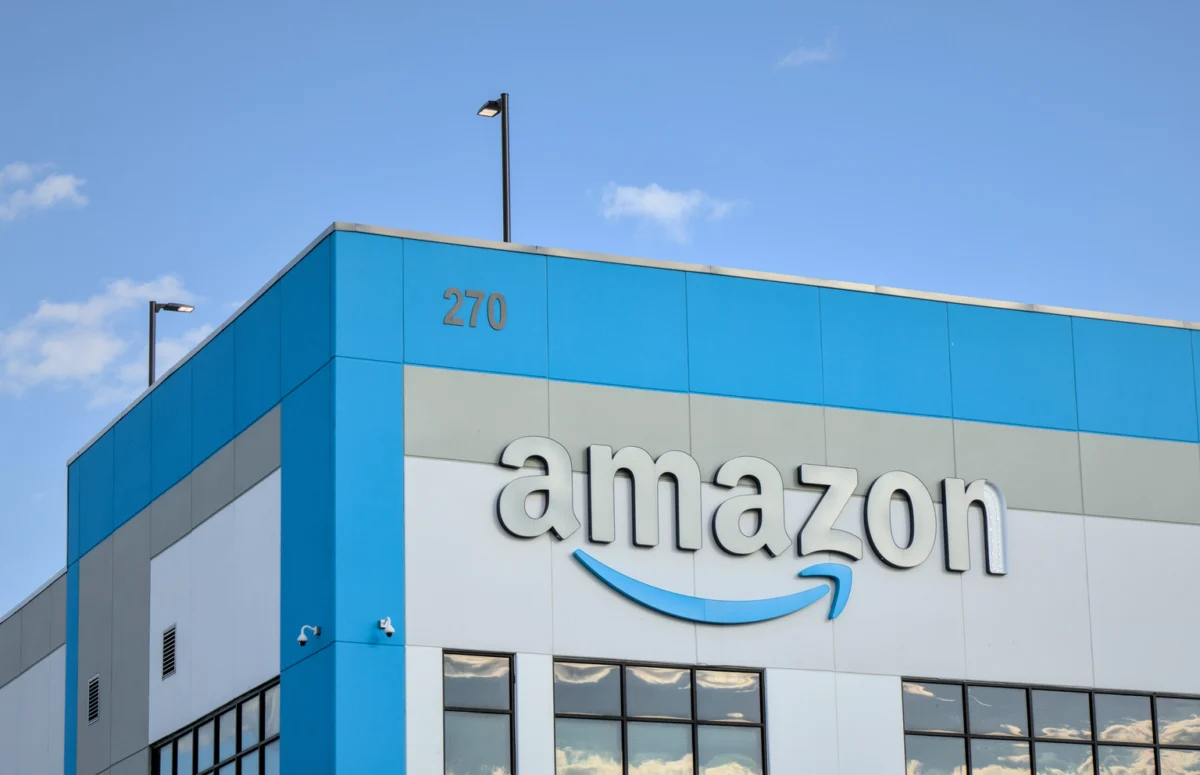
Sunday marked the 32nd anniversary of Amazon.com, Inc. (AMZN), a momentous occasion for the company that began as a nascent online bookstore and has since evolved into a multifaceted global behemoth spanning e-commerce, cloud computing, artificial intelligence, and digital streaming. Founded on July 5, 1994, by Jeff Bezos in Bellevue, Washington, the venture was born from Bezos’s foresight into the burgeoning internet economy, prompting him to depart from a lucrative career at a Wall Street investment firm. The company’s journey over more than three decades reflects a relentless pursuit of innovation, customer obsession, and aggressive market expansion, fundamentally reshaping multiple industries and consumer behavior worldwide. This significant milestone underscores not only Amazon’s enduring legacy but also its continuous adaptation and strategic pivots that have cemented its position as one of the most influential corporations of the 21st century. It is worth noting that while initial reports regarding this anniversary sometimes erroneously stated 35 years, the correct age, as confirmed by the company’s founding date, is 32 years.
The Genesis: Bezos’s Vision in the Dawn of the Internet Age
The story of Amazon’s inception is deeply intertwined with the early days of the internet, a period characterized by immense potential but also significant uncertainty. Jeff Bezos, then a senior vice president at D.E. Shaw & Co., a quantitative hedge fund, became captivated by the staggering growth rates of internet usage in the early 1990s, which he observed was expanding by 2,300% annually. This realization ignited what he later termed his "regret minimization framework," a thought experiment where he imagined himself at 80 years old, reflecting on his life choices. He concluded that he would regret not having participated in the internet revolution more than he would regret any potential failure from trying.
Driven by this conviction, Bezos made the audacious decision to leave his secure, high-paying job in 1994. He moved to Bellevue, Washington, partly due to its proximity to technology talent and the absence of sales tax in some states at the time, which could be beneficial for an online retailer. His initial concept involved creating an "everything store," but recognizing the logistical and technological limitations of the era, he strategically chose books as the inaugural product category. Books offered a vast inventory, low per-unit cost, and were easily shippable, making them an ideal entry point for an online retail venture. Operating out of a garage with a few employees, Bezos meticulously planned the launch of "Cadabra" – a name he quickly changed to Amazon, inspired by the Amazon River, symbolizing scale and vastness. The company was officially incorporated on July 5, 1994, and Amazon.com launched its website in July 1995, quickly gaining traction and demonstrating the viability of online commerce.
A Trajectory of Transformation: Key Milestones in Amazon’s History
Amazon’s 32-year history is a testament to its dynamic evolution, marked by strategic expansions, technological breakthroughs, and a willingness to venture into uncharted territories.
The 1990s: The Online Bookstore Era and Early Expansion
After its launch, Amazon rapidly established itself as the leading online bookseller. Its initial public offering (IPO) in May 1997, at $18 per share, raised $54 million, providing crucial capital for expansion. Despite widespread skepticism during the dot-com bubble, Amazon diversified its product offerings, moving beyond books to include music, videos, electronics, and toys. This early expansion laid the groundwork for its future "everything store" ambition, even as many other internet startups faltered during the dot-com bust of the early 2000s. Amazon’s focus on customer experience, reinvestment in infrastructure, and disciplined approach allowed it to survive and emerge stronger.
The 2000s: Diversification and Infrastructure Building
The new millennium saw Amazon solidify its position and make pivotal strategic moves. In 2005, it introduced Amazon Prime, a subscription service offering unlimited two-day shipping for an annual fee. Prime proved to be a revolutionary concept, fostering unparalleled customer loyalty and significantly increasing purchase frequency. A year later, in 2006, Amazon launched Amazon Web Services (AWS), initially conceived to manage Amazon’s own vast IT infrastructure. AWS quickly became a standalone, highly profitable business, offering cloud computing services to businesses worldwide. This strategic pivot into infrastructure-as-a-service transformed Amazon into a technology infrastructure provider, a move that would prove to be one of its most lucrative and impactful decisions. The introduction of the Kindle e-reader in 2007 further disrupted the publishing industry, showcasing Amazon’s capability to innovate in hardware and content delivery.
The 2010s: Ecosystem Expansion and Global Dominance
The 2010s were characterized by Amazon’s aggressive expansion into new markets and the solidification of its ecosystem. Key acquisitions like Zappos (2009) and Whole Foods Market (2017) demonstrated its intent to expand beyond purely online retail into physical stores and specialized segments. The launch of Alexa and the Echo smart speaker in 2014 marked Amazon’s entry into the smart home market, integrating artificial intelligence into daily life and creating a new interface for its services. Throughout this decade, Amazon significantly scaled its logistics and fulfillment network, investing billions in warehouses, delivery infrastructure, and last-mile solutions to ensure rapid and efficient delivery, further cementing its competitive advantage in e-commerce. Amazon Studios also began producing original content, challenging traditional media companies.
The 2020s: Navigating a New Decade
The early 2020s presented both unprecedented opportunities and challenges. The COVID-19 pandemic dramatically accelerated the shift to online shopping, leading to massive growth for Amazon’s e-commerce and logistics operations. However, it also brought increased scrutiny on labor practices, warehouse safety, and the company’s environmental footprint. In 2021, Jeff Bezos stepped down as CEO, transitioning to Executive Chairman, with Andy Jassy, the long-time head of AWS, taking the helm as CEO. Under Jassy, Amazon has continued to focus on innovation, sustainability, and efficiency, while also navigating a complex regulatory landscape concerning antitrust, data privacy, and market dominance across various global jurisdictions.
Statistical Overview: The Scale of a Modern Titan
Amazon’s journey from a garage startup to a global powerhouse is best illustrated by its staggering financial and operational metrics.
Market Capitalization: As of recent reports, Amazon consistently ranks among the world’s most valuable companies, often exceeding $1.8 trillion in market capitalization. This figure underscores investor confidence in its diverse business segments and future growth prospects.
Revenue Growth: Amazon’s revenue trajectory has been nothing short of exponential. From a modest $15.7 million in 1996, its annual net sales surged to over $574 billion in 2023. This remarkable growth reflects its relentless expansion into new product categories, geographical markets, and its highly successful cloud computing division.
Global Workforce: Amazon is one of the largest private employers globally, with over 1.5 million full-time and part-time employees worldwide as of late 2023. This vast workforce is distributed across its corporate offices, fulfillment centers, data centers, and delivery networks, highlighting its profound impact on employment markets.
AWS Dominance: Amazon Web Services remains a cornerstone of the company’s profitability. AWS holds a significant share of the global cloud computing market, often exceeding 30-35%, generating tens of billions in revenue annually and consistently contributing the majority of Amazon’s operating income. Its robust infrastructure supports countless businesses, from startups to Fortune 500 companies, making it an indispensable component of the modern digital economy.
Prime Membership: The Amazon Prime subscription service boasts over 200 million members worldwide. This loyal customer base is crucial for Amazon’s e-commerce business, driving repeat purchases and providing a steady stream of recurring revenue. Prime members typically spend significantly more on Amazon’s platform than non-members.
E-commerce Reach: Amazon’s e-commerce platform continues to dominate online retail in numerous countries, particularly in North America and parts of Europe. It processes billions of orders annually, offering millions of products from its own inventory and through its vast marketplace for third-party sellers.
Voices and Reflections: Perspectives on Amazon’s Enduring Legacy
Reflecting on Amazon’s 32-year journey provides an opportunity to consider the philosophies that have guided its path and the perspectives of those observing its continued evolution.
Jeff Bezos’s Foundational Philosophies: Bezos frequently emphasized "customer obsession" as Amazon’s core principle, believing that focusing intensely on customer needs would ultimately drive long-term success. Other key tenets included a long-term orientation, a willingness to invent and take risks, and a culture of frugality. His annual shareholder letters often articulated these principles, providing insight into the company’s strategic decision-making. "We are willing to be misunderstood for long periods of time," Bezos famously stated, highlighting the company’s comfort with pursuing unconventional strategies that might not yield immediate returns.
Andy Jassy’s Current Strategic Priorities: Since taking the helm as CEO, Andy Jassy has continued to uphold Amazon’s foundational principles while also steering the company through new challenges. His leadership has emphasized operational efficiency, continued innovation in AWS and new technologies like AI, and a renewed focus on improving employee experience and sustainability efforts. Jassy has articulated the importance of Amazon remaining a company that "invents, pioneers, and delivers for customers in new and meaningful ways."
Industry Analysts’ Insights: Financial and industry analysts consistently highlight Amazon’s unparalleled logistical capabilities, the strength of its Prime ecosystem, and the dominant market position of AWS as key competitive advantages. However, they also point to potential challenges such as increasing regulatory scrutiny, intense competition in various sectors, labor relations, and the need to manage its vast global operations efficiently while navigating macroeconomic headwinds. Analysts often view Amazon as a bellwether for the broader digital economy, with its performance offering insights into consumer spending habits and technological trends.
The Consumer Perspective: For consumers, Amazon has become synonymous with convenience, choice, and speed. The ability to order almost anything and have it delivered rapidly has set new standards for retail. However, this convenience also comes with evolving societal concerns, including the impact of fast fashion, packaging waste, data privacy, and the influence of a single dominant platform on smaller businesses and local economies.
Broader Implications: Reshaping Industries and Societies
Amazon’s 32 years of existence have left an indelible mark on global commerce, technology, and society, prompting profound shifts and raising new questions.
Economic Transformation: Amazon has been a significant engine of job creation, directly employing millions and indirectly supporting countless more through its vast network of third-party sellers, delivery partners, and suppliers. It has revolutionized supply chain management and logistics, pushing boundaries in automation and efficiency. The "Amazon effect" has pressured traditional retailers to innovate or face obsolescence, leading to a broader transformation of the retail landscape. Its marketplace model has also provided a platform for millions of small and medium-sized businesses to reach global customers.
Technological Advancement: Amazon’s pioneering role in cloud computing through AWS has been transformative, democratizing access to powerful computing resources and fueling the growth of startups and digital innovation across every sector. Its investments in artificial intelligence, exemplified by Alexa, have made voice technology ubiquitous, while its advancements in robotics and automation are reshaping warehouse operations and the future of work.
Societal Shifts: Amazon has profoundly influenced consumer expectations, making fast, free shipping and vast product selection the norm rather than the exception. This has contributed to a culture of instant gratification and heightened convenience. The rise of the gig economy for last-mile delivery, while offering flexible work, also raises questions about labor protections and worker rights. Furthermore, Amazon’s vast data collection practices and its influence on purchasing decisions contribute to ongoing debates about data privacy, algorithmic bias, and consumer autonomy.
Regulatory Landscape: As Amazon has grown, so too has the scrutiny from governments and regulatory bodies worldwide. Concerns about antitrust violations, market dominance, data protection, and fair competition have led to numerous investigations and legal challenges. The company faces a complex and evolving regulatory landscape, which will significantly shape its future operational strategies and growth avenues. Its environmental footprint, given the scale of its logistics and data centers, also necessitates continuous efforts in sustainability and emissions reduction.
The Road Ahead: Challenges and Opportunities
As Amazon embarks on its 33rd year, it faces a dynamic landscape filled with both formidable challenges and immense opportunities. Sustaining its innovation engine in an increasingly competitive technological environment, particularly in areas like artificial intelligence and quantum computing, will be paramount. The company must continue to navigate complex labor relations, balancing the demands of its vast workforce with its drive for efficiency and automation. Public perception and stakeholder expectations regarding its social and environmental responsibilities will play an increasingly critical role in shaping its brand and license to operate.
Globally, Amazon must contend with evolving macroeconomic conditions, geopolitical tensions, and diverse regulatory frameworks across its international markets. The ongoing digital transformation, accelerated by recent global events, continues to present opportunities for expansion into new services and geographies. The continuous pursuit of customer obsession, while balancing the interests of employees, shareholders, and the broader society, will define Amazon’s trajectory in the coming decades. Its journey from an online bookstore to a global technology and logistics powerhouse serves as a powerful case study in adaptability, foresight, and the relentless pursuit of scale in the digital age.
