

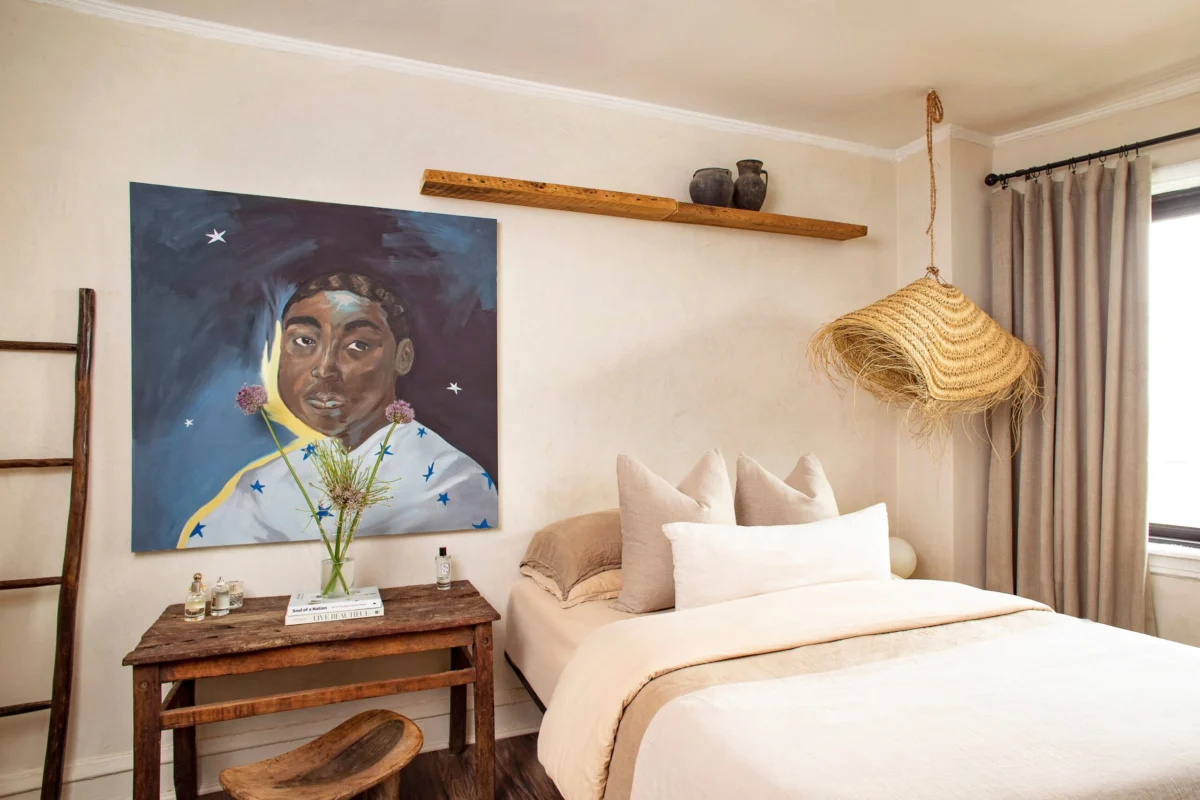
The global home textile market has witnessed a significant shift in consumer preference toward natural fibers, with linen bedding emerging as a dominant force in the luxury and mid-range segments. Once reserved for high-end coastal retreats and European estates, linen has transitioned into a year-round staple for diverse interior styles, ranging from the minimalist Scandinavian "beach house" aesthetic to maximalist urban apartments. This surge in popularity is driven by a growing awareness of textile sustainability, the functional benefits of moisture-wicking fabrics, and a stylistic move toward "perfectly imperfect" relaxed textures. As the bedding industry evolves, linen continues to be recognized as an "old faithful" material, valued for its exceptional breathability, temperature regulation, and longevity.
The Evolution and Market Context of Linen Bedding
Linen is one of the world’s oldest textiles, derived from the cellulose-based fibers of the flax plant (Linum usitatissimum). Historically, the production of linen was a labor-intensive process, making it a symbol of wealth and status. However, modern manufacturing advancements and the rise of direct-to-consumer (DTC) business models have democratized access to high-quality flax bedding. Industry data suggests that the demand for organic and natural bedding has grown by over 10% annually as consumers prioritize hypoallergenic and antibacterial properties in their sleeping environments.
The current market is characterized by a wide range of price points and aesthetic options. While traditional white and oatmeal tones remain popular, contemporary brands are introducing vibrant palettes—such as deep burgundies, botanical greens, and mustard yellows—alongside patterns like gingham and stripes. This diversification allows linen to fit into various design movements, including "cottagecore," which emphasizes rural, traditional aesthetics, and "maximalism," which celebrates bold colors and textures.
Technical Specifications: Understanding GSM and Fiber Origin
When evaluating the quality of linen sheets, industry experts and textile designers focus on several key metrics, most notably the Grams per Square Meter (GSM) and the origin of the flax.
Grams per Square Meter (GSM)
GSM measures the weight and density of the fabric. In the linen market, typical measurements range from 150 to over 200 GSM:
- 150–170 GSM: Considered lightweight to medium-weight, these sheets are ideal for hot sleepers and summer months due to their high airflow.
- 170–190 GSM: An all-season weight that balances durability with breathability.
- 200+ GSM: Heavyweight linen, often preferred by those in colder climates or those who enjoy a substantial, cozy feel. Heavyweight options, such as those produced by Linoto, are noted for their exceptional durability and "heirloom" potential.
Fiber Origin and Certification
The highest quality linen is generally sourced from Western Europe, specifically France and Belgium, where the climate and soil conditions are optimal for flax cultivation. "European Flax" certification ensures that the fiber is grown without irrigation and is GMO-free. Additionally, many top-tier brands seek Oeko-Tex Standard 100 certification, which guarantees that the finished textile has been tested for harmful substances and is safe for human health.
Comprehensive Analysis of Leading Linen Bedding Sets
Through rigorous real-world testing, several bedding sets have distinguished themselves based on texture, durability, and design.
Best Overall: Piglet Heritage Mix & Match Linen Bundle
The UK-based brand Piglet in Bed has established a reputation for producing high-quality 100% European flax linen that balances weight and softness. Their "Mix & Match" bundle allows consumers to customize sets with various colors and patterns, such as botanical green gingham or desert sand.
- Performance: Testers noted that the fabric feels "substantial" and "sturdy" upon first use but becomes significantly softer after subsequent washes.
- Durability: Even after a year of use and multiple laundering cycles, the sheets showed no signs of pilling or frayed threads, maintaining their color integrity.
- Price Point: $684–$805, positioned as a premium investment.
Airy and Coastal-Inspired: Serena & Lily Nantucket Stripe Linen Sheet Set
Targeted at those seeking a relaxed, seaside aesthetic, this set features delicate ruffle details on the flat sheet and a lightweight weave.
- Performance: It is specifically noted for its breathability, making it suitable for preventing night sweats in warmer climates. The texture is "worn-in" rather than abrasive, providing immediate comfort.
- Design: The striped mink print offers a neutral but personalized touch to bedroom decor.
The Value Leader: Quince European Linen Sheet Set
Quince has disrupted the luxury bedding market by offering 100% European flax sheets at a price point below $200 for a queen set.
- Performance: While slightly less soft than heirloom-quality options, the garment-washed, midweight fabric provides a Mediterranean-inspired aesthetic.
- Market Impact: This set represents the democratization of linen, making sustainable, natural bedding accessible to a broader demographic.
Maximalist and Heavyweight: Linoto Malbec Linen Sheet Set
Handmade in upstate New York using fine Italian and Belgian linen, Linoto products are distinguished by their high GSM (up to 210) and deeply saturated colors like Barolo wine and beeswax.
- Performance: These are "heavyweight" options, providing warmth for winter or for sleepers who prefer a "lived-in," substantial drape.
- Customization: The brand offers unique sizing, including European sizes and deep-pocket options, catering to specialized mattress needs.
Premium Craftsmanship: Pom Pom at Home Kelly Linen Sheet Set
This set focuses on "romanticizing" the bedscape through intricate scalloped embroidery and a smooth, stonewashed hand feel.
- Performance: Despite the typical texture of linen, this set is noted for its surprising smoothness, comparable to a high-end sateen but with the breathability of flax.
- Longevity: Its high construction quality suggests a multi-generational lifespan, justifying its $908 price tag.
Artisanal and Embroidered: Erica Tanov Cypress Washed Linen Sheet Set
Designed in collaboration with artisans in Jaipur, this set incorporates traditional Palestinian motifs, such as the Tree of Life.
- Performance: It is characterized as "incredibly soft" and resilient against the harsh laundering conditions of urban environments.
- Analysis: The set is viewed as a "true, honest product" where the price reflects the intensive labor and artistic detail involved in the manufacturing process.
Testing Methodology and Evaluation Chronology
To ensure the accuracy of these assessments, Architectural Digest editors and contributors conducted multi-month home trials. The testing protocol involved:
- Initial Assessment: Evaluating the hand feel, weight, and visual accuracy of the product upon arrival.
- Laundering Cycles: Washing and drying the sheets multiple times to test for shrinkage, color fading, and pilling.
- Sleep Trials: Using the sheets in various seasonal conditions to monitor temperature regulation and moisture-wicking capabilities.
- Durability Check: Inspecting seams, elastic (on fitted sheets), and embroidery after extended use.
This real-world approach moves beyond laboratory metrics to account for the nuances of daily use, such as how the fabric reacts to different skin types and ambient room temperatures.
Environmental and Economic Implications
The rise of linen is intrinsically linked to the global movement toward environmental sustainability. Flax is a resilient crop that requires significantly less water and fewer pesticides than cotton. Furthermore, the entire flax plant can be utilized, leaving no waste, and the resulting fiber is biodegradable.
Economically, the linen industry supports traditional textile hubs in Europe and artisanal communities in Asia and the United States. While the initial cost of linen is often higher than synthetic or cotton alternatives, its durability offers a lower "cost per use" over time. A high-quality linen sheet set can last decades if properly maintained, whereas cheaper cotton sets often require replacement every few years due to thinning or tearing.
Maintenance and Longevity: Official Care Recommendations
To maximize the lifespan of linen bedding, manufacturers and textile experts recommend specific maintenance routines:
- Washing: Use lukewarm or cold water with a mild, liquid detergent. Avoid bleach, as it can weaken the natural fibers.
- Drying: Tumble dry on a low heat setting and remove while slightly damp to minimize stiffening. Linen naturally softens with each wash as the pectin in the flax fibers breaks down.
- Storage: Store in a cool, dry place. Avoid plastic containers, which can trap moisture and lead to yellowing or mildew; natural fabric bags are preferred for airflow.
Conclusion and Future Outlook
The diversification of the linen market reflects a broader consumer trend toward intentional, sustainable, and high-quality home goods. As brands continue to innovate with blends—such as linen-Tencel or linen-cotton—to offer different textures and price points, the core appeal of 100% flax remains its unmatched ability to provide a comfortable, breathable, and aesthetically pleasing sleep environment. Whether chosen for its cooling properties in the summer or its cozy, substantial feel in the winter, linen has solidified its place as the premier choice for modern, elevated bedding. The shift toward these "heirloom" products suggests a move away from "fast fashion" in home textiles toward a more durable and environmentally conscious future.
