

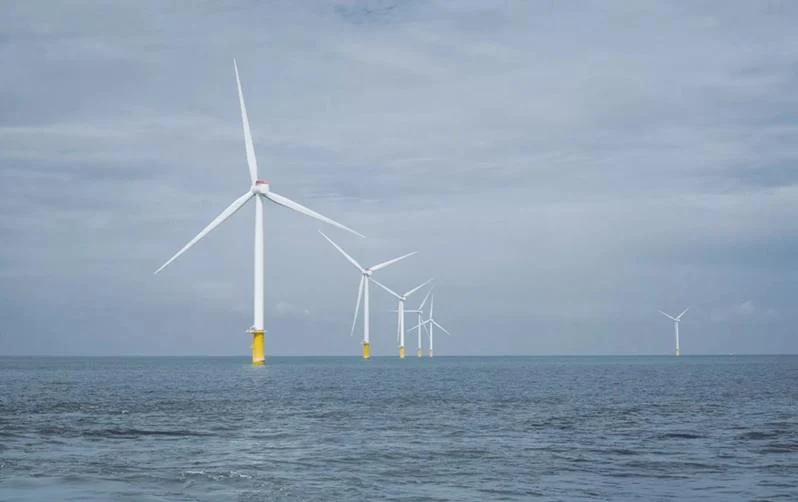
The heart of the litigation concerns a controversial settlement between the federal government and French energy conglomerate TotalEnergies. Under the terms of the deal, the administration agreed to reimburse the company nearly $1 billion in lease fees previously paid for offshore wind development rights. In exchange, TotalEnergies has reportedly pledged to abandon its current U.S. offshore wind projects and refrain from bidding on or developing any new wind infrastructure in U.S. waters. Furthermore, the administration disclosed that the reimbursed funds are expected to be redirected by TotalEnergies into domestic natural gas and conventional power projects, a move that critics argue weaponizes taxpayer dollars against the transition to renewable energy.
The Mechanics of the "Pay-Not-to-Play" Scheme
The lawsuit characterizes the agreement as a "sham deal" designed to circumvent congressional intent and existing environmental laws. According to the filing, the administration’s primary objective was not a legitimate settlement of a legal dispute, but rather a strategic maneuver to eliminate a major competitor in the renewable energy space. By paying a global energy giant to exit the market, the administration has effectively frozen billions of dollars in planned infrastructure investment.
New York Governor Kathy Hochul, a vocal supporter of the lawsuit, described the arrangement as an "outrageous abuse of taxpayer dollars." She emphasized that the deal directly undermines state-level efforts to achieve energy independence and meet statutory greenhouse gas reduction targets. "This pay-not-to-play scheme pressuring a foreign company to forego planned offshore wind projects in America in favor of gas and oil drilling hurts our ability to meet our energy needs and create good jobs," Hochul stated in a press briefing following the announcement.
The $1 billion payment represents a return of bonus bids and rental fees paid by TotalEnergies during previous federal lease auctions. Typically, these funds are held by the U.S. Treasury and are intended to benefit the American public through the management of federal lands and waters. The states argue that using these funds to incentivize the abandonment of clean energy projects constitutes an unauthorized use of federal revenue.
A Chronology of Federal Opposition to Offshore Wind
The lawsuit against the TotalEnergies deal is the latest chapter in a broader, multi-year effort by the Trump administration to dismantle the U.S. offshore wind sector. This campaign began on the President’s first day in office with the signing of a Presidential Memorandum that indefinitely halted all federal approvals for wind energy projects. While that memorandum was eventually challenged and partially struck down by federal courts, it set the tone for a regulatory environment defined by uncertainty and delay.
In the months leading up to the TotalEnergies settlement, the administration intensified its efforts by invoking national security concerns to pause leases for all large-scale offshore wind projects currently under construction. This "national security pause" effectively froze nearly 6 gigawatts (GW) of energy capacity that was slated to enter commercial operation within the next 24 months. For context, 6 GW is enough to power more than 2 million homes and represents a cornerstone of the East Coast’s strategy to replace aging fossil fuel plants.
Despite these federal hurdles, the offshore wind industry has sought relief through the judicial system. Several developers targeted by the lease pauses have successfully obtained preliminary injunctions, with courts often finding that the administration failed to provide adequate evidence that the projects posed a genuine threat to national security. The states argue that the TotalEnergies deal was "cooked up" precisely because the administration’s more direct attempts to ban wind energy were failing in court.
Legal Arguments: Violations of NEPA and OCSLA
The coalition’s legal challenge rests on several pillars of administrative and environmental law. First, the suit argues that the deal is "arbitrary and capricious" under the Administrative Procedure Act (APA). The states contend that the administration failed to provide a reasoned explanation for the sudden cancellation of the leases or to address how the loss of 6 GW of renewable energy would be mitigated.
Second, the lawsuit alleges a violation of the National Environmental Policy Act (NEPA). Under NEPA, federal agencies are required to conduct thorough reviews of the environmental impacts of major federal actions. The states argue that the administration failed to consider the long-term environmental consequences of cancelling these wind projects, including the increased carbon emissions that will result from the continued reliance on the gas and power projects TotalEnergies is now expected to fund.

Third, the suit cites the Outer Continental Shelf Lands Act (OCSLA), which governs the leasing of federal waters for energy development. OCSLA requires the federal government to hold public hearings before cancelling leases and necessitates close coordination with affected coastal states. The coalition claims the administration bypassed these statutory requirements entirely, presenting the deal as a "settlement" to avoid the transparency mandated by law.
Economic Data and the Impact on State Climate Goals
The implications of the TotalEnergies deal extend far beyond the legal realm, threatening the economic stability of the renewable energy supply chain. The seven states involved in the lawsuit have collectively committed to some of the most ambitious climate goals in the world. New York, for example, has a statutory mandate to reach 70% renewable electricity by 1930 and 9 GW of offshore wind by 1935. New Jersey and Massachusetts have similarly aggressive targets.
The removal of TotalEnergies from the market—and the potential for other developers to face similar pressure—creates a "chilling effect" on investment. Industry analysts suggest that the uncertainty caused by federal interference could raise the cost of capital for future projects, as investors demand higher returns to compensate for the risk of arbitrary federal cancellation.
Data from the American Clean Power Association indicates that the offshore wind industry was projected to support up to 83,000 jobs by 2030. Many of these jobs are located in disadvantaged coastal communities where port revitalization projects are already underway. By halting these projects, the states argue that the federal government is not only sabotaging the environment but also stripping economic opportunities from American workers.
Broader Implications and Industry Reactions
The "sham deal" with TotalEnergies has sent shockwaves through the global energy sector. While TotalEnergies has remained relatively quiet regarding the specifics of the negotiations, the company’s pivot toward U.S. gas and power aligns with the administration’s stated preference for fossil fuel expansion. However, the requirement that the company "pledge not to develop any new offshore wind projects in the U.S." is seen by many as an unprecedented restraint on trade.

Environmental advocacy groups have been quick to condemn the deal. "This is a clear case of the federal government picking winners and losers, and they are choosing to protect the profits of the past at the expense of the technology of the future," said a spokesperson for a leading environmental non-profit. "Using $1 billion in public money to stop progress on climate change is a betrayal of the public trust."
The lawsuit seeks to have the court strike down the agreement with TotalEnergies and vacate the lease cancellations, effectively forcing the administration to reinstate the projects. If the states are successful, it could set a powerful precedent limiting the executive branch’s ability to use "settlements" as a tool to bypass environmental statutes and congressional mandates.
As the case moves through the federal court system, the future of American offshore wind hangs in the balance. The outcome will determine whether the U.S. remains a viable market for large-scale renewable energy investment or if federal policy will continue to serve as a barrier to the energy transition. For the seven states leading the charge, the stakes are nothing less than the achievement of their sovereign energy and climate objectives.
