

The mortgage technology and credit verification landscape underwent a significant shift this week as Xactus, a leading provider of verification solutions for the mortgage industry, officially closed its acquisition of Mortgage Credit Link (MCL) from MeridianLink. Announced on Wednesday, the transaction represents a strategic "carve-out" that allows both entities to refine their market focus while providing Xactus with a critical technological hub used by dozens of consumer reporting agencies (CRAs). While the financial terms of the deal were not publicly disclosed, the acquisition is poised to reshape how credit and verification data are processed and distributed across both mortgage and non-mortgage sectors.
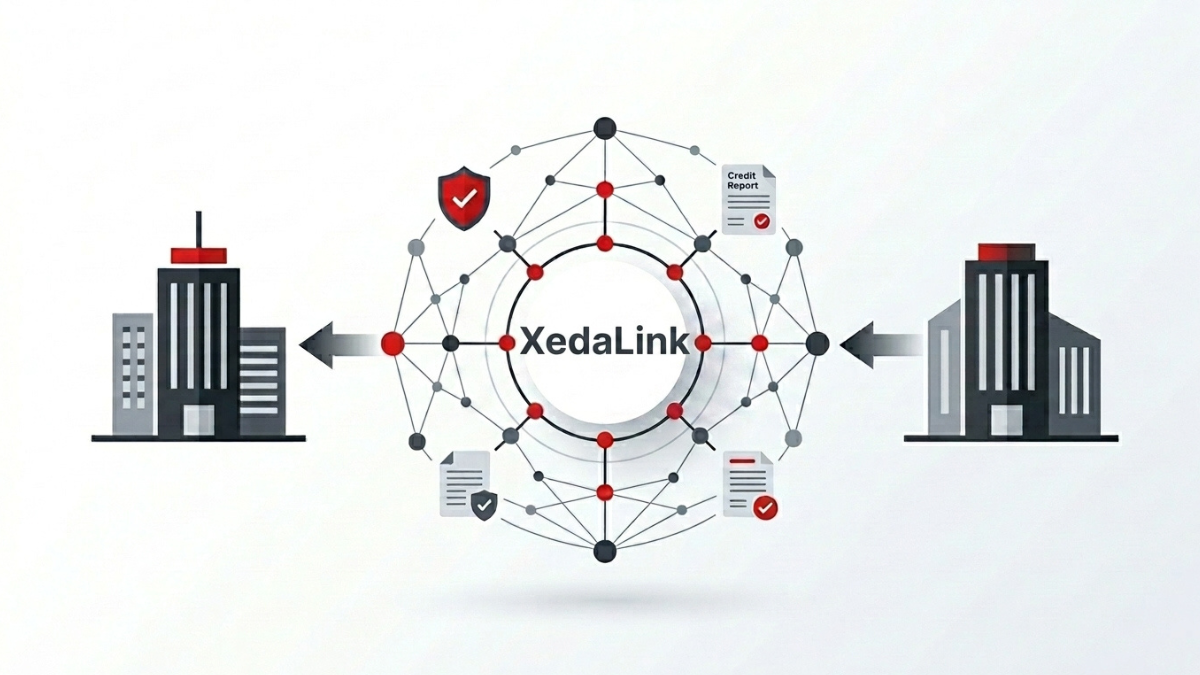
Under the terms of the agreement, MCL will undergo an immediate rebranding to XedaLink. To maintain market trust and operational continuity, XedaLink will function as an independent subsidiary of Xactus. This structural decision is intended to address potential concerns from competitors; MCL currently serves as an essential infrastructure provider for approximately 25 CRAs that compete directly with Xactus. By operating XedaLink as a distinct entity, separate from its primary Xactus360 platform, the parent company aims to preserve the integrity of third-party data while leveraging its broader corporate scale to modernize the platform’s underlying technology.
Strategic Objectives and the Rebranding of XedaLink
The transition of Mortgage Credit Link to XedaLink marks a pivotal moment for Xactus as it seeks to diversify its revenue streams and technological footprint. Historically, Xactus has operated primarily on its own proprietary verification technology. However, the acquisition of a web-based order-fulfillment hub provides the company with a unique vantage point in the credit reporting ecosystem. Many smaller CRAs and data resellers lack the capital or technical resources to build their own proprietary hubs, making platforms like the former MCL indispensable for their daily operations.
Shelley Leonard, President of Xactus, emphasized that the acquisition is not merely a play for market share but a commitment to infrastructure investment. In discussions following the announcement, Leonard noted that XedaLink would remain a separate brand to ensure that existing clients—many of whom are Xactus’s direct rivals—feel secure in the confidentiality of their data. The "Chinese Wall" between Xactus’s retail verification services and XedaLink’s wholesale hub services is a cornerstone of the post-acquisition integration strategy.
"First and foremost, we know how to run separate and distinct businesses; we will not compromise the integrity and confidentiality of their data," Leonard stated. She acknowledged that while client attrition is a natural risk in any acquisition involving competitors, the value proposition lies in the promised investment. According to Leonard, the platform had suffered from a lack of strategic focus under its previous ownership, and Xactus intends to reverse that trend by injecting new capital and technical expertise into the XedaLink ecosystem.
Contextualizing the Deal: MeridianLink’s Core Focus
For MeridianLink, the sale of MCL represents a streamlining of its business model. MeridianLink is a well-known provider of cloud-based software solutions for financial institutions, specializing in end-to-end loan origination systems (LOS). Their portfolio covers a broad spectrum of lending, including consumer loans, business loans, and digital mortgages.
By offloading the MCL hub, MeridianLink can better allocate resources toward its core LOS offerings and its burgeoning artificial intelligence initiatives. The "carve-out" nature of the deal suggests that while the credit hub was a functional part of the MeridianLink ecosystem, it was no longer central to the company’s long-term growth trajectory in the digital lending space. This divestiture allows MeridianLink to focus on the high-growth areas of loan origination and digital consumer experience, where they face stiff competition from other fintech giants.
Chronology of the Acquisition
The path to the acquisition was relatively swift, beginning in early 2024. According to leadership at Xactus, formal conversations regarding a potential transaction with MeridianLink initiated in February. Over the following months, both parties engaged in due diligence to ensure a smooth transition of the platform’s complex data architecture and its client base.
The deal reached its final stages in late May, officially closing on Tuesday. Clients of Mortgage Credit Link were notified of the change in ownership and the rebranding to XedaLink on Wednesday morning. Notably, the transaction did not trigger any mandatory regulatory or antitrust reviews, a common hurdle for larger mergers in the financial services sector. This lack of regulatory friction allowed for a rapid handover, ensuring that service for the roughly 100 existing clients remained uninterrupted during the transition.
As part of the structural integration, 12 dedicated team members from MeridianLink who were responsible for the MCL platform have transitioned to XedaLink. These employees will be integrated into the Xactus hierarchy under the respective technology, product, and operations leadership teams, ensuring that the institutional knowledge of the hub remains intact while benefiting from Xactus’s larger corporate support structure.
Diversification Beyond the Mortgage Market
One of the most significant implications of the acquisition is Xactus’s expanded reach into non-mortgage sectors. Prior to this deal, more than 90% of Xactus’s customer base was tied directly to the mortgage industry. While the mortgage sector remains the company’s primary focus, the acquisition of XedaLink provides an immediate entry point into other segments of the credit and legal services markets.
XedaLink’s client roster includes approximately 100 entities. Beyond the 25 CRAs, the platform is utilized by bankruptcy attorneys and debt consolidation firms. These sectors often require high-volume, reliable credit and verification data but operate under different regulatory and cyclical pressures than the mortgage market.
In a period where mortgage volumes have been suppressed by high interest rates and low housing inventory, diversifying into bankruptcy and debt consolidation services provides Xactus with a strategic hedge. These "counter-cyclical" industries often see increased demand during economic downturns or periods of high consumer debt, providing a more balanced revenue profile for Xactus as a whole.
Supporting Data and Market Environment
The acquisition comes at a time of significant transition for the credit reporting industry. The "Big Three" credit bureaus—Equifax, Experian, and TransUnion—have recently implemented price increases that have rippled through the mortgage lending chain. These costs are often passed down to consumers, making the efficiency of verification hubs more critical than ever.
Data from the mortgage industry suggests that the cost of credit reports has risen by double-digit percentages over the last two years. In this environment, lenders and CRAs are seeking technology partners who can provide not just data, but streamlined workflows that reduce manual labor and overhead. Xactus’s move to acquire and invest in the XedaLink hub is a direct response to this market demand for modernized infrastructure.
Furthermore, the broader fintech market has seen a trend toward consolidation. Companies are moving away from fragmented service models toward "one-stop-shop" verification platforms. By owning the hub that other CRAs use, Xactus positions itself at the center of the data flow, even when it isn’t the primary service provider for a specific loan.
Official Responses and Professional Analysis
Industry analysts view the move as a bold play by Xactus to assert dominance in the verification space. By providing the "pipes" through which its competitors’ data flows, Xactus gains a level of market intelligence and infrastructure control that is rare in the industry.
"The biggest change for clients is this platform has had a lack of strategic focus and investment for the last few years, and Xactus is changing that as of today," Leonard reiterated. This sentiment suggests that Xactus plans to introduce more automated features, better API integrations, and perhaps enhanced security protocols to XedaLink, making it a more attractive option for CRAs that might have been considering moving to other platforms.
From a technical perspective, the integration of the 12-person MeridianLink team into Xactus’s product and operations departments suggests a focus on stability. Xactus is likely looking to avoid the "migration fatigue" that often occurs when platforms change hands. By keeping the platform distinct and the original team involved, they are minimizing the friction for the 100 clients who rely on XedaLink for their daily business operations.
Financial Advisory and Legal Framework
The complexity of a corporate carve-out requires significant legal and financial oversight. Xactus was advised throughout the process by the law firms Kirkland & Ellis and McDonald Hopkins. Financing for the transaction was facilitated by JP Morgan, highlighting the confidence that major financial institutions have in Xactus’s growth strategy.
On the sell side, MeridianLink utilized the services of Raymond James as its financial advisor, with legal counsel provided by King & Spalding. The involvement of these high-profile firms underscores the significance of the deal within the financial technology sector, despite the undisclosed purchase price.
Future Outlook: The Road Ahead for XedaLink
Looking forward, the success of the XedaLink acquisition will be measured by Xactus’s ability to retain the existing CRA client base while expanding the platform’s capabilities. The company has made it clear that the status quo is not the goal; rather, they intend to transform XedaLink into a premier, modernized hub that can compete with any other fulfillment platform in the market.
For the mortgage industry, this acquisition signals a continued move toward technological consolidation. As lenders demand faster turnarounds and more accurate data to satisfy secondary market requirements and regulatory scrutiny, the role of intermediary hubs like XedaLink becomes increasingly vital.
By diversifying into bankruptcy and debt consolidation, Xactus is also preparing for a shifting economic landscape. If consumer credit stress continues to rise, the data needs of bankruptcy attorneys and debt relief firms will grow, potentially making XedaLink a significant contributor to Xactus’s bottom line outside of the traditional home-buying cycle.
In conclusion, the acquisition of Mortgage Credit Link and its rebranding as XedaLink is a multifaceted strategic move. It allows MeridianLink to sharpen its focus on loan origination software, provides Xactus with a new revenue stream and a diversification hedge, and promises the credit reporting industry a renewed investment in a critical piece of infrastructure. As Xactus integrates the new team and begins its investment cycle, the market will be watching closely to see how the "independent subsidiary" model fares in an increasingly competitive and consolidated landscape.
