

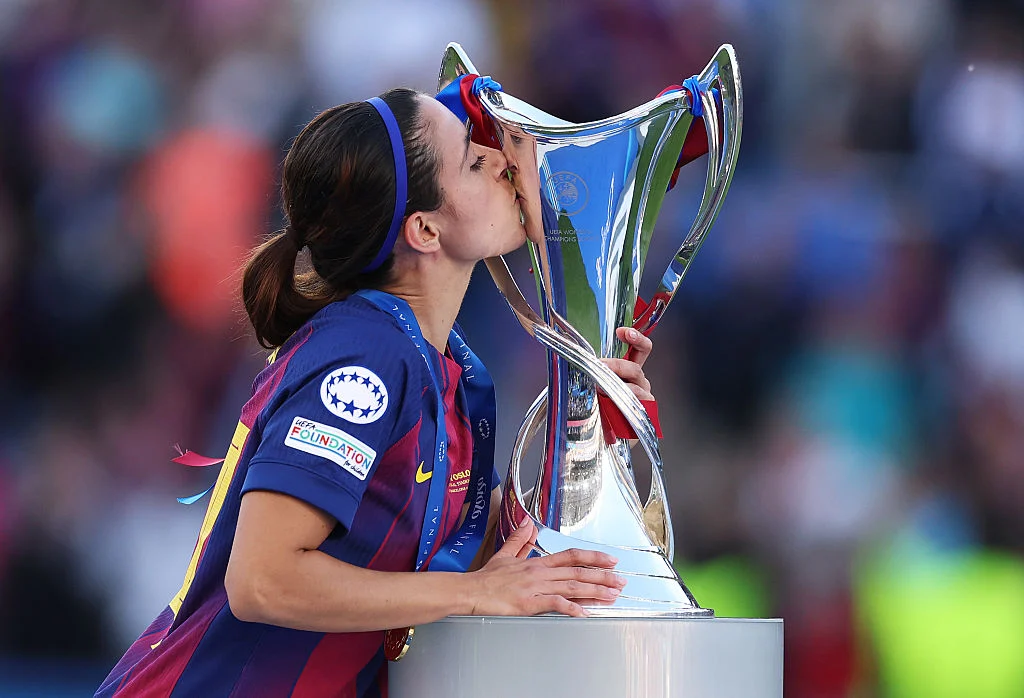
Barcelona cemented their status as the preeminent force in women’s football, securing a historic quadruple of trophies for the 2023-2024 season with a resounding 4-0 victory over perennial rivals Olympique Lyonnais in the UEFA Women’s Champions League final. Staged at the Ullevaal Stadion in Oslo, Norway, on May 25, 2024, the comprehensive win not only delivered Barcelona their third Champions League title but also marked a definitive shift in the continental power dynamic, emphatically replacing Lyon’s decade-long domination with their own burgeoning dynasty. The triumph saw a spectacular second-half surge, spearheaded by two goals from Ewa Pajor and two from Salma Paralluelo, showcasing Barcelona’s depth, tactical prowess, and unwavering ambition.
A Historic Quadruple Sealed in Oslo
The victory in Oslo represented the culmination of an extraordinary season for Barcelona Femení, who had already claimed the Liga F title, the Copa de la Reina, and the Supercopa de España. The pursuit of the Champions League had been the final, most coveted piece of silverware, and the team delivered under immense pressure against their most formidable opponent. This accomplishment places Barcelona in an elite echelon of clubs across men’s and women’s football to achieve such a clean sweep of major domestic and continental honours in a single campaign, a testament to their consistent excellence and strategic development. The atmosphere at the Ullevaal Stadion, packed with an enthusiastic crowd of over 20,000, underscored the growing global appeal and significance of women’s club football, with fans witnessing a match of profound historical importance.
The Defining Rivalry: Barcelona vs. Lyon
The encounter between Barcelona and Lyon was more than just a final; it was the latest chapter in a burgeoning, high-stakes rivalry that has come to define European women’s club football in the modern era. Lyon, with a record eight Champions League titles to their name, had long been the undisputed queens of the continent, a benchmark against which all other teams were measured. Their previous encounters with Barcelona, particularly the 2019 final in Budapest (4-1 to Lyon) and the 2022 final in Turin (3-1 to Lyon), had seen the French giants assert their dominance, often serving as painful lessons for the Catalan side. Barcelona’s sole victory against Lyon in a major final prior to this match was their 2021 triumph against Chelsea, and their 2023 win against Wolfsburg. This Oslo final, therefore, carried an added layer of significance: it was not just about winning a trophy, but about definitively proving that Barcelona had surpassed their rivals and established a new order. The narrative of the student surpassing the master was palpable, adding immense dramatic weight to the fixture.
A Tale of Two Halves: Match Dynamics
The first half of the final was a tense, tactical affair, characteristic of two elite teams unwilling to concede an inch. Both sides demonstrated defensive solidity and probed for weaknesses, resulting in limited clear-cut opportunities. Barcelona, known for their intricate passing and possession-based football, found themselves met with Lyon’s disciplined pressing and physical intensity. Lyon, despite their historical pedigree, understood the threat posed by Barcelona’s star-studded midfield and dynamic attack, opting for a cautious approach in the initial stages. The midfield battle was particularly fierce, with Barcelona’s Ballon d’Or winners Aitana Bonmatí and Alexia Putellas constantly seeking to unlock Lyon’s defensive lines, while Lyon’s own experienced campaigners worked tirelessly to disrupt their rhythm. The halftime whistle blew with the scoreline deadlocked at 0-0, leaving fans anticipating an explosive second half.
The resumption of play, however, saw a seismic shift in momentum. Barcelona emerged from the dressing room with renewed vigour and a sharpened attacking intent, seemingly having identified and exploited vulnerabilities in Lyon’s structure. The tactical adjustments made by Barcelona’s coach, Jonatan Giráldez, proved instrumental in unleashing their potent offensive capabilities.
Pajor’s Redemption and Paralluelo’s Brilliance
The breakthrough arrived in the 55th minute, a moment of profound personal significance for Barcelona forward Ewa Pajor. The former Wolfsburg star, who had endured the heartbreak of losing five previous European title matches, finally made her sixth final appearance count. The goal was a testament to Barcelona’s collective brilliance, initiated by a surging 40-meter run from Patri Guijarro. Often overshadowed by her more decorated midfield counterparts, Guijarro’s powerful drive through the heart of Lyon’s midfield created space, allowing her to deliver a perfectly weighted assist to Pajor. Pajor, with clinical precision, unleashed an arrowing low shot that found the back of the net, sending the Barcelona faithful into raptures and breaking the deadlock. The relief and joy on Pajor’s face were palpable, a redemption story unfolding on the grandest stage.
Just 14 minutes later, in the 69th minute, Pajor doubled Barcelona’s lead and her personal tally. This goal epitomized Barcelona’s relentless attacking pressure. With the Lyon defence stretched and visibly fatigued, Barcelona’s attacking players were queuing up to score. Pajor capitalized on a close-range opportunity, demonstrating her predatory instincts to put the ball past the beleaguered Lyon goalkeeper. Her two goals provided Barcelona with a comfortable cushion and effectively deflated Lyon’s hopes of a comeback.
The final nails in Lyon’s coffin were delivered by the electrifying Salma Paralluelo. In the 90th minute, Paralluelo, a rising star known for her explosive pace and powerful shot, fired in a magnificent rising shot that left the goalkeeper with no chance, further extending Barcelona’s lead to 3-0. Not content with just one, Paralluelo added another slick finish in stoppage time, capping off a dominant performance with a brace of her own. Her late goals were not merely statistical additions; they underscored Barcelona’s superiority and their ability to maintain intensity until the very last whistle.
The Architects of Victory: Key Players and Tactical Masterclass
While the goalscorers garnered the headlines, the victory was a collective effort, built upon individual brilliance and a cohesive tactical framework. Patri Guijarro’s assist for the opening goal highlighted her often-overlooked but crucial role in Barcelona’s midfield. Operating alongside Ballon d’Or winners Aitana Bonmatí and Alexia Putellas, Guijarro provides a vital blend of defensive solidity, passing range, and powerful forward runs that underpin Barcelona’s fluid system. Bonmatí, the reigning Ballon d’Or holder, orchestrated play with her customary elegance and vision, dictating the tempo and threading incisive passes. Putellas, while perhaps not at her peak physical condition after injury, still contributed her invaluable experience and leadership from the bench.
Defensively, Barcelona remained resolute, neutralizing Lyon’s potent attackers and maintaining a clean sheet against a team renowned for its offensive firepower. The backline, marshaled by their experienced central defenders, worked in concert with the midfield to press high, win back possession, and initiate attacks. Goalkeeper Cata Coll, though not heavily tested in the second half, commanded her area with confidence. Jonatan Giráldez’s tactical acumen was evident throughout, particularly in his ability to motivate and adjust his team at halftime, turning a tight contest into a comprehensive rout. His meticulous preparation and understanding of Lyon’s strengths and weaknesses proved decisive.
A New European Dynasty: Barcelona’s Ascent
This third UEFA Women’s Champions League title in four seasons (2021, 2023, 2024) unequivocally establishes Barcelona as the new dominant force in European women’s football. Their trajectory has been meteoric, transforming from a team that consistently fell short against established giants like Lyon into a club that now sets the benchmark for excellence. This era of Barcelona’s dominance is characterized by not only their success on the pitch but also their commitment to developing talent, investing in infrastructure, and fostering a unique playing philosophy rooted in total football. The club’s academy, La Masia, has played a significant role in nurturing homegrown talents who now form the core of the first team, blending seamlessly with world-class international signings.
The term "dynasty" is now fitting for Barcelona Femení. Their consistent collection of major trophies, their ability to perform under pressure, and their captivating style of play have captivated audiences worldwide. This period replaces the previous decade, where Lyon reigned supreme, highlighting a fundamental shift in the landscape of women’s club football.
Lyon’s Enduring Legacy and the Shifting Landscape
For Olympique Lyonnais, the defeat was undoubtedly a bitter pill to swallow. Despite their formidable history and an incredible eight Champions League titles, this loss signifies the definitive end of their era of undisputed supremacy. While they remain an elite club with a roster of world-class players, the emergence of Barcelona has presented a challenge they have struggled to consistently overcome in recent years. The pain of this defeat will likely fuel their determination to regroup and return stronger, but it also forces a critical introspection into how they can adapt to the evolving tactical and physical demands set by Barcelona. Their coach, Sonia Bompastor, will face the task of rejuvenating the squad and finding new strategies to counteract Barcelona’s relentless pressure. Lyon’s legacy, however, remains undeniable, and their contribution to elevating women’s football to its current professional standards is immense.
Broader Implications for Women’s Football
The 2024 UEFA Women’s Champions League final in Oslo carries significant broader implications for the development and visibility of women’s football globally. The high-quality football displayed, the packed stadium, and the dramatic narrative of a power shift contribute to the sport’s burgeoning appeal.
- Increased Investment: Barcelona’s success is a powerful advertisement for increased investment in women’s football from clubs, sponsors, and governing bodies. It demonstrates that sustained success and fan engagement are achievable with proper resources and strategic planning.
- Global Reach: The Champions League final, broadcast to a global audience, further elevates the profile of women’s club football, attracting new fans and inspiring young athletes around the world.
- Competitive Standards: The intensity of the Barcelona-Lyon rivalry pushes both teams, and indeed the entire European club landscape, to higher competitive standards. Other clubs will now look to emulate Barcelona’s model of success, leading to a more competitive and exciting future for the sport.
- Role Models: Players like Ewa Pajor, Salma Paralluelo, Aitana Bonmatí, and Alexia Putellas become even more prominent role models, inspiring a new generation of girls to pursue football with passion and dedication.
The Road Ahead
For Barcelona, the challenge now lies in maintaining this unprecedented level of success. The weight of expectation will be immense, and rivals will be more determined than ever to dethrone them. The club will need to continue its astute player management, tactical evolution, and commitment to fostering a winning culture. While the current squad is formidable, the demands of competing on multiple fronts require continuous development and strategic squad rotation.
For Lyon, the task is clear: to analyze, adapt, and rebuild. Their pride has been wounded, but their history suggests they possess the resilience to bounce back. The rivalry between these two giants promises to continue shaping the narrative of European women’s football for years to come, ensuring that future encounters will be watched with bated breath by fans across the globe. The Ullevaal Stadion in Oslo witnessed not just a football match, but a coronation and a powerful statement about the future direction of women’s club football, with Barcelona firmly at its helm.
