

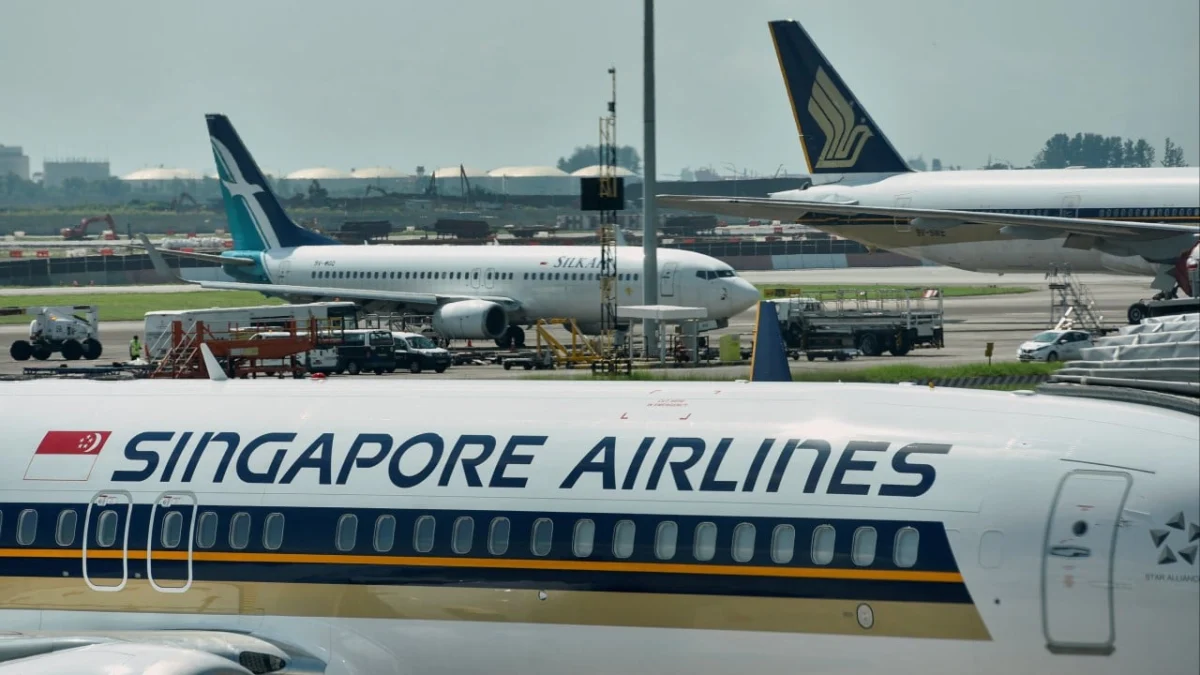
Singapore Airlines (SIA) is embarking on a strategic expansion of its long-haul operations to Europe, a move that stands in stark contrast to the broader trend of capacity cuts and route re-evaluations currently seen across the Asian aviation sector. As high fuel prices and geopolitical instability in the Middle East force many regional competitors to adopt a defensive posture, the Singaporean flag carrier is leveraging its robust financial position and strategic geographic advantages to capture premium traffic. This expansion is designed to position SIA as the primary alternative to Middle Eastern "Big Three" carriers—Emirates, Qatar Airways, and Etihad Airways—which are currently navigating significant operational disruptions.
The airline’s growth strategy comes at a time when the aviation industry is grappling with a volatile operating environment. While many carriers are struggling with the rising cost of Brent crude and the logistical complexities of avoiding conflict zones, SIA has identified a window of opportunity. By increasing flight frequencies and launching new services to key European gateways, the airline aims to secure a larger share of the lucrative Asia-Europe transit market, a segment traditionally dominated by the major Gulf hubs in Dubai, Doha, and Abu Dhabi.
Strategic Expansion and Route Enhancements
On May 8, 2024, Singapore Airlines officially detailed its plan to bolster its presence in the European market. The expansion, set to roll out in phases throughout the year, targets both established business hubs and popular leisure destinations. Starting in July, the carrier will increase its services from Singapore’s Changi Airport to Manchester, Milan, and Munich. Furthermore, the airline is strengthening its presence in the United Kingdom by adding capacity to its newly launched London Gatwick service, which complements its existing high-frequency operations to London Heathrow.
A significant highlight of the expansion is the introduction of a new service to Madrid, Spain, via Barcelona. Scheduled to commence in October 2024, this route will operate five times a week, providing enhanced connectivity to the Iberian Peninsula. These moves are not merely about adding seats; they represent a calculated effort to provide more flexible scheduling and direct options for premium travelers who may be looking to avoid the traditional stopovers in the Middle East.
Industry analysts suggest that this "demand capture counter strategy" is a direct response to the vulnerabilities currently faced by Gulf carriers. Kadam Aggarwal, a partner at the management consulting firm YCP specializing in aviation, notes that the Middle Eastern airlines are currently ceding market share due to the compounding pressures of regional conflict and high operational costs. By establishing itself as a reliable, premium alternative, SIA hopes to foster long-term customer loyalty and "stickiness" among travelers who value stability and service quality.
The Geopolitical and Economic Landscape
The backdrop of this expansion is a complex interplay of geopolitics and economics. The ongoing conflict in the Middle East has created significant challenges for airlines utilizing the region’s airspace. Carriers operating through hubs in Dubai or Doha have had to contend with shifting flight paths to avoid restricted zones, often resulting in longer flight times and increased fuel consumption. For passengers, the perceived risk of traveling through or near conflict-affected areas has led some to seek alternative routes.
Singapore, situated further East, offers a geographic "safe haven" for transit. While a flight from Sydney to London via Singapore is slightly longer in total distance than one via Dubai, the perceived stability of the Changi hub is becoming a powerful marketing tool. Furthermore, the closure of Russian airspace to many Western and Asian carriers following the invasion of Ukraine has already forced a reconfiguration of Asia-Europe flight paths. SIA, having already adjusted its routes to bypass Russia, is now well-positioned to handle the additional complexities of the current Middle Eastern situation.
Economically, fuel remains the single largest expense for any airline. However, SIA’s sophisticated fuel hedging strategy provides it with a level of insulation that many of its peers lack. In its recent financial disclosures, the airline indicated that it had hedged a significant portion of its fuel requirements at favorable prices, allowing it to maintain competitive pricing even as spot prices for jet fuel fluctuate. This financial foresight, combined with a record-setting net profit of S$2.68 billion for the 2023/24 fiscal year, has given SIA the "war chest" necessary to fund an aggressive expansion while others are retrenching.
Chronology of SIA’s Strategic Pivot
To understand the current expansion, it is essential to look at the timeline of SIA’s post-pandemic recovery and its recent tactical shifts:
- Early 2023: SIA reports a rapid return to profitability as Asia-Pacific borders fully reopen. The airline begins restoring its pre-pandemic network with a focus on high-yield premium routes.
- Late 2023: Geopolitical tensions in the Middle East escalate, leading to increased scrutiny of flight paths over the region. Major Gulf carriers begin reporting minor delays and increased operational costs due to rerouting.
- March 2024: SIA concludes its fiscal year with record-breaking profits, driven by high passenger load factors and a strong performance from its low-cost subsidiary, Scoot.
- May 8, 2024: The airline formally announces its European expansion plan, targeting Manchester, Milan, Munich, and London Gatwick for increased frequency.
- June 2024: SIA officially launches its service to London Gatwick, marking its second gateway into the UK capital.
- July 2024: Incremental frequency increases begin across the European network.
- October 2024: The new Madrid-via-Barcelona service is scheduled to launch, completing the current phase of the European push.
Data-Driven Insights and Market Positioning
The success of SIA’s strategy is backed by strong operational data. According to recent traffic reports, the carrier’s passenger load factor (PLF)—a measure of how many seats are filled—has consistently remained above 85% on its European routes. This indicates a high level of underlying demand that justifies the addition of more flights.
Furthermore, the composition of SIA’s fleet plays a crucial role in its expansion. The airline heavily utilizes the Airbus A350-900 and Boeing 787-10 Dreamliner for its long-haul routes. These aircraft are among the most fuel-efficient in the sky, reducing the per-seat cost of long-haul travel compared to older four-engine aircraft still used by some competitors. The A350-900, in particular, is used for the airline’s "Ultra Long Range" (ULR) flights, allowing for non-stop connectivity that bypasses intermediate hubs entirely.
In contrast, while the Gulf carriers possess massive fleets of A380s and 777s, their business model relies heavily on the "hub-and-spoke" system. If the "hub" (the Middle East) is perceived as volatile, the entire model faces pressure. SIA’s "hub-and-spoke" via Singapore is currently viewed as a more stable alternative for the premium "Kangaroo Route" (Australia to Europe) and for travelers from Southeast Asia heading to the West.
Official Responses and Industry Sentiment
While Singapore Airlines has been vocal about its growth plans, its rivals in the Gulf have remained focused on operational resilience. Statements from Emirates and Qatar Airways leadership have recently emphasized their commitment to maintaining network integrity despite the regional challenges. However, industry observers note that these airlines are increasingly finding themselves in a defensive position, forced to justify the safety and efficiency of their hubs to a global audience.
In Singapore, the government and the Changi Airport Group (CAG) have welcomed SIA’s expansion. As Changi Airport aims to regain its status as the world’s premier aviation hub, the increased activity from its home carrier is vital. A spokesperson for CAG noted that the additional European frequencies would "further strengthen Singapore’s position as a leading international gateway and support the recovery of the broader travel and tourism sector."
Analysts like Aggarwal emphasize that the window of opportunity for SIA may be narrow. "Middle Eastern airlines are not going to sit idly by," he suggests. "They have deep pockets and a history of overcoming regional crises. SIA’s goal is to capture as much market share as possible now, establishing a level of service and reliability that keeps passengers coming back even when the Gulf carriers return to full strength."
Broader Impact and Implications for the Aviation Industry
The shift in capacity from the Middle East to Southeast Asian hubs like Singapore could have long-term implications for global air travel patterns. If SIA successfully captures and retains premium traffic, it could lead to a permanent realignment of the competitive landscape.
- Pressure on Yields: As SIA adds more seats to Europe, it may put downward pressure on airfares in the short term. However, the airline’s focus on "premium" travel suggests it is more interested in maintaining high yields through superior service rather than engaging in a price war.
- Sustainability Challenges: Increased long-haul flying inherently increases an airline’s carbon footprint. SIA will face growing pressure to balance its expansion with its net-zero emissions targets, likely through the increased procurement of Sustainable Aviation Fuel (SAF).
- Hub Rivalry: The competition between Changi Airport and the Gulf hubs will intensify. Changi’s investment in Terminal 5 and other infrastructure projects is designed to support the kind of growth SIA is currently pursuing.
- Passenger Choice: For the international traveler, SIA’s move provides more options and potentially more direct routes to secondary European cities, reducing the reliance on a single geographic region for transit.
In conclusion, Singapore Airlines is executing a high-stakes strategic pivot. By doubling down on Europe at a time of global uncertainty, the carrier is betting on its operational excellence, financial stability, and the enduring appeal of the Singapore hub. While the challenges of high fuel costs and geopolitical volatility remain, SIA’s proactive approach positions it as a formidable challenger to the traditional dominance of the Middle Eastern carriers in the Asia-Europe market. The coming months will determine whether this "demand capture" strategy will result in a permanent shift in loyalty among the world’s most frequent and profitable travelers.
