


The global energy landscape is undergoing a tectonic shift as solar photovoltaic (PV) technology solidifies its position as the primary driver of new electrical capacity. According to the newly released Solar Survey Report 2026, solar power is currently being installed at a rate faster than any other energy source in history, both in the United States and on a global scale. This rapid deployment marks a critical juncture in the transition toward renewable energy, driven by falling hardware costs, supportive government policies, and an increasing consumer desire for energy independence. However, the report, authored by industry analyst Carolyn Fortuna and published by CleanTechnica, also highlights significant hurdles that continue to impede the sector’s full potential, particularly within the residential rooftop market.
The State of Global and Domestic Solar Growth
The dominance of solar power in the mid-2020s is not merely a regional trend but a worldwide phenomenon. Data from the International Energy Agency (IEA) and the Solar Energy Industries Association (SEIA) indicates that solar PV accounts for more than half of all new electricity generating capacity added to grids globally. In the United States, the momentum has been bolstered by the long-term certainty provided by the Inflation Reduction Act (IRA), which has incentivized domestic manufacturing and lowered the effective cost of installation for homeowners and utility-scale developers alike.
The 2026 report emphasizes that the "solar boom" is characterized by a dual-track expansion. On one side, utility-scale solar projects are scaling up to meet the demands of a digitizing economy, including the massive power requirements of artificial intelligence data centers. On the other side, distributed generation—specifically residential and commercial rooftop solar—is empowering individual consumers to become "prosumers" who generate, consume, and sometimes sell power back to the grid. Despite this growth, the report notes that the transition has not been entirely seamless, as the industry grapples with maturing pains ranging from regulatory shifts to consumer trust issues.

A Chronology of the Solar Evolution (2010–2026)
To understand the findings of the 2026 survey, it is essential to trace the trajectory of the solar industry over the past decade and a half.
- 2010–2015: The Cost Revolution: During this period, the cost of solar modules plummeted by nearly 80%. This was driven by massive manufacturing scaling in Asia and the refinement of monocrystalline and polycrystalline silicon technologies. Solar moved from a niche luxury for the environmentally conscious to a viable financial investment.
- 2016–2020: Policy Maturation and Grid Integration: Governments began shifting from simple feed-in tariffs to more complex net energy metering (NEM) structures. This era saw the first major push for "solar + storage," as battery technology (led by the likes of Tesla’s Powerwall) began to address the intermittency of solar power.
- 2021–2023: Post-Pandemic Resilience and the IRA: Despite supply chain disruptions, the solar industry remained resilient. The passage of the Inflation Reduction Act in 2022 provided a ten-year runway of tax credits, sparking a surge in US-based solar manufacturing announcements.
- 2024–2025: The Regulatory Tug-of-War: This period was marked by significant policy changes, most notably California’s transition to NEM 3.0, which reduced the export compensation for rooftop solar owners. This forced a shift in the business model toward self-consumption and integrated battery storage.
- 2026: The Current Landscape: The Solar Survey Report 2026 reflects an industry that is now a cornerstone of the energy economy. While growth remains record-breaking, the focus has shifted toward consumer protection, debunking persistent myths, and navigating the complexities of a high-interest-rate environment that has made financing residential systems more expensive.
Obstacles to Residential Growth: Myths and Market Sketchiness
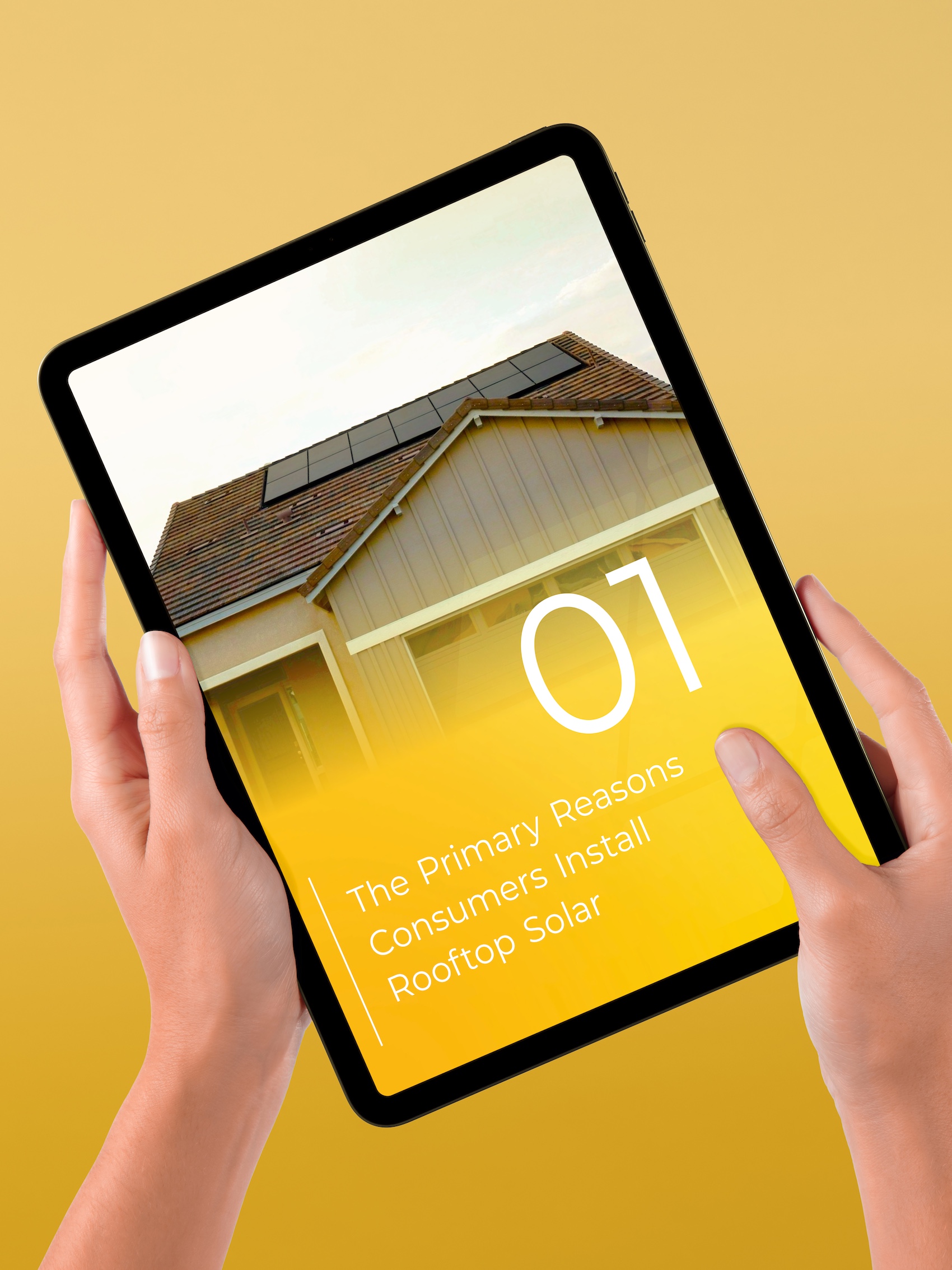
While the macro-level data for solar is overwhelmingly positive, the Solar Survey Report 2026 identifies specific "pain points" within the rooftop sector. One of the most significant barriers to faster adoption is the persistence of solar energy myths. Despite years of public education, a segment of the population remains skeptical about the reliability of solar power during inclement weather, the longevity of panels, and the actual return on investment.
Furthermore, the report addresses a darker side of the industry: the rise of "sketchy" solar providers. As the market expanded rapidly, a wave of aggressive sales companies entered the space, sometimes utilizing misleading marketing tactics, high-pressure sales maneuvers, and opaque financing contracts. These bad actors have, in some regions, soured public perception, leading to a "trust deficit" that legitimate installers must now work to overcome. The survey data suggests that negative experiences with predatory sales practices are a primary reason why some homeowners remain hesitant to adopt the technology, even when the financial benefits are clear.
To combat this, industry leaders are calling for stricter consumer protection regulations and more transparent disclosure requirements. Organizations such as the North American Board of Certified Energy Practitioners (NABCEP) have seen an increase in the demand for professional certification, as consumers begin to prioritize quality and reputation over the lowest possible bid.
Consumer Sentiment: High Satisfaction Among Owners
Perhaps the most striking finding in the 2026 report is the high level of satisfaction among existing solar owners. The data collected from surveys of rooftop solar owners indicates that the vast majority are "exceptionally happy" with their systems. This satisfaction stems from several factors:
- Lower Utility Bills: In an era of rising electricity rates driven by grid upgrades and volatile fuel prices, solar owners have successfully hedged against inflation.
- Energy Independence: With the addition of home battery systems, owners report a sense of security during grid outages, which have become more frequent due to extreme weather events.
- Environmental Impact: For many, the tangible reduction in their carbon footprint remains a significant motivator.
The report highlights a disconnect between the fears of non-owners and the reality of owners. While non-owners often cite maintenance and reliability as concerns, actual owners report very few technical issues, noting that modern solar systems are largely "set it and forget it" technologies.
Supporting Data and Economic Analysis
The economic implications of the solar surge are profound. According to the report’s analysis, the solar industry now employs more people in power generation than the coal, gas, and oil industries combined in several US states.
Key Data Points from the 2026 Analysis:
- Capacity Milestones: Global solar capacity has surpassed 2 terawatts (TW), with projections suggesting the next terawatt will be added in less than three years.
- Cost of Energy: The Levelized Cost of Energy (LCOE) for solar remains the lowest of any new-build electricity source in most of the world, even when accounting for the cost of firming (adding batteries).
- Efficiency Gains: Average commercial panel efficiency has moved from 17% to over 22% in the last decade, with N-type cells and PERC technology becoming the industry standard.
- Storage Attachment Rates: In 2026, nearly 40% of all new residential solar installations include a battery storage component, a 150% increase from five years prior.
Official Responses and Industry Reactions
Industry experts have weighed in on the findings of the CleanTechnica report. Zachary Shahan, CEO and editor-in-chief of CleanTechnica, noted that while the industry is "booming," the focus must now turn to "helping society help itself" by clearing the path for those who are still on the fence.
"Solar power is no longer a ‘future’ technology; it is the dominant technology of the present," Shahan stated in a summary of the findings. "The challenges we see today—the myths and the sketchy sales tactics—are the final hurdles of a maturing industry. Once we address consumer trust, the ceiling for rooftop solar will disappear."
Policy advocates suggest that the findings of the 2026 report should serve as a wake-up call for regulators. There is a growing consensus that "soft costs"—such as permitting, inspection, and interconnection—remain too high in the United States compared to international markets like Australia or Germany. Streamlining these processes could further reduce the cost of solar by as much as 20–30%.
Broader Implications and the Path to 2030
The implications of the Solar Survey Report 2026 extend far beyond the energy sector. The rapid adoption of solar is a linchpin in global efforts to meet climate targets set under the Paris Agreement. As solar becomes the "new king" of electricity markets, it is forcing a total rethink of grid management.
We are moving away from a centralized model of large, fossil-fueled power plants toward a decentralized, "smart" grid where millions of homes and businesses contribute to the energy supply. This transition requires significant investment in grid modernization and long-duration storage, but the 2026 report suggests that the momentum is now irreversible.

For consumers, the message of the report is clear: while the industry still has pockets of "sunshine and rainbows" mixed with "sketchy" clouds, the underlying technology is proven, the financial rewards are significant, and the satisfaction among those who have made the switch is overwhelmingly positive. As the industry moves toward 2030, the focus will likely remain on refining the consumer experience, integrating solar with the burgeoning electric vehicle (EV) market, and ensuring that the benefits of the solar revolution are accessible to all socioeconomic brackets.
The full report by Carolyn Fortuna provides a granular look at these trends, offering a roadmap for both industry stakeholders and consumers looking to navigate the vibrant, yet complex, world of modern solar energy. For those seeking to understand the data behind the headlines, the 2026 survey stands as a definitive document on the state of the transition.
