

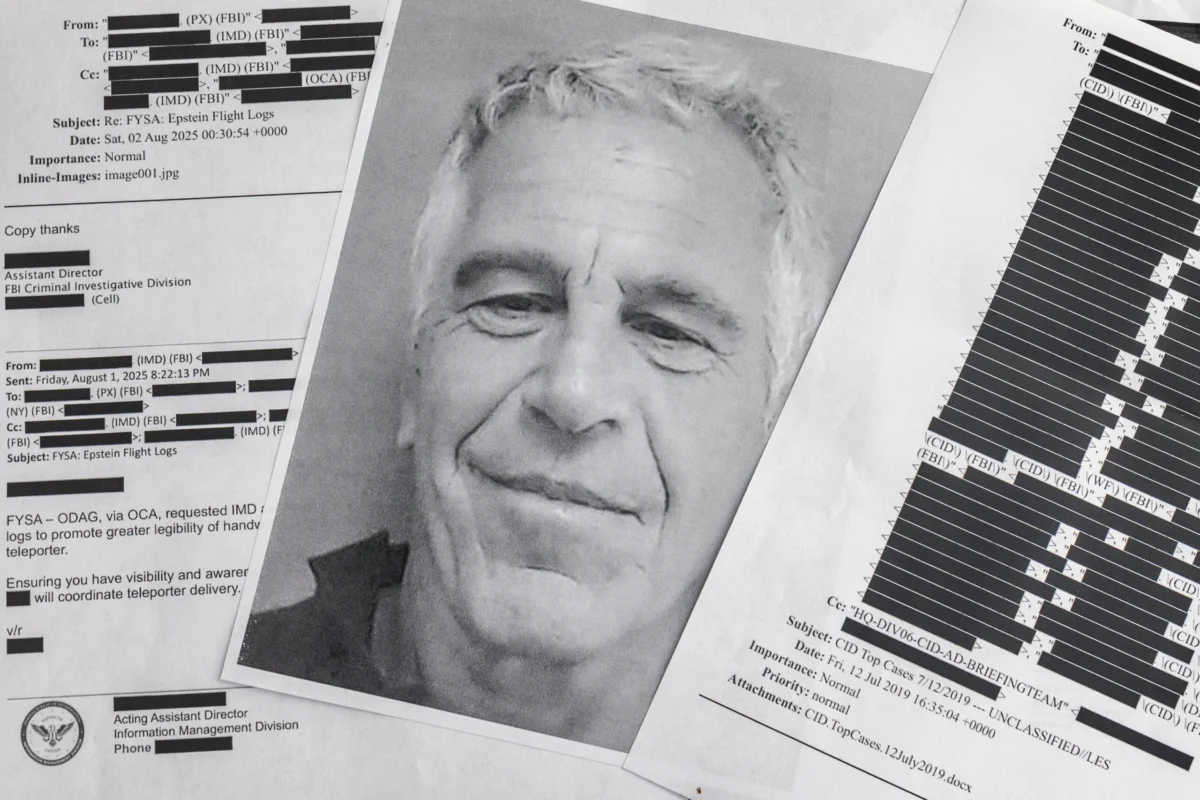
Paris, France — French magistrates are actively pursuing an expanded investigation into the extensive network surrounding the late American financier and convicted sex offender Jeffrey Epstein, revealing that approximately ten new suspected victims have recently come forward. This surge in disclosures follows a concerted appeal by French authorities for potential victims to step forward, further broadening the scope of an already complex international inquiry focused on possible offenses committed on French soil or involving French perpetrators who facilitated Epstein’s heinous crimes. The renewed impetus in the French probe underscores the enduring global ramifications of Epstein’s activities, even years after his death, as jurisdictions worldwide strive to uncover the full extent of his alleged criminal enterprise and deliver justice to those he victimized.
The Paris Public Prosecutor, Laure Beccuau, confirmed the latest developments in an interview on Sunday with RTL broadcaster. She stated that since her office’s public appeal in February, urging potential victims to speak up, the total number of individuals identifying as suspected victims has risen to approximately twenty. While some of these individuals were already known to investigators, Beccuau emphasized that a significant portion—around ten—represent entirely new cases previously unknown to authorities. This influx of fresh testimonies provides critical new avenues for investigation, potentially shedding light on previously undocumented facets of Epstein’s operations and his alleged enablers within France and beyond. The prosecutor highlighted the immediate priority: "The choice we’ve made for the time being is to listen to these victims." This victim-centric approach is paramount, ensuring that survivors feel heard and supported as they navigate the challenging process of recounting their experiences.
Background and Genesis of the French Investigation
The international scrutiny of Jeffrey Epstein intensified dramatically following his arrest in July 2019 on federal charges of sex trafficking minors in Florida and New York. Despite his previous conviction in Florida in 2008 for soliciting a minor for prostitution, which resulted in a controversial plea deal, the new charges brought his activities back into the harsh glare of public and legal scrutiny. Epstein, however, never faced trial for these new charges, as he was found dead in his Manhattan jail cell in August 2019, with the death officially ruled a suicide. His death, however, did not extinguish the widespread demand for accountability, instead shifting the focus to his alleged co-conspirators and the broader network that facilitated his crimes.
France’s involvement in the broader Epstein investigation began to solidify in the immediate aftermath of his death. Epstein maintained a luxurious apartment in Paris, a key point of interest for investigators, suggesting potential operational ties to the country. In September 2019, French investigators conducted a thorough search of this Paris residence, signaling their commitment to uncovering any French connections to the trafficking ring. This initial step laid the groundwork for a full-fledged human trafficking investigation, which was officially launched in France. The specific mandate of the French magistrates is to investigate possible offenses committed within France or involving French citizens who may have aided or abetted Epstein’s criminal activities. This includes not only direct participation in trafficking but also any form of facilitation, complicity, or failure to report.
Escalation and Investigative Strategies
The recent release of a cache of files from the United States Justice Department’s investigation into Epstein provided a significant catalyst for renewed international focus, including in France. These documents, unsealed through judicial processes, contained numerous names and testimonies, reigniting public interest and offering new leads for ongoing probes. While the French investigation had been active since 2019, the public exposure of these US files likely contributed to the increased willingness of victims to come forward globally, and specifically in France, encouraged by the visibility and perceived momentum of justice being served.
Laure Beccuau detailed the intensive efforts currently underway by her team. Beyond listening to new victims, investigators are meticulously revisiting and analyzing digital evidence. "We have also once again pulled out Mr. Epstein’s computers, his telephone records, his address books," she stated, underscoring the granular level of detail being pursued. This digital forensics approach is crucial for mapping out communication networks, identifying potential accomplices, and corroborating victim testimonies. Furthermore, given the international nature of Epstein’s alleged network, the French team is actively "making requests for international assistance." Such requests are vital for obtaining information, witness testimonies, and evidence from other jurisdictions where Epstein or his associates operated, reflecting the complex, transnational character of the crimes.
One of the practical challenges highlighted by Prosecutor Beccuau is the geographical dispersion of the new victims. "A certain number of them are abroad, so the investigators have tried to set up meetings to suit when they are able to come to Paris," she explained. This logistical hurdle underscores the global reach of Epstein’s alleged illicit activities and necessitates a flexible and victim-sensitive approach to ensure all testimonies can be collected effectively. The commitment to accommodating victims, regardless of their current location, is a testament to the judiciary’s dedication to a comprehensive investigation.
Chronology of Key Events in the French Context

- August 2019: Jeffrey Epstein found dead in a US prison cell while awaiting trial on sex trafficking charges. His death sparks global calls for investigations into his accomplices.
- September 2019: French investigators conduct a search of Epstein’s luxury apartment in Paris, signaling the initiation of a potential French angle to the broader scandal.
- Late 2019: French authorities officially open a human trafficking investigation focusing on potential offenses committed in France or involving French facilitators of Epstein’s crimes.
- 2020: Jean-Luc Brunel, a prominent French model agent with alleged ties to Epstein, is arrested in France. He faces charges of sexual abuse of minors and procuring victims for Epstein.
- 2022: Jean-Luc Brunel is found dead in his prison cell, mirroring Epstein’s fate and raising further questions, though his death was also ruled a suicide.
- Early 2024: The US Justice Department unseals a significant cache of documents related to the Epstein investigation, bringing renewed public attention and prompting victims worldwide to reconsider coming forward.
- February 2024: Paris Public Prosecutor Laure Beccuau issues a public appeal in France, urging potential victims connected to the Epstein network to come forward.
- May 2024 (Current Report): Laure Beccuau announces that approximately ten new victims have come forward since the February appeal, bringing the total known suspected victims in the French probe to around twenty.
Connections to Other French Investigations: Brunel and Marie
The French investigation into Epstein’s network is not isolated but is intricately linked with existing probes into other prominent figures in France, particularly those in the modeling industry. The names of former European model agency boss Gerald Marie and the late model agent Jean-Luc Brunel have frequently surfaced in connection with Epstein.
Jean-Luc Brunel, once a powerful figure in the fashion world, was a long-time associate of Epstein. Allegations against Brunel included not only sexually abusing minors himself but also actively procuring young girls for Epstein. His arrest in 2020 and subsequent death in prison in 2022 were significant developments in the French judicial response to the wider network. The fact that Brunel’s case was part of the French investigation underscores the specific focus on individuals who allegedly acted as facilitators or direct perpetrators within France. Suspected victims already known to French investigators included women who had previously spoken out during probes into Brunel’s activities.
Similarly, Gerald Marie, another influential figure in the modeling industry, has faced accusations of sexual abuse. In March, fifteen women collectively urged French authorities to investigate Marie for possible links to Epstein. These calls highlight the interconnectedness of these alleged networks of exploitation, suggesting a pattern where powerful individuals in industries like fashion might have leveraged their positions to facilitate or participate in abuse, potentially feeding into Epstein’s broader operation. The testimonies gathered in these related cases are crucial for painting a comprehensive picture of how the network operated and who was involved.
Further illustrating these connections, two former models have provided accounts to AFP, alleging that a modeling scout named Daniel Siad groomed them. In one case, the aim was reportedly to deliver the victim to Epstein in the 2000s, and in the other, to Marie in the 1990s. Such testimonies underscore the alleged systematic nature of the grooming and procurement process, extending across decades and involving multiple high-profile individuals.
Broader Impact and Implications for Justice
The ongoing French investigation into the Epstein network carries significant implications, both domestically and internationally. For victims, the renewed effort and the emergence of new testimonies offer a glimmer of hope for accountability and justice, even years after the initial traumas and Epstein’s death. The victim-centric approach articulated by Prosecutor Beccuau is vital for encouraging more individuals to come forward and for ensuring that their experiences are central to the legal process.
Internationally, the French probe is a critical component of a global effort to dismantle the remnants of Epstein’s alleged criminal enterprise. It exemplifies the complexities of prosecuting transnational crimes, particularly when the primary perpetrator is deceased. The emphasis on identifying and holding accountable those who facilitated Epstein’s actions, whether through direct involvement, complicity, or willful ignorance, sets an important precedent. It sends a clear message that justice will be pursued against enablers, even if the central figure is no longer alive to face trial.
The investigation also highlights the persistent challenges in combating human trafficking and sexual exploitation, particularly when powerful and wealthy individuals are involved. The alleged ability of Epstein and his associates to operate across borders and leverage their influence underscores the need for robust international judicial cooperation, intelligence sharing, and consistent legal frameworks to prevent and prosecute such crimes. The "requests for international assistance" mentioned by Beccuau are not merely procedural but are indicative of the collaborative spirit required to tackle such sophisticated criminal networks.
Furthermore, the public nature of these investigations, fueled by media reporting and the unsealing of documents, plays a crucial role in raising awareness and empowering victims. The collective demand for transparency and accountability from the public, advocacy groups, and the media creates sustained pressure on legal systems to continue these complex and often emotionally taxing investigations. The long-term impact of the Epstein scandal, and the subsequent investigations in France and elsewhere, will likely reshape legal approaches to high-profile sex trafficking cases, emphasizing the pursuit of all involved parties and ensuring that justice, however delayed, can ultimately be served. As the French magistrates continue their meticulous work, the world watches, hopeful that the full truth of Epstein’s network will eventually be revealed, offering some measure of closure and justice to the countless lives irrevocably harmed.
