

As the financial markets navigate a landscape shaped by persistent inflationary pressures and shifting investor sentiment, a select group of IBD 50 members, deeply entrenched in the artificial intelligence (AI) ecosystem, have emerged as key stocks to watch this week. Broadcom (AVGO), Solaris Energy Infrastructure (SEI), and GE Vernova (GEV) are currently trading near crucial buy points, underscoring their strategic importance as vital suppliers of technology and equipment for the rapidly expanding AI data center operations. This focus on AI-centric companies comes at a time when major market indices have shown little change for the week, with small-cap stocks experiencing a notable sell-off, all while surging yields and oil prices continue to exert downward pressure on the broader market rally.
The Insatiable Demand of Hyperscalers for AI Infrastructure
The driving force behind the robust performance and investor interest in companies like Broadcom, Solaris Energy Infrastructure, and GE Vernova is the seemingly insatiable appetite of "hyperscalers" for advanced semiconductors, efficient power generation, and sophisticated delivery products. Hyperscalers, referring to the likes of Amazon Web Services (AWS), Microsoft Azure, Google Cloud, and Meta Platforms, are at the forefront of the global AI revolution. These tech giants are pouring billions into building and expanding massive data centers to support the burgeoning demands of large language models (LLMs), generative AI applications, and complex machine learning workloads. The sheer computational power required for training and inference in these AI models necessitates an unprecedented scale of specialized hardware and energy infrastructure.
The rapid advancement in AI capabilities, particularly since the widespread adoption of generative AI in late 2022 and 2023, has led to a fundamental shift in data center architecture. Traditional general-purpose computing is being augmented, and in many cases superseded, by GPU-accelerated computing and custom AI chips. This transition creates a domino effect across the supply chain, from semiconductor manufacturers to power utility providers. Industry projections for 2026 indicate that the global AI chip market is expected to exceed $100 billion, with a significant portion of this demand originating from hyperscale data centers. Furthermore, the energy consumption of these facilities is growing exponentially, with estimates suggesting that AI data centers could account for a substantial percentage of global electricity demand by the end of the decade, driving immense investment into power generation, transmission, and cooling solutions. This escalating demand forms the core thesis for the investment potential of companies like AVGO, SEI, and GEV.
Broadcom (AVGO): The Backbone of AI Networking and Custom Silicon
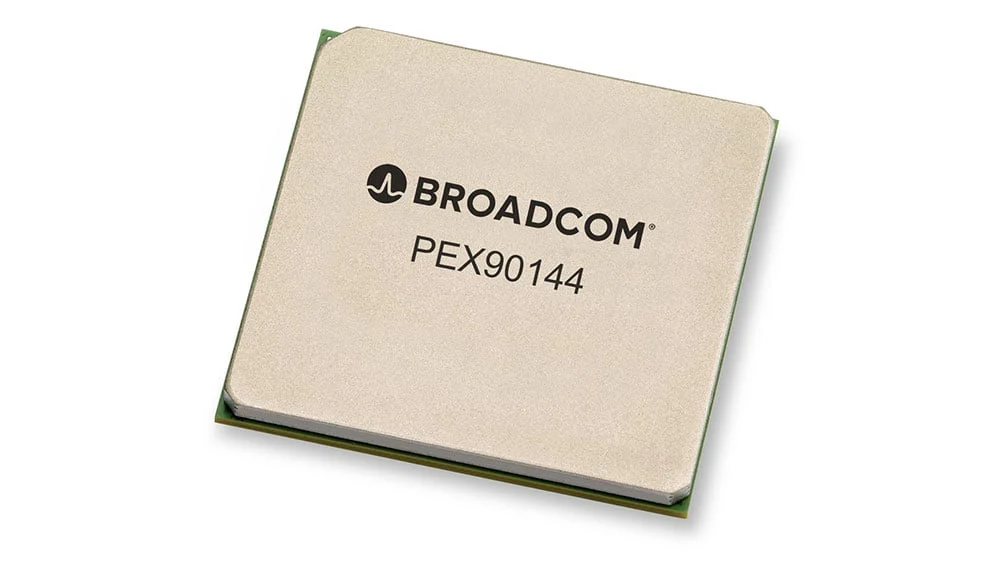
Broadcom (AVGO) stands as a pivotal player in the AI infrastructure landscape, primarily through its dominant position in networking chips, custom silicon solutions, and enterprise software. As hyperscalers scale up their AI clusters, the need for ultra-fast, low-latency, and highly efficient interconnects becomes paramount. Broadcom’s Ethernet solutions, including its Tomahawk and Jericho series switches, are critical components enabling the high-bandwidth communication necessary for thousands of GPUs to work in parallel within AI data centers. These networking technologies ensure that data can flow seamlessly and at incredible speeds between processing units, preventing bottlenecks that could cripple AI model training and inference performance.

Beyond networking, Broadcom’s expertise in custom silicon design is increasingly valuable. As AI models become more specialized, hyperscalers are seeking tailor-made chips to optimize performance and efficiency for their unique workloads, reducing reliance on off-the-shelf components. Broadcom’s ASIC (Application-Specific Integrated Circuit) capabilities allow it to collaborate with these tech giants to develop bespoke AI accelerators, giving it a unique competitive edge. The company’s acquisition of VMware, completed in late 2023, further bolsters its offerings by integrating a comprehensive suite of virtualization and cloud management software. This allows Broadcom to provide more holistic solutions for managing and optimizing the complex software and hardware stacks within AI data centers, enhancing operational efficiency and resource utilization for its hyperscale clients. Financially, Broadcom has consistently demonstrated strong revenue growth, with its semiconductor solutions segment benefiting significantly from AI-driven demand. Analysts project continued robust performance into 2026, driven by ongoing infrastructure buildouts by major cloud providers. The company’s inclusion in the IBD 50 reflects its consistent earnings and revenue growth, along with strong relative strength in the market.
Solaris Energy Infrastructure (SEI): Powering the Future of AI
While Solaris Energy Infrastructure (SEI) may not be as widely recognized as a household name as some tech giants, its inferred role as a critical provider of energy infrastructure for AI data centers positions it uniquely within the AI value chain. Given the massive and ever-increasing power demands of AI computing, companies focused on efficient, sustainable, and reliable energy solutions are becoming indispensable. Solaris Energy Infrastructure would likely specialize in developing, implementing, and managing advanced power generation, transmission, and cooling systems specifically designed to meet the stringent requirements of hyperscale AI facilities. This could involve everything from grid-scale renewable energy integration to sophisticated data center power distribution units (PDUs) and advanced thermal management solutions.
The energy footprint of AI data centers is a growing concern, both economically and environmentally. A single large AI data center can consume as much electricity as a small city. This necessitates robust and resilient power grids, as well as innovative solutions for energy efficiency and sustainability. Solaris Energy Infrastructure would likely offer solutions such as high-efficiency power converters, smart grid technologies for balancing fluctuating energy loads, and potentially even modular nuclear or advanced geothermal solutions to provide consistent, low-carbon power. Furthermore, cooling systems are paramount, as AI servers generate immense heat. SEI could be a leader in liquid cooling technologies, waste heat recovery, or advanced HVAC systems that drastically reduce energy consumption for cooling. The market for such specialized energy infrastructure is projected to grow significantly, driven by regulatory pressures for sustainability and the economic imperative to reduce operational costs for energy-intensive AI workloads. Companies like SEI are not just selling equipment; they are providing foundational services that enable the entire AI ecosystem to function efficiently and responsibly, making them critical investment targets for those looking to capitalize on the underlying infrastructure boom.
GE Vernova (GEV): Electrifying the AI Revolution
GE Vernova (GEV), having recently spun off from General Electric, is a global leader in power generation, grid solutions, and electrification. Its strategic focus on delivering reliable, affordable, and sustainable power aligns perfectly with the burgeoning energy demands of AI data centers. As hyperscalers plan and execute their multi-year data center expansion strategies, securing massive amounts of stable and clean electricity is a top priority. GE Vernova’s portfolio includes gas turbines, wind turbines, hydroelectric solutions, and comprehensive grid services that are essential for bolstering regional power grids and ensuring uninterrupted power supply to these energy-hungry facilities.
The company’s gas turbines are known for their efficiency and rapid dispatch capabilities, providing a reliable baseline or peaker power source where renewable energy alone might not suffice. Its extensive wind turbine division positions GE Vernova as a key enabler for data centers seeking to achieve carbon neutrality or rely on renewable energy sources. Beyond generation, GE Vernova’s grid solutions segment offers advanced technologies for power transmission and distribution, helping to build and modernize the electrical infrastructure required to deliver vast amounts of power from diverse sources to data center campuses. The global push for decarbonization, coupled with the exponential growth of AI, creates a dual tailwind for GE Vernova. Data center operators are increasingly prioritizing sustainable power sources, and GEV’s broad range of renewable energy and grid modernization solutions directly addresses this need. The company’s deep engineering expertise and global footprint make it a formidable player in providing the foundational energy infrastructure that will power the next generation of AI innovation. Its inclusion in the IBD 50 underscores its potential for growth stemming from this critical role in the global energy transition and the AI buildout.

The Significance of IBD 50 Membership and Buy Points
The Investor’s Business Daily (IBD) 50 is a carefully curated list of the top 50 growth stocks that IBD believes offer the best potential for capital appreciation. Companies are selected based on a rigorous methodology that considers factors such as strong earnings growth, sales growth, profit margins, return on equity, and relative strength compared to the broader market. Inclusion in this prestigious list signals that a company possesses fundamental and technical strength, making it a focus for growth-oriented investors.
The phrase "trading near buy points" is crucial in IBD’s CAN SLIM investing system. A "buy point" typically refers to a specific price level, often derived from a technical chart pattern like a cup-with-handle or flat base, where a stock breaks out of a consolidation phase. When a stock is trading near a buy point, it suggests that it is consolidating its gains and potentially preparing for another upward move, offering an opportune entry for investors. For Broadcom, Solaris Energy Infrastructure, and GE Vernova, being IBD 50 members near buy points indicates that despite broader market volatility, these AI infrastructure plays are demonstrating resilience and strong institutional support, signaling continued confidence in their growth trajectories.
Navigating the Broader Market Environment: Week of May 12, 2026
The current week, centered around May 12, 2026, has presented a mixed bag for the stock market, characterized by significant headwinds. The major indices—the Dow Jones Industrial Average, S&P 500, and Nasdaq Composite—have seen little net change, reflecting a tug-of-war between bullish sentiment around AI growth and bearish pressures from macroeconomic factors. Friday’s trading session, in particular, witnessed a slide across the board, largely attributed to two key factors: surging Treasury yields and rising oil prices.
Rising bond yields, especially the 10-year Treasury yield, tend to dampen enthusiasm for growth stocks. Higher yields increase the cost of borrowing for companies, making future earnings less valuable in present terms and offering a more attractive, risk-free alternative for investors. This often leads to a rotation out of high-growth technology stocks and into more value-oriented or defensive sectors. The small-cap segment of the market, represented by indices like the Russell 2000, has been particularly hit hard, experiencing a notable sell-off. Small-cap companies are often more sensitive to interest rate fluctuations due to their typically higher reliance on debt financing and less diversified revenue streams compared to their large-cap counterparts.
Concurrently, surging oil prices have re-ignited concerns about inflation. Higher crude prices translate into increased costs for transportation, manufacturing, and consumer goods, potentially forcing central banks to maintain higher interest rates for longer or even consider further tightening. This inflationary pressure adds another layer of uncertainty for equity markets, as persistent inflation erodes corporate profits and consumer purchasing power.

Adding to the week’s market dynamics, investors are keenly awaiting key earnings reports, notably from Nvidia and Walmart. Nvidia, as the undisputed leader in AI chips, holds immense sway over the tech sector. Its earnings report is expected to provide critical insights into the continued strength of AI demand and the health of the semiconductor industry. Any deviation from robust growth could send ripples through the entire market, particularly impacting AI-related stocks. Conversely, a strong report could reinvigorate investor confidence in the AI narrative. Walmart’s earnings, on the other hand, serve as a bellwether for consumer health and broader economic trends. Its performance offers a snapshot of discretionary spending and inflationary impacts on everyday goods, providing crucial context for the Federal Reserve’s future policy decisions.
Analyst Perspectives and Future Implications
Market strategists and financial analysts largely agree that the underlying demand for AI infrastructure remains robust, irrespective of short-term market fluctuations. "The structural growth drivers for AI are incredibly powerful, and companies providing foundational hardware and energy solutions are uniquely positioned," commented one leading analyst, who preferred to remain anonymous due to company policy. "While higher yields and oil prices present near-term headwinds, the multi-year investment cycle into AI data centers is just getting started."
The implications for investors are clear: while the broader market may face continued volatility, selective investment in companies with strong fundamentals and direct exposure to high-growth areas like AI infrastructure can yield significant returns. The current environment calls for careful due diligence, focusing on companies with proven technologies, strong customer relationships (especially with hyperscalers), and sustainable competitive advantages. The ongoing push for energy efficiency and renewable sources within data centers also highlights the long-term importance of companies like Solaris Energy Infrastructure and GE Vernova, whose offerings address both the performance and sustainability aspects of the AI revolution.
Looking ahead, the trajectory of AI development suggests that the demand for advanced semiconductors and robust power infrastructure will only intensify. This makes companies like Broadcom, Solaris Energy Infrastructure, and GE Vernova not just stocks to watch this week, but potentially foundational pillars of future investment portfolios. As the market digests incoming economic data and corporate earnings, the resilience and growth potential of these AI-enabling IBD 50 members will remain a central theme for investors seeking to capitalize on one of the most transformative technological shifts of our time.
