

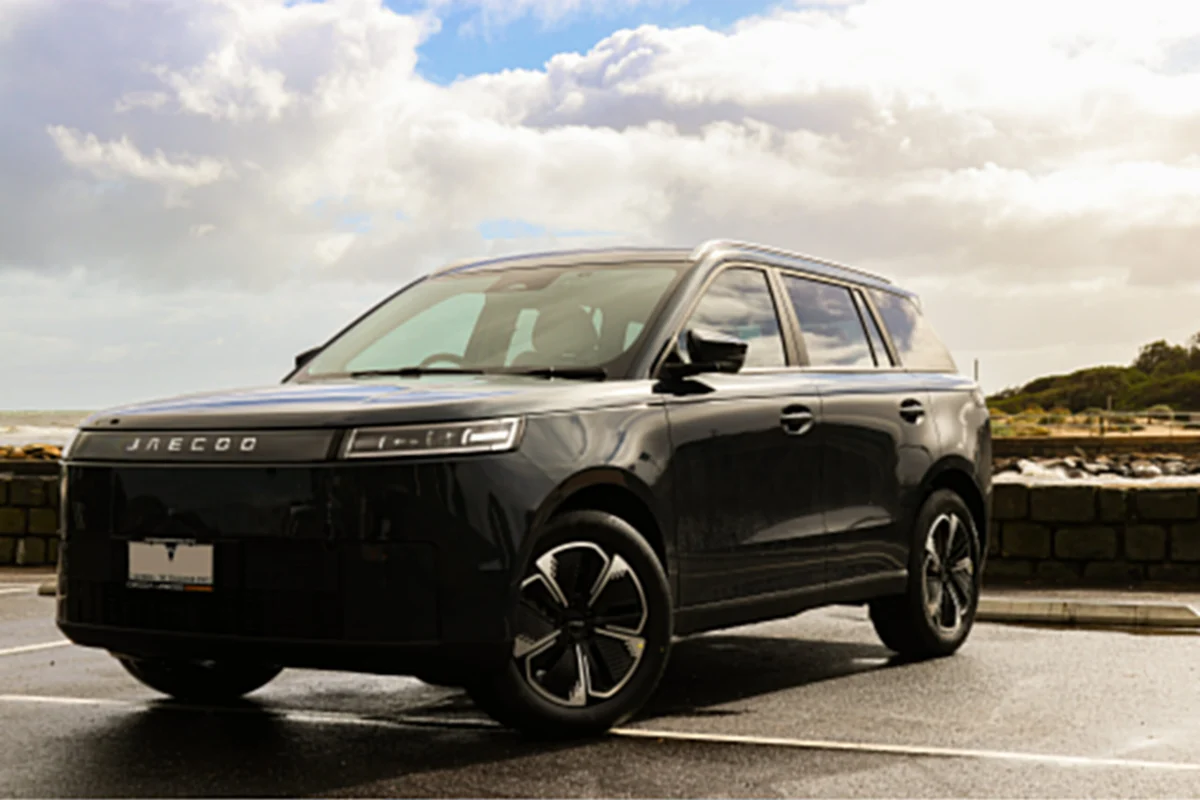
The Australian automotive landscape is undergoing a rapid transformation as new electric vehicle (EV) brands from China establish a formidable presence, challenging established legacy manufacturers through aggressive pricing and high-specification technology. Among the most successful of these new entrants is Jaecoo, a premium sub-brand of the automotive giant Chery. Since its launch earlier this year, the Jaecoo J5 battery-electric vehicle (BEV) has consistently secured a position in the nation’s top ten best-selling EVs, recording 1,845 units sold in its first few months on the market. This surge in popularity reflects a broader shift in Australian consumer sentiment, where the combination of rising fuel costs and the availability of affordable, high-tech alternatives is driving even traditional internal combustion engine (ICE) enthusiasts toward electrification.
The Strategic Entry of Jaecoo into the Australian Market
Jaecoo’s success in Australia is not an isolated event but rather the result of a calculated market entry strategy by its parent company, Chery. After a decade-long absence from the Australian market, Chery returned in 2023 with a multi-brand strategy, positioning Jaecoo as a "lifestyle" and "urban adventure" brand. The J5, specifically, targets the competitive compact SUV segment, competing directly with established models like the BYD Atto 3 and the MG ZS EV.
The J5’s market performance is bolstered by its price-to-feature ratio. Priced at approximately $37,000 AUD, the vehicle offers a range of 400 kilometers (WLTP), placing it at a significant advantage compared to European and Japanese competitors that often command a $15,000 to $20,000 premium for similar specifications. This aggressive pricing is seen by industry analysts as a "foothold" strategy, where the manufacturer prioritizes market share and brand recognition over immediate profit margins. This is evidenced by the stark price discrepancy between markets; while Australians can purchase the J5 for under $40,000 AUD, the same model retails in the United Kingdom for approximately £30,000, which converts to nearly $60,000 AUD.
Consumer Transition: A Case Study in Adoption
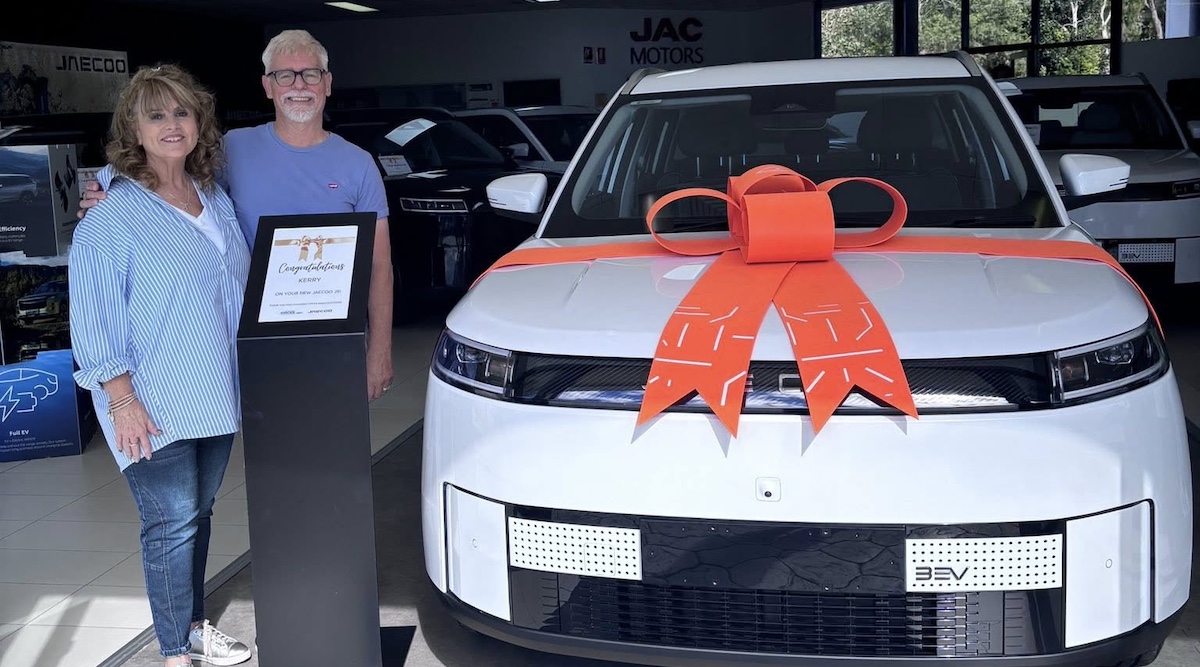
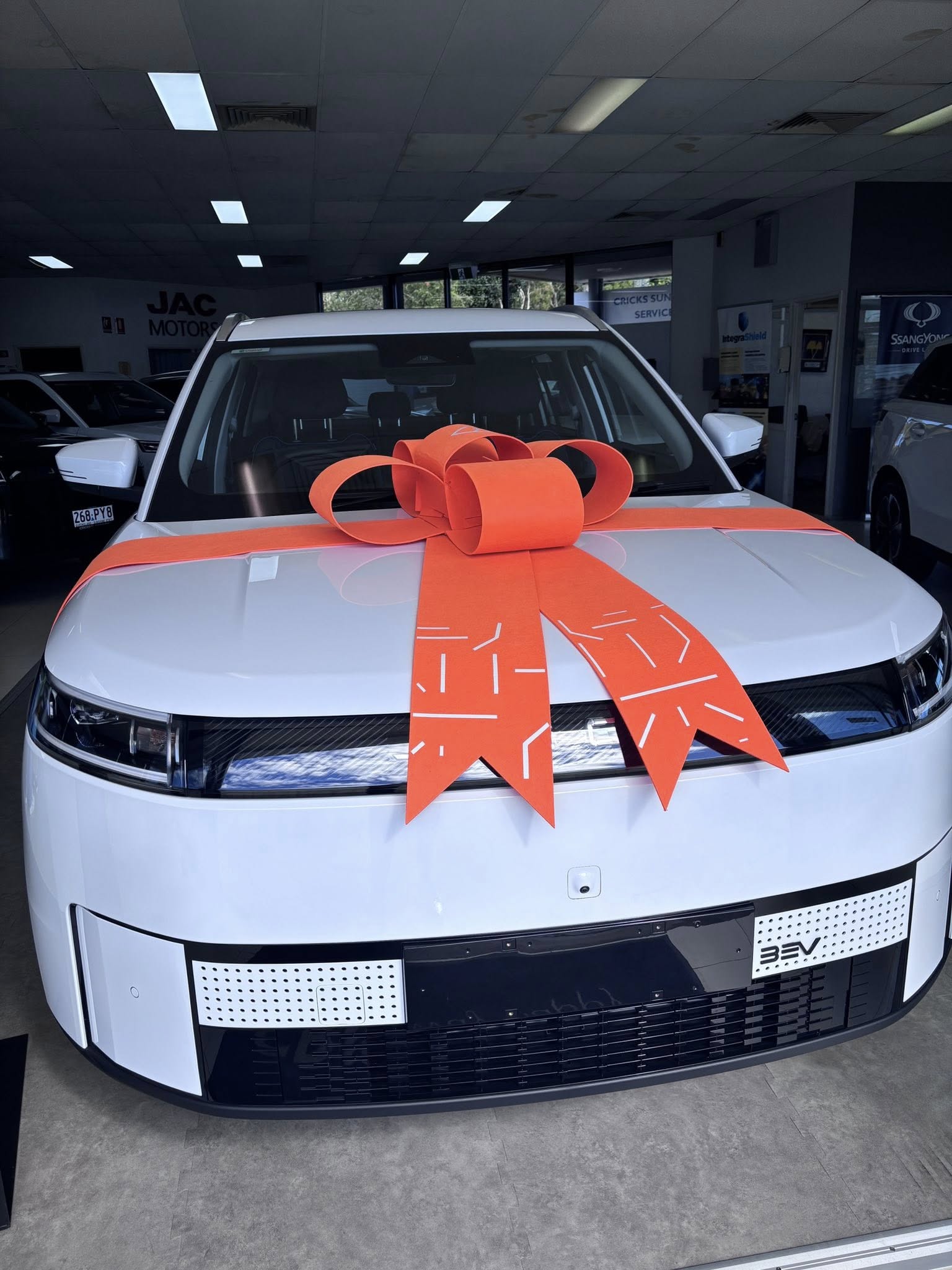
The profile of the average EV buyer in Australia is evolving from early tech adopters to mainstream families and "car enthusiasts" who previously remained loyal to petrol-powered vehicles. Kerry Jeston, a recent Jaecoo J5 purchaser, represents this shift. Despite owning a fleet of high-performance and utility ICE vehicles—including a classic 1978 Porsche, a 2027 Volkswagen Amarok, and a 2024 Volvo XC40—the Jeston family viewed the Jaecoo as a low-risk "experiment" in electric mobility.
For many buyers, the decision-making process is now heavily influenced by digital research and peer validation rather than traditional showroom visits. In the case of the Jestons, the purchase was sparked by a YouTube review shared by a family member, followed by a test drive conducted by their adult children. This "generational" endorsement is becoming a common theme in EV adoption, where younger, more tech-savvy family members act as catalysts for their parents’ transition to electric power.
Furthermore, external economic factors played a decisive role. While traveling in Ireland, the Jestons witnessed large-scale farmer protests in Dublin fueled by energy and fuel uncertainties. These global disruptions, coupled with fluctuating petrol prices at home, reinforced the perceived necessity of diversifying their personal transport options with a vehicle that could be powered by domestic solar energy.
Technical Specifications and Interior Innovation
The Jaecoo J5 distinguishes itself through a design language that consumers frequently compare to luxury European SUVs, specifically the Range Rover Evoque. This "baby Range Rover" aesthetic is paired with an interior that emphasizes durability and modern technology.
Key features that have drawn praise from the first wave of Australian owners include:
- AI Integration and Voice Control: The vehicle features advanced artificial intelligence that allows drivers to control climate settings, seat heating, and navigation through natural language commands, reducing driver distraction.
- Safety and Visualization: A 360-degree camera system and dedicated lane-change assistance cameras provide a level of situational awareness typically reserved for luxury vehicles in the $80,000+ price bracket.
- Practicality for Families: The interior uses scratch-resistant and antibacterial leather, a feature specifically marketed toward families with young children and pet owners. The inclusion of a vertical touchscreen and clever storage solutions, such as a dedicated handbag area in the front console, highlights a focus on ergonomic utility.
- Warranty and Maintenance: To alleviate concerns regarding the reliability of a new brand, Jaecoo offers an eight-year, unlimited-kilometer warranty. Maintenance costs are also significantly lower than ICE counterparts, with scheduled services at 20,000 km and 40,000 km priced at $155 AUD and $225 AUD, respectively.
Infrastructure and the Learning Curve
While the vehicle hardware has been well-received, the transition to EV ownership involves a logistical and educational learning curve. For the Jestons, this included the installation of a Level 2 home charger in their garage to complement their existing rooftop solar array. In the interim, they have relied on "trickle charging" via a standard domestic outlet—a method that is feasible for low-mileage daily use but highlights the need for dedicated home infrastructure for long-term convenience.
However, the rapid influx of buyers has put pressure on the dealership experience. Some owners have reported that the "handover" process—the period where a salesperson explains the vehicle’s features to the new owner—has been abbreviated due to high sales volumes. At some locations, dealers are reportedly moving five Jaecoo units per day, leading to a "supermarket" style sales environment where customers feel rushed. This has resulted in a reliance on community-led support, with new owners turning to Facebook groups, YouTube tutorials, and Google searches to master the car’s complex software suite.
Broader Implications for the Australian Auto Industry
The success of the Jaecoo J5 is indicative of a broader trend that is reshaping the Australian car market. As a country without a domestic car manufacturing industry, Australia has become a primary battleground for international brands. The entry of Chinese marques like Jaecoo, BYD, and GWM has effectively democratized electric mobility, bringing prices down to parity with traditional petrol vehicles.
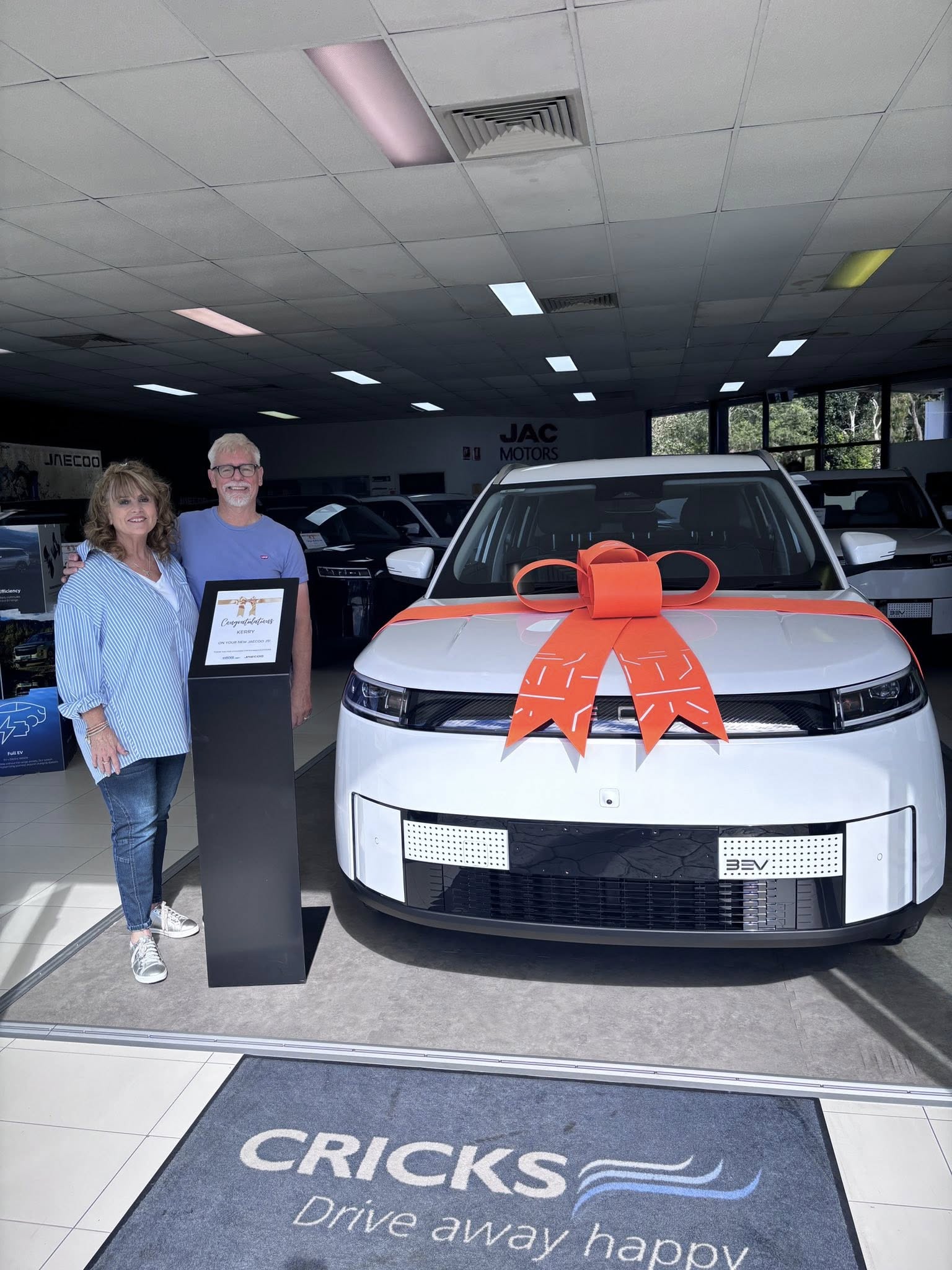
This shift has significant implications for legacy brands like Volvo, Toyota, and Volkswagen. As consumers like the Jestons indicate a willingness to sell their European luxury vehicles (such as the Volvo XC40) in favor of keeping their new Chinese EVs, the traditional brand loyalty that once dominated the Australian market is being eroded. The "experiment" of buying a Chinese EV is increasingly being viewed as a "smart decision" rather than a gamble.
Furthermore, the data suggests that the Australian government’s New Vehicle Efficiency Standard (NVES) will continue to favor brands that can provide high volumes of low-emission vehicles. Jaecoo’s ability to supply the market consistently, while maintaining a high specification level at a low price point, positions it to become a permanent fixture in the Australian automotive landscape.
Chronology of a Market Disruption
The timeline of Jaecoo’s ascent in Australia can be traced through several key phases:
- Late 2023: Chery International announces the launch of the Jaecoo brand as a premium offshoot for global markets, specifically targeting Australia, the UK, and South Africa.
- Early 2024: The first shipments of the Jaecoo J5 arrive in Australian ports. Initial marketing focuses on "attainable luxury" and off-road capability (for the ICE/PHEV variants) alongside the BEV model.
- Q1 2024: The J5 enters the sales charts, immediately rivaling the MG4 and BYD Atto 3.
- Mid-2024: Consumer feedback begins to saturate social media, with high praise for the aesthetic and tech features, balanced by calls for better dealership training and handover procedures.
- Current Outlook: With nearly 2,000 units sold, the J5 is no longer a niche product. It is now a primary consideration for families looking to exit the ICE market without sacrificing the SUV form factor.
Conclusion: The Future of the J5
As the Jaecoo J5 continues to populate Australian roads, the focus will shift from initial sales to long-term reliability and resale value. For now, the sentiment among early adopters is overwhelmingly positive. The vehicle represents a bridge between the high-cost luxury EVs of the past and a future where electric propulsion is the standard for the everyday commuter.
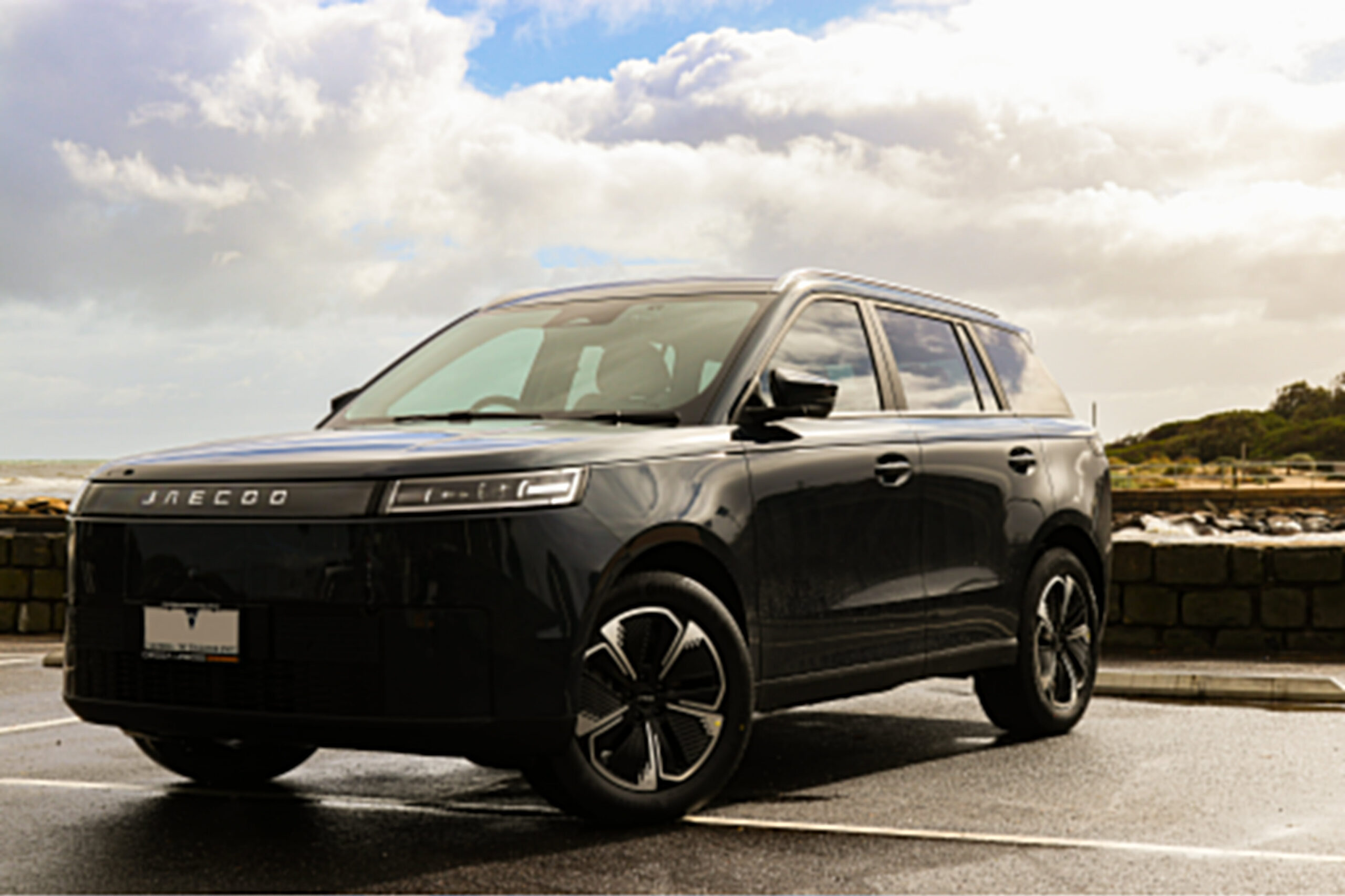
With a competitive warranty, low servicing costs, and a design that appeals to the Australian preference for rugged yet refined SUVs, Jaecoo has successfully navigated the complexities of entering a mature market. If the brand can address the "human element" of the sales and handover process, it is likely to remain a top contender in the Australian EV rankings for the foreseeable future. The Jestons’ experience—moving from skepticism to becoming brand advocates—is a microcosm of a nation-wide pivot toward a cleaner, more technologically advanced automotive future.
