

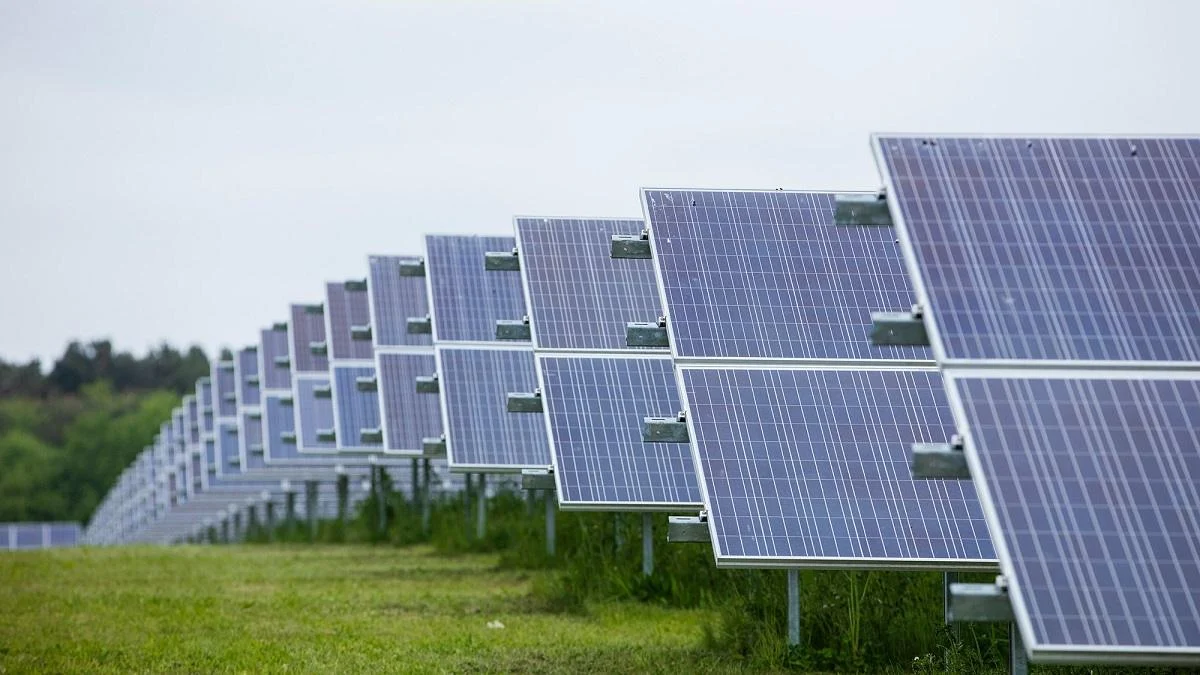
The renewable energy landscape in the United States reached a significant milestone this week as Sunraycer Renewables, a prominent developer in the utility-scale energy sector, announced the successful closing of a $901 million financing package. This substantial capital injection is earmarked for the construction and long-term operation of a diversified portfolio consisting of three major solar and battery energy storage system (BESS) projects located across the state of Texas. This latest financial arrangement underscores the accelerating momentum of the energy transition within the Electric Reliability Council of Texas (ERCOT) market, which remains one of the most dynamic and complex power grids in the world.
Founded in 2021 and headquartered in Maryland, Sunraycer Renewables has rapidly established itself as a formidable player in the American energy sector. The company specializes in the end-to-end lifecycle of utility-scale assets, encompassing development, financing, ownership, and operational management. While the company maintains a national outlook, its strategic focus has increasingly centered on Texas, a state that has become a global laboratory for the integration of intermittent renewable resources and advanced energy storage technologies.
A Strategic Expansion in the ERCOT Market
The newly financed portfolio is designed to address the pressing energy needs of a state experiencing unprecedented growth. According to technical specifications released by the company, the three projects will collectively contribute 479.5 MWac of solar generation capacity to the Texas grid. Perhaps more significantly, in an era where grid stability is a paramount concern, the projects feature 236.5 MWac of paired two-hour battery energy storage systems.
The integration of solar and storage—often referred to as "hybrid" or "paired" assets—is becoming the industry standard for new developments in Texas. By pairing photovoltaic arrays with BESS technology, Sunraycer can capture excess energy during periods of high solar production and discharge it into the grid during peak demand hours or when solar output naturally declines in the evening. This capability is vital for the ERCOT grid, which serves approximately 26 million customers and covers 90% of the state’s electrical load.
The demand for reliable, carbon-free power in Texas is being driven by a "perfect storm" of economic factors. The state has seen a massive influx of manufacturing facilities, ranging from semiconductor fabrication plants to automotive assembly lines. Simultaneously, the explosion of artificial intelligence and cloud computing has led to a surge in data center expansion. These facilities require massive amounts of electricity and, increasingly, their corporate operators are demanding that this power come from renewable sources to meet internal ESG (Environmental, Social, and Governance) targets.
Financial Structure and Institutional Backing
The $901 million financing facility is notable not only for its scale but also for the sophistication of its structure and the caliber of the participating financial institutions. The package is comprised of three distinct pillars: a construction-to-term loan, a tax credit bridge loan, and a letter of credit facility. This multi-tiered approach allows Sunraycer to manage the capital-intensive construction phase while bridging the gap toward long-term operational stability and the utilization of federal tax incentives.
The transaction saw participation from a consortium of leading global and domestic banks, including MUFG, Ally Bank, Nomura, Nord/LB, and Societe Generale. The involvement of such a diverse group of lenders signals strong institutional confidence in Sunraycer’s business model and the long-term viability of the Texas renewable energy market.
David Lillefloren, Chief Executive Officer of Sunraycer, emphasized the importance of this milestone for the company’s growth trajectory. He noted that the financing represents a pivotal step in scaling the Sunraycer platform to meet the accelerating demand for critical energy infrastructure. Lillefloren highlighted the company’s commitment to executing projects that combine generation and storage to provide the grid with power that is both reliable and cost-effective.
This transaction marks Sunraycer’s second major portfolio financing within a 12-month window. Over that period, the company has raised approximately $1.6 billion in total capital across project finance and tax equity. This rapid accumulation of capital suggests that Sunraycer is successfully navigating the complexities of the post-Inflation Reduction Act (IRA) environment, leveraging federal incentives to de-risk large-scale infrastructure investments.
The Role of Battery Storage in Grid Reliability
The inclusion of 236.5 MWac of two-hour battery storage in this portfolio is a strategic response to the evolving needs of the ERCOT grid. In recent years, Texas has faced significant challenges regarding grid reliability, most notably during extreme weather events. While solar energy provides a massive boost to supply during hot summer afternoons, the "net load" often peaks just as the sun sets.
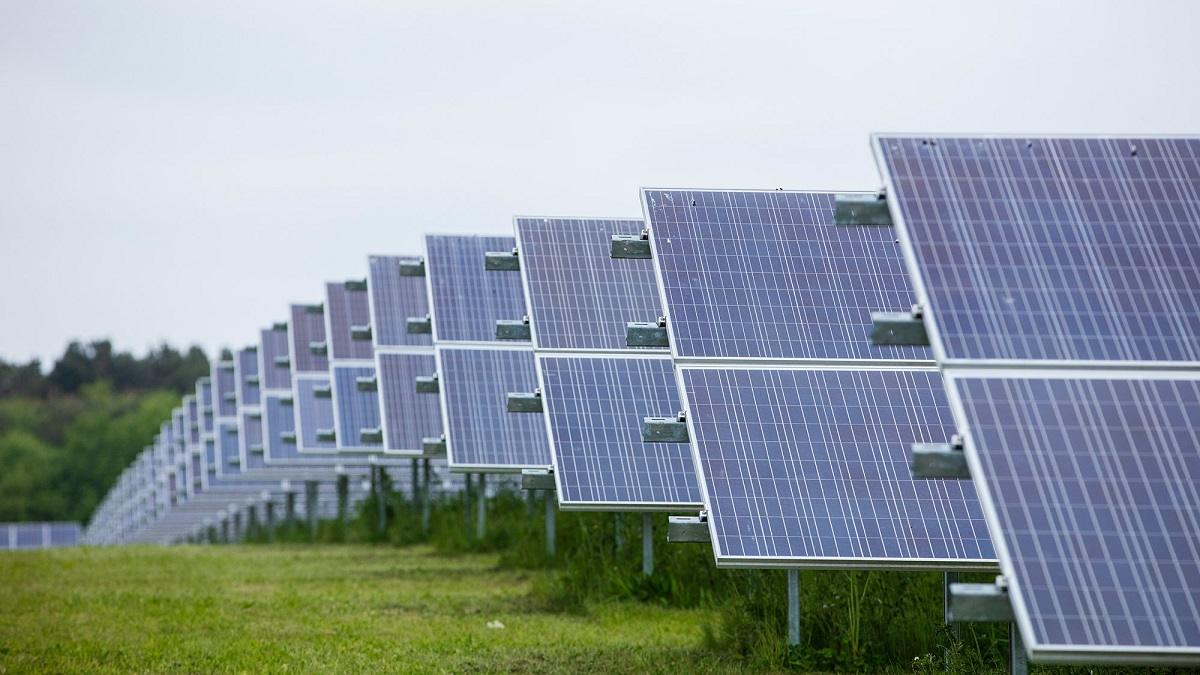
Two-hour battery systems are specifically designed to bridge these critical windows. They provide "ancillary services" to the grid, such as frequency regulation and rapid response, which help prevent blackouts and manage the volatility of wholesale electricity prices. For developers like Sunraycer, storage also offers a merchant opportunity to "arbitrage" power—buying or storing it when prices are low (or negative) and selling it when the grid is strained and prices spike.
Sang Joon Lee, representing the Societe Generale Energy Plus Group, remarked on the broader significance of the deal. Lee stated that the bank is committed to advancing the global energy transition and assisting the United States in reaching its net-zero carbon emissions targets. He identified the ERCOT renewable market as one of the fastest-growing sources of power in the country and expressed enthusiasm for partnering with "top-tier developers" like Sunraycer who are leading this transition.
Contextualizing the Texas Renewable Boom
To understand the impact of Sunraycer’s $901 million deal, one must look at the broader context of the Texas energy market. Texas currently leads the nation in total installed wind capacity and has recently overtaken other states to become a leader in new solar installations. As of 2024 and heading into 2026, the state has seen a massive shift in its generation mix, with renewables frequently providing more than 30% to 40% of the state’s total power during peak production periods.
However, the rapid growth of renewables has also led to "congestion" on transmission lines, where power generated in sunny West Texas or the windy Panhandle cannot always reach the high-demand centers of Dallas, Houston, and Austin. By strategically locating projects and incorporating storage, Sunraycer is positioning its assets to be part of the solution to these logistical hurdles.
Furthermore, the economic implications for local Texas communities are substantial. Large-scale solar and storage projects provide significant tax revenue for rural counties and school districts, often becoming the largest single taxpayers in their respective jurisdictions. During the construction phase, these three projects are expected to create hundreds of local jobs, providing a temporary but intense boost to local economies.
Future Implications and Industry Analysis
The success of Sunraycer’s latest financing round provides a blueprint for how mid-sized developers can compete with traditional utility giants. By focusing on high-growth regions and utilizing a "solar-plus-storage" model, Sunraycer is mitigating the primary criticism of renewable energy—its intermittency.
From a policy perspective, this deal illustrates the continued efficacy of the Inflation Reduction Act. The tax credit bridge loan component of the financing is a direct result of the certainty provided by federal credits for both solar production and standalone or paired storage. As these projects move toward completion, they will likely utilize "transferability" provisions or traditional tax equity structures to monetize the credits generated by their clean energy production.
Analysts suggest that the trend of massive, multi-asset portfolio financings will continue as the US power grid undergoes its most significant transformation in a century. The transition is no longer just about environmental stewardship; it is an economic imperative. With the rise of power-hungry technologies like AI and the continued electrification of the transportation sector, the race is on to build as much capacity as possible.
Sunraycer’s ability to raise $1.6 billion in a single year suggests that the appetite for renewable energy infrastructure remains insatiable among global lenders. As the company begins the construction phase of these three Texas projects, the industry will be watching closely to see how these assets perform within the volatile and competitive ERCOT market.
In conclusion, the $901 million financing secured by Sunraycer Renewables is more than just a corporate achievement; it is a signal of the maturing of the US renewable energy sector. By combining large-scale solar generation with essential battery storage, Sunraycer is helping to build a more resilient, modern, and sustainable power grid for the millions of residents and businesses that call Texas home. As these projects come online, they will serve as a testament to the power of private capital and innovative engineering in driving the global energy transition forward.
