

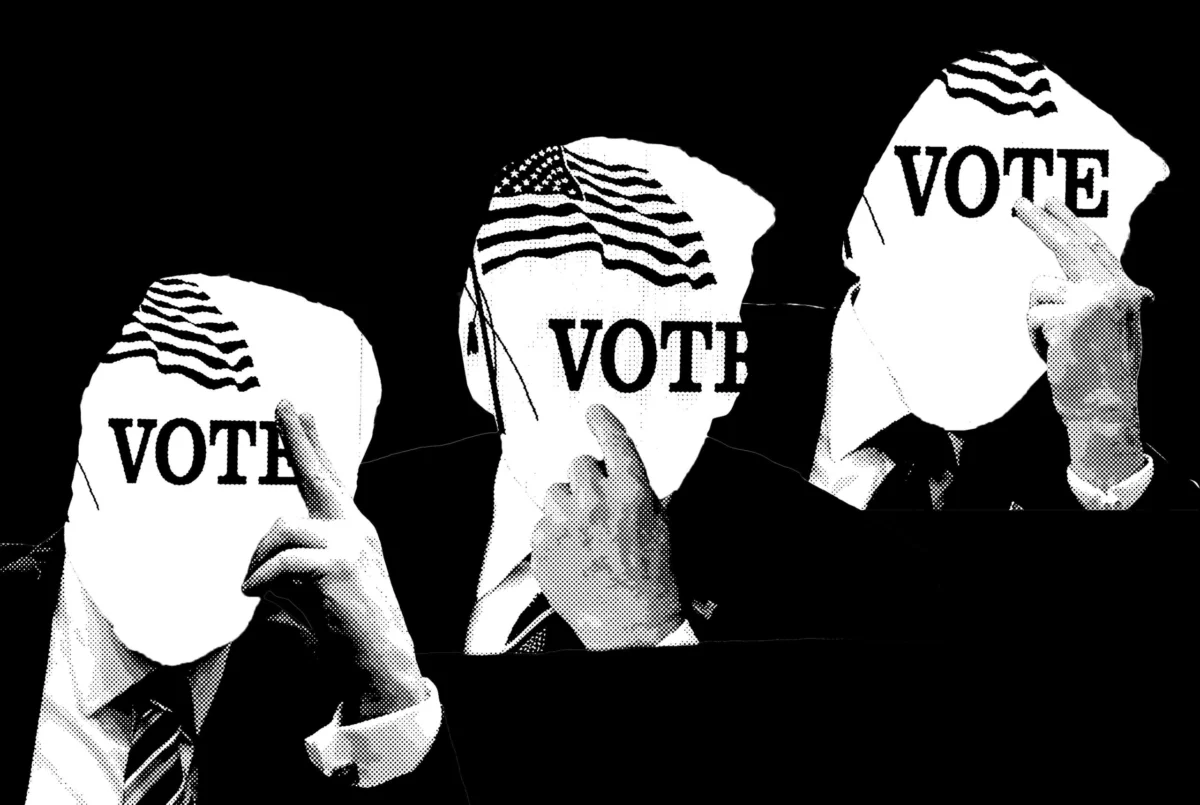
The atmosphere within the White House has shifted toward an early and anxious focus on the 2028 presidential election, as President Donald Trump has begun openly weighing the merits of his potential successors. During a Monday evening dinner held in the White House Rose Garden, the President took the unusual step of informally polling his guests on their preference for the next Republican ticket. Addressing a crowd of donors, officials, and allies, Trump reportedly asked, "Who likes JD Vance? Who likes Marco Rubio?" before floating the possibility of a Vance-Rubio "dream team" to lead the party in the post-Trump era.
This moment of levity, reminiscent of the President’s former reality television persona, serves as a thin veil for the intense maneuvering currently taking place within the administration. While the 2028 election remains years away, the question of the Republican succession has become a pressing concern for White House aides. This internal focus is sharpened by the looming 2026 midterm elections, where Republicans face a challenging political map exacerbated by the ongoing conflict with Iran and controversial domestic spending priorities.
The Succession Polls: A Divided Republican Base
According to sources familiar with the matter, the Rose Garden incident was not an isolated event. President Trump has conducted several "snap polls" in recent weeks to gauge the popularity of Vice President JD Vance and Secretary of State Marco Rubio. These informal surveys have revealed a notable divide within the Republican constituency.
When the President polled a group of high-dollar donors at Mar-a-Lago, the preference leaned toward Marco Rubio, whose traditional foreign policy credentials and long-standing presence in Washington appeal to the party’s donor class. However, when a similar poll was conducted among law enforcement officers—a demographic the White House views as more representative of the "MAGA" base—the results swung decisively in favor of JD Vance.
Vance, the former U.S. Senator from Ohio, remains the presumptive heir to the MAGA movement. However, sources close to the Vice President indicate that he is taking nothing for granted. His team is currently operating with a sense of urgency, aware that the "dream team" rhetoric could just as easily lead to a contested primary if Rubio’s profile continues to rise.
JD Vance’s Strategic Reorganization
In preparation for both the 2026 midterms and a potential 2028 run, Vice President Vance has begun a significant overhaul of his political and advisory team. For much of his vice presidency, Vance has relied on a small circle of advisors who have been with him since his 2022 Senate campaign. This week, top aides gathered at a private retreat to map out a long-term political strategy designed to insulate the Vice President from the "toxic" fallout of the Iran war and the administration’s more controversial legislative hurdles.
The most significant addition to Vance’s team is Cliff Sims, who has been tapped as the Vice President’s new national security adviser. Sims is a veteran of the first Trump administration and a well-known figure in "Trumpworld," having served as a White House press aide and later as the communications director for the Office of the Director of National Intelligence (ODNI).
Sims is widely regarded in Washington as a "ruthless political operator" with the experience necessary to navigate the complexities of the National Security Council (NSC). His appointment is seen as a move to bolster Vance’s foreign policy gravitas. Crucially, Sims maintains a close relationship with CIA Director John Ratcliffe. Sources indicate that Vance and Ratcliffe are expected to coordinate more closely in the coming months, a move that would significantly increase the Vice President’s influence over national security policy—an area currently dominated by Marco Rubio.
In addition to Sims, Vance has elevated Will Martin to deputy chief of staff. These personnel shifts, which have been in discussion since January, signal a transition from a campaign-style office to a more robust executive operation capable of managing high-stakes international and domestic crises.
The Rise of Marco Rubio and the Iran War Factor
While Vance consolidates power, Secretary of State and National Security Adviser Marco Rubio has seen his own political stock rise. Rubio’s dual role gives him unprecedented visibility, particularly as the administration manages the escalating costs and military requirements of the war with Iran.
Last week, Rubio’s profile was "turbocharged" when he stepped in for Press Secretary Karoline Leavitt to brief the White House press corps on the status of the conflict. His performance was met with widespread approval from within "Rubioworld," as allies noted the briefing’s resemblance to a presidential stump speech. The White House’s decision to post a clip of Rubio’s "vision for America" on social media further fueled speculation that he is being groomed for a higher role.
However, Rubio’s allies are quick to downplay any overt presidential ambitions. "There is no secret plan to make Rubio president," one ally stated, insisting that the Secretary of State is merely fulfilling the duties requested by the White House. Despite these denials, Rubio’s presence on the President’s current trip to Beijing—where he was seen traveling alongside tech moguls and media personalities—suggests he remains a central figure in Trump’s inner circle.
The Economic Toll of Conflict and the 2026 Midterms
The political maneuvering for 2028 is happening against a backdrop of significant economic and military strain. In testimony on Capitol Hill this week, top Pentagon officials revealed that the war with Iran has already cost the United States at least $29 billion. This is a sharp increase from the $25 billion estimate provided just two weeks ago.
Acting Pentagon Comptroller Jay Hurst informed a House budget hearing that the $29 billion figure includes the massive costs associated with replacing munitions and at least 39 aircraft destroyed during Iranian engagements. The rising price tag of the conflict is becoming a liability for House Republicans, who are simultaneously trying to defend a spending package that includes $1 billion for a project involving the President’s ballroom at a private property.
Democrats have seized on these figures, arguing that the administration’s priorities are out of alignment with the needs of the American taxpayer. A recent midterm poll indicates that Democrats have expanded their lead over the GOP, as voters express concern over both the war’s duration and the transparency of government spending.
Congressional Oversight and Internal Scandals
The Trump administration is also facing intense scrutiny from the House Judiciary Committee. Representative Jamie Raskin, the ranking Democrat on the committee, has raised alarms regarding the Department of Justice’s handling of misconduct claims. In a letter to acting Attorney General Todd Blanche, Raskin alleged that the DOJ has paid out millions of dollars to settle claims from suspended FBI agents, even in cases where the claims were previously rejected in court.
One specific case highlighted by Raskin involves an FBI agent who allegedly lied about his presence at the U.S. Capitol on January 6, 2021. Despite being deemed ineligible for back pay by certain internal metrics, the agent reportedly received hundreds of thousands of dollars in a settlement. These revelations have added to the "toxic" political environment that Vance and Rubio must navigate as they consider their futures.
Simultaneously, FBI Director Kash Patel faced a contentious Senate budget hearing. Patel lashed out at Senator Chris Van Hollen after being questioned about allegations of "excessive drinking" and its impact on his leadership of the bureau. Patel’s aggressive defense—which included accusing the Senator of "slinging margaritas" with a mistakenly deported individual—underscored the combative nature of the administration’s relationship with Congress.
The Beijing Summit and the Corporate Influence
As domestic tensions simmer, President Trump has arrived in Beijing for a high-stakes summit. The guest list for the flight on Air Force One highlights the unique intersection of politics, media, and corporate interests in the current administration. Traveling with the President were Elon Musk, Fox News host Sean Hannity, and Nvidia CEO Jensen Huang.
Huang’s inclusion was a last-minute addition, reportedly made at the personal request of the President. The presence of the Nvidia CEO is particularly significant given the strategic importance of semiconductors in the ongoing trade and security discussions with China. This "all-star team," as described by White House spokesperson Olivia Wales, is intended to project American strength and economic prowess on the global stage.
Analysis: The Path to 2028
The current dynamics within the White House suggest a Republican party in the midst of a profound identity transition. On one side is JD Vance, representing the populist, isolationist-leaning wing of the party that seeks to institutionalize the MAGA movement. His recent hiring of Cliff Sims and his focus on law enforcement endorsements indicate a strategy rooted in base mobilization and internal administrative control.
On the other side is Marco Rubio, who represents a fusion of traditional Republican interventionism and the President’s "America First" rhetoric. Rubio’s ability to command the White House briefing room and his prominence in international diplomacy make him a formidable contender for those in the party who desire a more conventional, albeit Trump-aligned, leader.
The "dream team" proposal of a Vance-Rubio ticket may be Trump’s attempt to unify these two factions before the 2026 midterms. However, history suggests that such early attempts at succession planning often lead to increased friction as subordinates vie for the President’s favor. With the Iran war’s costs mounting and congressional investigations deepening, the road to 2028 will likely be defined by how these two figures handle the crises of the present as much as their visions for the future.
