

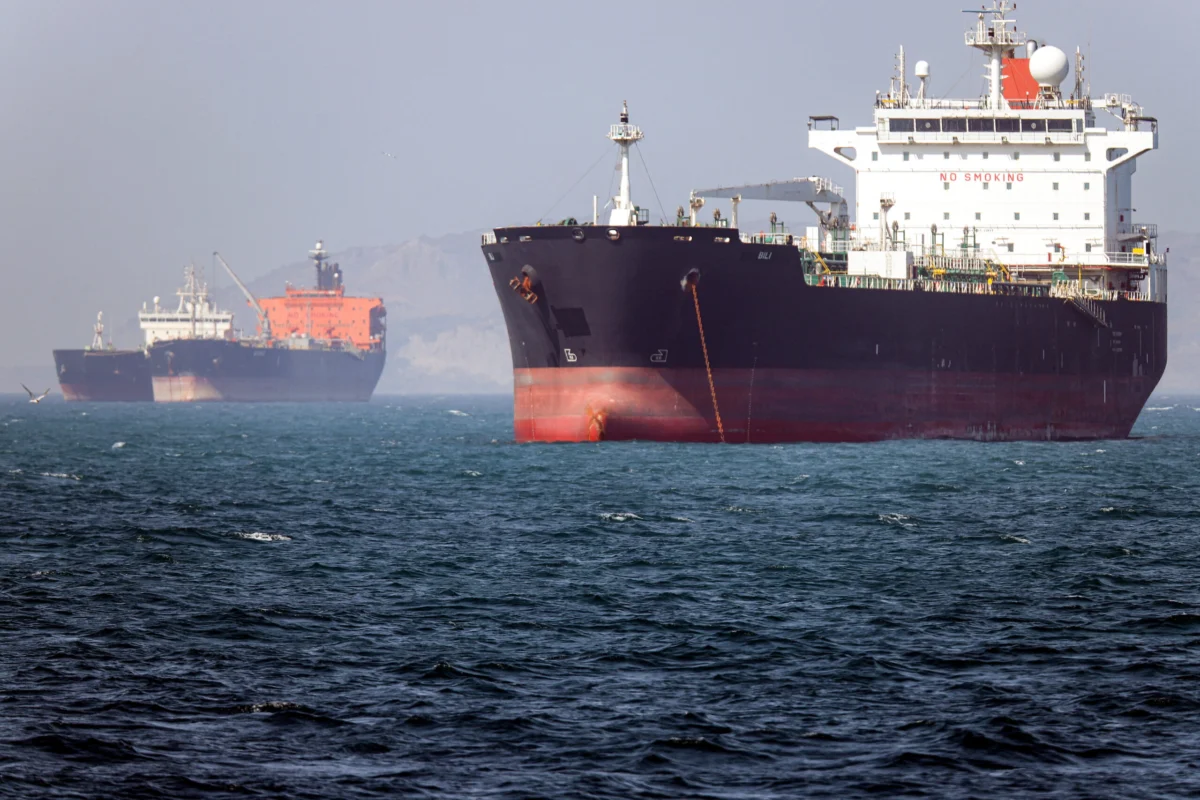
U.S. President Donald Trump has vehemently rejected Iran’s counterproposal aimed at resolving the protracted 10-week war in the Middle East, labeling the offer as "totally unacceptable." This definitive stance by the American leader has prolonged a high-stakes standoff that has severely impacted the vital Strait of Hormuz and sent shockwaves through global energy markets. Tehran, in response, has vowed to "never bow," signaling a deepening of the diplomatic impasse.
"I have just read the response from Iran’s so-called ‘Representatives.’ I don’t like it — TOTALLY UNACCEPTABLE!" President Trump declared in a post on his Truth Social platform on Sunday. The stark pronouncement immediately signaled a significant setback for nascent de-escalation efforts, raising concerns about the potential for further escalation and continued disruption to international trade and energy supplies.
Iranian state media has portrayed Tehran’s response as a firm rejection of the U.S. proposal, characterizing it as an unreasonable demand for "surrender." In its detailed counteroffer, Iran has articulated a series of non-negotiable demands, including substantial war reparations, the assertion of full sovereignty over the strategically crucial Strait of Hormuz, the complete lifting of international sanctions, and the unconditional release of all frozen Iranian assets. These demands represent a significant divergence from U.S. objectives and underscore the deep-seated mistrust and divergent interests that have fueled the ongoing conflict.
Iranian President Masoud Pezeshkian adopted a defiant posture as diplomatic exchanges continued over the weekend. "We will never bow our heads before the enemy, and if talk of dialogue or negotiation arises, it does not mean surrender or retreat," he stated on X, formerly Twitter, in a message translated via Grok. This rhetoric highlights Iran’s determination to defend its national interests and sovereignty, even in the face of immense international pressure.
The gravity of the situation was further underscored by Israeli Prime Minister Benjamin Netanyahu, who, in an interview on CBS’ "60 Minutes," asserted that "the war was not over" and that "more work to be done" remained. Netanyahu cited Iran’s continued possession of enriched uranium, the non-dismantling of its enrichment sites, its persistent support for regional proxies, and the ongoing advancement of its ballistic missile program as key reasons for his assessment. His comments reflect the deeply entrenched security concerns of Israel and its allies regarding Iran’s nuclear ambitions and regional influence.
Nuclear and Hormuz Impasse: A Deepening Stalemate
Reports from The Wall Street Journal indicate that Iran has rejected key U.S. demands pertaining to its controversial nuclear program and its substantial stockpile of highly enriched uranium. Instead, Tehran has proposed a bifurcated negotiation strategy, offering to dilute a portion of its enriched uranium and transfer the remainder to a third country. Crucially, Iran has stipulated that this transferred uranium would be subject to return if Washington were to withdraw from any eventual agreement. This proposal attempts to bridge the gap by offering concessions while preserving Iran’s leverage and perceived security interests.
The United States has consistently sought assurances that Iran will permanently cease its nuclear program as a cornerstone of any peace accord. While Iran has reportedly agreed to suspend uranium enrichment, its proposed moratorium period is significantly shorter than the 20-year period advocated by the U.S. Furthermore, Tehran has adamantly refused to dismantle its nuclear facilities, viewing them as essential components of its national defense and technological capabilities.
Adding another layer of complexity to the negotiations, Tehran has made the reopening of the Strait of Hormuz contingent upon the U.S. ending its blockade of Iranian ports. This demand directly links regional maritime security to the broader sanctions regime imposed on Iran, creating a challenging quid pro quo for American negotiators.
Despite the overarching tensions, a symbolic development occurred on Sunday when a Qatar-flagged liquefied natural gas (LNG) tanker transited the Strait of Hormuz for the first time since the commencement of hostilities. This passage, reportedly approved by Iran as a confidence-building measure with Qatar and Pakistan, offered a fleeting glimmer of potential de-escalation. However, the event did little to assuage broader market anxieties, which remain acutely sensitive to the volatile geopolitical landscape.
"Oil has stayed highly sensitive to headlines, with markets caught between hopes of de-escalation and the risk that sporadic clashes keep an energy-risk premium embedded in forex exchange and rates," commented Christopher Wong, currency strategist at OCBC Bank. This sentiment underscores the precarious balance in energy markets, where any perceived progress towards peace is quickly overshadowed by the persistent threat of renewed conflict and supply disruptions.
The ongoing drone attacks launched by Iran against its Gulf neighbors over the weekend further exacerbated regional tensions. The United Arab Emirates announced the interception of two drones originating from Iran, while Qatar condemned a drone attack that struck a cargo ship within its territorial waters. Kuwait also reported that its air defense systems had engaged hostile drones that entered its airspace. These incidents highlight the persistent asymmetric warfare tactics employed by Iran and its proxies, contributing to a climate of fear and instability in the region.
In a stern warning, Iranian Army spokesperson Brig. Gen. Mohammad Akraminia, speaking in an interview with IRNA, cautioned of "surprising options" should adversaries make another "miscalculation." He asserted that any future aggression would extend the conflict into territories "the enemy has not anticipated," suggesting a willingness to expand the scope and intensity of hostilities if provoked.
Adding to the atmosphere of uncertainty, Iran’s new supreme leader, Mojtaba Khamenei, who has maintained a low public profile since the war began, has reportedly issued "new and decisive directives" for military operations, according to state broadcaster reports. The specifics of these directives remain undisclosed, but their issuance signals a hardening of Iran’s military posture and a readiness for continued engagement.
All Eyes on Beijing: The China Factor
The unresolved standoff between the U.S. and Iran looms large over President Trump’s upcoming summit with Chinese President Xi Jinping in Beijing later this week. The Iran war is widely expected to dominate discussions, with Washington seeking to leverage Beijing’s influence over Tehran to facilitate the reopening of the Strait of Hormuz. However, China’s willingness to actively pressure Iran remains uncertain, given its strategic partnership with Tehran.
Ben Emons, managing director at Fed Watch Advisors, anticipates a "managed détente with potentially thin deliverables" from the summit. This scenario suggests that while both leaders may issue vague joint statements on de-escalation and maintaining oil flows, significant breakthroughs are unlikely. China’s primary interest lies in maintaining regional stability to ensure the smooth flow of energy supplies, but it is also keen to avoid actions that could undermine its partnership with Iran or risk the reputational damage of a failed mediation effort.
In a significant diplomatic maneuver, Beijing hosted Iranian Foreign Minister Abbas Araghchi last week. During the meeting, Chinese top diplomat Wang Yi reaffirmed the "strategic partnership" between the two nations, while simultaneously urging Tehran to pursue a diplomatic resolution to the regional conflict and refrain from further hostilities. This diplomatic engagement underscores China’s complex role as both a partner to Iran and a stakeholder in global stability.
Background and Timeline of the Conflict
The current crisis traces its roots back to a series of escalating incidents that began approximately 10 weeks ago. Initial provocations, including a series of attacks on oil tankers and energy infrastructure in the Persian Gulf, were widely attributed to Iran or its proxies. These incidents, coupled with Iran’s continued development of its nuclear program and its support for regional militant groups, led to a significant increase in international sanctions and a heightened military presence in the region by the United States and its allies.
The conflict intensified with direct confrontations, leading to the current protracted war. The Strait of Hormuz, a critical chokepoint for global oil shipments, has become a focal point of the hostilities, with Iran repeatedly threatening to disrupt maritime traffic. This threat has had a profound impact on global energy prices, creating a persistent "energy-risk premium" in financial markets.
Key Chronological Milestones:
- Approximately 10 weeks ago: The current phase of intensified conflict begins, marked by a series of escalating incidents in the Persian Gulf and surrounding regions.
- Early Weeks of Conflict: Iran-backed proxies launch attacks on commercial shipping and energy infrastructure, prompting retaliatory measures from the U.S. and its allies. The Strait of Hormuz becomes a major flashpoint, with heightened naval activity and Iranian threats to disrupt shipping.
- Mid-Conflict Period: Diplomatic efforts to de-escalate the situation intensify, with various international actors attempting to mediate a ceasefire. Iran’s nuclear program remains a significant point of contention, with reports of increased uranium enrichment activities.
- Recent Weeks: U.S. President Donald Trump presents a comprehensive proposal aimed at ending the conflict and addressing Iran’s nuclear ambitions. Iran subsequently formulates and delivers its counterproposal, which is now under scrutiny.
- Present Day: President Trump rejects Iran’s counterproposal, leading to a renewed period of uncertainty and the continuation of the standoff. Global energy markets remain highly volatile, and diplomatic efforts are at an impasse.
Broader Implications and Analysis
The rejection of Iran’s counterproposal by the U.S. signals a prolonged period of geopolitical tension and economic uncertainty. The continued blockade of the Strait of Hormuz, or the persistent threat thereof, will undoubtedly keep global oil prices elevated and continue to disrupt supply chains. This sustained pressure on energy markets could have significant ripple effects on inflation, economic growth, and the stability of nations reliant on imported energy.
The impasse also highlights the deep-seated strategic differences between the U.S. and Iran, particularly concerning Iran’s nuclear program and its regional influence. The U.S. demand for the complete cessation of Iran’s nuclear activities and the dismantling of its enrichment facilities stands in stark contrast to Iran’s insistence on retaining its technological capabilities and sovereignty.
The upcoming summit in Beijing will be a critical test of U.S.-China relations and China’s ability to exert influence on the international stage. Washington’s success in persuading Beijing to play a more active role in de-escalating the Iran conflict could have significant implications for global diplomacy and the future of Sino-American relations. However, China’s inherent strategic interests and its complex relationship with Iran suggest that a decisive shift in its approach is unlikely.
The continued drone attacks and the belligerent rhetoric from Iranian military officials underscore the persistent threat of escalation. The possibility of miscalculation or unintended consequences remains high, raising concerns about the potential for a wider regional conflict. The international community will be closely watching for any signs of a breakthrough, but the current trajectory suggests a challenging road ahead in achieving lasting peace and stability in the Middle East. The economic ramifications of this prolonged standoff will be felt globally, impacting everything from consumer prices to industrial production.
