

The Venice Biennale, a venerable institution steeped in governmental support and artistic curation, traditionally maintains a discreet distance from overt commercial overtures. Yet, beneath the surface of this esteemed cultural exhibition, a significant undercurrent of commerce flows, with collectors, dealers, and auction houses actively engaging in transactions. This year, Christie’s strategically amplified this quieter aspect of the art world’s elite gatherings by hosting an exclusive, week-long exhibition titled ‘Ghost Pavilion: A Venice Revealed’ within the opulent confines of Palazzo Ca’ Dario on the Grand Canal. The event, showcasing an estimated £130 million worth of masterpieces, underscored the growing importance of private sales in the global art market, a trend amplified by recent economic shifts and evolving collector preferences.

A Grand Setting for High-Value Transactions
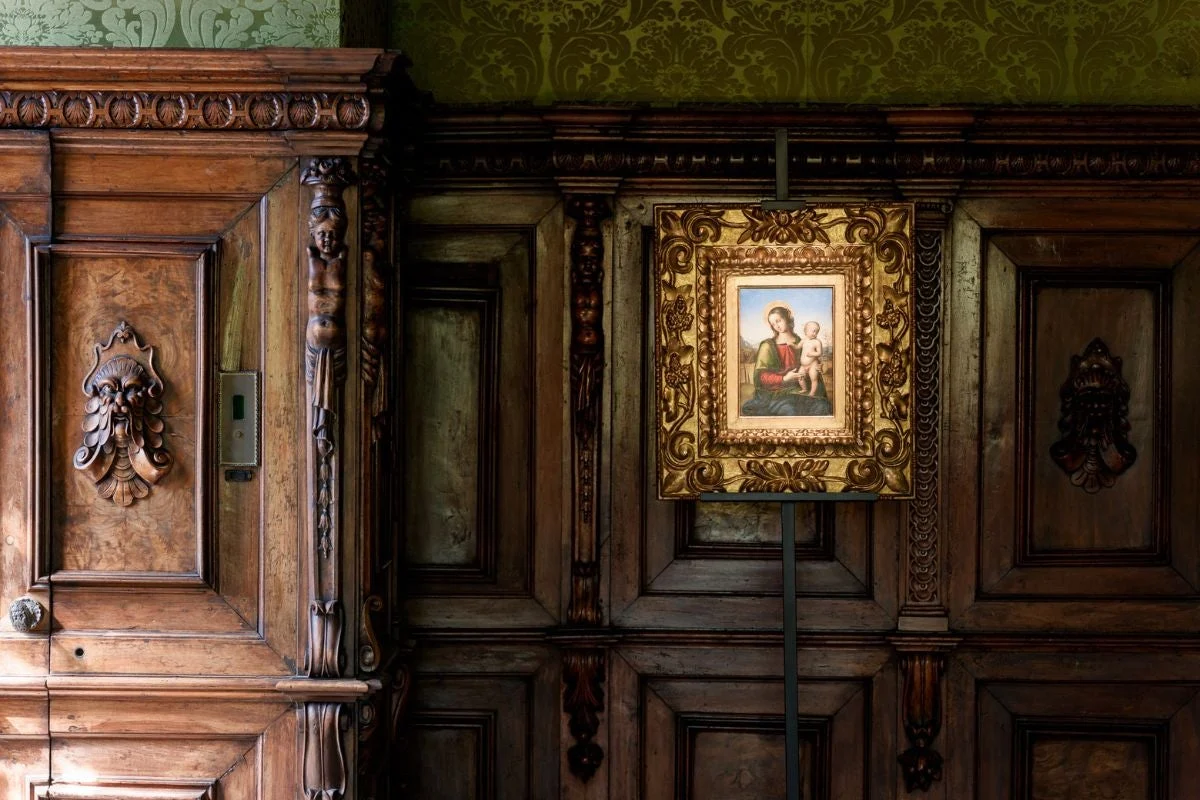
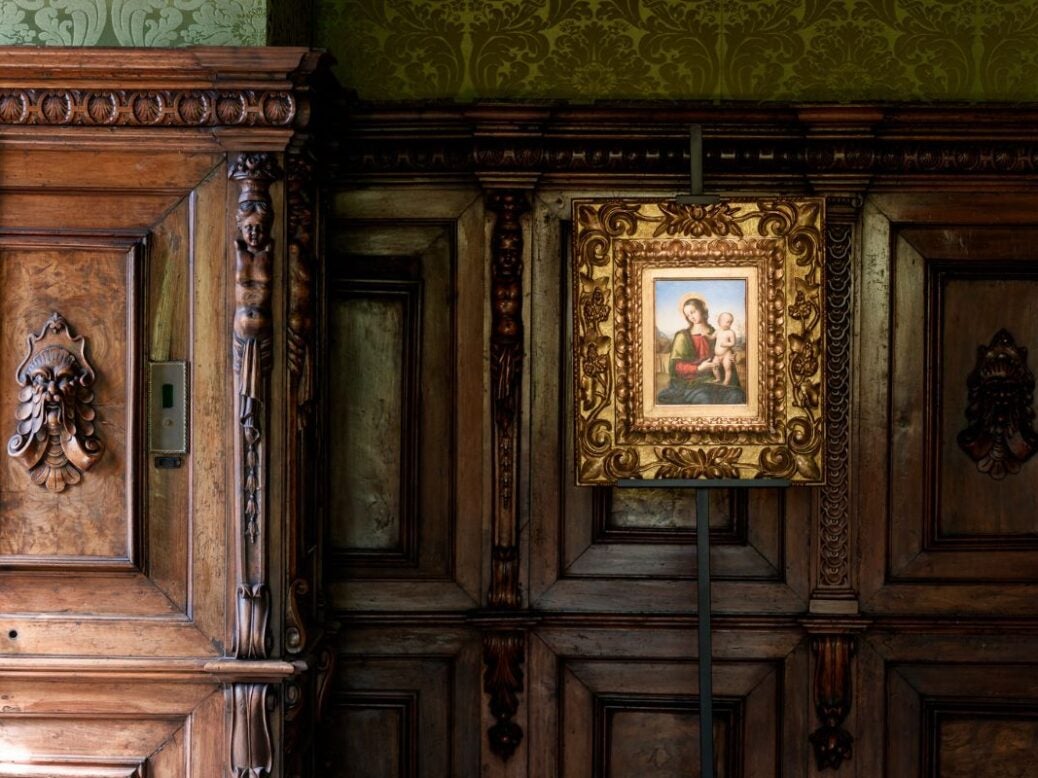
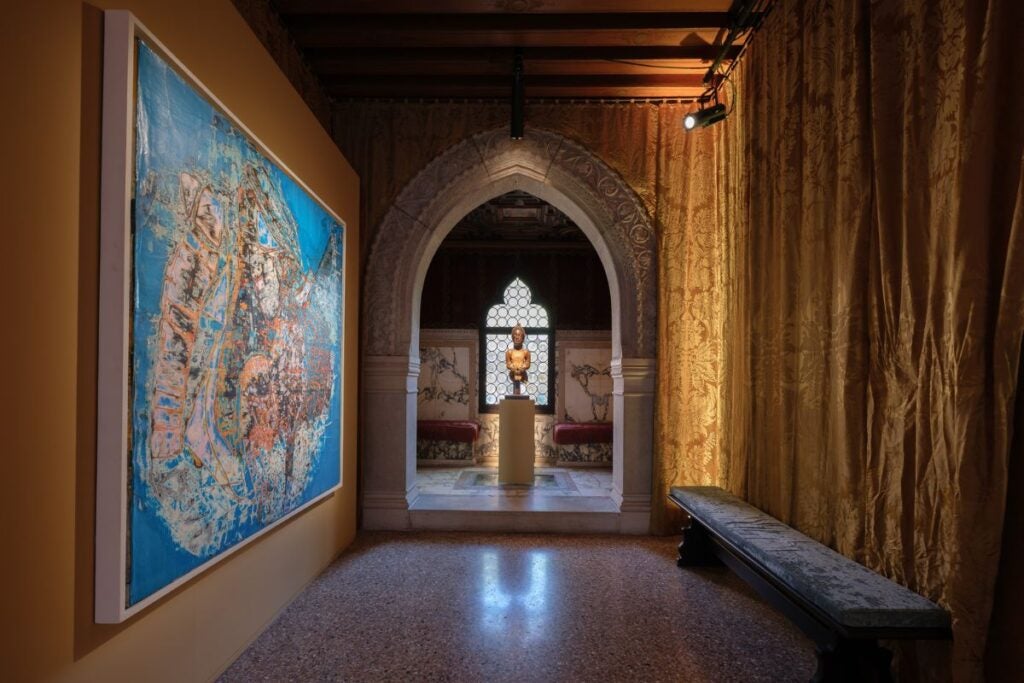
Palazzo Ca’ Dario, a historic Venetian palazzo renowned for its architectural grandeur and a whispered reputation for being haunted, provided a suitably dramatic backdrop for Christie’s ambitious showcase. The auction house meticulously curated three floors of the majestic property, transforming it into a temporary gallery for an extraordinary collection. The exhibition featured a diverse array of artistic talent, spanning centuries and styles. From the Renaissance mastery of Titian to the Romantic landscapes of J.M.W. Turner and the Impressionist elegance of Édouard Manet, the selection paid homage to art historical titans. Complementing these classical works were significant pieces from the modern and contemporary canon, including iconic creations by Andy Warhol, the abstract expressionist Mark Rothko, and the influential Cy Twombly. The inclusion of artists like Mark Bradford further demonstrated Christie’s commitment to showcasing contemporary voices alongside established masters. The title, ‘Ghost Pavilion: A Venice Revealed,’ served as a clever nod to the palazzo’s storied past, adding an intriguing layer to the viewing experience.
Access to this exclusive event was tightly controlled, emphasizing its private nature. Invited guests were guided through a discreet side entrance, where a security guard would unlock a chained door, creating an air of anticipation and exclusivity. For the most esteemed clientele, a more direct approach was facilitated, allowing them to disembark by private boat and enter through the palazzo’s grand ‘porta d’acqua,’ a water entrance befitting the Venetian setting. This carefully orchestrated access mirrored the discreet yet highly personalized service offered in private art sales, a segment of the market that has seen remarkable growth.
The Surge in Private Sales: A Strategic Shift
Christie’s foray into hosting such a prominent private exhibition during the Biennale marks a significant moment, representing the auction house’s first such initiative in the event’s 130-year history. This move is a direct reflection of the burgeoning trend towards private sales within the major auction houses. In the past year, both Christie’s and Sotheby’s reported substantial figures for their private transactions, each achieving approximately $1.5 billion in art sales through private channels. This figure represents a significant portion, roughly a quarter, of their overall annual revenues, indicating a strategic pivot and a substantial revenue stream. Phillips, another key player in the auction world, has witnessed an even more dramatic surge, with private sales experiencing a 66 percent increase.
This uptick in private sales arrives at a crucial juncture for the art market, which has faced considerable headwinds in recent years. Global conflicts, geopolitical instability, and broader economic volatility have cast a shadow over the traditional auction landscape, leading to a pronounced contraction in market activity. In contrast, private sales offer a more controlled and predictable environment for both buyers and sellers. The ability to negotiate terms discreetly, away from the public eye and the pressures of an auction room, allows for more nuanced discussions about pricing, condition, and provenance. This controlled environment fosters a sense of security and personalized service, which is increasingly valued by high-net-worth individuals.
Venice’s Advantage: A Favorable Economic Climate
Beyond the strategic appeal of private sales, Christie’s choice of Venice also capitalized on a significant economic advantage. Italy recently enacted a substantial reduction in its Value Added Tax (VAT) on art sales, slashing it from a previously high 22 percent to a mere 5 percent. This drastic decrease has positioned Italy as one of the most competitive markets in Europe for art transactions, making it an attractive location for both buyers and sellers looking to optimize their financial arrangements. This favorable tax environment further bolsters the appeal of Venice as a venue for high-value art dealings.
The ‘Ghost Pavilion’ Experience: A Blend of Commerce and Culture
During the exhibition, Adrien Meyer, Christie’s Head of Global Private Sales, articulated the delicate balance between art and commerce. He acknowledged Venice’s reputation as a cultural sanctuary, where the absence of overt commercialism at the Biennale enhances its artistic aura. However, he also recognized the opportunity to engage with the affluent clientele gathered in the city. "Not at all!" he responded with a smile when asked if the intention was to disrupt this aura. "This exhibition features 23 pieces of the highest quality that carry the Biennale’s curatorial weight. It’s a refreshing, enlightening experience. They compliment one another, but we do need to be mindful of merging commerce with scholarship."

Meyer’s statement highlights a key consideration for auction houses: how to integrate commercial activities without undermining the artistic integrity of an event like the Biennale. The curated selection of works in ‘Ghost Pavilion’ aimed to achieve this balance. Many of the pieces on display offered a direct connection to Venice itself. Édouard Manet’s "Le Grand Canal à Venise" (1874), one of only two paintings he created of the city, and J.M.W. Turner’s "Depositing of John Bellini’s Three Pictures in La Chiesa Redentore, Venice" (1841) provided evocative artistic interpretations of the city’s unique landscape and history. The exhibition also incorporated elements of wit and commentary, such as Maurizio Cattelan’s taxidermied mice in deck chairs, "Untitled" (1997), and Andy Warhol’s "Still Life (Skull)" (1976), which cleverly riffed on the exhibition’s theme and the palazzo’s purportedly haunted nature.
Beyond Venice: A Global Strategy
Christie’s ambitious private selling exhibition in Venice is not an isolated event but part of a broader, global strategy. The auction house has several more private-selling shows planned for London, New York, and Paris throughout the year. Meyer expressed confidence in the continued momentum of this approach, suggesting that the positive response in Venice has exceeded expectations and points towards a sustained demand for such curated, private selling experiences.

While Sotheby’s did not host a comparable large-scale exhibition during the Venice Biennale, the auction house is also actively pursuing private sales. A notable example involved the discreet placement of a Lucio Fontana painting, valued at approximately £1 million, at the Gritti Palace hotel for a private client dinner. This artwork is slated for sale later this month at Sotheby’s "Modern and Contemporary Art" auction in Milan. Like Christie’s, Sotheby’s has a robust pipeline of private selling events scheduled, including initiatives tied to Art Basel in Switzerland and another in Paris later in the year.
The Evolving Landscape of Art Patronage
The current climate, marked by public funding cuts for cultural institutions, has prompted galleries and auction houses to invest more significantly in supporting major art events. These contributions extend beyond the acquisition of art, encompassing crucial aspects such as the shipping and installation of artworks for national pavilions and the financing of the obligatory social events that accompany such gatherings. However, as businesses, these organizations must recoup their investments. The natural and most effective avenue for this is through the sale of art.

The subtle yet impactful integration of commercial activities within the prestigious framework of the Venice Biennale signifies a new era in art patronage and market dynamics. The success of Christie’s ‘Ghost Pavilion’ exhibition and the ongoing strategies of other major auction houses suggest that the symbiotic relationship between cultural exhibitions and high-value private sales is not merely a temporary trend but a foundational element of the contemporary art market’s future. As the art world navigates an increasingly complex global landscape, these discreet yet powerful commercial engagements will likely continue to shape how art is discovered, appreciated, and transacted. The future of art sales appears to be a sophisticated dance between scholarly curation and discreet, high-stakes commerce, with Venice now firmly established as a key stage for this evolving performance.
