

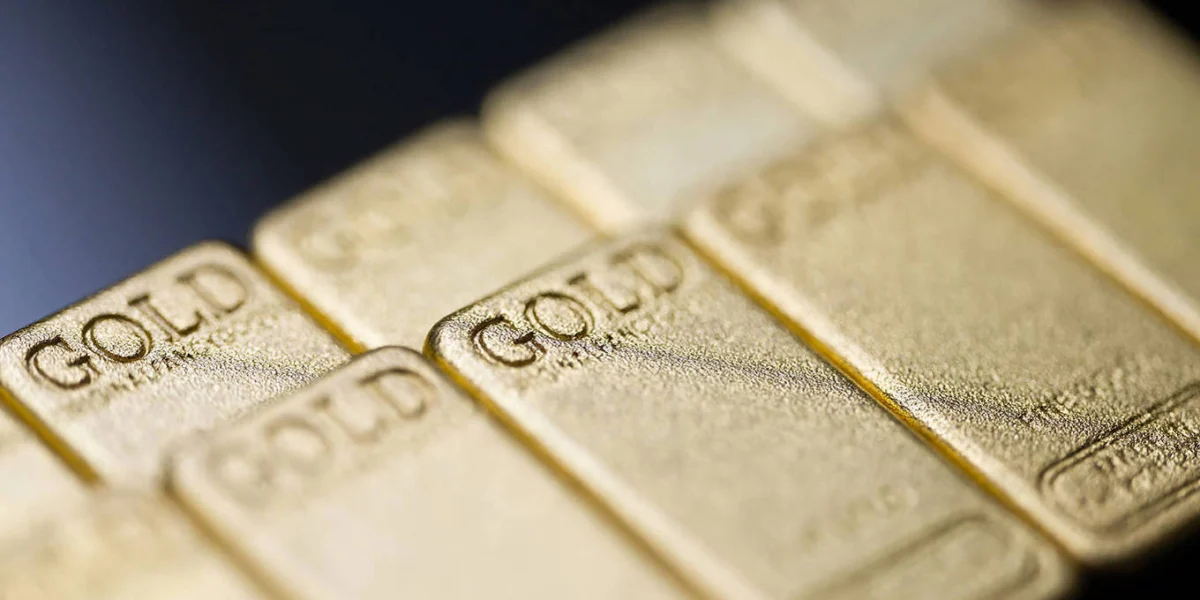
Central banks’ growing appetite for gold, both through purchases and repatriation of the precious metal, is a significant development that signals a profound shift in the global economic and geopolitical landscape. This trend is not merely an anomaly in financial markets but rather a symptom of accelerating deglobalization, indicating the emergence of a more fragmented world where cross-border transactions are increasingly likely to face greater difficulties and incur higher costs. The implications of this recalibration of central bank reserves are far-reaching, touching upon monetary policy, international trade, and the very architecture of global finance.
The Shifting Sands of Central Bank Reserves
For decades, the U.S. dollar has reigned supreme as the world’s primary reserve currency, a status cemented by the Bretton Woods Agreement and further reinforced by the United States’ economic and military might. However, recent years have witnessed a discernible diversification of central bank holdings, with gold emerging as a key beneficiary. Data from the World Gold Council reveals a consistent upward trend in central bank gold purchases since the 2008 global financial crisis. In 2023 alone, central banks collectively purchased 1,037 tonnes of gold, marking the second-highest annual net purchases on record. This surge is a stark contrast to the period prior to 2010, when central banks were net sellers of gold.
Emerging market central banks, in particular, have been at the forefront of this gold accumulation. Their holdings have more than doubled since the 2008 crisis. This strategic pivot is driven by a confluence of factors, including a desire to diversify away from the U.S. dollar, hedge against inflation and currency volatility, and bolster national financial security in an increasingly uncertain world.
The Keynesian Enigma and the Modern Resurgence of Gold
John Maynard Keynes famously characterized gold as a "barbarous relic," a sentiment that reflected the prevailing economic orthodoxy of his time, which favored fiat currencies and a more managed approach to monetary policy. However, the recent actions of central banks suggest a reevaluation of gold’s role in the international monetary system. While its price has historically exhibited a complex relationship with global events, its persistent appeal to central banks underscores its enduring perceived value as a store of wealth and a safe-haven asset. The anomalous behavior of gold prices, particularly in light of recent geopolitical tensions, such as the ongoing conflict with Iran, prompts a deeper examination of the underlying drivers of this renewed interest.
Decoding the Drivers: Deglobalization and Geopolitical Fragmentation
The rising trend in central bank gold holdings is intrinsically linked to the broader phenomenon of deglobalization. As global supply chains are reconfigured, trade tensions persist, and geopolitical rivalries intensify, nations are increasingly prioritizing economic resilience and national security. In this context, gold offers a tangible and universally recognized asset that is not beholden to any single nation’s monetary policy or political will.
A Timeline of Shifting Global Dynamics
The seeds of deglobalization were sown long before the current geopolitical flare-ups. The 2008 global financial crisis exposed vulnerabilities in the interconnectedness of the global financial system, prompting many nations to re-examine their reliance on dollar-denominated assets. The subsequent period saw a gradual rise in protectionist sentiment and a questioning of the benefits of hyper-globalization.
The election of Donald Trump in 2016 marked a more overt shift towards protectionist policies, characterized by trade disputes and a questioning of international alliances. The COVID-19 pandemic further accelerated these trends, disrupting supply chains and highlighting the fragility of global interdependence. The war in Ukraine, which began in February 2022, acted as a significant catalyst, leading to widespread sanctions against Russia and a further impetus for countries to seek alternatives to dollar-denominated transactions and assets. The recent escalation of tensions in the Middle East, particularly the conflict with Iran, adds another layer of complexity and uncertainty to the global geopolitical landscape, further reinforcing the appeal of gold as a safe haven.
Data Points Illustrating the Trend:
- Central Bank Gold Purchases: According to the World Gold Council, central banks bought 1,037 tonnes of gold in 2023, a significant increase from previous years. This follows record purchases of 1,136 tonnes in 2022.
- Share of Gold in Reserves: While precise figures vary, the proportion of gold in total central bank reserves has been gradually increasing, signaling a diversification strategy away from a sole reliance on fiat currencies.
- Dollar Dominance Erosion: While the U.S. dollar remains the dominant reserve currency, its share has been slowly declining over the past two decades, with other currencies and assets, including gold, gaining traction.
- Geopolitical Hotspots: The frequency and intensity of geopolitical conflicts, such as the Russia-Ukraine war and the recent escalation in the Middle East, directly correlate with increased demand for safe-haven assets like gold.
The Implications of a Fragmented World
The increasing embrace of gold by central banks has several critical implications:
H2: Monetary Policy Adjustments and Currency Diversification
As central banks diversify their reserves, it can influence their monetary policy decisions. A reduced reliance on the U.S. dollar may lead to greater flexibility in managing domestic monetary conditions and a decreased vulnerability to U.S. Federal Reserve policy. This shift could also spur greater demand for other currencies, potentially leading to a more multi-polar international monetary system. For emerging markets, accumulating gold can provide a buffer against external economic shocks and enhance their ability to withstand currency crises.
H3: The Future of International Trade and Finance
The prospect of a more fragmented world suggests that cross-border transactions may become more complex and expensive. This could manifest in several ways:
- Increased Transaction Costs: Sanctions, capital controls, and the proliferation of different payment systems could make international trade and investment more cumbersome.
- De-dollarization Efforts: Countries may actively seek to conduct trade and settle payments in currencies other than the U.S. dollar, potentially leading to the rise of alternative payment mechanisms and currency blocs.
- Reshoring and Nearshoring: To mitigate supply chain risks, companies may opt to bring production closer to home or to politically stable regions, further altering global trade patterns.
- The Role of Gold in Transactions: While gold is not typically used for everyday transactions, its role as a store of value and a hedge against instability could indirectly influence international financial flows and potentially play a more direct role in specific bilateral or multilateral trade agreements.
H2: Official Responses and Expert Analysis
While central banks rarely provide explicit public commentary on their specific reserve management strategies, the data speaks volumes. Independent analysts and international financial institutions have widely acknowledged the trend.
"The surge in central bank gold buying is a clear signal of growing unease about the global economic and geopolitical outlook," stated a senior analyst at a leading international financial institution, who wished to remain anonymous due to the sensitive nature of reserve management. "It reflects a desire for tangible assets and a diversification away from the risks associated with fiat currencies and an increasingly uncertain global order."
Economists specializing in international finance echo this sentiment. They point to the fact that gold’s historical role as a store of value, its lack of counterparty risk, and its universal acceptability make it an attractive hedge in an environment characterized by rising inflation, currency volatility, and geopolitical tensions. The fact that central banks, institutions tasked with maintaining financial stability, are prioritizing gold suggests a fundamental shift in their risk assessment and strategic planning.
H3: A Broader Impact on Global Stability
The implications of deglobalization and the resulting shift in central bank reserve strategies extend beyond financial markets. A more fragmented world could lead to:
- Reduced Global Cooperation: Increased nationalistic tendencies and geopolitical rivalries may hinder international cooperation on critical global issues such as climate change, pandemics, and economic development.
- Shifting Power Dynamics: The rise of alternative economic and political blocs could lead to a recalibration of global power dynamics, with new alliances and centers of influence emerging.
- Increased Volatility: The absence of a universally accepted and stable international framework could lead to greater volatility in financial markets, commodity prices, and geopolitical relations.
In conclusion, the resurgent interest in gold by central banks is far more than a mere financial footnote. It is a profound indicator of a world grappling with the complexities of deglobalization and geopolitical fragmentation. As nations recalibrate their economic strategies and seek greater resilience, the "barbarous relic" of gold is once again proving its enduring value, not just as a store of wealth, but as a barometer of a changing global order. The coming years will likely see a continued re-evaluation of the international financial architecture, with gold playing a significant, albeit perhaps indirect, role in shaping its future.
