

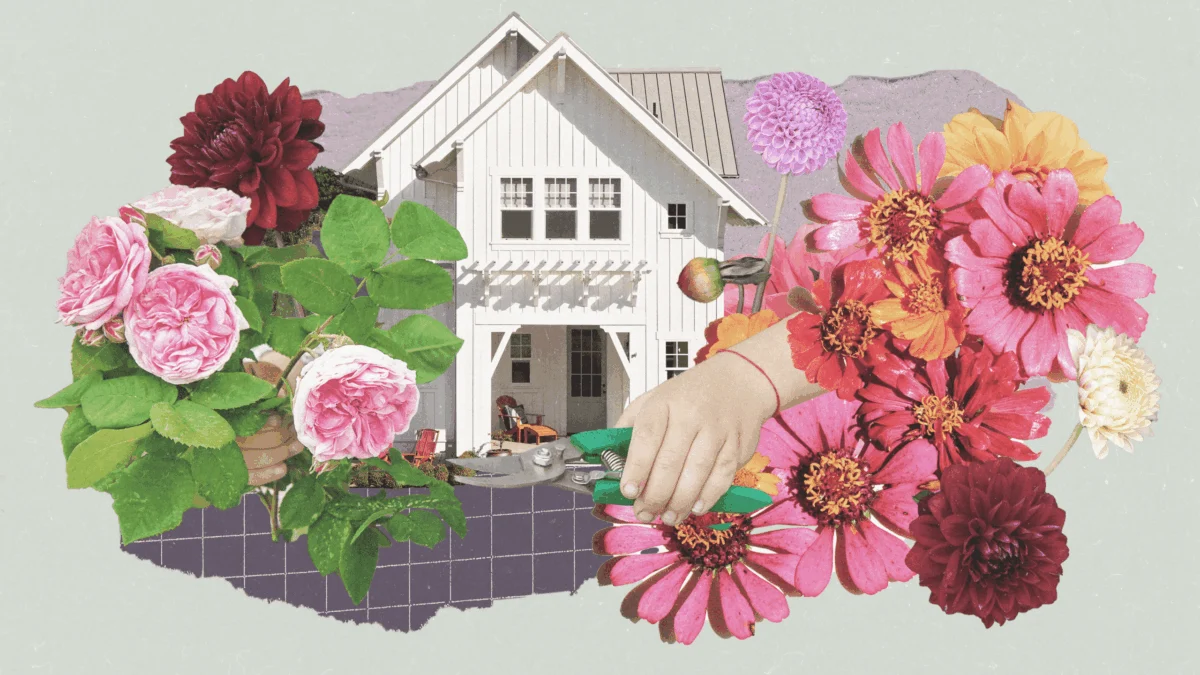
The transition from the temperate conditions of spring to the high-intensity heat of summer marks a critical period for horticulturalists and amateur gardeners alike, as the focus shifts toward maintaining a resilient and aesthetically pleasing landscape. While recreational activities such as poolside gatherings and outdoor grilling define the social fabric of the season, the botanical transformation of the garden remains its most enduring characteristic. To achieve a successful summer bloom, experts recommend a curated selection of 21 specific flower varieties, ranging from towering perennials to low-maintenance annuals, each chosen for their ability to withstand rising temperatures while providing vital ecological benefits. These selections are designed to cater to a spectrum of gardening expertise, offering options for professional landscapers seeking complex perennial borders as well as novices looking for hardy, beginner-friendly buds.

The Foundation of Summer Horticulture: Understanding Hardiness Zones
The primary factor in the success of any summer garden is the alignment of plant selection with local environmental conditions. Central to this process is the United States Department of Agriculture (USDA) Plant Hardiness Zone Map. This tool serves as the definitive standard for gardeners and growers to determine which plants are most likely to thrive at a specific location based on average annual minimum winter temperatures.

In late 2023, the USDA released an updated version of the map, the first significant revision since 2012. This update revealed that approximately half of the United States had shifted into a warmer zone, a reflection of changing climate patterns that have extended the growing season in many regions. For gardeners, this means that summer flowers previously considered too delicate for northern latitudes may now be viable, while southern gardeners must increasingly prioritize drought-tolerant species. Identifying one’s specific zone by entering a zip code into the USDA database is the essential first step before investing in seeds or nursery starts.

Urban Horticulture and Small-Space Solutions
As urbanization continues to reshape the domestic landscape, the demand for "balcony gardening" and small-space horticultural solutions has reached an all-time high. Data from the National Gardening Association indicates a significant uptick in container gardening among Millennial and Gen Z demographics who may lack access to traditional acreage. For these environments, space-efficient and hardy varieties are paramount.

Certain summer flowers are particularly well-suited for the microclimates found on porches, balconies, and small patios. Hydrangeas, specifically the macrophylla and paniculata varieties, are favored for their ability to thrive in large pots, provided they receive adequate moisture and partial shade. Marigolds and geraniums are also staples of the urban garden due to their resilience against the "urban heat island" effect, where concrete and brick surfaces radiate heat long after the sun has set. Petunias and petite knockout roses offer a high-impact visual yield in a compact footprint, making them ideal for hanging baskets and window boxes. These varieties not only maximize aesthetic appeal but also provide much-needed greenery in densely populated areas, contributing to local cooling and psychological well-being.

The Role of Fragrance and Pollinator Attraction
Beyond visual aesthetics, the sensory experience of a summer garden is defined by fragrance and the presence of local wildlife. Professional horticulturalists often categorize "fragrant gardens" as a specific niche, utilizing plants that release volatile organic compounds (VOCs) to scent the air. Gardenias and lavender are the gold standards in this category. Lavender (Lavandula), in particular, is prized not only for its scent but for its drought tolerance and ability to repel certain pests while attracting beneficial insects.

The ecological impact of summer gardening cannot be overstated. According to the Xerces Society for Invertebrate Conservation, the decline of pollinator populations—including bees, butterflies, and hummingbirds—poses a significant threat to global food security and biodiversity. Planting summer flowers like bee balm (Monarda) and various perennial salvias creates a "pollinator corridor" that provides essential nectar during the hottest months of the year. Hummingbirds are especially drawn to tubular, brightly colored blossoms, making these plants a functional addition to any yard aimed at conservation.

Cultivating for the Vase: The Home Bouquet Industry
The "slow flower" movement, which emphasizes locally grown, seasonal blooms over mass-produced imports, has encouraged many homeowners to dedicate portions of their gardens to "cutting patches." Growing flowers specifically for indoor arrangements requires selecting varieties with long, sturdy stems and a high vase-life expectancy.

Zinnias are widely considered the workhorse of the summer cutting garden. They are "cut-and-come-again" flowers, meaning the more they are harvested, the more they bloom. Their diversity in color—ranging from lime green to deep magenta—makes them a favorite for artful arrangements. Gerbera daisies and Oriental lilies are also highly sought after for their structural integrity and vibrant presence. Unlike commercial flowers that are often treated with preservatives and transported over long distances, home-grown bouquets offer a sustainable and fragrant alternative that brings the outdoor landscape into the living environment.

Chronology of a Summer Bloom Cycle
A successful summer garden is not a static entity but a chronological progression of blooms.

- Early Summer (June): This period is typically dominated by the first flush of roses and the emergence of perennials like lavender and bee balm. This is the optimal time for mulching to retain soil moisture before the peak heat of July.
- Mid-Summer (July): This is the height of the "kaleidoscope" effect. Heat-loving annuals such as marigolds, zinnias, and petunias reach their peak. Gardeners must be diligent with "deadheading"—the removal of spent blossoms—to encourage continuous flowering.
- Late Summer (August): As temperatures remain high but daylight hours begin to wane, hardy varieties like hydrangeas and certain lilies maintain the garden’s structure. This is also when pollinators are most active, preparing for autumn migrations.
Technical Care and Maintenance Requirements
While the 21 varieties identified for summer offer a range of maintenance levels, certain universal care standards apply. Irrigation remains the most critical factor. Data suggests that deep, infrequent watering is superior to shallow, daily misting, as it encourages roots to grow deeper into the soil, where temperatures are cooler and moisture is more consistent.

Soil health is another pillar of successful summer gardening. The application of organic compost in the early summer provides a slow-release nutrient source that sustains plants through their most intensive growth phases. Furthermore, understanding the specific light requirements—full sun (6+ hours), partial shade (3-6 hours), or full shade (less than 3 hours)—is vital. For instance, while zinnias and marigolds crave the intensity of the midday sun, gardenias and hydrangeas often require protection from the harshest afternoon rays to prevent petal scorch.

Expert Analysis and Broader Implications
The rise in domestic gardening is more than a hobby; it is a response to broader environmental and social trends. Landscape architects are increasingly moving away from "monoculture" lawns toward "biodiverse landscapes" that incorporate the 21 flowers discussed. This shift reduces the need for chemical fertilizers and excessive water consumption, especially when drought-tolerant perennials are prioritized.

From an economic perspective, the gardening industry has seen sustained growth since 2020. Market research indicates that consumers are increasingly viewing their outdoor spaces as "exterior rooms," investing in high-quality plants and gardening infrastructure. This has led to a surge in demand for specialized nurseries and horticultural expertise.

In conclusion, the cultivation of summer flowers is a multifaceted endeavor that blends artistic expression with scientific rigor. By selecting plants that are appropriate for their hardiness zone, considering the needs of local pollinators, and adapting to the constraints of their specific environment—whether a sprawling estate or a small city balcony—gardeners can create resilient, beautiful spaces. The 21 flowers identified serve as the foundation for a season of growth that rewards the grower with a sensory-rich environment and a tangible connection to the natural world. As the climate continues to evolve, the importance of informed, sustainable gardening practices will only grow, making the choice of what to plant an act of both personal joy and environmental stewardship.
