

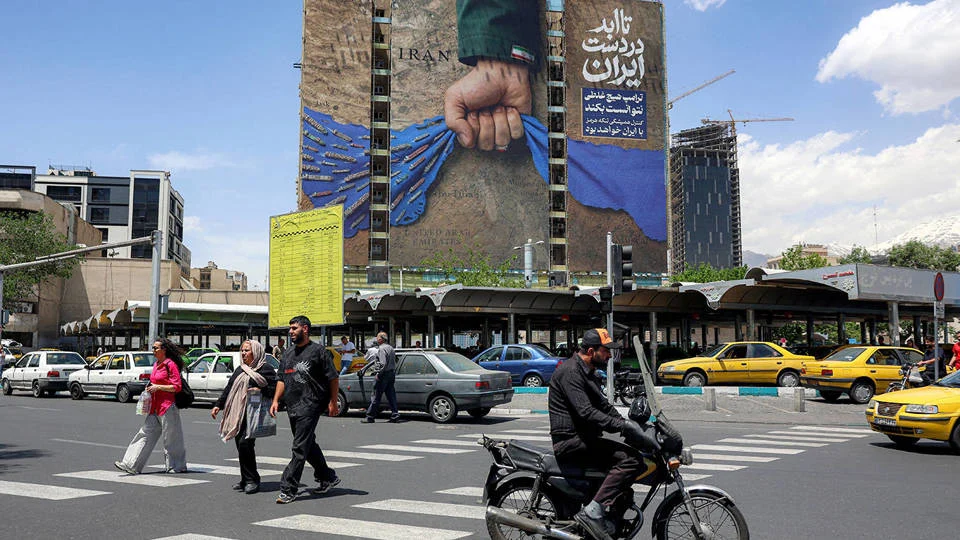
AUSTIN—More than nine weeks into the three-day war on Iran—recently declared “over” by the White House even as threats continue—it is not yet possible to disentangle rationales and pretexts. What was said in meetings, and by whom, even when a full accounting emerges, will not necessarily be dispositive, because some unstated reason may still underlie whatever argument was made.
The current geopolitical standoff, which escalated into kinetic conflict on May 6, 2026, has its roots in a confluence of escalating regional tensions, a volatile global energy market, and shifting domestic political landscapes in both the United States and Iran. For months leading up to the conflict, a series of proxy skirmishes and diplomatic breakdowns had created an atmosphere of intense suspicion and animosity.
Background and Escalation
The immediate trigger for the U.S. military action, officially termed a "limited punitive strike," remains a subject of intense debate. U.S. officials cited a series of alleged Iranian provocations, including attacks on international shipping lanes in the Persian Gulf and the downing of a U.S. surveillance drone. Iran, conversely, maintained that its actions were defensive, aimed at protecting its sovereignty and vital economic interests against perceived U.S. aggression and continued sanctions.
The U.S. intervention, launched with a swift and targeted series of airstrikes and missile launches, was initially described by the White House as a decisive operation designed to degrade Iran’s military capabilities and deter further aggressive actions. The stated objective was to restore regional stability and protect American allies in the Middle East. However, the conflict, despite its brief declared duration, has proven to be far more protracted and complex than initially projected.
A War of Unforeseen Durations and Outcomes
The assertion that the conflict was a "three-day war" declared "over" by the White House, while threats continue, highlights a significant disconnect between official pronouncements and the evolving reality on the ground. Reports from various international news agencies and independent observers indicate ongoing skirmishes, cyber warfare, and significant economic disruptions that extend far beyond the initial period of declared hostilities.
The Iranian response, characterized by its strategic patience and asymmetric tactics, has defied swift resolution. Instead of engaging in a conventional, large-scale confrontation, Iran has employed a multi-pronged strategy involving cyberattacks on critical infrastructure, targeted disruptions of energy supplies, and sustained diplomatic outreach to international bodies and non-aligned nations. This approach has effectively bogged down U.S. efforts to achieve a decisive victory and has imposed significant costs on the global economy.
Economic Ramifications and Shifting Markets
The most immediate and palpable consequence of the conflict has been its impact on global oil prices. Prior to the escalation, oil markets were already on edge due to geopolitical instability and supply chain concerns. The outbreak of hostilities, however, sent shockwaves through the energy sector. While initial U.S. military actions aimed to secure key energy chokepoints, Iranian countermeasures, including the disruption of tanker traffic and the threat of wider supply cuts, have led to sustained volatility and a significant upward trend in crude oil prices.
However, the article posits a counter-intuitive outcome: that Iran will ultimately prevail, leading to a fall in oil prices. This prediction hinges on the assumption that the prolonged conflict will exhaust global demand, lead to a strategic shift away from fossil fuels, or force a reassessment of current energy market valuations. The idea that U.S. private equity interests, which may have profited from the initial surge in oil prices and defense spending, could face bankruptcy suggests a scenario where the long-term economic consequences of sustained conflict outweigh short-term gains.
Data from the International Energy Agency (IEA) prior to the conflict indicated a global demand for oil projected to reach 102 million barrels per day by the end of 2026. However, the ongoing disruptions and the specter of further escalation have introduced significant uncertainty into these forecasts. If Iran can effectively control supply or create a prolonged period of market instability, the resulting economic slowdown could indeed lead to a precipitous drop in demand and, consequently, oil prices.
The U.S. Endgame and Historical Precedents
The author’s central thesis—that Iran will prevail due to the U.S. tendency to "walk away from defeat"—draws upon historical parallels. The article implicitly refers to past U.S. military engagements where, despite significant investment and initial objectives, a clear resolution or decisive victory was not achieved, leading to prolonged occupations or eventual withdrawal. Examples such as the Vietnam War or the protracted conflicts in Iraq and Afghanistan are often cited in discussions about the limits of American military power and the complexities of nation-building.
This perspective suggests that the U.S. approach to conflict is often characterized by a desire for swift, decisive outcomes that align with domestic political timelines. When such outcomes prove elusive, there is a tendency to disengage, even if underlying strategic objectives have not been fully met. If this pattern holds true for the current confrontation, Iran’s ability to withstand prolonged pressure and inflict costs on the U.S. and its allies could lead to a de facto U.S. withdrawal, interpreted as a strategic victory for Tehran.
Unstated Reasons and Underlying Rationales
The article emphasizes the difficulty in discerning the true motivations behind the U.S. decision to engage in conflict. The distinction between "rationales and pretexts" is crucial. While official justifications are provided, there may be underlying, unstated reasons that drive foreign policy decisions. These could include domestic political considerations, the influence of specific interest groups, or a miscalculation of the adversary’s resolve and capabilities.
The phrase "some unstated reason may still underlie whatever argument was made" suggests that a deeper analysis of the geopolitical landscape, economic interests, and the intricate web of alliances and rivalries is necessary to fully comprehend the decision-making process. This could involve the influence of the military-industrial complex, the pursuit of strategic resources, or the desire to project power in a region of critical global importance.
Broader Geopolitical Implications
Should Iran indeed emerge as the prevailing party in this confrontation, the implications would be far-reaching. A weakening of U.S. influence in the Middle East could embolden other regional powers and fundamentally alter the existing balance of power. A significant decline in oil prices, as predicted, would have profound consequences for global economies, impacting both oil-exporting and oil-importing nations, as well as the viability of renewable energy investments.
Furthermore, the assertion that U.S. private equity interests would "go bust" implies a scenario where the financial underpinnings of the war effort, perhaps fueled by speculative investments in energy or defense, collapse under the weight of an unfavorable outcome. This would represent a significant economic blow and could lead to a broader reassessment of risk in international investment.
The ongoing diplomatic efforts by various international actors, including China, Russia, and a coalition of non-aligned nations, will play a critical role in shaping the eventual outcome. Their attempts to mediate a ceasefire and facilitate de-escalation could either lead to a negotiated settlement or further complicate the situation, depending on the willingness of the principal parties to compromise.
As the conflict continues to unfold, the world watches with bated breath, grappling with the complexities of a geopolitical struggle where the stated objectives, the unfolding realities, and the ultimate consequences remain subjects of intense scrutiny and evolving analysis. The assertions made in this article, while provocative, highlight the critical need for a nuanced understanding of the motivations, strategies, and potential repercussions of this significant international crisis. The coming weeks and months will undoubtedly reveal more about the true nature of this conflict and its lasting impact on the global order.
