

May 6, 2026
Daniel Gros
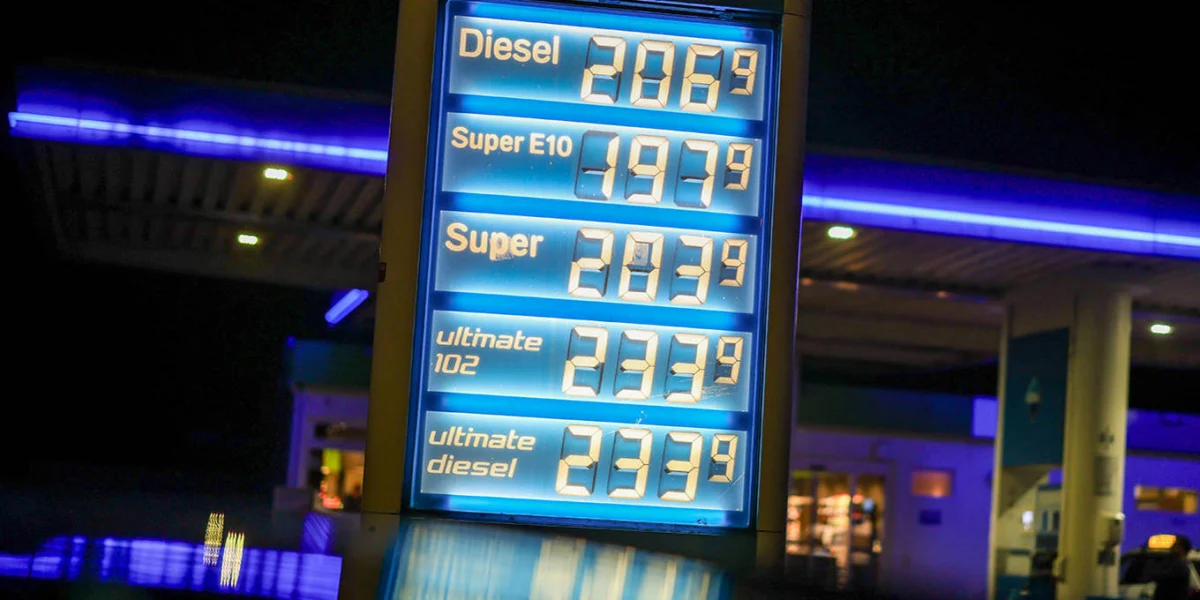
European governments’ initial responses to the escalating energy crisis triggered by the conflict involving Iran have demonstrably missed the mark. Instead of offering broad-based subsidies for energy consumption through reductions in fuel taxes, a more strategic and sustainable approach would involve implementing a robust system that actively discourages emissions, incentivizes the widespread adoption of renewable energy sources, and simultaneously generates much-needed public revenue. This critical juncture, arising from geopolitical instability, presents a profound opportunity for Europe to accelerate its green transition, an opportunity that current policies are failing to effectively harness.
Escalating Energy Prices and Geopolitical Tensions
The dramatic surge in global energy prices, with crude oil reaching nearly $115 per barrel at the beginning of May 2026, is a direct consequence of the military actions initiated by Israel and the United States against Iran in February of the same year. This conflict has significantly disrupted supply chains and created substantial uncertainty in the international oil market, particularly impacting transit routes like the Strait of Hormuz, a vital chokepoint for a significant portion of global oil exports. While the immediate and most severe impact has been felt by low-income countries, where energy costs represent a larger share of household budgets, the economic strain on high-income European nations is also considerable and growing.
Timeline of Key Events:
- February 2026: Israel and the United States launch military operations targeting Iran.
- February-April 2026: Global energy markets experience increasing volatility. Oil prices begin a steady climb.
- Early May 2026: Crude oil prices surge, reaching approximately $115 per barrel, driven by fears of extended supply disruptions and escalating geopolitical risks.
- Mid-May 2026: European governments begin announcing measures to address the rising energy costs for consumers and businesses.
The Flawed Approach: Fuel Tax Reductions
The prevailing strategy adopted by many European governments has been to alleviate the immediate burden on consumers and businesses by reducing or suspending fuel taxes. While seemingly a pragmatic measure to combat inflation and prevent widespread economic hardship, this approach is fundamentally counterproductive in the context of climate change and long-term energy security.
Subsidizing energy consumption, even indirectly through tax cuts, perpetuates reliance on fossil fuels. It sends a signal that the cost of carbon-intensive energy is being artificially lowered, thereby disincentivizing energy efficiency and the transition to cleaner alternatives. This policy choice effectively subsidizes emissions, directly contradicting the ambitious climate goals that many European nations have set for themselves.
The Economic and Environmental Costs of Subsidies
The economic implications of widespread fuel tax reductions are also significant. These measures represent a substantial loss of potential government revenue. This revenue, if collected through a well-designed carbon pricing mechanism, could be reinvested in crucial areas such as renewable energy infrastructure, energy efficiency programs, and support for vulnerable populations transitioning to cleaner energy solutions.
Furthermore, the environmental cost of continuing to rely heavily on fossil fuels is immense. The Intergovernmental Panel on Climate Change (IPCC) has repeatedly highlighted the urgent need for drastic emissions reductions to avert the most catastrophic impacts of climate change. Policies that encourage continued fossil fuel consumption directly undermine these efforts.
Supporting Data on Energy Price Volatility:
- Crude Oil Prices: Averaged around $80 per barrel in late 2025, climbing to $115 per barrel by early May 2026, representing a nearly 44% increase in a matter of months. (Source: International Energy Agency, May 2026 projections).
- Natural Gas Prices: European natural gas benchmarks have seen similar surges, reflecting the interconnectedness of global energy markets and the broader geopolitical instability. (Source: European Energy Exchange, May 2026 data).
- Inflationary Impact: The rise in energy prices has contributed to a significant uptick in headline inflation across the Eurozone, with some member states experiencing inflation rates exceeding 6%. (Source: Eurostat, April 2026 preliminary figures).
An Alternative Path: Carbon Pricing and Green Incentives
A more effective and forward-looking strategy would embrace a comprehensive carbon pricing mechanism coupled with targeted incentives for renewable energy adoption. This approach offers a multi-faceted solution to the current crisis:
- Discouraging Emissions: A robust carbon tax or an enhanced emissions trading system would internalize the external costs of carbon pollution. This means that the price of fossil fuels would more accurately reflect their environmental impact, naturally encouraging consumers and businesses to reduce their consumption and seek lower-carbon alternatives.
- Incentivizing Renewables: The revenue generated from carbon pricing can be strategically reinvested to accelerate the deployment of renewable energy technologies. This could include subsidies for solar and wind power installations, investments in grid modernization to accommodate intermittent renewable sources, and funding for research and development in advanced clean energy solutions like green hydrogen and battery storage.
- Generating Public Revenue: Carbon pricing mechanisms have the potential to generate substantial public revenue. This revenue can be used to:
- Fund the Green Transition: Invest in climate adaptation and mitigation measures, expand public transportation, and support the development of sustainable infrastructure.
- Provide Targeted Support: Implement "climate dividends" or targeted rebates for low-income households to offset any disproportionate impact of higher energy prices, ensuring a just transition.
- Reduce Other Taxes: Potentially lower other taxes, such as income or corporate taxes, creating a more efficient tax system.
The Opportunity for Reinvigoration
The current energy shock, while undoubtedly challenging, presents a critical inflection point for Europe. It highlights the inherent vulnerability of economies heavily reliant on fossil fuel imports, particularly from volatile regions. This realization should serve as a powerful catalyst for accelerating the green transition, not as a reason to backtrack on climate commitments.
By shifting from a policy of broad consumption subsidies to one of intelligent carbon pricing and green investment, European governments can:
- Enhance Energy Security: By reducing reliance on imported fossil fuels and diversifying the energy mix with domestic renewable sources, Europe can bolster its energy independence and resilience.
- Drive Innovation and Economic Growth: Investing in the green economy can create new jobs, foster technological advancements, and position Europe as a leader in the global clean energy market.
- Meet Climate Targets: A well-designed carbon pricing system is one of the most effective tools for achieving ambitious emissions reduction targets and mitigating the worst effects of climate change.
- Ensure Fiscal Sustainability: Generating revenue through carbon pricing can provide a stable funding source for public services and investments, rather than relying on ad-hoc and often regressive tax cuts.
Reactions and Expert Analysis
Economists and environmental policy experts have been vocal in their critique of the current subsidy-driven approach. Dr. Anya Sharma, a senior fellow at the European Institute for Climate Policy, stated, "Reducing fuel taxes is a short-sighted solution that will cost us dearly in the long run, both economically and environmentally. We need to embrace policies that reflect the true cost of carbon and incentivize the transition to a sustainable energy future. The current crisis is a wake-up call."
Similarly, officials from the European Environment Agency have emphasized the need for a coordinated European response that prioritizes climate action. "While immediate relief for consumers is important, it must be balanced with long-term climate objectives. Europe has the tools and the ambition to lead the green transition, but this requires coherent and strategic policy choices," commented a spokesperson.
Broader Impact and Implications
The failure to seize this opportunity for green transition will have far-reaching implications. A continued reliance on fossil fuels, exacerbated by the current geopolitical instability, will likely lead to prolonged periods of high energy prices and increased inflationary pressures. This can undermine economic stability and social cohesion. Moreover, it will put Europe further behind in its efforts to combat climate change, increasing the risk of more severe climate impacts in the future.
Conversely, a decisive shift towards a green economy, spurred by the current crisis, could position Europe as a global leader in clean energy technologies and sustainable development. It would demonstrate a commitment to long-term resilience and prosperity, setting a positive example for other nations grappling with similar energy and climate challenges. The choice before European policymakers is clear: continue with a reactive, unsustainable approach, or embrace a proactive, transformative strategy that secures a cleaner, more prosperous, and more secure future. The current geopolitical shock, while disruptive, offers a unique window of opportunity to make that transformative choice.
