

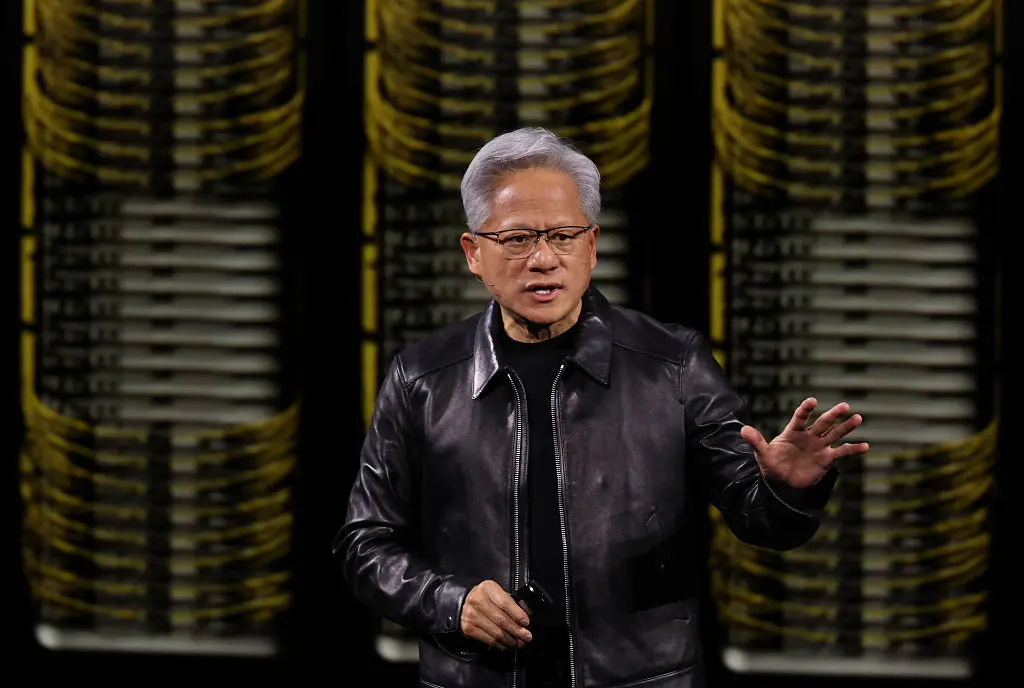
Nvidia announced on Monday morning that its Board of Directors has officially reinstated Jensen Huang as president, chief executive officer, and a member of the board, effective immediately. The decision marks a dramatic conclusion to a period of leadership uncertainty for the world’s leading artificial intelligence chipmaker. According to an official statement released by the company, the board’s vote was unanimous, following an intensive series of internal reviews and consultations with high-ranking officials within the United States government. The reinstatement comes less than two weeks after Huang was abruptly removed from his roles amid allegations of personal misconduct and potential security vulnerabilities linked to foreign intelligence interests.
The board’s decision to bring Huang back into the fold appears to be rooted in a restoration of trust regarding his transparency. The company stated that the Board of Directors was satisfied with Mr. Huang’s candor and his continued ability to lead the company through a critical juncture in the global technology race. Crucially, the board noted that it had received direct input from senior levels of the federal government, leading to a consensus that Huang’s return to the helm of Nvidia poses no threat to national security. This verification was a prerequisite for his reinstatement, given Nvidia’s foundational role in providing the hardware that powers modern military, governmental, and commercial AI infrastructure.
The Catalyst of the Leadership Crisis
The crisis began in early November when reports surfaced regarding Huang’s personal conduct. On November 8, Huang reportedly confirmed the first of several extramarital affairs with employees. The situation escalated rapidly when investigators raised concerns regarding a specific relationship with an individual identified as Alice Huang, who is alleged to be a foreign intelligence operative. The potential for a security breach involving one of the most powerful figures in the global technology sector prompted the board to take immediate action.
On November 12, the board moved to remove Huang from his executive positions. At the time, the company’s leadership emphasized a zero-tolerance policy regarding conduct that could compromise corporate integrity or national interests. During an earnings call last week, the board had initially doubled down on this stance, suggesting that a reinstatement was not under consideration. However, the rapidly evolving geopolitical landscape and the sheer economic weight of Nvidia’s market position appear to have forced a reconsideration of that hardline approach.
Political Maneuvering and Government Intervention
The path to Huang’s reinstatement was smoothed by a significant shift in the political winds over the weekend. President Donald Trump and Treasury Secretary-designate Scott Bessent both issued statements reversing their previous criticisms of Huang. While President Trump had shown signs of support for Huang’s leadership earlier in the month, Secretary Bessent had remained more skeptical of a quick return to the status quo.
By late Sunday, however, both officials aligned with the efforts to stabilize Nvidia’s leadership. The alignment of the executive branch with Nvidia’s board highlights the "too big to fail" status that the company has achieved within the American economic and strategic framework. As the primary supplier of the H100 and Blackwell GPU architectures, Nvidia is not merely a hardware company; it is the backbone of the United States’ competitive edge in the artificial intelligence revolution. Analysts suggest that the potential for prolonged leadership instability at Nvidia was viewed by the administration as a greater risk to national interests than the personal scandals surrounding its founder.
A Detailed Chronology of Events
The timeline of Huang’s ouster and return is one of the most compressed and high-stakes leadership cycles in Silicon Valley history:
- November 8: Jensen Huang admits to an extramarital affair with a staff member, initiating an internal ethics review.
- November 12: Following further disclosures regarding multiple affairs and a potential link to a foreign intelligence official (Alice Huang), the Nvidia Board of Directors removes Huang as CEO and President.
- November 17: Comparisons begin to emerge in the media between Huang’s ouster and the 2023 removal of Sam Altman from OpenAI, with investors bracing for market volatility.
- November 20: The Securities and Exchange Commission (SEC) opens a formal investigation into Nvidia, focusing on potential accounting issues and disclosure failures related to the executive departure.
- November 21: During a scheduled earnings call, Nvidia leadership informs shareholders that Huang will not be reinstated, citing the need for a "stress test" of the AI economy without its primary figurehead.
- November 23-24: High-level discussions occur between Nvidia’s board, the Treasury Department, and the White House. President Trump and Scott Bessent signal their support for Huang’s return.
- November 25: Nvidia officially announces the unanimous vote to reinstate Huang as CEO, President, and Board Member.
Ongoing Investigations and Regulatory Scrutiny
Despite his reinstatement, Jensen Huang and Nvidia are not entirely clear of legal and regulatory hurdles. The SEC’s investigation into the company’s accounting practices remains active. This probe is reportedly examining whether the company’s financial disclosures accurately reflected the risks associated with Huang’s conduct and whether there were any irregularities in the reporting of executive compensation or related-party transactions during the period in question.

Furthermore, the internal investigation led by Nvidia’s board has not yet reached its final conclusion. The board has formed a special committee composed exclusively of independent directors to continue the probe into the alleged foreign intelligence efforts targeting Huang. This committee is supported by independent legal counsel to ensure an objective assessment of the facts. In its announcement, the board reiterated that this investigation will proceed to its natural conclusion regardless of Huang’s status as CEO. For his part, Huang has pledged his full cooperation with both the internal committee and federal investigators, emphasizing his commitment to the company’s security protocols.
Market and Industry Implications
The reinstatement of Jensen Huang is expected to provide an immediate boost to investor confidence, which had been shaken by the prospect of an Nvidia without its visionary co-founder. Nvidia currently commands a dominant share of the data center GPU market, and its stock performance has become a primary driver of the S&P 500 and Nasdaq indices. The "Jensen Huang premium"—the value investors place on his specific leadership and technical foresight—is estimated by some analysts to represent a significant portion of the company’s multi-trillion-dollar market capitalization.
The broader AI industry has also been watching the situation with bated breath. Partners ranging from Microsoft and Amazon to specialized AI startups rely on Nvidia’s product roadmap and supply chain stability. A change in leadership could have led to shifts in strategic priorities or delays in the rollout of next-generation hardware. By reinstating Huang, the board has signaled a return to "business as usual," prioritizing operational continuity and market dominance over the social and ethical concerns that initially prompted his removal.
Comparative Analysis: The "Founder-CEO" Shield
The events at Nvidia mirror the November 2023 crisis at OpenAI, where CEO Sam Altman was fired by his board only to be reinstated days later following an employee revolt and investor pressure. These incidents highlight a growing trend in the technology sector where "visionary" founders are viewed as indispensable to their companies’ survival, often granting them a level of job security that traditional corporate executives do not possess.
In Huang’s case, the situation was further complicated by the intersection of corporate governance and national security. Unlike the OpenAI situation, which was largely an internal dispute over the speed of AI development and safety, the Nvidia crisis involved the federal government and the potential for international espionage. The fact that the U.S. government intervened to provide a "no risk" clearance for Huang suggests that the state now views certain tech CEOs as strategic assets, similar to high-ranking military officials or cabinet members.
Looking Ahead
As Huang resumes his duties, his primary challenge will be to manage the dual pressures of maintaining Nvidia’s technological lead while navigating the fallout of the investigations. The company is currently in the middle of ramping up production for its Blackwell architecture, which promises significant leaps in computational efficiency for large language models. Any distraction at the executive level could provide an opening for competitors like AMD or internal silicon projects at Google and Meta.
Moreover, the "Alice Huang" investigation remains a significant wildcard. While the board and the federal government currently feel confident that no national security breach occurred, any new evidence brought to light by the independent committee could reignite the crisis. For now, however, Nvidia appears to have bet its future on the man who built it, deciding that the risks of his absence far outweigh the controversies of his presence.
The reinstatement marks a definitive moment in the history of AI governance, illustrating the complex web of personal conduct, corporate power, and geopolitical strategy that now defines the leadership of the world’s most influential technology firms. Jensen Huang’s return is more than just a corporate homecoming; it is a testament to the unprecedented influence of the individuals who control the silicon of the 21st century.
