

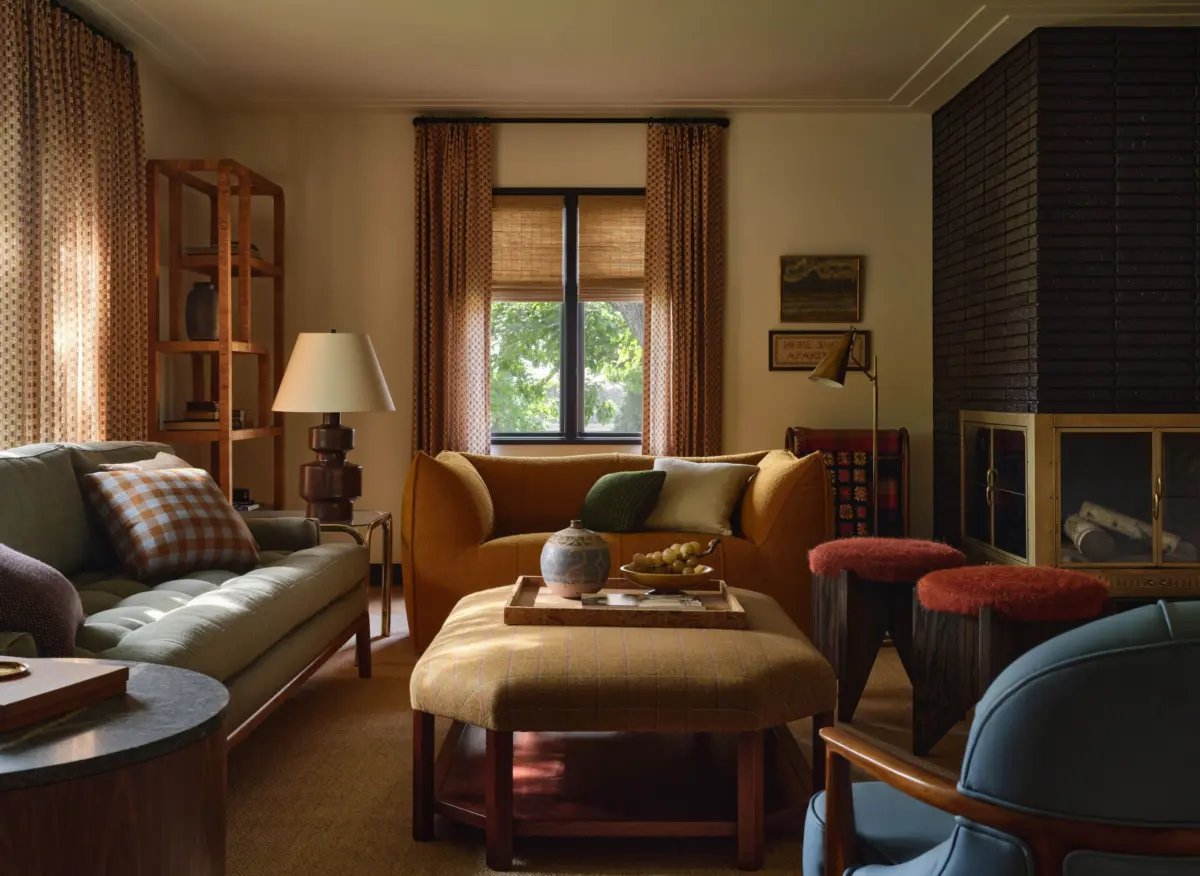
The landscape of American retail has undergone a significant transformation over the past decade, shifting from a single day of post-Thanksgiving chaos to a month-long marathon of strategic promotions. In 2024, this phenomenon, often referred to as "October-November Creep," has reached a new peak within the home furnishings sector. While the official Black Friday date remains several weeks away, prominent furniture retailers are bypassing traditional timelines to offer substantial discounts on foundational home pieces. From high-end mattresses and designer collaborations to midcentury modern icons and budget-friendly bedroom sets, the early November market is currently saturated with opportunities for consumers to refresh their living spaces before the peak holiday season.
The Strategic Shift in Holiday Retail Timelines
Retail analysts suggest that the decision to launch "Black Friday" pricing in early November is a calculated response to several economic factors. Supply chain stabilization, coupled with a desire to capture consumer budgets before they are exhausted by travel and gift-giving, has pushed brands like West Elm, Pottery Barn, and Wayfair to initiate "Fall Clearance" and "Holiday Preview" events. For the consumer, this early window offers a distinct advantage: the ability to secure large-scale furniture items—such as sofas, dining tables, and bed frames—with shorter lead times and guaranteed delivery before December festivities.
The National Retail Federation (NRF) has noted that nearly half of holiday shoppers now begin their research and purchasing in October or early November. In the furniture industry, where shipping logistics are more complex than in electronics or apparel, this early start is essential for maintaining operational efficiency. By spreading demand over four to six weeks rather than four days, retailers can better manage inventory levels and white-glove delivery schedules.
Luxury Sleep and Wellness Investments
The bedroom remains a primary focus for early holiday shoppers, as the "wellness economy" continues to drive interest in high-quality sleep surfaces. Saatva, a leader in the direct-to-consumer luxury mattress space, has initiated a tiered discount structure offering up to $625 off total orders. This move targets the significant segment of the population looking to upgrade their sleep hygiene before the new year.
Expert reviews and consumer data indicate a high preference for specialized materials. The Loom & Leaf mattress, for instance, has gained traction among memory foam enthusiasts for its breathable construction, addressing a common complaint regarding heat retention in traditional foam beds. Furthermore, the trend toward multifunctional furniture is evident in the popularity of upholstered storage platforms, such as the Halle bed frame, which allows urban dwellers to maximize square footage by concealing bedding and off-season clothing within the bed’s footprint.
The Evolution of Coastal and Midcentury Aesthetics
Design-forward retailers are leveraging early November to clear seasonal inventory while introducing holiday-ready collections. Serena & Lily, synonymous with the "coastal grandmother" and breezy California aesthetics, has launched "The Sale of the Year," featuring discounts of up to 40% across furniture and decor. This event is particularly notable for its inclusion of outdoor furniture, such as the Pacifica Sofa. Despite being marketed for outdoor use, these pieces are increasingly utilized in sunrooms and high-traffic indoor areas due to their durability and resistance to moisture and fading.
In contrast, the midcentury modern (MCM) segment continues to be dominated by brands like Article. By offering up to 40% off on last-chance items, Article appeals to a demographic that values clean lines and ready-to-ship convenience. The Tessu bed frame, characterized by its low profile and wool boucle upholstery, exemplifies the current "quiet luxury" trend in interior design—prioritizing texture and neutral palettes over ornate detailing.
Modern Icons and Professional Grade Office Solutions
Perhaps the most significant movement in the 2024 early sale season is the rare discounting of design icons. Design Within Reach (DWR) has implemented a Herman Miller promotion, offering 20% to 25% off legendary pieces. For design enthusiasts, this represents a rare entry point into high-value investments like the Eames Soft Pad Management Chair or the George Nelson Swag Leg Desk.
This shift toward discounting professional-grade furniture extends to the home office specialist, Haworth. As hybrid work models become permanent fixtures of the American workforce, the demand for ergonomic seating like the Fern and Zody chairs remains high. Haworth’s 25% discount on performance seating and minimalist desks, such as the Elements Laminate Flare Leg Desk, reflects a broader industry trend where consumers are replacing "temporary" work-from-home setups with long-term, health-conscious office environments.
Budget-Friendly Alternatives and the "Dupe" Economy
While luxury brands are slashing prices, budget-conscious retailers like Wayfair and Amazon are engaging in aggressive "Holiday Flash Sales" with discounts reaching as high as 70% to 80%. Wayfair’s family of brands, including AllModern, focuses on providing contemporary silhouettes—like the Breanna chaise sectional—at a fraction of the cost of boutique competitors.
On Amazon, the rise of specialized furniture brands like Allewie has disrupted the traditional market. By focusing on high-utility items like hydraulic lift storage beds and minimalist oak frames, these brands cater to a younger, more transient demographic that prioritizes ease of assembly and affordability. Data from e-commerce tracking firms suggests that "storage-integrated furniture" is one of the fastest-growing search categories on Amazon heading into the 2024 holiday season.
Designer Collaborations and Curated Collections
The 2024 season is also defined by the democratization of high-end interior design through retail collaborations. Crate & Barrel has seen significant success with its partnership with actor Laura Harrier and designer Tiffany Howell. Their Siren queen bed, which blends vintage influences with modern materials, is currently seeing deep discounts as the brand prepares for its winter collection.
Similarly, McGee & Co., led by Shea McGee, has tapped into the "timeless traditional" market. By offering up to 70% off select pieces like the Gilmore canopy bed and Beacon nightstand, the brand allows consumers to achieve a "collected" look that feels curated over time rather than purchased from a single catalog. These collaborations are essential for retailers looking to differentiate themselves in a crowded marketplace, offering "aspirational" design at "attainable" price points during the Black Friday window.
Modular and Customizable Solutions for Modern Living
Flexibility has become a key selling point in the post-pandemic furniture market. Burrow and Joybird have positioned themselves as leaders in the customizable and modular sofa segments. Burrow’s Black Friday Preview offers up to 40% off its modular Range and Nomad collections. The appeal of these systems lies in their ability to evolve; a three-piece sectional can be expanded into a five-piece unit as a household grows, or disassembled into smaller components for easier transport during a move.
Joybird, on the other hand, focuses on the intersection of customization and comfort. Its Sebastian sofa, frequently cited for its "supreme nap" quality, is available in a vast array of velvet and performance fabrics. The ability to choose specific colors—such as vibrant chartreuse or deep navy—allows consumers to move away from the "millennial gray" aesthetic that dominated the previous decade.
Industry Implications and Consumer Behavior Analysis
The proliferation of early Black Friday deals suggests a permanent shift in how Americans furnish their homes. Rather than waiting for major life milestones, consumers are increasingly viewing furniture as an incremental upgrade. Retailers are facilitating this by offering "soft launches" and "preview events" that reduce the pressure of a single-day shopping window.
Furthermore, the economic implications of these sales are twofold. For retailers, the early volume helps mitigate the risks of overstocking and reduces the strain on logistics networks. For consumers, the extended sale period allows for more deliberate decision-making, which is crucial for high-ticket items that require spatial planning and long-term commitment.
As the industry moves toward the official November 27-29 period, these early deals serve as a barometer for consumer sentiment. Despite inflationary pressures, the robust participation in early sales indicates that the home remains a primary area of expenditure. Whether it is an eclectic iron canopy bed from Nickey Kehoe or a classic slipcovered sofa from Pottery Barn, the 2024 early Black Friday season has proven that for the modern consumer, there is no place like a well-furnished home—especially when that home is furnished at a significant discount.
Chronology of the 2024 Furniture Sale Season
- Mid-October: "Early Access" and "Fall Clearance" events begin at major retailers like West Elm and Wayfair.
- November 1-7: "Soft launches" of Black Friday Previews. Brands like Saatva and Burrow introduce tiered discounts.
- November 8-20: The "Peak Early Window." High-end designers and specialized brands (McGee & Co., Serena & Lily) launch their primary holiday promotions.
- November 21-27: Final "Pre-Black Friday" pushes, often featuring "Deal of the Day" rotations on platforms like Amazon and Wayfair.
- November 28 (Thanksgiving Day): Transition to full-scale Black Friday events, often with site-wide maximum discounts.
- November 29 (Black Friday): Peak volume day with a focus on "doorbuster" items and limited-edition clearance.
In conclusion, the 2024 early Black Friday furniture market is a testament to the strategic agility of modern retailers. By aligning high-design aspirations with aggressive pricing and early-season availability, these brands are ensuring that the holiday spirit begins not with a gift under the tree, but with a new foundation for the rooms where those holidays are celebrated.
