

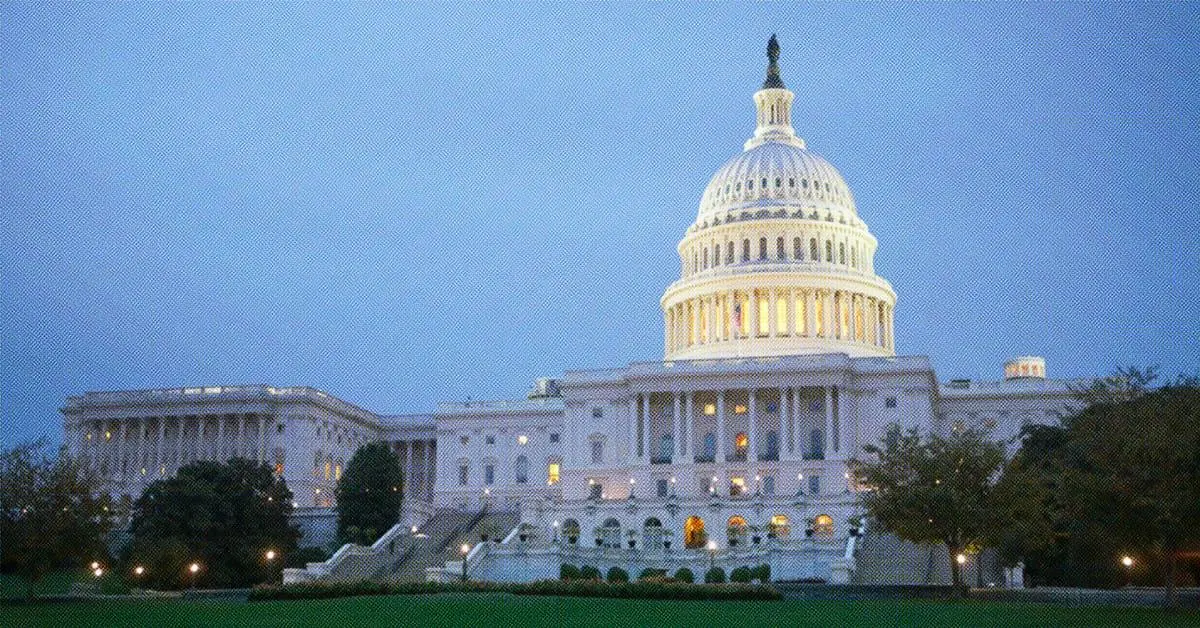
The upcoming 120th Congress, set to convene in January 2027, will see Democrats wielding significant subpoena power across both the House and the Senate. Following a decisive midterm election victory on November 3rd, the new Democratic majority is signaling a robust agenda of oversight, targeting areas such as cryptocurrency ventures, the pricing of surveillance technologies, government equity deals, and the debt-fueled expansion of artificial intelligence. This shift in power means that companies and individuals, regardless of any accusation of wrongdoing, may find themselves the subject of congressional inquiries, as detailed by a team of legal and policy experts from Baker Donelson.
The implications of this power shift are profound. Congressional oversight is a fundamental mechanism for holding the executive branch accountable, a process that typically intensifies during periods of divided government. With Democrats now in control of committee leadership, investigative budgets, and staff, the pace and scope of these investigations are expected to accelerate significantly. This proactive approach is not without precedent; Democratic ranking members have already been issuing minority letters, releasing staff reports, and submitting document preservation demands throughout 2026. The incoming majority is anticipated to build upon these foundational efforts, potentially leading to a substantial increase in the volume of oversight activities. Early indications suggest that subject matters have been strategically divided among committees in advance, aiming for a coordinated and comprehensive approach.
Key Areas Targeted for Scrutiny
The announced priorities for the incoming Democratic leadership point towards a broad and deep investigative reach. Among the sectors and issues expected to face intense scrutiny are:
- Cryptocurrency and Digital Assets: The burgeoning cryptocurrency market, with its complex regulatory landscape and potential for illicit activities, is a prime candidate for in-depth examination. This could include investigations into market manipulation, consumer protection, and the role of digital assets in illicit finance.
- Surveillance Technology Pricing and Deployment: The increasing prevalence of surveillance technologies, both by government agencies and private entities, raises concerns about privacy, cost-effectiveness, and potential misuse. Congressional committees may seek to understand the pricing structures, procurement processes, and ethical considerations surrounding these technologies.
- Government Equity Deals and Investments: As government entities increasingly engage in equity investments and partnerships, transparency and accountability in these deals will likely come under the microscope. This could involve scrutinizing the terms of agreements, the selection processes for investment targets, and the overall impact on public funds.
- AI’s Debt-Fueled Buildout: The rapid expansion of Artificial Intelligence, often financed through significant debt, presents a complex economic and ethical challenge. Investigations may focus on the financial underpinnings of AI development, the sustainability of these business models, and potential risks associated with unchecked growth.
- Pharmaceutical and Health Insurance Practices: Historical scrutiny of these industries is likely to continue, with potential probes into drug pricing, insurance claim practices, and market consolidation.
- Energy Sector Policies and Practices: Given the ongoing global energy transition and climate change concerns, the energy sector will likely face oversight regarding environmental impact, pricing, and regulatory compliance.
- Defense and Federal Contracting: The substantial government spending in defense and contracting remains a perennial area of interest for congressional oversight, focusing on efficiency, cost overruns, and potential conflicts of interest.
The Broad Reach of Congressional Investigations
A critical aspect of congressional investigations is their expansive nature. Unlike judicial proceedings, these inquiries operate with different rules and protections. There is no presiding judge, no formal rules of evidence, and limited guaranteed protection for attorney-client privilege or work product. The Fifth Amendment privilege against self-incrimination is the primary protection afforded to witnesses. Furthermore, documents obtained through investigations can be made public, selectively quoted in hearings, or shared with regulatory bodies and plaintiffs’ attorneys, significantly increasing the potential impact on individuals and organizations.
Why Private-Sector Organizations May Receive Requests
The Baker Donelson analysis highlights a crucial point: a company does not need to be accused of any wrongdoing to receive a letter or a subpoena. Committee leaders anticipate that the executive branch may contest document requests, potentially leading to litigation. In such scenarios, committees have indicated they may seek the same information from third parties—companies that have communicated with, benefited from, or conducted business with the administration. This means that entities across various industries, even those seemingly tangential to an investigation, could be drawn into the oversight process. The identified sectors already under heightened attention—technology and AI, financial services and private capital, cryptocurrency, pharmaceuticals and health insurance, energy, defense, and federal contracting—are therefore on notice.

Recent legal rulings have further clarified the enforceability of congressional subpoenas, strengthening the hand of investigative committees. The United States v. Bannon case, though later vacated, illustrated that willful default on a congressional subpoena could be considered a criminal offense, even if the witness acted on counsel’s advice. Furthermore, court decisions have affirmed that only the President can invoke executive privilege, not the subpoena recipient (United States v. Navarro), and that a witness cannot sue to block a committee subpoena, being required to appear even if planning to invoke the Fifth Amendment (de la Torre v. Cassidy). These precedents underscore the legal weight behind congressional demands for information.
While contempt referrals typically depend on the discretion of the Department of Justice, committees possess other enforcement mechanisms. These include civil enforcement actions, public hearings that can generate significant public pressure, and referrals to state attorneys general. The prospect of coordinated efforts between congressional committees and state AGs adds another layer of complexity and potential consequence for targeted entities.
Preparing for and Responding to Congressional Inquiries
In light of the intensified oversight expected in the 120th Congress, proactive preparation is paramount for any organization, regardless of which party holds power. The following steps are advisable:
- Understand Committee Jurisdictions and Priorities: Familiarize yourself with the mandates and stated priorities of committees that might have jurisdiction over your industry or operations. This includes tracking the statements and actions of incoming chairs.
- Review and Secure Relevant Documents and Communications: Conduct internal audits to identify and secure all potentially relevant documents, electronic communications, and data. This includes emails, internal memos, contracts, and financial records.
- Preserve Information: Implement robust document preservation policies and procedures to ensure that no relevant information is inadvertently destroyed. This is crucial, as spoliation of evidence can lead to severe penalties.
- Identify Key Personnel and Potential Witnesses: Determine which individuals within your organization may possess relevant information or have been involved in activities that could be of interest to investigators.
- Develop a Response Strategy: Establish clear protocols for responding to any congressional inquiry, whether it be a simple information request or a formal subpoena. This strategy should involve legal counsel with experience in congressional investigations.
- Engage with Legal Counsel: Seek advice from experienced legal professionals who specialize in congressional oversight and investigations. They can provide guidance on navigating the complexities of these proceedings, understanding legal obligations, and protecting your organization’s rights.
- Consider Public Relations and Communications: In parallel with legal preparations, develop a communications strategy to manage public perception and respond to any media inquiries that may arise from congressional investigations.
Factors Shaping Future Investigations
Several key developments will significantly influence the trajectory of these investigations as the 120th Congress convenes in January 2027. The precise organization of committees and the manner in which subpoena authority is exercised will set the initial tone. The Supreme Court’s decision on the pending petition for certiorari in United States v. Navarro regarding executive privilege could have far-reaching implications for the balance of power between the branches. Furthermore, the extent to which committee members coordinate with state attorneys general will determine the breadth and intensity of enforcement actions.
Organizations should remain vigilant, monitoring for any letters or informal inquiries from committee members in the coming weeks. These initial communications can serve as early indicators of the scope and focus of the anticipated investigations in 2027, providing a critical window for preparation and strategic response. The coming congressional term promises to be one of heightened scrutiny, demanding a proactive and informed approach from those operating within or interacting with the sectors slated for review.
