

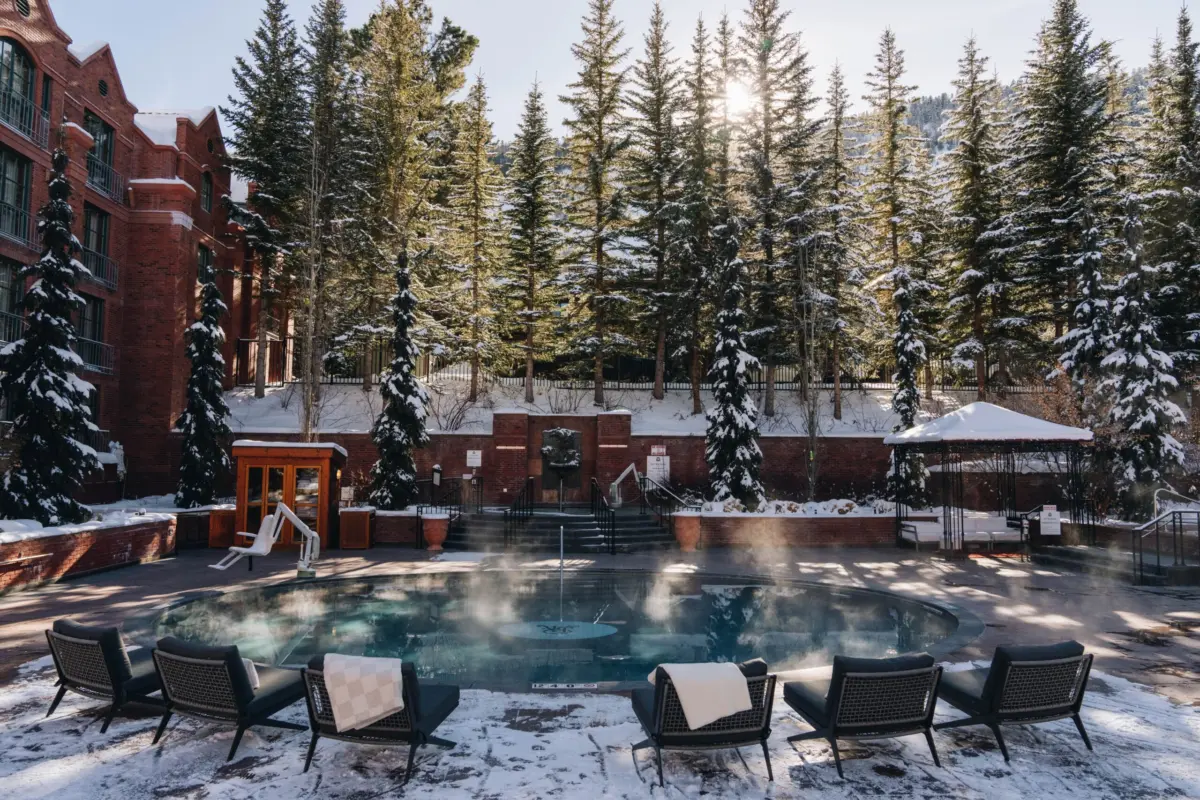
Aspen, Colorado, has long transcended its origins as a silver-mining outpost to become a global benchmark for luxury, culture, and alpine recreation. Nestled in the Roaring Fork Valley, this destination is defined by its unique "four-mountain" infrastructure, which allows visitors to access Aspen Mountain, Snowmass, Aspen Highlands, and Buttermilk on a single lift ticket. As the hospitality sector continues to evolve, the town’s lodging landscape has become a sophisticated mix of historic landmarks, modernist masterpieces, and high-end private rentals that cater to a year-round influx of international travelers. From the traditional elegance of the St. Regis to the avant-garde design of the Mollie Aspen, the town represents the pinnacle of the American mountain experience, blending outdoor adventure with five-star service and a robust cultural calendar.

The Historical Transformation of the Roaring Fork Valley
The chronology of Aspen’s hospitality industry is inextricably linked to the town’s broader history. Established in 1879, the town saw its first boom during the silver rush of the late 19th century, a period that gave birth to the Hotel Jerome in 1889. Following the silver crash, the town entered a "quiet years" phase until the post-World War II era, when Walter and Elizabeth Paepcke arrived. The Paepckes introduced the "Aspen Idea," a philosophy aimed at nourishing the mind, body, and spirit. This led to the founding of the Aspen Institute and the Aspen Music Festival and School, transforming the town from a derelict mining camp into a world-class center for intellectual and athletic pursuit.
By the 1960s and 70s, the development of the four distinct ski areas solidified Aspen’s reputation as a premier winter sports destination. The subsequent decades saw the entry of global luxury brands and the refinement of the "ski-in, ski-out" concept. Today, the market is characterized by extreme exclusivity, with hotel room rates frequently exceeding $1,000 per night during peak holiday windows and the Food & Wine Classic in June.

Pillars of Traditional Luxury: The St. Regis and Hotel Jerome
The cornerstone of Aspen’s high-society reputation remains its legacy hotels. The St. Regis Aspen Resort, situated at the base of Aspen Mountain, serves as a modern interpretation of a Gilded Age manor. It is renowned for its signature rituals, including the daily champagne sabering and a comprehensive butler service. In recent years, the resort has integrated contemporary nightlife into its traditional framework through partnerships like The Snow Lodge, a winter extension of Montauk’s Surf Lodge. This move reflects a broader trend in Aspen: the blending of heritage hospitality with the "hedonism" of international club culture, attracting a younger, high-net-worth demographic.
Conversely, the Hotel Jerome, an Auberge Resorts Collection property, offers a narrative of Western resilience. As the town’s oldest operating hotel, its interiors are a curated museum of Rocky Mountain history, featuring leather furnishings, vintage photography, and the famous J-Bar. The Jerome has successfully navigated the transition into the modern era by emphasizing culinary excellence through its Michelin-recommended restaurant, Prospect, and its underground cocktail lounge, Bad Harriet. These institutions provide more than just lodging; they serve as cultural anchors that preserve the town’s Victorian and pioneer-era identity.

The Five-Diamond Standard and the Rise of Modernist Design
For many travelers, The Little Nell represents the absolute zenith of Aspen hospitality. As the town’s only AAA Five Diamond-rated hotel, it is distinguished by its unparalleled "Ski Concierge" services and a 20,000-bottle wine cellar. The Little Nell’s impact on the local economy is significant, as it sets the standard for the "Aspen Service" model—a proactive, highly personalized approach to guest relations that includes everything from private gear fittings to "first tracks" access on the mountain.
The 2020s have ushered in a new design language for the town, moving away from the traditional "log cabin" aesthetic toward minimalism and international styles. Mollie Aspen, which opened in late 2023, is a prime example of this shift. Utilizing a "Japandi" design philosophy—a fusion of Japanese and Scandinavian elements—Mollie emphasizes restorative environments through custom woodwork and natural light. This boutique approach caters to a segment of the market that prioritizes architectural integrity and a sense of calm over grandiosity.

Similarly, the Aspen Meadows Resort maintains the town’s connection to the Bauhaus movement. Designed by Herbert Bayer, the property is an extension of the Aspen Institute campus. Its all-suite accommodations and focus on geometric forms provide a stark contrast to the rustic luxury found elsewhere. By hosting the Resnick Center for Herbert Bayer Studies, the resort reinforces Aspen’s status as a place where art and architecture are as vital as the ski slopes.
The Short-Term Rental Market and the "Aspen Core"
While hotels provide structured luxury, the short-term rental market—dominated by platforms like Airbnb and Vrbo—has become a critical component of Aspen’s housing and tourism ecosystem. The "Aspen Core," the central downtown area within walking distance of the Silver Queen Gondola, contains some of the most valuable real estate in the United States.

Data indicates a high demand for multi-bedroom condominiums that offer the privacy of a home with the proximity of a hotel. Properties such as the contemporary slopeside condos near Lift 1A and Victorian-inspired apartments in historic neighborhoods like Pioneer Park allow for a different type of stay. These rentals often command prices ranging from $400 to over $1,200 per night, depending on the season. The success of these rentals is driven by their "turnkey" nature—offering fully equipped kitchens, in-unit laundry, and often, access to shared amenities like heated pools and hot tubs. This sector has seen increased professionalization, with management firms like Aspen Vacations providing guests with "insider" access to exclusive clubs and dining reservations, effectively bridging the gap between a private rental and a five-star hotel.
Year-Round Economic Drivers and Environmental Considerations
Aspen’s transition into a "top-tier year-round destination" is a strategic response to the volatility of the ski industry and the increasing impact of climate change on snow cycles. The summer season, anchored by the Food & Wine Classic, now rivals the winter in terms of economic output. The Rocky Mountains provide a backdrop for equestrians, cyclists, and hikers, ensuring that occupancy rates remain stable throughout the warmer months.

However, this growth brings challenges. The town faces ongoing debates regarding sustainable tourism and the preservation of its natural environment. The "four mountains" operate under strict environmental guidelines, and many of the leading hotels have implemented EV charging stations, plastic-free initiatives, and farm-to-table sourcing to align with the values of the modern eco-conscious traveler. Furthermore, the local government continues to grapple with the "Aspen Paradox"—the difficulty of maintaining a service-based luxury economy when the cost of living prevents the workforce from residing within the town limits.
Implications for the Future of Alpine Tourism
The continued investment in Aspen’s hospitality sector—evidenced by the recent opening of Mollie Aspen and the extensive renovations at Aspen Meadows—suggests a bullish outlook for the region. As the definition of luxury shifts from mere opulence to "curated experiences," Aspen is well-positioned to maintain its leadership. The integration of high art, world-class gastronomy, and elite athletics creates a multifaceted appeal that few other mountain towns can replicate.

The future of Aspen will likely see a deeper integration of technology and wellness. From the oxygen facials at the RAKxa Wellness Spa to the high-speed connectivity required by "digital nomads" staying in riverfront condos, the town is adapting to a new generation of visitors. These travelers seek more than just a vacation; they seek a lifestyle that balances the ruggedness of the American West with the sophistication of a global capital.
In summary, Aspen remains a microcosm of the luxury market at large. Its ability to honor its 19th-century history while embracing 21st-century design and sustainability ensures its continued relevance. Whether through the heritage of the Hotel Jerome or the modernist vision of the Aspen Meadows, the town offers a diverse portfolio of accommodations that define the height of luxury in the Rocky Mountains. For the traveler, this means a destination that is as much about the "apres" and the architecture as it is about the altitude.
