

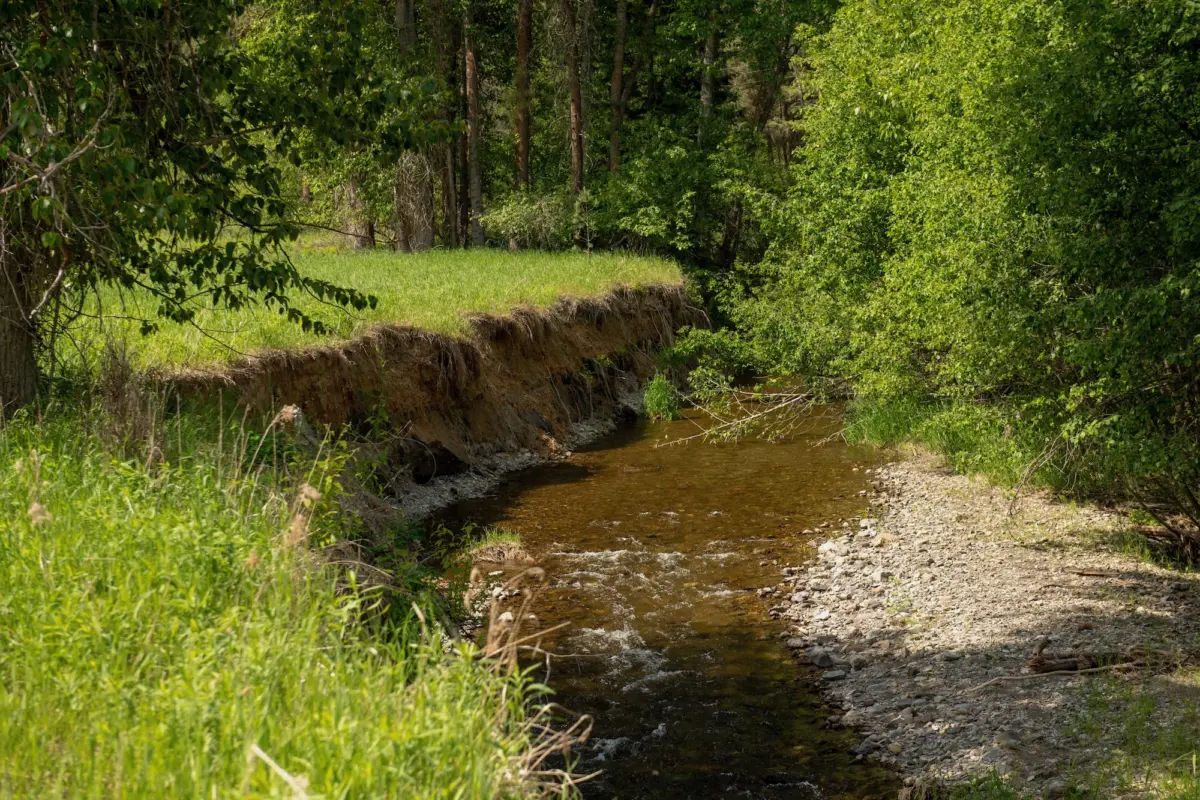
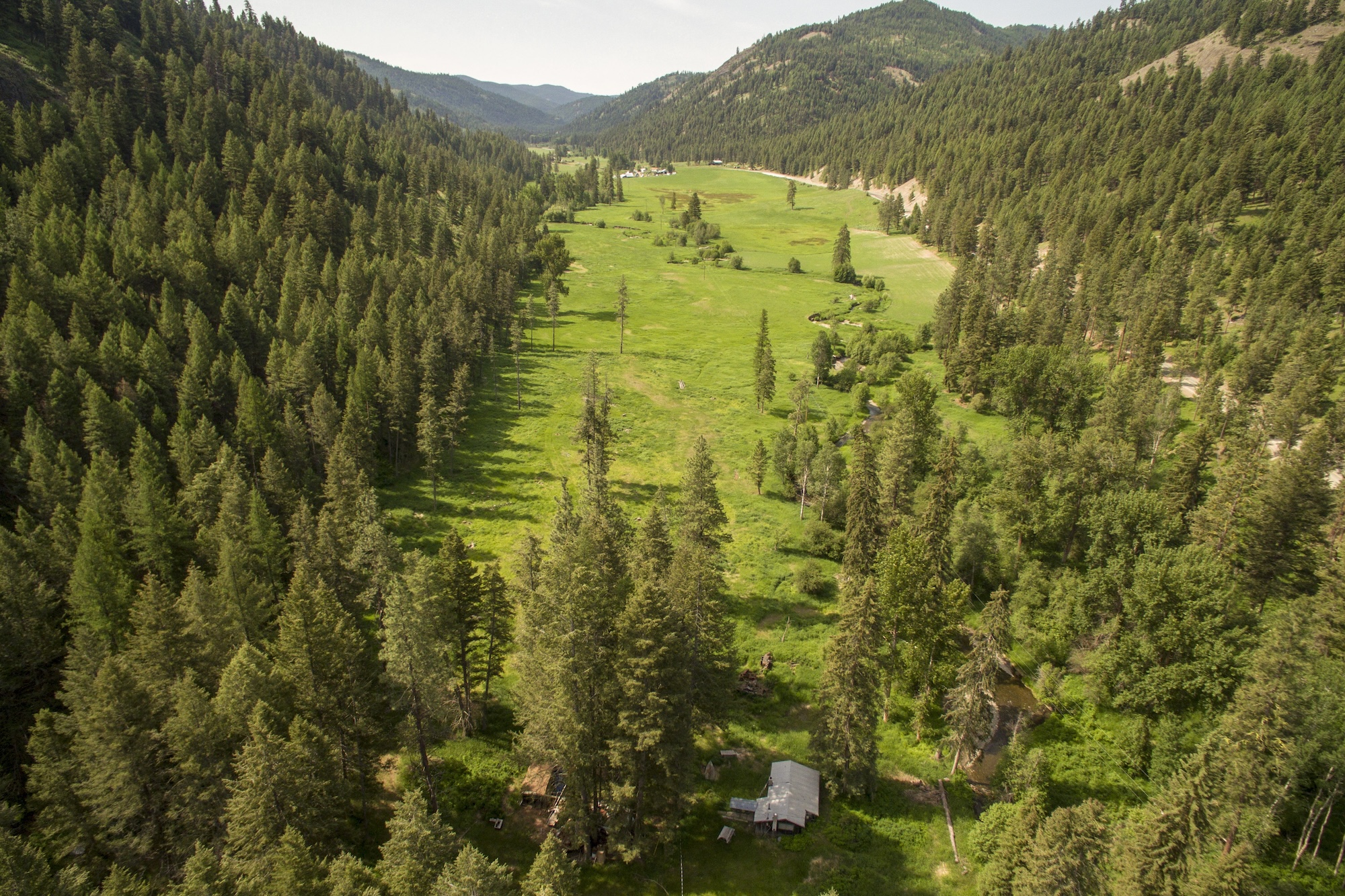
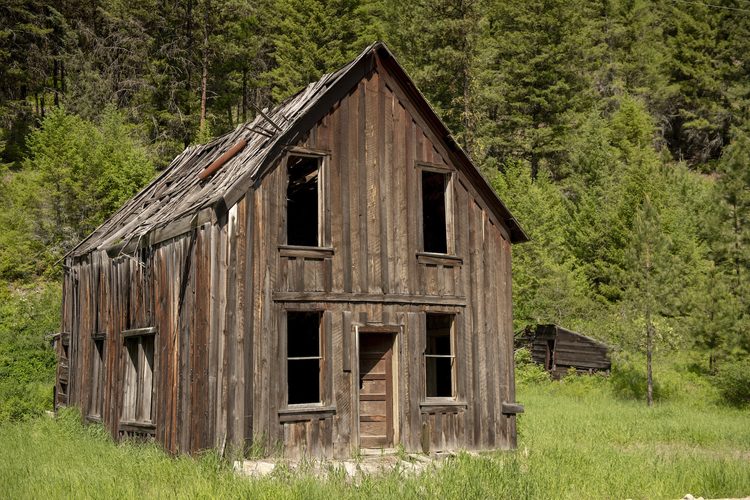
In the rugged landscape of Okanogan County, Washington, a small cluster of dilapidated structures and grassy clearings marks the site of the abandoned Bodie Mine. For decades, this relic of the American mining boom has stood as a silent source of environmental degradation, leaching heavy metals into the nearby Toroda Creek. However, in September 2026, the Bodie Mine transitioned from a symbol of neglect to a beacon of legislative progress. The U.S. Environmental Protection Agency (EPA) issued a landmark permit to the conservation organization Trout Unlimited, authorizing a restoration project under the newly enacted Good Samaritan Remediation of Abandoned Hardrock Mines Act. This move represents the first time the federal government has utilized this specific legal framework to shield non-liable parties from the "legacy pollution" liabilities that have long stalled environmental cleanup efforts across the United States.
The Bodie Mine project is the inaugural effort in a high-stakes trial of the Good Samaritan Act, a law designed to address a paralyzing paradox in American environmental policy. For years, non-profit organizations, state agencies, and tribal nations have expressed a desire to remediate abandoned mine sites, only to be deterred by the threat of perpetual legal liability. Under the Comprehensive Environmental Response, Compensation, and Liability Act (CERCLA) and the Clean Water Act, any entity that attempts to treat or mitigate pollution at a mine site can be legally classified as an "operator," making them responsible for the site’s entire toxic history. The Good Samaritan Act seeks to provide a "permit-based" shield, allowing well-intentioned groups to improve water quality and soil health without inheriting centuries of legal and financial baggage.
The Environmental Stakes: A Legacy of 500,000 Mines
The scope of the problem the Good Samaritan Act intends to address is vast. According to estimates from the U.S. Bureau of Land Management (BLM) and the Government Accountability Office (GAO), there are approximately 500,000 abandoned hardrock mines scattered across the country, primarily in the Western United States. These sites are the remains of a gold, silver, and copper rush that began in the mid-19th century, governed by the General Mining Act of 1872—a law that allowed miners to extract minerals from public lands without paying royalties or providing for the eventual restoration of the land.
The environmental toll of these "orphan" mines is significant. The EPA estimates that 40 percent of the headwaters in the Western U.S. are contaminated by acid mine drainage and heavy metal runoff. Toxic substances such as arsenic, lead, mercury, and cadmium infiltrate the groundwater and surface streams, devastating aquatic ecosystems and posing long-term health risks to human communities. At the Bodie Mine specifically, Trout Unlimited expects to remove approximately 790 tons of tailings—the waste materials left over after processing ore. Left unaddressed, these tailings contribute roughly 104 tons of contaminated sediment to Toroda Creek annually, threatening the water quality of a critical watershed.
A Chronology of Legislative Reform
The passage of the Good Samaritan Remediation of Abandoned Hardrock Mines Act in 2024 was the culmination of nearly three decades of advocacy. The timeline of this legislative journey reflects the complex balancing act between encouraging cleanup and preventing corporate abuse.

- 1872: The General Mining Act is signed into law, encouraging mineral exploration but lacking provisions for environmental reclamation.
- 1970s-1980s: The passage of the Clean Water Act and CERCLA (Superfund) establishes "strict, joint, and several liability," unintentionally creating a legal barrier for third parties wanting to clean up abandoned mines.
- 1990s: Conservation groups and Western governors begin lobbying for "Good Samaritan" protections, but early bills fail due to concerns from environmentalists that mining companies might use the law to bypass regulations.
- 1999: Pennsylvania enacts a state-level Environmental Good Samaritan Act, providing civil liability protection and successfully leading to over 350 water treatment projects, though it lacks the power to override federal Clean Water Act mandates.
- 2024: The federal Good Samaritan Remediation of Abandoned Hardrock Mines Act is passed as a pilot program. It authorizes up to 15 pilot projects over a seven-year period.
- September 2026: The EPA grants the first permit under the Act to Trout Unlimited for the Bodie Mine in Washington State.
The current law is a compromise. To address fears that mining companies might use "remediation" as a cover to re-mine waste for profit without adhering to modern standards, the Act is strictly limited to "Good Samaritans"—entities with no prior legal responsibility for the site. Furthermore, the pilot nature of the program allows the EPA to monitor the outcomes of these first 15 projects before the law undergoes a mandatory review for permanent extension.
The Bodie Mine Project: A Test Case for Success
The Bodie Mine cleanup is a modest but strategically chosen project. With a price tag of approximately $500,000, funded through a combination of public grants, private initiatives, and Trout Unlimited’s membership base, the project focuses on "nonpoint source" pollution. This involves moving contaminated soil and sediment away from the streambank of Toroda Creek and stabilizing the area to prevent future erosion.

Corey Fisher, the public lands policy director for Trout Unlimited, noted that while the organization has completed similar cleanups in the past, they previously required a "long, laborious legal process" involving individual settlement agreements with the EPA. "Technically, we could have done the Bodie Mine project without the Good Samaritan law, but it makes it a lot easier and a lot less costly to get those projects implemented," Fisher explained.
The real test for the Good Samaritan Act will come with "point source" pollution projects. These involve the direct treatment of contaminated water flowing from mine adits (tunnels) or drainage pipes. Such projects typically require a National Pollutant Discharge Elimination System (NPDES) permit under the Clean Water Act. For many non-profits and state agencies, the cost and liability of maintaining a water treatment plant in perpetuity under an NPDES permit are prohibitive. The Good Samaritan Act provides a specialized permit that may finally make these complex water treatment projects feasible for non-government actors.

Analytical Implications: Funding vs. Liability
While the Good Samaritan Act addresses the legal hurdles of mine remediation, many experts argue that it does not solve the underlying financial crisis. The National Association of Abandoned Mine Land Programs estimates that cleaning up all physical and environmental hazards at abandoned mines in the U.S. would cost at least $60 billion.
Currently, federal funding for hardrock mine reclamation is a fraction of what is required. The Abandoned Hardrock Mine Reclamation Program receives approximately $5 million annually. This stands in stark contrast to the coal mining industry. Under the Surface Mining Control and Reclamation Act of 1977, coal mining companies pay a per-ton royalty that goes directly into a fund for cleaning up abandoned coal mines. Hardrock mining (gold, copper, silver) remains exempt from such federal royalties.

"Everyone knows that the real solution is a funding source," said Aaron Mintzes, deputy policy director at the environmental nonprofit Earthworks. Mintzes and other advocates argue that while liability protection is a "supporting player," the U.S. remains the only major mining nation without a "polluter pays" mechanism for hardrock minerals. Without a dedicated fund, the 15 pilot projects allowed under the Good Samaritan Act may remain isolated success stories rather than a systemic solution.
Official Responses and Future Outlook
The EPA has expressed optimism regarding the program’s trajectory. Agency spokesperson Mike Bastach confirmed that while the Bodie Mine is the first project to receive a permit, interest is surging. "The EPA plans to have all 15 permits granted and implementing the cleanups in the field over the next two to three years," Bastach stated. The agency is currently working with various stakeholders to identify the remaining 14 sites, which are expected to include more complex point-source pollution challenges in states like Montana, Colorado, and Nevada.
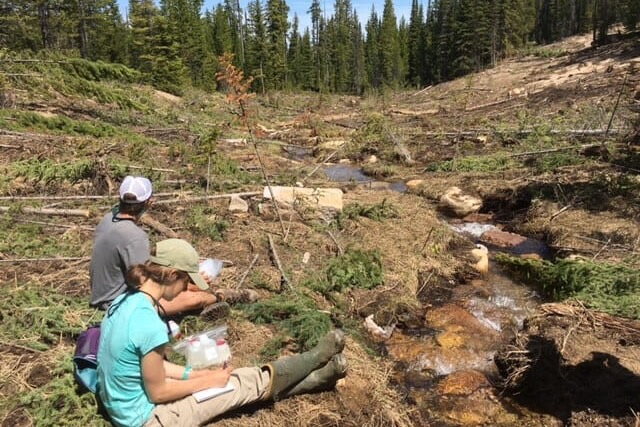
For organizations like the Western Pennsylvania Coalition for Abandoned Mine Reclamation, the federal law represents a "comfort layer." Watershed coordinator Anne Daymut emphasized that in Pennsylvania, the state-level Good Samaritan law was the primary driver for launching hundreds of drainage treatment systems. Having a federal equivalent provides the necessary legal certainty for organizations to scale their efforts.
As the Trout Unlimited team begins excavating the contaminated soil at the Bodie Mine, the project serves as a crucial proof-of-concept. The goal is to demonstrate that environmental restoration can be accelerated when the fear of litigation is removed. If the Bodie Mine project succeeds in significantly reducing heavy metal concentrations in Toroda Creek without triggering legal quagmires, it will provide the political and environmental evidence needed to transform this pilot program into a permanent fixture of American environmental law.

In the broader context of the global transition to clean energy, the stakes are even higher. The demand for minerals like copper, lithium, and cobalt is skyrocketing, leading to a potential new mining boom. Proponents of the Good Samaritan Act argue that the U.S. cannot responsibly embark on a new era of mineral extraction without first demonstrating a commitment to cleaning up the "legacy" mess of the past. The Bodie Mine, small as it may be in the grand scale of American mining, is where that commitment is finally being put to the test.
