

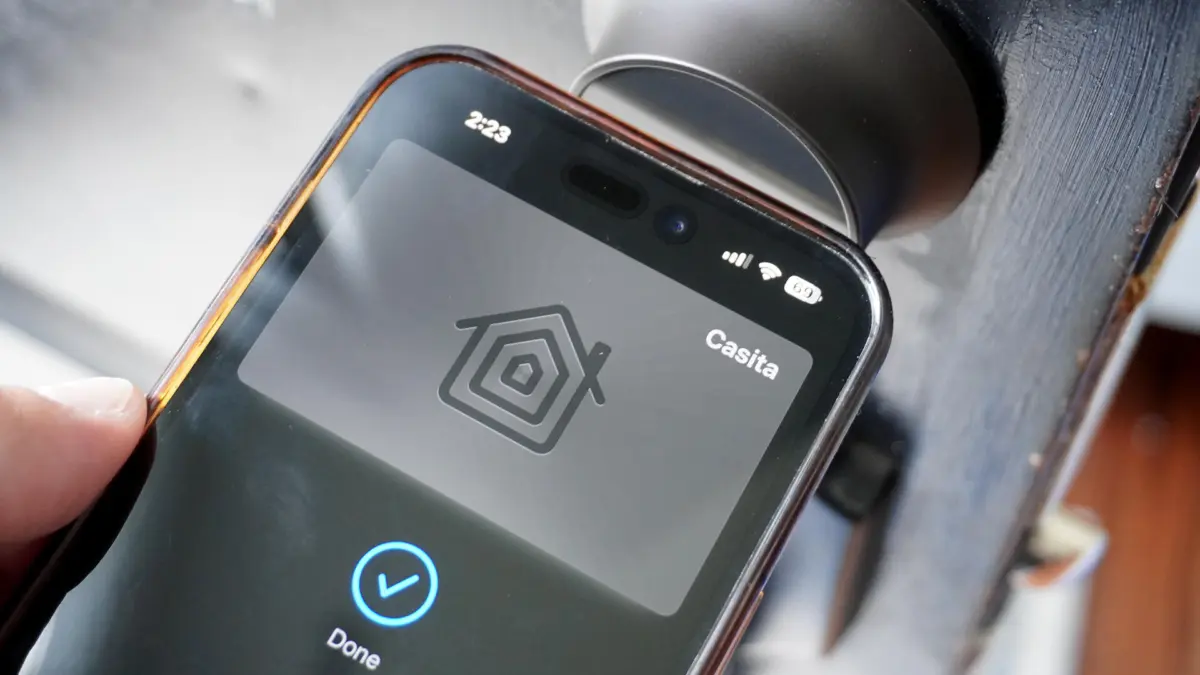
Google has officially announced the integration of digital home keys into Google Wallet, a strategic move designed to streamline the smart home experience for Android users. This update, which is scheduled to roll out throughout the current month, allows users to store digital credentials for compatible smart locks directly on their smartphones. By leveraging Near Field Communication (NFC) and Ultra-Wideband (UWB) technologies, the functionality enables a "tap-to-unlock" experience, effectively positioning the smartphone as a universal replacement for physical keys. This integration is not a standalone feature but is deeply embedded within the Google Home ecosystem, ensuring that the management of residential security is centralized and intuitive.
The introduction of home keys in Google Wallet represents a significant step in Google’s effort to achieve parity with Apple’s ecosystem. Apple introduced its "Home Key" feature in 2021 with the release of iOS 15, allowing iPhone and Apple Watch users to store keys in the Apple Wallet. While Google users have long been able to control smart locks through dedicated third-party apps or the Google Home interface, the native integration into Google Wallet simplifies the process. It eliminates the need to navigate through multiple menus or wait for an app to initialize, bringing the convenience of mobile payments to the realm of home security.
The Technological Foundation: NFC, UWB, and Aliro
Google’s implementation of digital home keys is built upon a foundation of established and emerging wireless standards. The primary mechanism for interaction is NFC, which requires a user to bring their device within close proximity—usually a few centimeters—of the smart lock. This "tap-to-unlock" method is familiar to anyone who has used Google Pay or Apple Pay at a retail terminal. A critical feature of this rollout is that, similar to Apple’s "Express Mode," Google Wallet users will not necessarily need to unlock their phones or authenticate with biometrics to engage the lock, though the platform offers customizable security settings for those who prefer an extra layer of verification.
Beyond NFC, Google is looking toward the future of spatial awareness by embracing Ultra-Wideband (UWB) technology. UWB offers much higher precision than Bluetooth or NFC, allowing a smart lock to detect the exact position of a user. With UWB, a door could theoretically unlock as a user approaches without requiring a physical tap, provided the hardware on both ends supports the protocol. Google has confirmed that UWB unlocking will be supported on the Pixel 10 Pro and subsequent models, as well as high-end UWB-enabled Samsung Galaxy devices.
Furthermore, Google’s announcement highlighted its commitment to Aliro, a new communication standard developed by the Connectivity Standards Alliance (CSA)—the same organization behind the Matter smart home standard. Aliro is specifically designed to create a common language for mobile devices and access control readers. By supporting Aliro, Google is signaling its intent to foster an open ecosystem where different brands of locks and smartphones can communicate seamlessly, reducing the fragmentation that has historically plagued the smart home market.
Chronology of Digital Access Evolution
The path to Google’s current announcement has been paved by a decade of incremental developments in mobile connectivity and security. To understand the significance of this update, it is essential to view it within the context of the digital access timeline:
- 2011–2014: The rise of NFC in smartphones primarily focused on mobile payments (Google Wallet/Android Pay). Early smart locks relied almost exclusively on Bluetooth or proprietary Wi-Fi bridges.
- 2021: Apple launches Home Key with iOS 15, setting the industry benchmark for wallet-integrated residential access. This moved the digital key from a third-party app into the operating system’s core identity hub.
- 2022: The Connectivity Standards Alliance releases Matter 1.0. While Matter focused on device interoperability, it set the stage for more specialized standards like Aliro.
- 2023: The CSA announces the Aliro project, with backing from industry giants including Apple, Google, and Samsung, aiming to standardize digital keys for homes, offices, and gymnasiums.
- 2024 (Early): Google Wallet expands its capabilities to include digital car keys for a wider range of manufacturers and introduces digital ID support in select regions.
- Present: Google officially integrates home keys into Google Wallet, launching with support for major hardware partners like Aqara and Schlage.
Hardware Compatibility and Launch Partners
At the initial launch phase, the availability of Google Wallet home keys will be limited to specific hardware that meets Google’s security and connectivity requirements. The Aqara U400 smart lock is among the first to support both the NFC tap-to-unlock feature and the more advanced UWB functionality. Additionally, the Schlage Sense Pro and the Nuki Keypad 2 are confirmed to support NFC-based unlocking via Google Wallet.
For consumers, the integration offers a streamlined user experience. Instead of managing a separate digital key for every door in a residence, Google Home will generate a single digital key for the entire household. This key is intelligent enough to recognize any compatible lock within that specific Google Home environment. Whether a user is at the front door, the garage entry, or a home office, the same "home key" in the wallet will grant access, provided the lock is registered to the same ecosystem.

Security Protocols and User Privacy
A primary concern for any digital transition involving home security is the robustness of the underlying encryption. Google Wallet utilizes the "Secure Element" (SE) on Android devices—a dedicated chip designed to store sensitive data in an isolated environment, protected from the rest of the operating system. When a phone is tapped against a lock, a cryptographic handshake occurs. The lock verifies the digital signature provided by the Secure Element without the device ever transmitting the actual key data over the air in an unencrypted format.
Google’s approach also addresses the "lost device" scenario. Because the keys are tied to the Google account and the device’s secure hardware, users can remotely wipe their digital keys via the "Find My Device" service if their phone is lost or stolen. This provides a level of control that physical keys cannot match, as rekeying a home usually requires a locksmith and physical hardware changes.
Market Implications and Industry Reaction
Industry analysts view Google’s move as a necessary evolution to maintain its relevance in the smart home sector. According to data from various market research firms, the global smart lock market is projected to grow at a compound annual growth rate (CAGR) of over 12% through 2030. As consumers move away from fragmented app-based controls toward unified wallet experiences, the platforms that offer the most seamless integration are likely to capture the largest share of the "prosumer" market.
While official statements from lock manufacturers have been largely supportive, emphasizing the benefits of standardized protocols like Aliro, the move also places pressure on legacy lock companies to update their hardware. Companies that rely on proprietary ecosystems may find themselves at a disadvantage compared to those that embrace the Google and Apple wallet standards.
The integration also has broader implications for the real estate and hospitality industries. Property managers and Airbnb hosts could potentially issue time-bound digital keys directly to a guest’s Google Wallet, eliminating the need for physical key exchanges or the sharing of PIN codes, which can be easily compromised.
Analysis of the Shift Toward a Wallet-Centric Future
The addition of home keys to Google Wallet is part of a larger strategic shift by big tech companies to transform the smartphone into a "digital proxy" for the physical wallet. By consolidating credit cards, government IDs, transit passes, car keys, and now home keys into a single encrypted application, Google is increasing the "stickiness" of its ecosystem. Once a user has integrated their entire physical life—from their identity to their home access—into a specific mobile platform, the cost and inconvenience of switching to a competitor become significantly higher.
However, this transition also raises questions about centralized points of failure. As the smartphone becomes the single point of access for a user’s life, the reliability of the device’s battery and software becomes paramount. To mitigate this, many UWB and NFC implementations include "power reserve" features that allow the NFC chip to function for a limited time even after the phone’s main battery has died—a feature already present in many modern Android and iOS devices.
In conclusion, Google’s rollout of digital home keys is more than a simple feature update; it is an endorsement of a future where physical keys are obsolete. By aligning with industry standards like Aliro and leveraging the precision of UWB, Google is providing Android users with a sophisticated, secure, and highly convenient method of home entry. As hardware compatibility expands throughout 2024 and 2025, the digital home key is poised to move from a luxury tech feature to a standard expectation for modern homeowners.
