

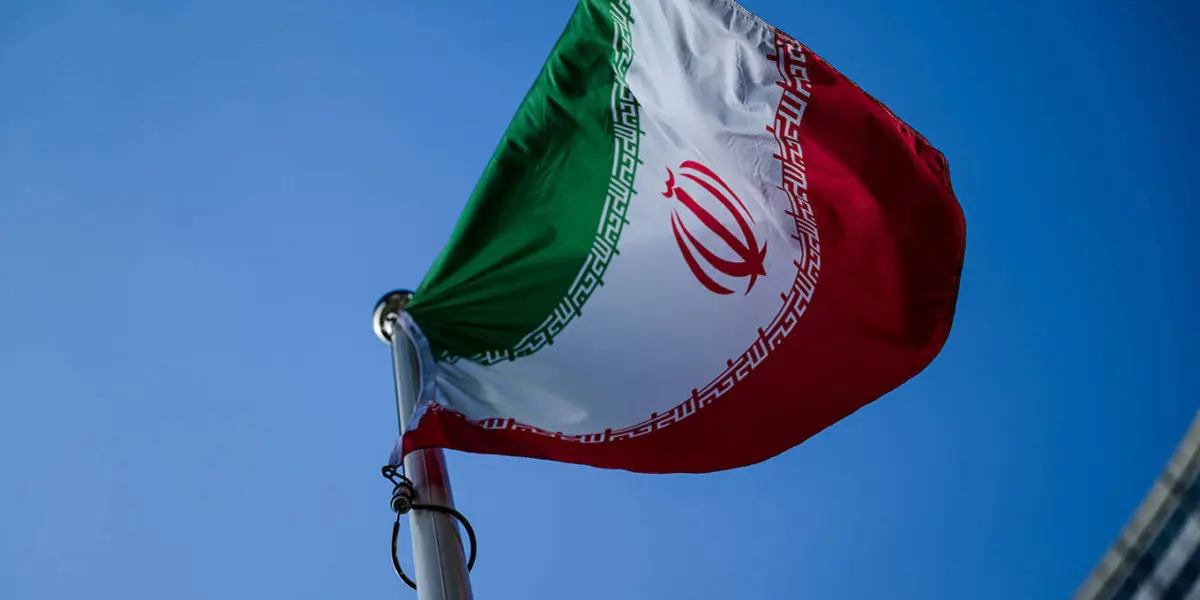
ISTANBUL – On February 28, 2026, a seismic shift in global geopolitics occurred as the United States and Israel launched a coordinated, pre-emptive military offensive against Iran, culminating in the assassination of its Supreme Leader, Ayatollah Ali Khamenei. This audacious act, executed without a clear international mandate, has plunged the Middle East into a volatile new era, characterized by escalating retaliatory strikes, widespread regional destabilization, and a grave humanitarian toll. The immediate aftermath has seen Iran respond with targeted attacks on Israeli and American interests, alongside a crippling disruption of maritime traffic through the strategically vital Strait of Hormuz, underscoring the profound implications of this unilateral aggression.
The Pre-Dawn Assault and Its Immediate Aftermath
The initial strikes, reportedly a mix of precision-guided missiles and special forces operations, targeted key leadership figures and military infrastructure within Iran. While the exact casualty figures on the Iranian side remain contested, the precision of the operation, designed to decapitate the leadership, has been widely acknowledged. However, the collateral damage, particularly the tragic loss of civilian lives, has drawn widespread condemnation. Among the most devastating incidents, American missiles struck an elementary school, resulting in the deaths of 150 civilians, a significant portion of whom were children. This horrific event has amplified international outrage and cast a dark shadow over the purported objectives of the offensive.
Following the initial assaults, Iran’s response was swift and decisive. The Islamic Revolutionary Guard Corps (IRGC) and affiliated militias launched retaliatory strikes against Israel, employing a combination of ballistic missiles and drone attacks targeting military installations and energy infrastructure. Concurrently, Iran leveraged its strategic position to severely restrict maritime transit through the Strait of Hormuz, a critical chokepoint through which approximately 20% of global oil consumption passes. This disruption has sent shockwaves through global energy markets, triggering immediate price hikes and raising concerns about a potential global energy crisis.
Background Context: A Looming Confrontation
The February 28th offensive did not emerge from a vacuum. For years, tensions between Iran and the United States, exacerbated by Israel’s security concerns, had been steadily escalating. Key contributing factors included:
- Iran’s Nuclear Program: Despite international monitoring and sanctions, Iran’s continued enrichment of uranium and its alleged pursuit of nuclear weapons technology remained a primary source of anxiety for the US and Israel. Intelligence assessments, though often classified, consistently pointed towards a determined effort by Tehran to achieve nuclear breakout capability.
- Regional Proxy Conflicts: Iran’s extensive network of proxies across the Middle East, including Hezbollah in Lebanon, Houthi rebels in Yemen, and various Shi’a militias in Iraq and Syria, had been a consistent source of friction. These groups have been accused of destabilizing regional governments, attacking American allies, and engaging in terrorism.
- Economic Sanctions and Pressure: The US, under successive administrations, had imposed stringent economic sanctions on Iran, aiming to cripple its economy and force concessions on its nuclear and regional policies. While intended to curb Iran’s assertiveness, these sanctions also fueled anti-American sentiment within Iran and reportedly bolstered hardline factions.
- Escalating Rhetoric and Incidents: A series of naval incidents in the Persian Gulf, drone downings, and cyber-attacks had incrementally raised the stakes, creating an environment of perpetual tension and mistrust.
While the exact precipitating event for the February 28th offensive remains officially undisclosed, it is widely believed to have been based on intelligence indicating an imminent Iranian move, potentially related to its nuclear program or a planned major escalation of proxy attacks. However, the unilateral nature of the operation and the absence of a UN Security Council resolution have stripped it of broad international legitimacy, leading to significant diplomatic fallout.
Timeline of Escalation (Fictionalized Chronology based on the article’s premise)
February 28, 2026:
- Early morning hours (local time): United States and Israel launch coordinated strikes across Iran, targeting leadership and military facilities.
- Simultaneously, Ayatollah Ali Khamenei is reportedly assassinated.
- American missiles strike an elementary school in an undisclosed Iranian city, resulting in the deaths of 150 civilians, including many children.
- Iran’s Supreme National Security Council convenes an emergency session.
- Iran’s military leadership vows retaliation.
March 1, 2026:
- Iran launches retaliatory ballistic missile and drone strikes targeting Israeli military bases and energy infrastructure.
- Iranian forces begin to restrict maritime traffic in the Strait of Hormuz, halting oil tankers.
- Global oil prices surge by over 30%.
- The United Nations Security Council calls for an emergency meeting.
March 2, 2026:
- US military confirms retaliatory strikes targeting Iranian missile launch sites and naval assets.
- US bases in Iraq and Syria report drone attacks, with responsibility attributed to Iranian-backed militias.
- The US imposes further sanctions on Iran, targeting its oil and financial sectors.
- The European Union calls for an immediate de-escalation and an independent investigation into the civilian casualties.
March 3-5, 2026:
- Naval skirmishes are reported in the Persian Gulf.
- International shipping companies reroute vessels away from the Strait of Hormuz, leading to significant delays and increased shipping costs.
- Global stock markets experience sharp declines.
- Emergency summits of regional leaders are convened in several Arab capitals.
International Reactions and Diplomatic Fallout
The international community’s response to the February 28th offensive has been largely condemnatory, with a strong emphasis on the lack of international legal basis for the actions and the devastating humanitarian cost.
- United Nations: Secretary-General António Guterres issued a stern warning against further escalation, calling for restraint and adherence to international law. He also demanded a thorough and impartial investigation into the civilian deaths, particularly the attack on the school. The UN Security Council has been deeply divided, with Russia and China calling for immediate sanctions against the US and Israel, while Western powers have largely defended the right to self-defense, albeit with reservations about the methods employed.
- European Union: The EU foreign ministers expressed deep concern over the unilateral military action and the rising civilian casualties. They urged both sides to cease hostilities and engage in diplomatic dialogue. Several member states have initiated their own fact-finding missions.
- China and Russia: Beijing and Moscow have been particularly vocal in their criticism, denouncing the aggression as a violation of international law and a destabilizing act. They have accused the US and Israel of pursuing a reckless agenda that threatens global peace and security.
- Regional Powers: Arab nations have been divided in their responses. While some have quietly supported the US and Israeli actions, citing Iran’s regional influence, many have expressed grave concern over the potential for wider conflict and humanitarian crisis. Countries like Saudi Arabia and the UAE have called for an immediate ceasefire and diplomatic engagement, while also increasing their own defense readiness. Turkey, strategically positioned between the two blocs, has offered to mediate, emphasizing the urgent need for de-escalation.
Economic Repercussions and Global Market Volatility
The immediate economic impact of the conflict has been severe and far-reaching. The disruption of oil supplies through the Strait of Hormuz has sent crude oil prices soaring to unprecedented levels, triggering fears of stagflation and a global economic downturn.
- Energy Markets: Brent crude futures surged past $150 per barrel in the days following the Strait of Hormuz closure, a level not seen in over a decade. This price shock has directly impacted transportation costs, manufacturing, and consumer spending worldwide.
- Supply Chain Disruptions: Beyond energy, the conflict has threatened broader supply chains. Many shipping routes pass through the Persian Gulf, and the heightened risk of interdiction has forced companies to seek longer, more expensive alternatives.
- Financial Markets: Global stock markets have experienced significant volatility, with investors seeking safe-haven assets. The uncertainty surrounding the conflict’s duration and potential escalation has dampened investor confidence.
- Humanitarian Aid: The increased cost of energy and goods, coupled with potential disruptions to aid shipments, poses a severe threat to vulnerable populations in already fragile regions. Organizations like the World Food Programme have warned of impending food crises if the situation is not resolved quickly.
Analysis of Strategic Implications and Future Outlook
The unilateral aggression by the US and Israel, while potentially achieving immediate tactical objectives like decapitating Iran’s leadership, has unleashed a cascade of destabilizing consequences that could outweigh any short-term gains.
- Empowerment of Hardliners: The assassination of Ayatollah Khamenei, intended to weaken Iran, could inadvertently consolidate power within the most hardline elements of the Iranian regime, who may see an opportunity to rally nationalistic support against foreign aggression. This could lead to a more unpredictable and potentially more aggressive Iran in the long run.
- Regional Power Vacuum and Proxy Escalation: The removal of Khamenei could create a power vacuum within Iran, leading to internal struggles. Furthermore, it could embolden Iranian proxies across the region to act more autonomously, potentially escalating conflicts in Yemen, Syria, and Lebanon.
- Erosion of International Law and Norms: The act of unilateral aggression, particularly with significant civilian casualties, undermines the principles of international law and the United Nations Charter. This could set a dangerous precedent, encouraging other states to pursue military solutions without international consensus, further fragmenting the global order.
- Long-Term Iranian Resistance: While the immediate leadership may be disrupted, the underlying grievances and the desire for self-determination within Iran are unlikely to disappear. The aggression could fuel a prolonged period of asymmetric warfare and resistance, making long-term stability elusive.
- Shifting Alliances: The crisis may also lead to a realignment of global alliances. Countries increasingly wary of unilateral military actions may seek closer ties with powers advocating for multilateralism and international law, potentially altering the existing geopolitical balance.
The Iranian leadership, while understandably feeling justified in its maximalist response to what it perceives as an unprovoked attack, must navigate this complex landscape with extreme caution. Mistaking short-term tactical advantages, such as disrupting oil markets, for sustainable long-term gains would be a grave miscalculation. The path forward demands a profound strategic reassessment, prioritizing de-escalation, diplomatic engagement, and a commitment to international norms to avert a full-blown regional conflagration and address the devastating humanitarian crisis that has already begun to unfold. The coming weeks and months will be critical in determining whether this act of aggression leads to a new era of conflict or provides an unlikely impetus for a much-needed recalibration of Middle Eastern security dynamics.
