

The landscape of global energy is undergoing a seismic shift, yet Canada remains caught between its historical reliance on fossil fuel production and the accelerating demands of a net-zero future. Catherine McKenna, the former Canadian Minister of Environment and Climate Change and current CEO of Climate and Nature Solutions, is sounding a clarion call for "climate realism." Since departing Justin Trudeau’s cabinet in 2021, McKenna has transitioned into high-level international roles, including chairing the United Nations Secretary-General’s High-Level Expert Group on Net-Zero Commitments. From her vantage point on the world stage, she observes a Canada that is increasingly distorted by the political turbulence of the United States and the lobbying power of the oil and gas sector. According to McKenna, the path forward requires a fundamental reset of the national horizon, one that prioritizes the direct link between climate action and economic affordability for everyday citizens.
The Intersection of Climate Policy and the Affordability Crisis
A central pillar of McKenna’s current advocacy is the reframing of climate policy as a solution to, rather than a cause of, the rising cost of living. In recent years, Canadian political discourse has often pitted environmental regulations against economic stability, particularly regarding the federal carbon pricing mechanism. However, McKenna argues that the true driver of the affordability crisis is a continued dependency on volatile fossil fuel markets.
Global energy prices have seen extreme fluctuations following the Russian invasion of Ukraine and ongoing tensions in the Middle East, particularly involving Iran. These geopolitical events directly translate to higher costs at the pump and increased home heating bills for Canadians. McKenna posits that the energy transition—specifically the adoption of electric vehicles (EVs), heat pumps, and decentralized solar energy—is the most effective way to insulate the public from these global shocks. While the initial capital investment in green technology can be a barrier, the long-term operational savings are significant. For instance, data from various energy agencies suggests that EVs can save owners thousands of dollars annually in fuel and maintenance costs compared to internal combustion engine vehicles.
The challenge, McKenna notes, is that the current market lacks enough "basic" or affordable EV models to make this transition accessible to the middle and lower-class demographics. She suggests that leadership must focus on policies that drive down the purchase price of clean technologies and compel utilities to allow more integrated, consumer-led energy solutions, such as putting private solar power back onto the grid.
The Economic Risk of Stranded Assets and LNG Expansion
One of the most contentious debates in Canadian energy policy involves the role of Liquefied Natural Gas (LNG) as a "transition fuel." Proponents argue that Canadian LNG can help Asian markets move away from coal, thereby reducing global emissions. McKenna, however, remains deeply skeptical of this narrative. She characterizes the idea that the world is clamoring for Canadian LNG as a "myth," noting that during her time as minister, she approved projects that ultimately stalled due to inherent market risks.
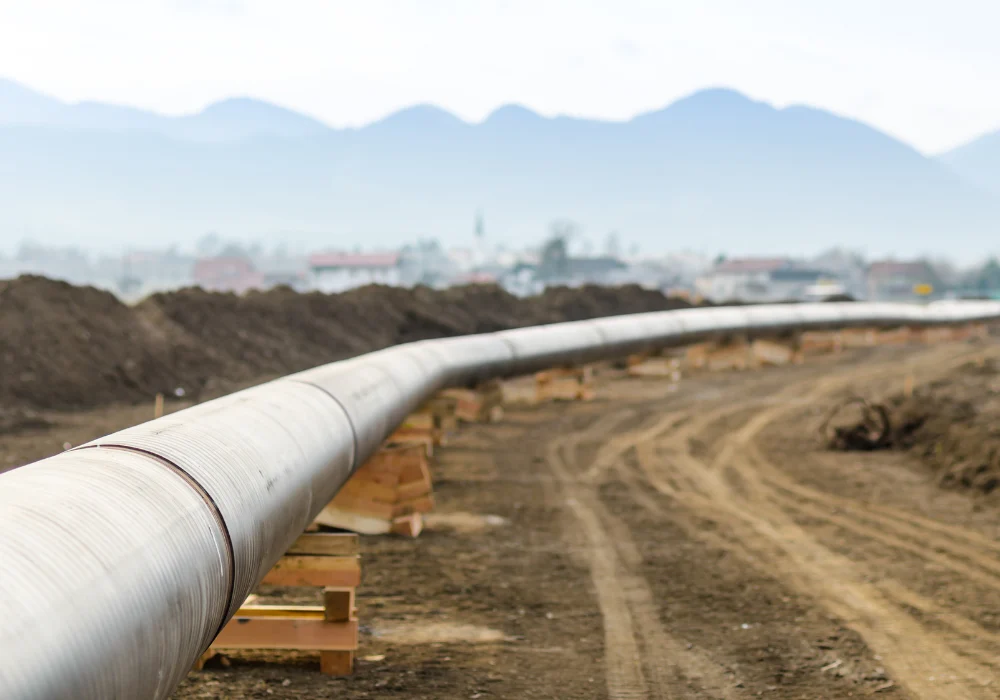
The economic concept of "stranded assets" is at the heart of this concern. As global demand for fossil fuels is projected to peak and then decline—driven by aggressive climate policies in the European Union and rapid electrification in China—long-term infrastructure projects like pipelines and LNG terminals risk becoming obsolete before they can provide a return on investment. McKenna warns that the Canadian financial sector, particularly "Bay Street" investors, may be out of step with global trends. While domestic firms continue to push for fossil fuel expansion, international financial institutions are increasingly wary of the "unfunded liabilities" associated with the oil sands, including tailings ponds and abandoned wells.
Furthermore, McKenna opposes the inclusion of natural gas in "green taxonomies"—the classification systems used by investors to identify sustainable assets. She argues that labeling gas as "green" would damage Canada’s international credibility. While she does not suggest an outright ban on gas investment, she emphasizes that such ventures should be viewed as high-risk commercial bets rather than environmentally sound infrastructure.
The Call for a Windfall Tax on Oil and Gas Profits
As Canadians struggle with inflation, the oil and gas sector has reported record-breaking profits. In 2022 and 2023, major Canadian producers like Suncor Energy and Canadian Natural Resources Limited (CNRL) saw significant earnings, largely attributed to elevated global oil prices. McKenna argues that these profits are being "socialized" in terms of risk while being "privatized" in terms of gain. She points out that a substantial portion of these profits is returned to shareholders—many of whom are based in the United States—rather than being reinvested in the decarbonization efforts the companies previously promised.
Drawing a parallel to policies implemented in the United Kingdom and other European nations, McKenna advocates for a "windfall tax" on these extraordinary profits. The revenue from such a tax, she suggests, should be redirected to support Canadian households in making the transition to cleaner, cheaper energy sources. This position aligns with a growing global movement that demands corporate accountability from sectors that benefit financially from geopolitical instability and the very climate crisis they contribute to.
Global Competition and the Role of China
The conversation around Canada’s energy transition cannot occur in a vacuum, particularly given the dominance of China in the clean energy supply chain. China currently controls a vast majority of the world’s battery manufacturing and critical mineral processing. McKenna acknowledges the complexity of this trade relationship but stresses that Canada must find a way to compete effectively.
She highlights the fact that Chinese-manufactured EVs are often significantly cheaper than North American counterparts, not only because of state subsidies but because of a strategic focus on "basic" models. McKenna’s critique extends to domestic auto manufacturers, whom she urges to pivot away from luxury EVs toward affordable, functional models that meet the needs of the average consumer. The "Trump factor" in the United States also looms large; should a future U.S. administration roll back the Inflation Reduction Act or withdraw from the Paris Agreement, Canada will face immense pressure to either follow suit or double down on its commitment to a green economy. McKenna argues that the latter is the only viable path to long-term competitiveness.
The "Theory of Change": Women in Climate Leadership
A significant portion of McKenna’s post-political work involves the Women Leading on Climate network. She posits that gender diversity in leadership is not just a matter of equity but a strategic advantage for climate action. Citing various studies, McKenna notes that women are statistically more likely to act on climate change and that companies with women on their boards are more likely to disclose and reduce their carbon emissions.
This "theory of change" focuses on empowering women at all levels—from corporate boardrooms and university halls to activist movements on the streets. McKenna recounts her own experience as a minister, often being the only voice at the table insisting on the economic necessity of climate action. By building a global network, she aims to provide a support system that emboldens leaders to push for rigorous climate risk disclosures and more aggressive transition strategies.
Chronology of Canada’s Climate Policy Evolution
To understand McKenna’s current stance, it is helpful to view the timeline of Canada’s climate commitments over the past decade:
- 2015: Canada signs the Paris Agreement; McKenna serves as a key negotiator.
- 2016: The Pan-Canadian Framework on Clean Growth and Climate Change is established, introducing a national floor price on carbon.
- 2018: The Greenhouse Gas Pollution Pricing Act is passed, leading to legal challenges from several provinces.
- 2021: The Canadian Net-Zero Emissions Accountability Act receives Royal Assent, enshrining the 2050 target into law. McKenna departs from the cabinet.
- 2022: McKenna is appointed to lead the UN’s High-Level Expert Group on Net-Zero Commitments, tasked with cracking down on "greenwashing."
- 2023-2024: Canada faces record-breaking wildfire seasons, intensifying the domestic debate over the pace of the energy transition and the impact of climate change on national security and the economy.
Implications for the Future
The insights provided by Catherine McKenna suggest that Canada is at a critical crossroads. The "wait-and-see" approach regarding U.S. politics or the hope that fossil fuel prices will stabilize is, in her view, a recipe for economic obsolescence. The transition is already happening globally; the question is whether Canada will be a leader or a laggard.
McKenna’s analysis implies that the federal government must be more assertive in linking climate policy to the everyday economic concerns of citizens. This involves not only defending carbon pricing but also aggressively funding the infrastructure for EVs and heat pumps, implementing windfall taxes on excessive oil and gas profits, and ensuring that the financial sector accurately accounts for climate risk.
While she has ruled out a return to formal politics, McKenna’s influence remains substantial through her work with the UN and various global financial institutions. Her message to Canadian leaders is clear: the energy transition is the most potent tool available to protect the long-term prosperity of the nation. To ignore the "climate realism" of the global market is to gamble with the country’s economic future.
