

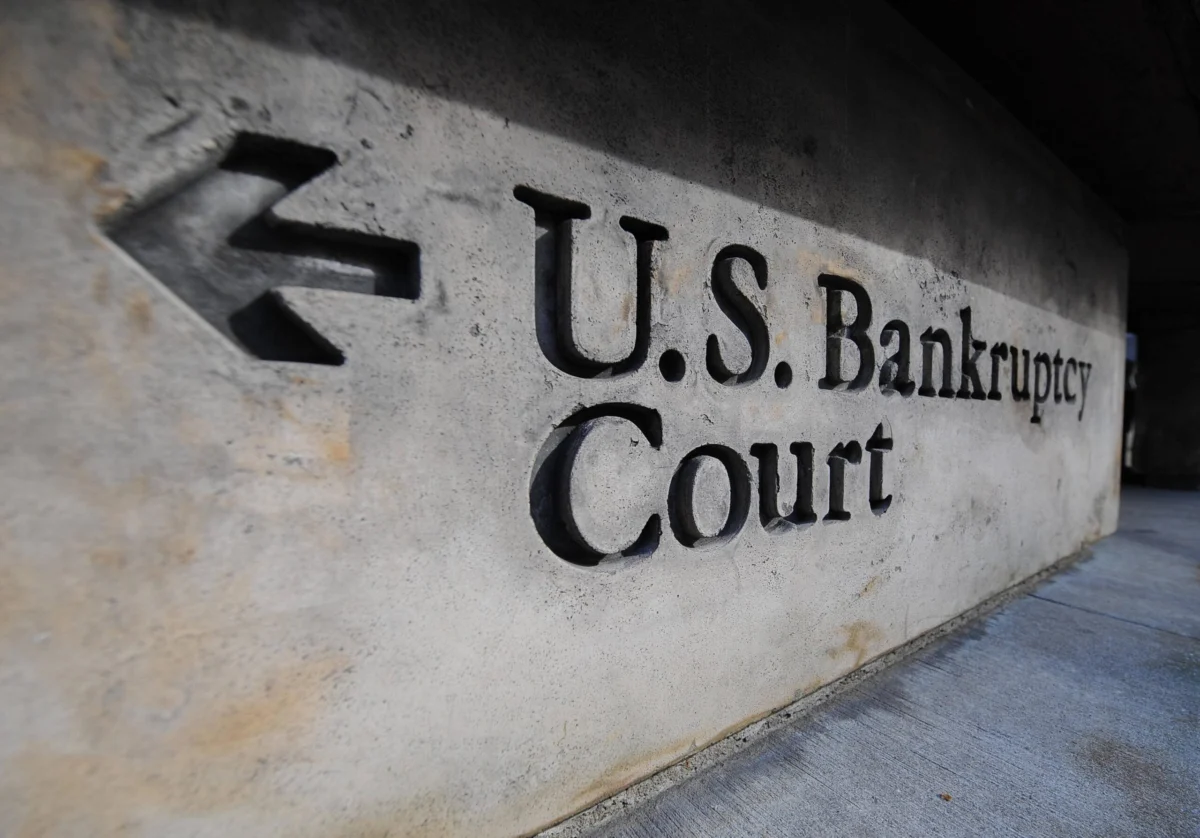
Alexandria, Virginia – A federal jury in Alexandria, Virginia, delivered a decisive verdict on September 8, convicting Jihoon Park on multiple counts related to a sophisticated investment fraud scheme and deliberate deception of a bankruptcy court. The conviction marks a significant triumph for federal prosecutors and the FBI, highlighting their unwavering commitment to safeguarding the financial integrity of communities and holding accountable those who exploit trust for personal gain. Park now faces substantial prison time, with his sentencing scheduled for December 10, 2026, where he could receive up to 20 years for wire fraud and five years for bankruptcy fraud.
The Anatomy of Deception: Exploiting Trust for Personal Enrichment
At the core of Park’s elaborate scheme was the calculated exploitation of personal relationships and the credibility afforded by his previous affiliation with a prominent financial institution. This carefully cultivated image allowed him to penetrate the trust networks within his community, positioning himself as a reliable and astute financial advisor. Court documents and compelling evidence presented during the trial revealed that Park approached numerous individuals, many of whom were friends, neighbors, or acquaintances, urging them to entrust him with their most precious financial assets: their life savings and hard-earned retirement funds. The allure was irresistible, fueled by Park’s persuasive promises of extraordinarily high returns, far exceeding what conventional investments typically offer. Such guarantees often serve as a red flag for legitimate investors, yet Park’s seemingly trustworthy demeanor and professional background effectively disarmed his unsuspecting victims.
Instead of channeling these substantial sums into legitimate investment vehicles, Park systematically diverted over $2.5 million from these trusting community members directly into his personal coffers. The funds were not used to generate promised returns but rather to finance a lavish lifestyle, including the acquisition of a private residence and significant investments in various cryptocurrency assets. This blatant misappropriation of client funds constitutes the very essence of investment fraud, shattering the financial security and peace of mind of those who had placed their faith in him. The pattern of behavior demonstrated a clear intent to defraud from the outset, moving beyond mere financial mismanagement to outright criminal deception.
Chronology of Fraud and Evasion
The timeline of Park’s criminal enterprise reveals a calculated progression from illicit acquisition to desperate evasion:
- Initial Engagement (Undisclosed Period prior to Lawsuit): Park leverages personal connections and a professional façade, possibly from a legitimate background in finance, to gain the confidence of community members. He solicits investments, promising high, unrealistic returns on life savings and retirement funds.
- Diversion of Funds: Over $2.5 million is systematically siphoned from investor accounts. These funds are not invested as promised but are instead used for Park’s personal enrichment, including the purchase of real estate and significant investments in cryptocurrency. This phase likely spanned a considerable period, during which victims remained unaware of the true nature of their investments.
- Discovery and Initial Legal Action (Prior to Bankruptcy Filing): As the promised high returns fail to materialize or victims attempt to withdraw funds, the fraud begins to unravel. At least one victim, realizing the deception, initiates a lawsuit against Park, signaling the official commencement of legal scrutiny.
- Asset Concealment (In response to Lawsuit): Faced with impending legal repercussions, Park undertakes a series of illicit financial maneuvers to shield his ill-gotten gains. He transfers substantial assets to his wife, a common tactic employed by fraudsters to obscure ownership and complicate asset recovery. Crucially, he also conceals cryptocurrency assets valued at millions of dollars, attempting to leverage the nascent and often opaque nature of digital currencies to evade detection.
- Bankruptcy Filing (Following Asset Concealment): In a brazen attempt to legally discharge his debts and further evade accountability to his victim creditors, Park files for bankruptcy. This move, while seemingly legitimate on the surface, was underpinned by a foundation of deceit.
- Deception in Bankruptcy Court: During bankruptcy proceedings, Park brazenly submits false declarations, claiming an astonishingly low sum of 34 cents in financial assets and denying any ownership of cryptocurrency. This preposterous claim was a deliberate and cynical effort to avoid returning any money to his victims, painting a picture of financial destitution while secretly holding millions in hidden assets.
- Federal Investigation Intensifies: The FBI Washington Field Office, likely alerted by the victim’s lawsuit, the suspicious bankruptcy filing, or other intelligence, launches a comprehensive investigation into Park’s activities, meticulously gathering evidence of wire fraud and bankruptcy fraud.
- Jury Trial and Conviction (September 8, 2026): After a thorough trial in Alexandria, Virginia, a federal jury finds Jihoon Park guilty on three counts of wire fraud and two counts of bankruptcy fraud, affirming the prosecution’s case with overwhelming evidence.
- Sentencing (December 10, 2026): Park awaits his final sentencing, where the federal court will determine the length of his incarceration and potentially order restitution for his victims.
The Gravity of the Charges: Wire Fraud and Bankruptcy Fraud
Park’s conviction on three counts of wire fraud underscores the severity of his deceptive investment scheme. Wire fraud, a federal offense, involves the use of interstate wires (such as telephone calls, emails, or electronic transfers) as part of a scheme to defraud others of money or property. Each instance of an electronic communication or transfer made in furtherance of the fraud constitutes a separate count, explaining the multiple charges. The maximum penalty of 20 years for each wire fraud count reflects the U.S. legal system’s strong stance against financial deception that crosses state lines or uses electronic means. Such crimes erode public trust in financial systems and often leave victims in dire straits.
Concurrently, his conviction on two counts of bankruptcy fraud speaks to his audacious attempts to manipulate the legal system to his advantage. Bankruptcy fraud occurs when an individual deliberately conceals assets, makes false statements, or files inaccurate documents during bankruptcy proceedings to avoid paying creditors. Park’s claim of possessing only 34 cents in financial assets while simultaneously hiding millions in cryptocurrency was a stark example of this crime. The maximum penalty of five years for each bankruptcy fraud count is designed to deter individuals from abusing the bankruptcy system, which is intended as a safety net for those genuinely facing financial hardship, not as a tool for fraudsters to escape their obligations.
The Cryptocurrency Factor: A Modern Dimension to Old Schemes
The inclusion of cryptocurrency in Park’s fraud scheme adds a contemporary layer to a timeless crime. In recent years, the rapid rise and inherent complexities of digital assets have unfortunately made them attractive tools for fraudsters. The perceived anonymity, cross-border nature, and sometimes volatile valuations of cryptocurrencies can make tracing and recovering assets challenging for law enforcement. Park clearly attempted to leverage these characteristics, hiding millions of dollars in crypto assets, believing they would remain undetected during his bankruptcy proceedings. His false claim of having no crypto assets in court was a direct acknowledgment of his intent to conceal these funds.
However, this case demonstrates that while challenging, law enforcement agencies like the FBI are increasingly adept at investigating and unraveling crypto-related financial crimes. The conviction sends a strong message that digital assets do not provide an impenetrable shield for illegal activities and that authorities possess the expertise and resources to follow the digital money trail.
The Human Cost: Betrayal and Financial Ruin
While the article does not name specific victims, the description of individuals entrusting Park with their "life savings and retirement money" paints a grim picture of the human cost of his deception. For many, these funds represent years, if not decades, of hard work, careful planning, and deferred gratification. Losing such assets can lead to devastating consequences, including:
- Financial Destitution: The complete loss of savings can force victims back into the workforce during retirement, lead to foreclosures, or prevent access to essential medical care.
- Psychological Trauma: The betrayal of trust, particularly from someone who exploited personal relationships, can lead to severe emotional distress, anxiety, depression, and a profound sense of violation.
- Erosion of Trust: Such schemes damage not only the victims’ personal finances but also their faith in financial institutions and even in their communities.
- Legal and Administrative Burden: Victims often face the daunting and expensive task of navigating legal processes to seek restitution, adding further strain during an already difficult time.
The prosecutors’ assertion that Park’s "preposterous lie" in bankruptcy court was "meant to avoid paying his victim creditors any money back from his fraud" underscores the callous disregard he held for those he had harmed.
Official Responses and Investigative Diligence
The successful conviction of Jihoon Park is a testament to the diligent efforts of the FBI Washington Field Office, which led the investigation, and the dedicated federal prosecutors from the U.S. Attorney’s Office for the Eastern District of Virginia. While specific statements were not provided in the initial report, it is standard practice for federal agencies to issue statements following significant convictions to reinforce their commitment to justice.
A hypothetical statement from a U.S. Attorney might emphasize: "This verdict sends a clear message that those who prey on the trust of their communities and attempt to defraud our legal system will be held accountable. We commend the tireless work of the FBI and our prosecution team in bringing Mr. Park to justice and protecting the financial security of our citizens. We will continue to aggressively pursue individuals who engage in such egregious acts of financial deception."
Similarly, an FBI Special Agent in Charge might add: "The FBI remains committed to unraveling complex financial fraud schemes, particularly those that target vulnerable members of our community and involve the illicit use of emerging technologies like cryptocurrency. This case demonstrates our capabilities in tracing sophisticated financial trails and our resolve to ensure that no one is above the law."
These statements, while inferred, reflect the typical public stance of law enforcement and judicial bodies in such high-profile cases, aiming to reassure the public and deter future criminal activity.
Broader Implications and Lessons Learned
The conviction of Jihoon Park carries significant broader implications for the financial landscape and investor protection:
- Enhanced Scrutiny on "Trusted" Advisors: The case serves as a stark reminder for individuals to exercise extreme caution, even when dealing with financial advice from seemingly trusted sources or those with impressive affiliations. Due diligence, independent verification of credentials, and skepticism towards promises of unusually high returns are paramount.
- The Evolving Landscape of Financial Crime: The prominent role of cryptocurrency in Park’s scheme highlights the ongoing challenge for law enforcement and regulators to keep pace with technological advancements used by criminals. It underscores the need for continuous development of investigative tools and expertise in digital asset forensics.
- Deterrence Against Bankruptcy Fraud: The successful prosecution for bankruptcy fraud reinforces the integrity of the bankruptcy system. It sends a powerful message that attempts to manipulate court proceedings through asset concealment or false declarations will be met with severe legal consequences, preventing the system from becoming a sanctuary for fraudsters.
- Importance of Reporting: The fact that a victim’s lawsuit triggered further investigation emphasizes the crucial role of individuals in reporting suspected fraud. Early reporting can lead to quicker intervention, potentially limiting damages and aiding in asset recovery.
- Potential for Restitution: While not guaranteed, a conviction often paves the way for victims to seek restitution. During sentencing, courts can order defendants to repay their victims, though the actual recovery of funds can be a lengthy and complex process, especially if assets have been dissipated or are difficult to trace. The hidden cryptocurrency assets, if successfully recovered, could offer a significant avenue for victim compensation.
Jihoon Park’s journey from a seemingly credible financial figure to a convicted felon serves as a sobering cautionary tale. It underscores the perpetual vigilance required in financial dealings, the enduring threat of white-collar crime, and the unwavering resolve of the justice system to protect citizens from those who seek to exploit their trust for illicit gain. As Park awaits his sentence, the focus will shift to the final disposition of the case and the potential for restitution for those whose lives were upended by his elaborate web of deceit.
