

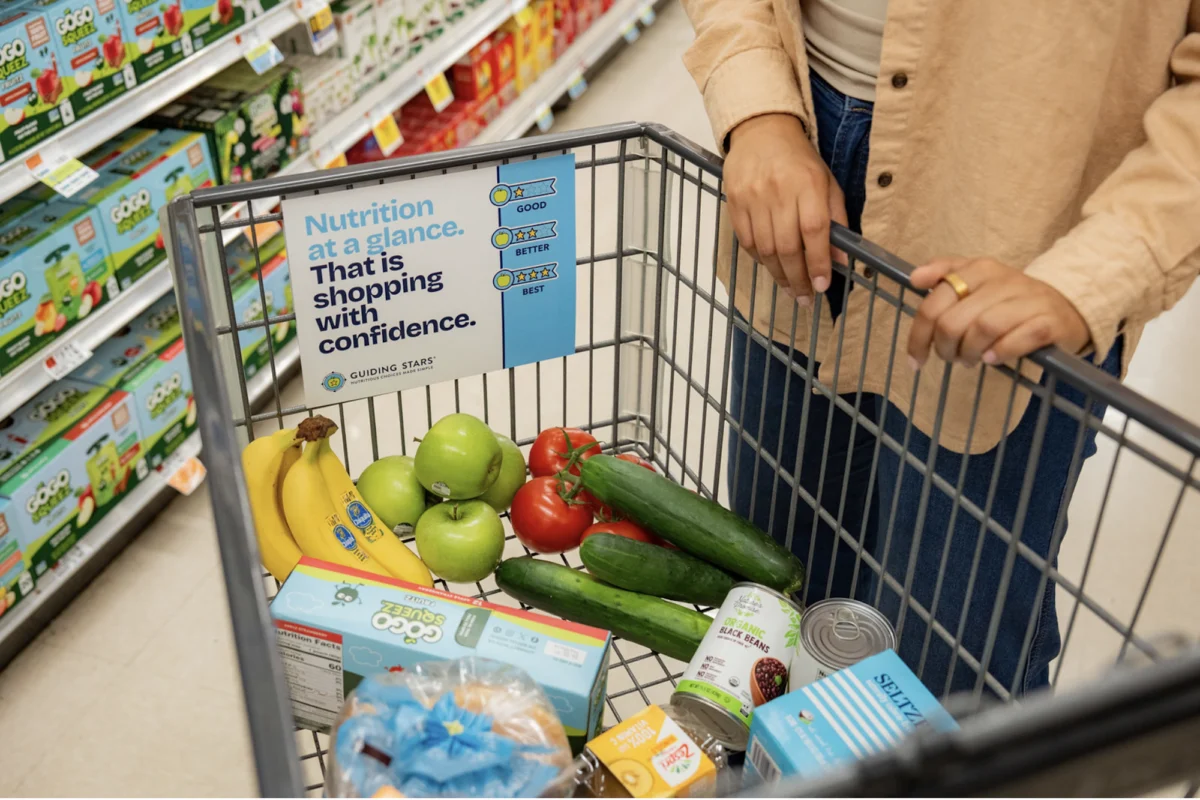
As the back-to-school season places renewed pressure on American households, the Guiding Stars nutrition guidance program has emerged as a primary resource for caregivers navigating the complex landscape of childhood nutrition. Currently implemented in more than 2,000 grocery stores across the United States, the science-backed system aims to reduce the "decision fatigue" often associated with grocery shopping. By utilizing a transparent, algorithm-driven rating system, the program assists families in identifying nutrient-dense foods that support physical growth, cognitive development, and immune function in children. The initiative comes at a critical juncture as recent data suggests that despite a wealth of available information, many parents feel increasingly overwhelmed by conflicting dietary advice found online and in the media.
The State of National School Nutrition
The National School Lunch Program (NSLP) remains a cornerstone of the American educational and nutritional framework. Serving approximately 22 million students daily through free or reduced-price meals, the program acts as a vital safety net for families facing food insecurity. According to the U.S. Department of Agriculture (USDA), food insecurity affects millions of households, making the accessibility of school-provided nutrition a matter of public health urgency. In a significant shift in policy, nine U.S. states—including California, Maine, and Minnesota—have moved to provide universal free breakfast and lunch to all students, regardless of income levels, recognizing that consistent nutrition is a prerequisite for academic success.
The nutritional integrity of these meals is governed by strict federal mandates. By law, all public school meals must adhere to the USDA’s school nutrition standards, which are recalibrated every five years to align with the latest federal dietary guidelines. The most recent updates have placed a heavy emphasis on reducing the intake of added sugars and sodium while simultaneously increasing the presence of whole grains, fresh produce, and lean proteins. These rigorous standards often ensure that school-provided meals are the most balanced food source a child receives during the day, providing a reliable baseline for pediatric health.
The Comparative Quality of Home-Packed vs. School-Prepared Meals
A common misconception among caregivers is that home-packed lunches are inherently healthier than those provided by the school cafeteria. However, a comprehensive 2024 meta-analysis of more than a dozen studies published over two decades indicates that home-packed lunches often have lower nutritional quality on average. While parents may have the best intentions, home-prepared meals frequently lack the variety of vegetables and the strict sodium controls found in regulated school programs.
Dietitian Kitty Broihier, a member of the Guiding Stars scientific advisory panel, notes that the choice between "buying or bringing" is often influenced by factors beyond simple nutrition, including medical requirements, sensory preferences, and economic constraints. Experts suggest that a hybrid approach—where students participate in choosing which days to eat school lunch and which days to bring a meal from home—can foster a sense of autonomy. This involvement is more than just a matter of convenience; a 2018 literature review of 15 studies found a strong positive correlation between children who assist in meal preparation and an increased consumption of fruits and vegetables, leading to higher "self-efficacy" in making healthy choices later in life.
The Mechanics of Evidence-Based Nutrition Ratings
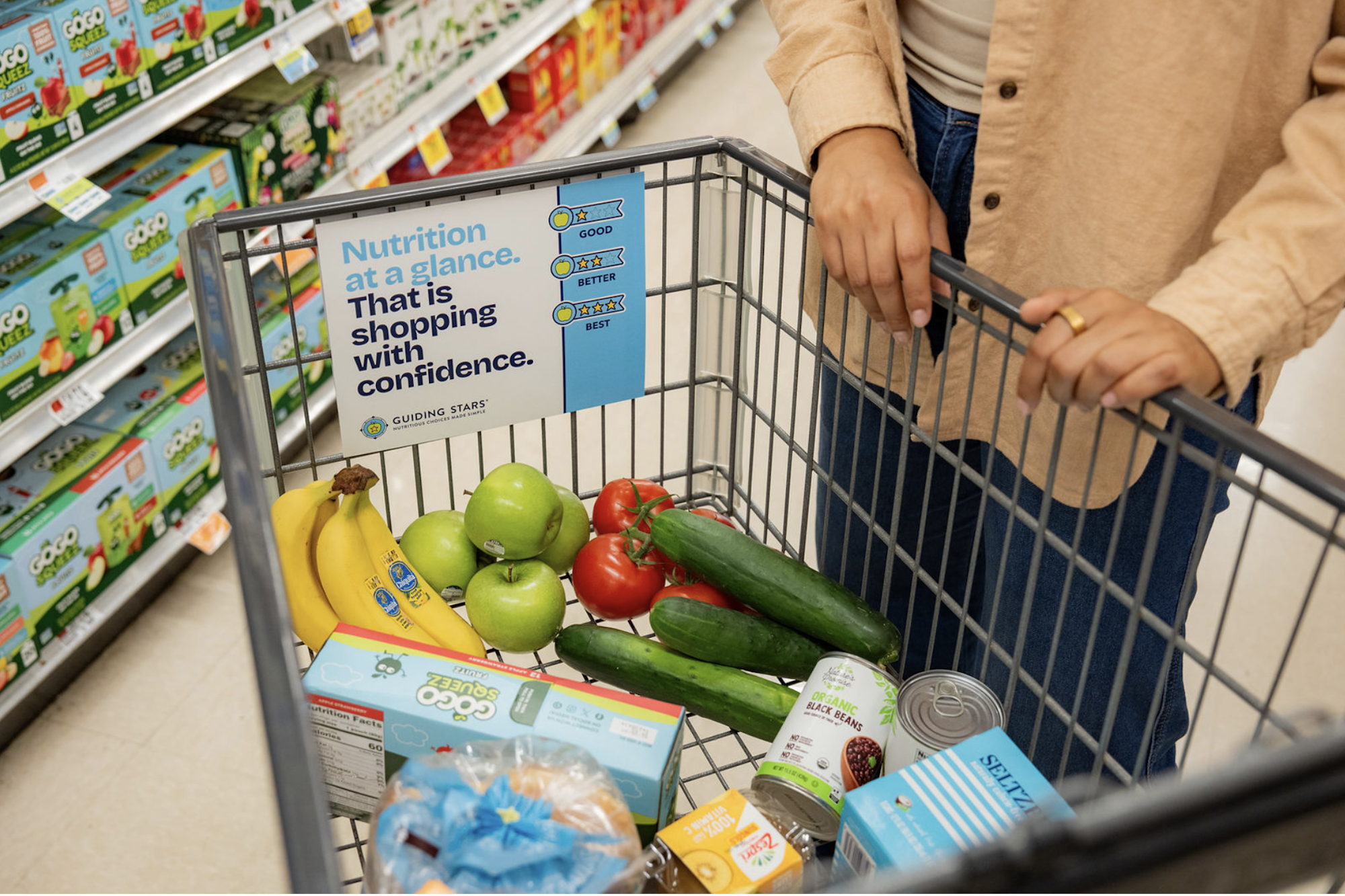
To assist parents in the "bring" side of the school lunch equation, Guiding Stars has developed a patented algorithm that evaluates the nutrient density of tens of thousands of products. As the program approaches its 20th anniversary in 2026, it stands as the longest-running on-shelf rating system in the United States. The system operates on a "Good, Better, Best" hierarchy, where products earn one, two, or three stars based on their nutritional profile.
The Guiding Stars algorithm is overseen by an independent scientific advisory panel, ensuring that the ratings remain objective and grounded in current health science. The scoring process involves a dual-layered analysis:
- Attributes to Encourage: Points are added for the presence of fiber, whole grains, vitamins, minerals, and Omega-3 fatty acids.
- Attributes to Limit: Points are deducted for high levels of added sugars, saturated fats, trans fats, sodium, and certain artificial colors or chemical preservatives.
This methodology allows for a quick, at-a-glance assessment of a product’s value. For a busy parent navigating a grocery aisle, the presence of the Guiding Stars icon on a price tag or product package provides an immediate signal of nutritional quality, bypassing the need to decipher complex nutrition facts panels and ingredient lists during a rushed shopping trip.
Behavioral Impact and Consumer Trends
The efficacy of front-of-package and on-shelf labeling systems has been a subject of extensive study in both the United States and Canada. Research indicates that simplified star ratings effectively shift consumer behavior toward healthier options. By reducing the cognitive load required to evaluate a product, these systems empower shoppers to make better choices in real-time.
In the retail environment, this transparency has led to a noticeable shift in purchasing patterns. When consumers are presented with clear "Better" or "Best" options, they are statistically more likely to substitute highly processed snacks with nutrient-dense alternatives. This is particularly relevant for the "middle aisles" of the grocery store, where products like granola bars, cereals, and canned goods often contain hidden sugars or excessive sodium. Guiding Stars bridges this information gap, making the healthiest choice the easiest choice.
Expanding Accessibility Through Digital Integration
Recognizing that the modern consumer journey often begins before they enter a physical store, Guiding Stars has expanded its reach through various digital platforms. The program is now integrated into grocery store apps, online shopping portals, and a dedicated Guiding Stars mobile app. This multi-channel approach ensures that families can plan their weekly meals and school lunches with nutritional data at their fingertips.
The accessibility of this data is a key component in combating the "nutrition confusion" cited by health experts. By providing a consistent standard across physical and digital storefronts, Guiding Stars offers a stabilizing influence in an era of diet fads and marketing-led health claims. For caregivers, this means that whether they are shopping for a quick snack or a full week of school lunches, the criteria for what constitutes "healthy" remains constant and scientifically verified.
Long-Term Health Implications and the Path Forward
The focus on school-age nutrition carries significant long-term implications for public health. Establishing healthy eating habits during childhood is a proven strategy for reducing the risk of chronic conditions such as obesity, Type 2 diabetes, and cardiovascular disease in adulthood. Programs like Guiding Stars and the National School Lunch Program do more than just provide immediate sustenance; they serve as educational tools that shape a child’s palate and dietary expectations.
As the 2024-2025 school year progresses, the integration of science-backed guidance into the daily routine of American families represents a shift toward more conscious consumption. While the debate over school-made versus home-made lunches will likely continue, the availability of objective data ensures that the decision is informed by science rather than marketing.
As Kitty Broihier emphasizes, the goal is not perfection, but rather the simplification of a complex task. By leveraging tools that distill vast amounts of nutritional data into a simple star system, families can reclaim their time and reduce the stress associated with maintaining a healthy household. In the broader context of national health, the continued expansion of such programs signifies a move toward a more transparent and health-conscious food retail environment, benefiting not only the students of today but the healthy adults of tomorrow.
