

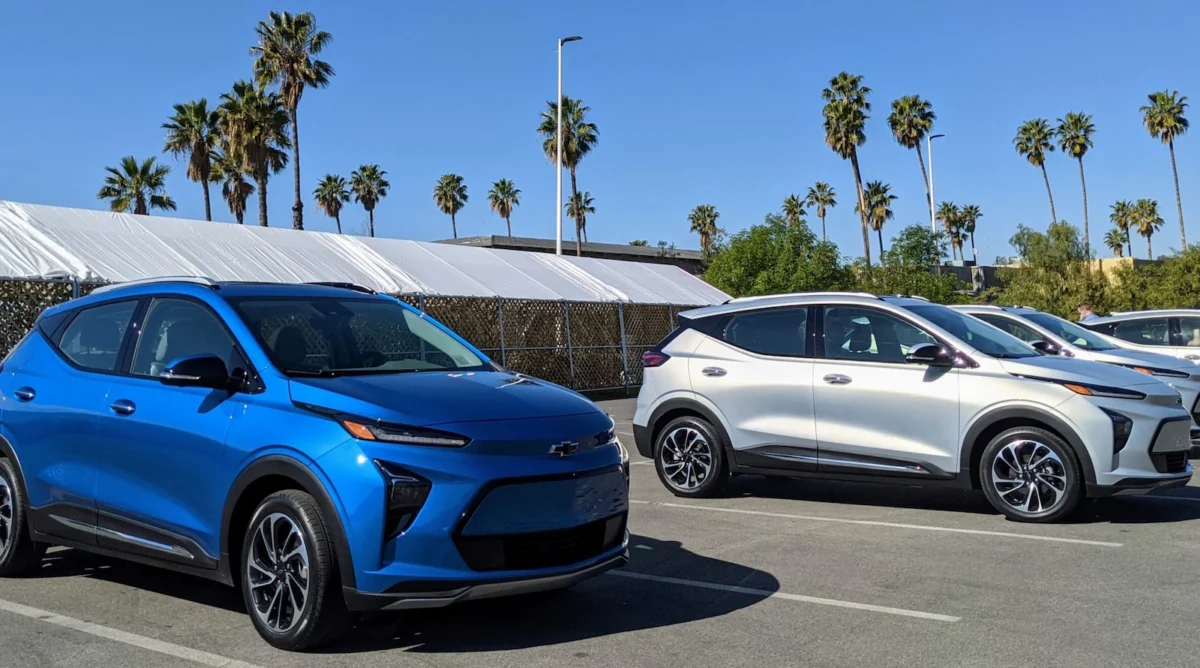
The landscape of the American automotive industry is undergoing a profound and quiet transformation as legacy manufacturers pivot away from the aggressive electric vehicle (EV) narratives that dominated their corporate communications for the better part of a decade. After several years of high-frequency press releases and multi-billion-dollar investment pledges, a noticeable silence has descended upon the domestic EV sector. This shift marks a significant departure from the post-2018 era, when traditional automakers sought to emulate the market enthusiasm surrounding Tesla. Today, the strategic focus of Detroit’s "Big Three" and their international counterparts operating in the United States has moved toward capital preservation, hybrid technologies, and a cautious alignment with a changing political environment.
The Era of Prolific EV PR: A Market Valuation Strategy
Between 2019 and early 2023, legacy automakers—including Ford, General Motors, and Stellantis—engaged in what industry analysts often describe as a "PR arms race." During this period, the volume of press releases dedicated to future EV lineups, battery gigafactories, and software-defined vehicle platforms far outpaced the actual production and sales figures of these vehicles.
This trend was largely catalyzed by the meteoric rise of Tesla’s market capitalization. Following the successful mass-production ramp of the Model 3, Tesla’s stock price soared, at one point surpassing a $1 trillion valuation. For legacy executives and boards, the lesson appeared clear: the stock market was no longer valuing companies based on current internal combustion engine (ICE) profits, but on the perceived potential of their future EV businesses. Consequently, legacy automakers began rebranding themselves as "tech-forward" entities. By hyping EV pipelines, these companies aimed to secure the high price-to-earnings (P/E) ratios enjoyed by Silicon Valley firms, even as their primary revenue remained rooted in gasoline-powered trucks and SUVs.
Market Realities and the Sales Plateau
Despite the intensive marketing efforts, the transition to electric mobility has proven more arduous for legacy brands than initially projected. While the US EV market has grown, Tesla continues to command approximately 50% of the market share, leaving dozens of legacy models to compete for the remaining half.
Data from the first half of 2024 indicates a cooling of the initial "early adopter" surge. While EV sales have not declined in absolute terms, the rate of growth has slowed significantly compared to the triple-digit increases seen in previous years. High interest rates, concerns over public charging infrastructure, and the premium price tags of many electric models have contributed to an inventory buildup on dealership lots. For many legacy manufacturers, the return on investment (ROI) for dedicated EV platforms has remained elusive, leading to "meh" sales performance that failed to move the needle on stock valuations.

The Political Pivot and Regulatory Uncertainty
The recent shift in the political climate has further accelerated the retreat from EV-centric messaging. With the return of Donald Trump to the presidency and a Republican-led focus on deregulating the energy sector, the federal mandates and subsidies that previously incentivized a rapid EV transition are under intense scrutiny.
During his campaign and subsequent policy outlines, President Trump has frequently criticized EV mandates and signaled a potential rollback of the Environmental Protection Agency’s (EPA) stringent tailpipe emission standards. In response, legacy automakers appear to be engaging in a strategic de-escalation of their EV programs to avoid political friction. By reducing the visibility of their EV initiatives, these companies are attempting to "get on the good side" of the new administration, prioritizing the continued profitability of high-margin internal combustion vehicles and traditional hybrids.
Chronology of the Strategic Retreat: The Case of Ford
The strategic reversal is perhaps most visible in the recent actions of the Ford Motor Company. As one of the most vocal proponents of the EV transition under CEO Jim Farley, Ford has recently executed a series of significant course corrections:
- Late 2023: Ford announced it would scale back production of the F-150 Lightning, its flagship electric pickup, citing lower-than-expected demand and a need to align production with market reality.
- Early 2024: The company officially delayed or canceled approximately $12 billion in planned EV investments, including the postponement of a major battery plant in Kentucky.
- Mid-2024: Ford announced the cancellation of a planned three-row electric SUV, opting instead to focus on hybrid powertrains for its larger vehicle segments.
- Late 2024: Reports surfaced that Ford had redirected its focus toward a secretive "Skunkworks" project aimed at developing a "Universal EV" platform. This project is intended to produce low-cost, profitable electric vehicles to compete with Chinese manufacturers, a sharp pivot from the high-cost, luxury-oriented EV strategy of previous years.
While Ford has not abandoned EVs entirely, the tone has shifted from "all-in" to "calculated and cautious." This sentiment is echoed across the industry, with General Motors also softening its "all-electric by 2035" rhetoric in favor of a more flexible, multi-pathway approach.
The Global Divergence: The Rise of Chinese Innovation
The "crickets" heard in the US EV news cycle stand in stark contrast to the rapid-fire developments occurring in the Chinese automotive market. While American legacy brands pull back, Chinese firms such as BYD, Xiaomi, and NIO are announcing new battery technologies, autonomous driving breakthroughs, and record-breaking sales figures almost daily.
China has successfully achieved vertical integration in the battery supply chain, allowing its manufacturers to produce EVs at a fraction of the cost of their Western counterparts. In 2023 and 2024, China solidified its position as the world leader in EV adoption, with New Energy Vehicles (NEVs) frequently accounting for over 40% of monthly domestic car sales. The divergence between the US and China suggests a growing "innovation gap," as US automakers focus on protecting domestic ICE margins while Chinese firms aggressively capture global market share in emerging economies.

Economic and Strategic Implications
The silence from US automakers carries significant implications for the future of the domestic manufacturing sector and national climate goals.
1. Infrastructure and Supply Chain Vulnerability
The reduction in EV investment by legacy players may slow the build-out of a national charging network and the domestic battery supply chain. If demand for EVs is suppressed by a lack of new model announcements and marketing support, the private sector’s incentive to invest in charging infrastructure may diminish, creating a self-reinforcing cycle of slow adoption.
2. Global Competitiveness
By prioritizing short-term profits from internal combustion engines, US automakers risk falling behind in the global race for automotive software and battery technology. If the global market eventually shifts toward EVs—driven by regulations in Europe and rapid adoption in Asia—Detroit may find itself lacking the technological maturity required to compete on the world stage.
3. The Hybrid Compromise
The "middle ground" for many US manufacturers has become the hybrid vehicle. Both Ford and GM have signaled an increased reliance on plug-in hybrids (PHEVs) and traditional hybrids as a bridge technology. This allows companies to meet moderate emission standards while leveraging existing engine manufacturing assets, providing a buffer against the volatility of the pure-EV market.
Conclusion: A New Phase of Pragmatism
The current lack of EV news from legacy automakers is not necessarily an admission of defeat, but rather a transition into a phase of "EV pragmatism." The initial period of hype, driven by stock market aspirations and regulatory pressure, has been replaced by a focus on bottom-line reality and political alignment.
While the "Big Three" remain cautious, the fundamental drivers of the EV transition—technological advancement, falling battery costs, and international competition—remain in play. The question for the American automotive industry is whether this strategic silence will provide the time needed to build more competitive, low-cost EV platforms, or if it will allow international competitors to secure an insurmountable lead in the defining technology of 21st-century transportation. For now, the US market remains in a holding pattern, waiting to see if the "Universal EV" projects and hybrid pivots can deliver the stability that the first wave of EV enthusiasm could not.
