

The first week of September 2026 has marked a pivotal moment in the global transition toward a sustainable economy, characterized by a series of landmark regulatory shifts, significant breakthroughs in renewable energy infrastructure, and a sharpening focus on the intersection of biodiversity and financial risk. As the international community approaches the final years of the decade, the urgency of meeting 2030 climate targets has transformed ESG (Environmental, Social, and Governance) considerations from a peripheral concern into the core architecture of global capital markets. This week’s developments underscore a maturing landscape where data transparency, standardized reporting, and massive infrastructure investment are no longer aspirations but operational imperatives for multinational corporations and institutional investors alike.
The State of Global Renewable Energy: Focus on Central Europe
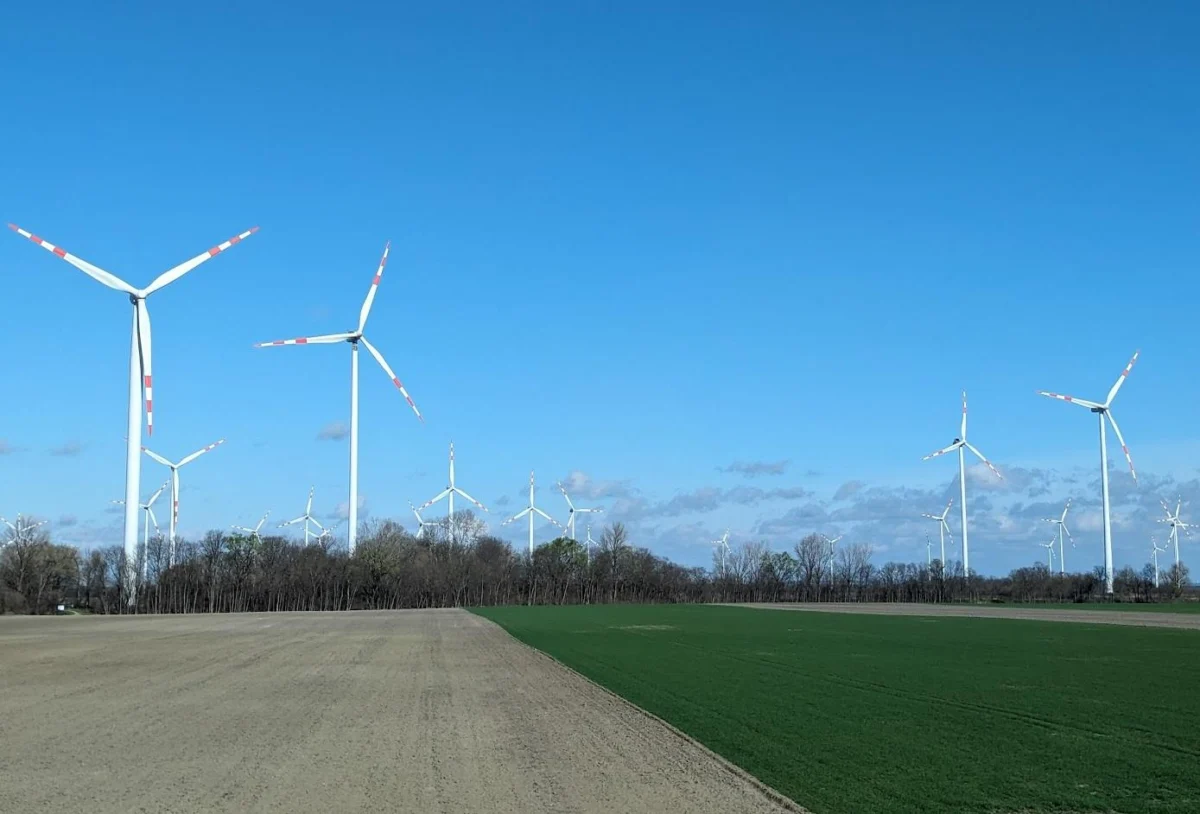
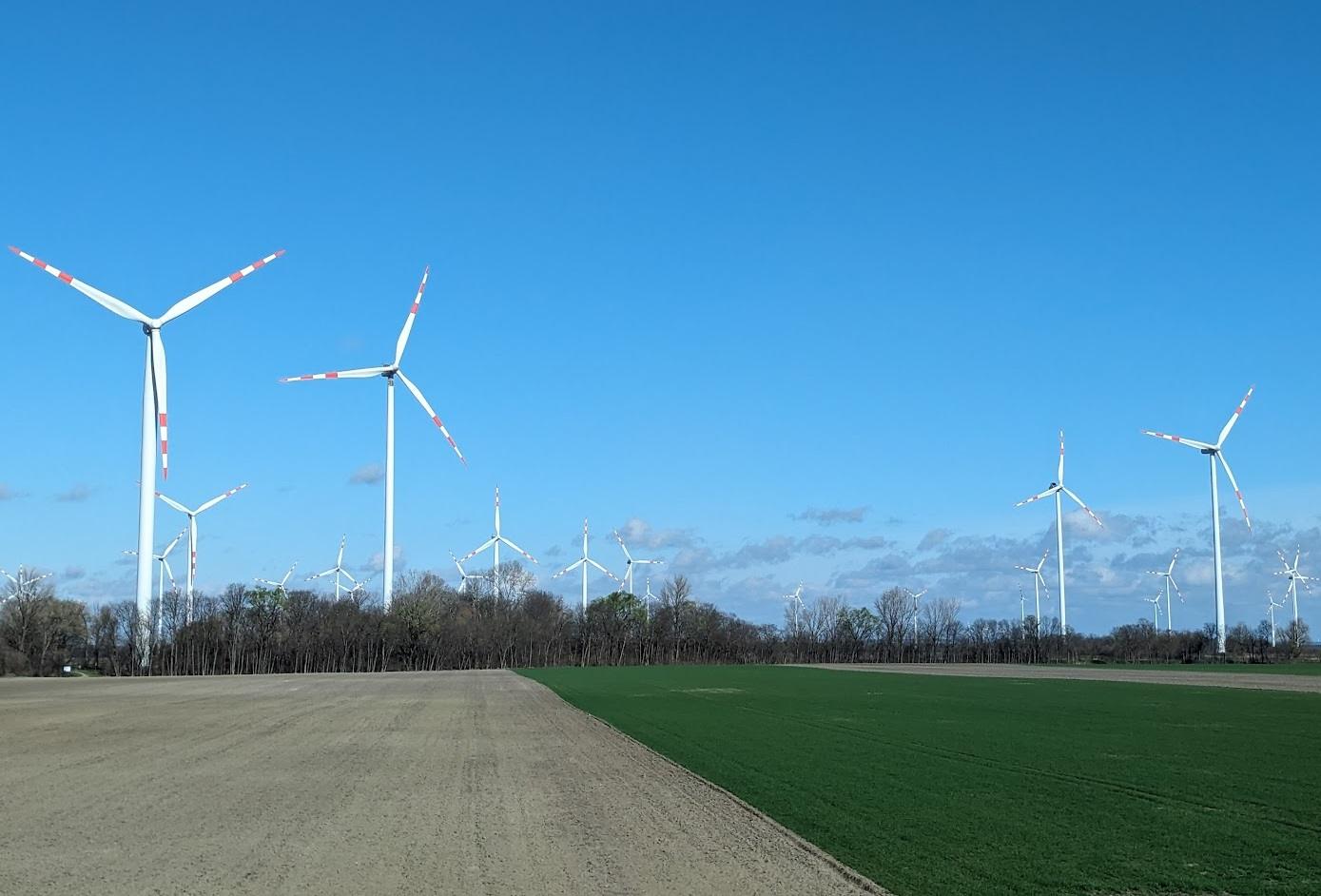
A central theme of the past week has been the accelerated deployment of wind energy across Central Europe, with Austria emerging as a surprising leader in land-locked turbine efficiency. Following the publication of the European Commission’s "Winter Readiness Report 2026," it was revealed that Austria has successfully increased its wind power capacity by 18% over the previous twelve months. This surge is largely attributed to the streamlining of the "Fast-Track Renewable Zones" initiative, which has reduced the permitting time for new onshore wind farms from an average of seven years to just eighteen months.
The Austrian example serves as a microcosm for a broader continental trend. Data released on Tuesday indicates that the European Union’s total wind capacity has now surpassed 300 GW, a milestone that seemed out of reach only five years ago. This growth is being driven by the integration of AI-optimized grid management systems, which allow for better handling of the intermittent nature of wind power. Analysts note that the stability of the Central European grid has improved despite the higher share of renewables, providing a powerful rebuttal to critics of the energy transition.
Chronology of the Week: September 1 – September 6, 2026
The week began with a flurry of activity in the regulatory space, followed by significant corporate announcements that signaled a shift in how "Social" and "Governance" metrics are being weighted in ESG scores.
Monday, September 1: The International Sustainability Standards Board (ISSB) officially launched its "Phase 3" reporting requirements. These new standards mandate that companies provide granular data on "Nature-Related Financial Disclosures," moving beyond carbon emissions to include water usage, soil health, and impact on local ecosystems.
Tuesday, September 2: A consortium of major global banks, including representatives from the United States, Japan, and the United Kingdom, announced the "2026 Green Finance Accord." This agreement commits an additional $1.2 trillion in transition finance specifically earmarked for emerging markets to phase out coal-fired power plants.
Wednesday, September 3: The U.S. Securities and Exchange Commission (SEC) released its mid-year enforcement report, highlighting a record number of "Greenwashing" citations. This indicates that the agency is moving from a period of guidance into a period of strict enforcement regarding climate-related claims in annual reports.
Thursday, September 4: The International Energy Agency (IEA) published its "Renewables 2026" update. The report confirmed that for the first time in history, investment in solar and wind power has surpassed investment in all fossil fuel extraction and generation combined for three consecutive years.
Friday, September 5: Closing the week, the World Economic Forum released a white paper on the "S" in ESG, arguing that workforce resilience and reskilling for the green economy are now the primary drivers of long-term corporate value.
Supporting Data: The Economic Reality of the Transition
The shift toward a sustainable economy is increasingly backed by hard economic data that demonstrates the cost-effectiveness of green technologies. According to the latest figures from BloombergNEF, the Levelized Cost of Electricity (LCOE) for new-build onshore wind and solar is now 40% cheaper than the cheapest new fossil fuel alternatives in 95% of the world.
Furthermore, the global carbon market has seen unprecedented volatility and growth. The price of carbon in the European Union Emissions Trading System (EU ETS) hovered near €120 per ton this week. This price point is significant because it makes carbon capture and storage (CCS) commercially viable for heavy industries like cement and steel. Investment in CCS technology has subsequently risen by 45% year-over-year, as industrial giants seek to hedge against future carbon tax liabilities.
In the financial sector, ESG-integrated assets under management (AUM) are projected to reach $45 trillion by the end of 2026. This represents nearly one-third of all professionally managed assets globally. The data suggests that "impact investing" is no longer a niche category but is becoming the standard methodology for risk assessment.
Official Responses and Stakeholder Reactions
The week’s events have drawn significant reactions from political and business leaders. Emmanuel Gesane, the EU Commissioner for Energy, praised the progress in Central Europe, stating, "The wind farms rising across Austria and its neighbors are the new monuments of European sovereignty. We are not just decarbonizing; we are de-risking our entire economy from the volatility of imported fuels."
Conversely, some industry groups have expressed concern over the speed of the new ISSB biodiversity requirements. A spokesperson for the Global Industrial Alliance noted, "While we support the transition to a nature-positive economy, the data collection burden placed on small and medium-sized enterprises within the supply chain is immense. We need a more realistic timeline for Scope 3 biodiversity reporting."
From the investor perspective, Sarah Jenkins, Chief Sustainability Officer at a major New York-based asset management firm, emphasized the importance of the SEC’s enforcement actions. "The era of vague ‘net-zero’ promises is over," Jenkins said. "Investors are demanding rigorous, audited data. The SEC’s crackdown on greenwashing is a welcome development that will restore trust in ESG labeled products."
Analysis: The Implications of Mandatory Disclosure
The most profound takeaway from the week in review is the definitive end of the "voluntary era" of ESG. As the CSRD (Corporate Sustainability Reporting Directive) in Europe and similar frameworks in Asia and North America come into full effect, the distinction between "financial reporting" and "sustainability reporting" is vanishing.
This convergence has three major implications for the corporate world:
- Supply Chain Reshuffling: Companies are no longer just looking for the cheapest suppliers; they are looking for the "cleanest" ones. A supplier’s carbon footprint or labor practices can now directly impact a lead firm’s balance sheet through regulatory penalties or increased cost of capital. This is leading to a "flight to quality" in global supply chains.
- The Rise of the "Chief Sustainability Officer" (CSO): The role of the CSO has evolved from a communications position to a strategic powerhouse. In 2026, the CSO is often the individual bridging the gap between the CFO and the COO, ensuring that sustainability targets are integrated into the core business strategy and financial forecasting.
- Technological Integration: The reliance on manual data entry for ESG metrics is being replaced by automated, blockchain-verified tracking systems. This week saw several major software providers launch "Real-Time ESG" dashboards that allow investors to track a company’s emissions and water usage in near real-time, rather than waiting for an annual report.
Looking Ahead: The Road to COP31
As the global community looks toward the upcoming COP31 summit, the focus is shifting from "setting targets" to "measuring progress." The data and events of this week suggest that while the physical risks of climate change—such as the heatwaves and floods seen earlier this summer—continue to intensify, the economic machinery required to mitigate these risks is finally operating at scale.
The progress in wind energy in Austria, the tightening of regulatory oversight in the United States, and the massive infusion of capital into transition finance all point toward a more disciplined and results-oriented ESG landscape. However, challenges remain. The "Social" component of ESG continues to be the most difficult to quantify and standardize, and the geopolitical tensions surrounding the supply of critical minerals for batteries remain a significant bottleneck.
In conclusion, the week ending September 6, 2026, has demonstrated that the ESG movement has successfully weathered the "backlash" period of 2023-2024 and has emerged as a permanent, regulated, and essential feature of the global financial system. The transition is no longer a matter of "if" or "when," but a matter of "how fast" and "how transparently" it can be achieved. As Mark Segal and the ESG Today team continue to track these developments, the narrative remains clear: sustainability is the new benchmark for corporate excellence and long-term economic viability.
